REVIEW · CAPE TOWN
Cape Town: Robben Island ferry ticket with guided tour
Book on GetYourGuide →Operated by Nyasha Travels & Tours · Bookable on GetYourGuide
Real voices make Robben Island hit harder. This Cape Town trip pairs a 30-minute ferry with an on-island guide who lived apartheid’s prison system; I especially like the ex-prisoner guidance and the visit to Nelson Mandela’s cell. The one drawback to plan around is that the day can feel rushed at times, and in at least one case the 9 AM slot was canceled without notice, requiring a reschedule.
For a half-day outing, it’s packed with major stops on the island—think Lime Quarry, the leprosy graveyard, Robert Sobukwe’s house, and the maximum security prison—then the ferry ride back gives you time to reset while Cape Town and Table Mountain sit in the background. It’s a powerful experience, and it’s also a practical one once you know how to pace yourself.
In This Review
- Key things to know before you go
- From V&A Waterfront to Robben Island: the ride that sets the tone
- Your guide matters more than the posters
- Inside the tour day: what each stop is really for
- Nelson Mandela Gateway and the ferry: your “before” moment
- Leprosy graveyard: understanding the island’s layers
- Lime Quarry: the mechanics of forced labor
- Robert Sobukwe’s house: one person’s story in place
- Maximum security prison: the purpose of confinement
- Mandela’s prison cell: where the tour earns its weight
- Pace, buses, and crowding: how to avoid feeling herded
- Price and value: is $74 a fair deal for 4 hours?
- What to bring and who should think twice
- Should you book this Robben Island guided ferry tour?
- FAQ
- How long is the Robben Island ferry ticket with guided tour?
- Where do I meet the group in Cape Town?
- What’s included in the ticket price?
- Is there food included or will I need lunch?
- What should I bring with me?
- Is the tour wheelchair accessible?
- Is this tour suitable if I get seasick easily?
Key things to know before you go
- Ex-prisoner guides: The stories come from someone who was part of the system, not just a textbook.
- Mandela’s cell visit: You’ll see the space tied to his legacy in a solemn setting.
- Big island stops in limited time: Expect defined points like Lime Quarry and Robert Sobukwe’s house.
- Ferry views with a real ride: The outward and return crossings frame the day with Cape Town views.
- Pacing can feel tight: You may be on a bus for stretches, so bring patience and adjust expectations.
From V&A Waterfront to Robben Island: the ride that sets the tone
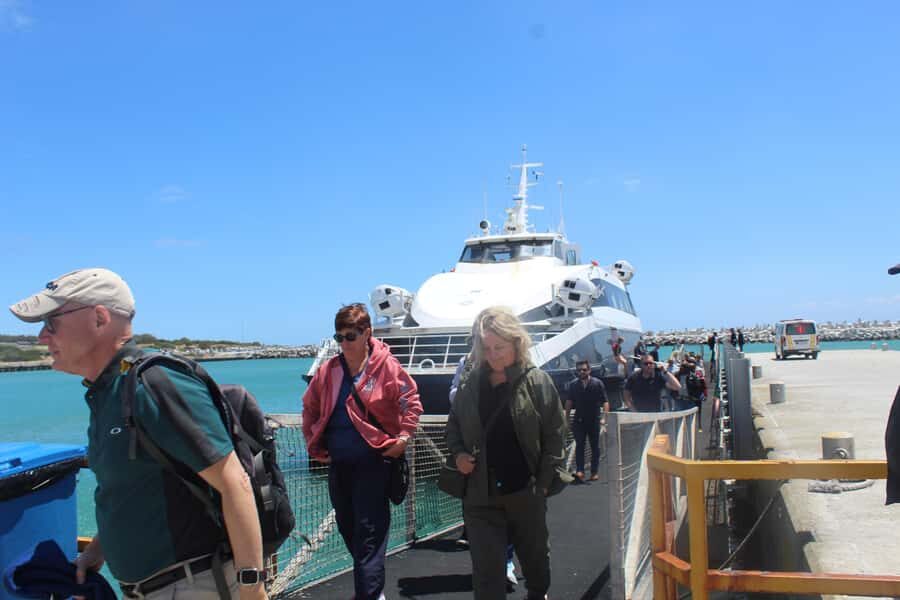
The day starts at the Nelson Mandela Gateway to Robben Island, right at the V&A Waterfront next to the Clocktower. If you’ve never used this kind of departure setup, I suggest arriving with extra margin so you’re not trying to solve signage and lines right before boarding.
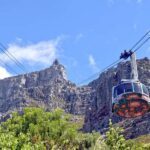
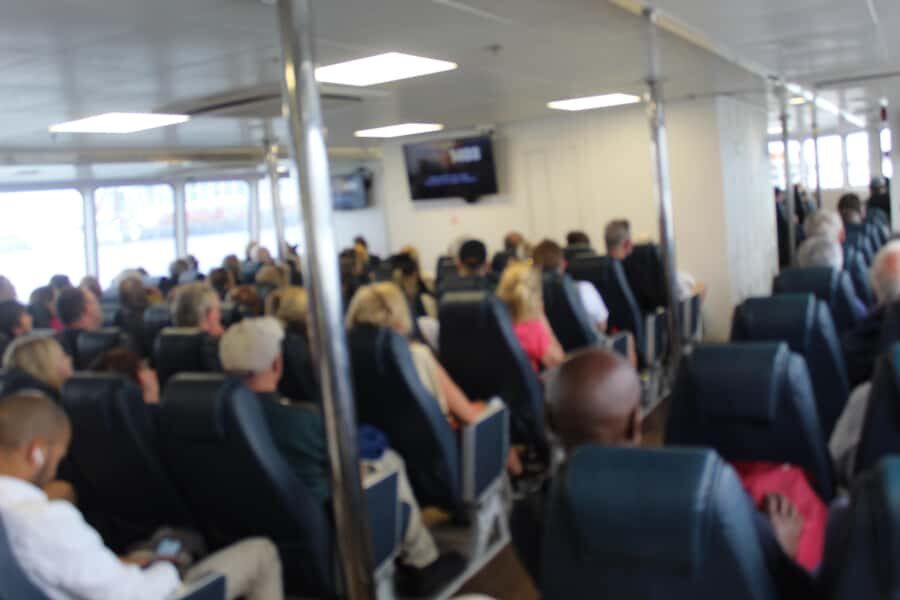
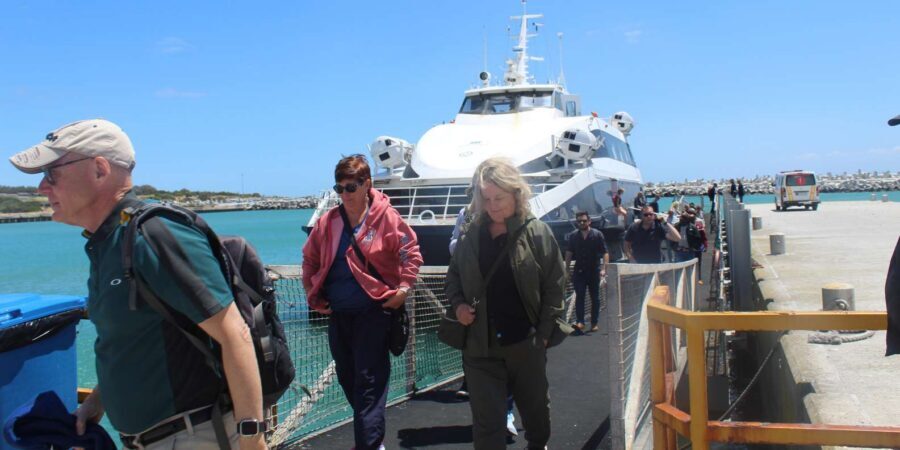
Once you’re checked in, you’ll head to the ferry. The crossing is about 30 minutes, and this is more than just transportation—it’s your first shift in mindset. From the water, you get a clearer sense of where the island sits off the coast, and you’ll likely see key Cape Town landmarks from angles you don’t get from land. On the way back, the ferry ride continues this “pause and look” feeling, especially with Table Mountain in view.
This matters because Robben Island is not a walk-around-everywhere kind of experience. It’s structured. The ferry framing helps you accept that the day is guided and timed, not freeform.
A few more Cape Town tours and experiences worth a look


Your guide matters more than the posters
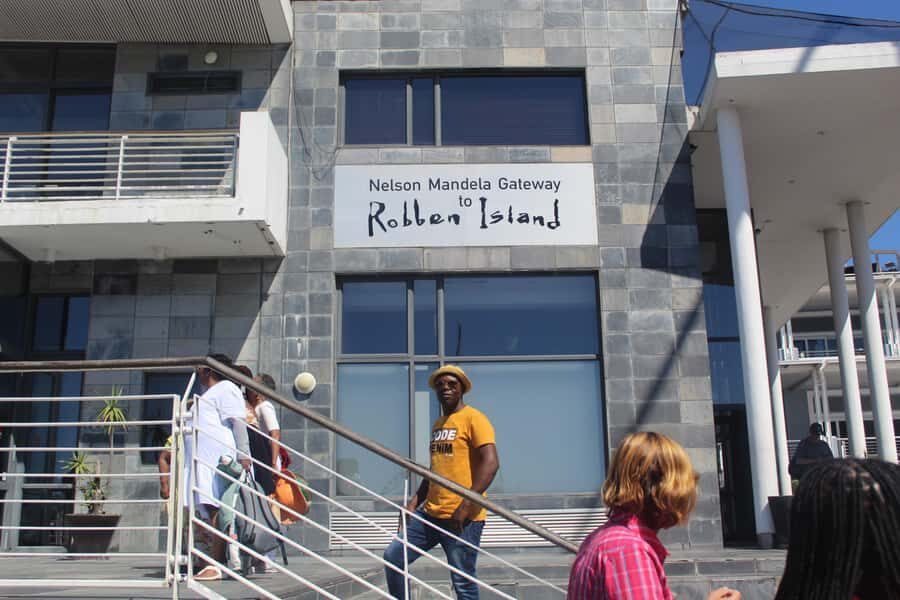
What makes this tour special is not only the sites—it’s the live guide, specifically a guide who can share firsthand life during apartheid as a former political prisoner. That changes the tone immediately. You’re not just hearing what happened. You’re hearing how it felt: routines, the logic of confinement, the push and pull of hope in a place built to restrict it.
In one report, people praised that the guides are actually ex-prisoners from the jail. That’s the kind of detail you want to hold onto when you’re deciding whether this is worth your time. A guided visit is usually helpful; here, it’s essential.
The downside of that strength is that you may notice the guide’s delivery gets compressed if the group schedule is tight. I’ve found that when time is squeezed, even strong guides can sound rushed—so keep this in mind and listen for the big ideas. The point isn’t to catch every fact like a lecture. The point is to understand what these places meant to people living under apartheid.
Inside the tour day: what each stop is really for
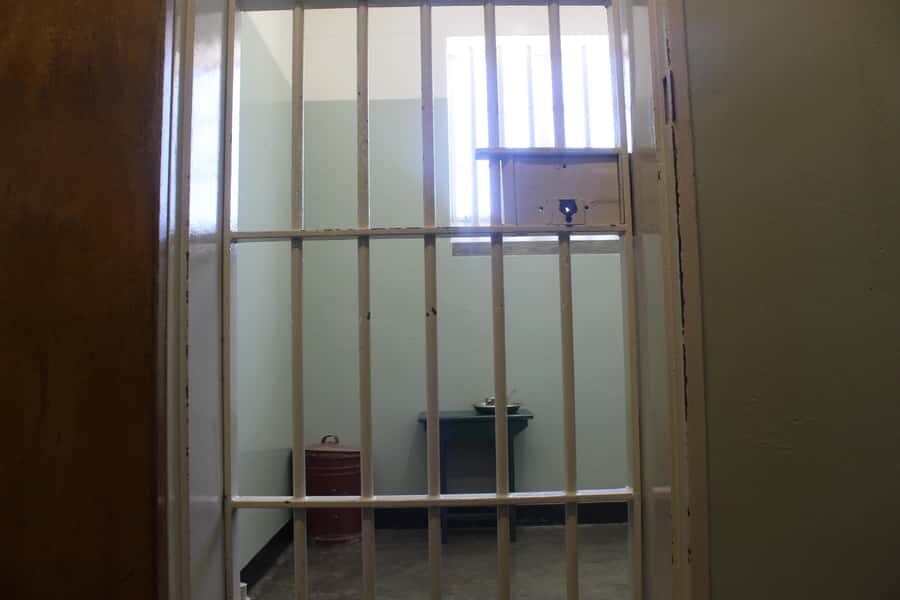
This is a 4-hour guided outing, so each part has a job. Here’s how to think about the stops so you know what to watch for.
Nelson Mandela Gateway and the ferry: your “before” moment
Before you step onto the island, you’re given the first sweep of context. This is when you want to get comfortable with the idea that you’ll be moving between locations on a set route. If you’re prone to seasickness, this ferry ride is exactly the kind of thing that can make the rest of the day unpleasant—so plan accordingly.
A simple trick: if you’re even slightly unsure, have a light jacket ready and stay near the area where you can look outward. Moving your attention from inside the boat to the horizon can help.
Leprosy graveyard: understanding the island’s layers
One of the stops is the leprosy graveyard. Even if you only take in the basic visuals, the stop is doing something important: it reminds you Robben Island wasn’t only a prison site. It carried other forms of stigma and isolation too.
When guides stop here, listen for the broader point they’re making—how South Africa used distance and labeling to control people and keep communities separate. It’s not about shock. It’s about system.
You can also read our reviews of more guided tours in Cape Town






Lime Quarry: the mechanics of forced labor
Next you’ll see Lime Quarry. This kind of location connects history to daily life in a direct way. Quarrying is physical work, repetitive, and punishing—so when you hear explanations here, try to imagine the constraints: time, supervision, the wear on bodies, the lack of control.
If you’re visually oriented, it helps to notice the scale and how space affects movement. That’s what a quarry site gives you: you can almost feel how labor shaped time.
Robert Sobukwe’s house: one person’s story in place
You’ll also visit Robert Sobukwe’s house. This stop shifts the focus from an anonymous system to specific leadership and specific repression. Sobukwe is tied to anti-apartheid history, and visiting a place associated with him helps you understand that resistance wasn’t abstract.
In a well-run tour, this is where the guide’s storytelling often lands hardest. Don’t rush through it—give yourself a minute to connect names to locations in your head.
Maximum security prison: the purpose of confinement
The tour then goes to the maximum security prison. This is where the island’s role as a place of maximum restriction becomes obvious. You’re not just seeing buildings; you’re seeing why the island was chosen and how control was enforced.
When you’re inside or looking at this area, pay attention to how tightly the prison functions would have worked. Think in terms of barriers, routes, and surveillance. This stop is less about scenic photos and more about reading the design like evidence.
Mandela’s prison cell: where the tour earns its weight
The peak of the visit is the stop at Nelson Mandela’s prison cell. This is the moment most people came for, and it tends to create a different pace among the group—quieter, slower, more still.
I like this part because it brings the whole day into focus. The ferry ride sets context. The earlier sites show the island’s multiple roles and the system’s machinery. Then Mandela’s cell ties the narrative to a single legacy you recognize from history books, speeches, and world headlines.
A practical note: if you’re the type who wants to take your time, don’t wait for the cell itself to slow you down. Use the earlier stops to absorb the story rhythm, so you’re not scrambling mentally when you reach the cell.
Pace, buses, and crowding: how to avoid feeling herded
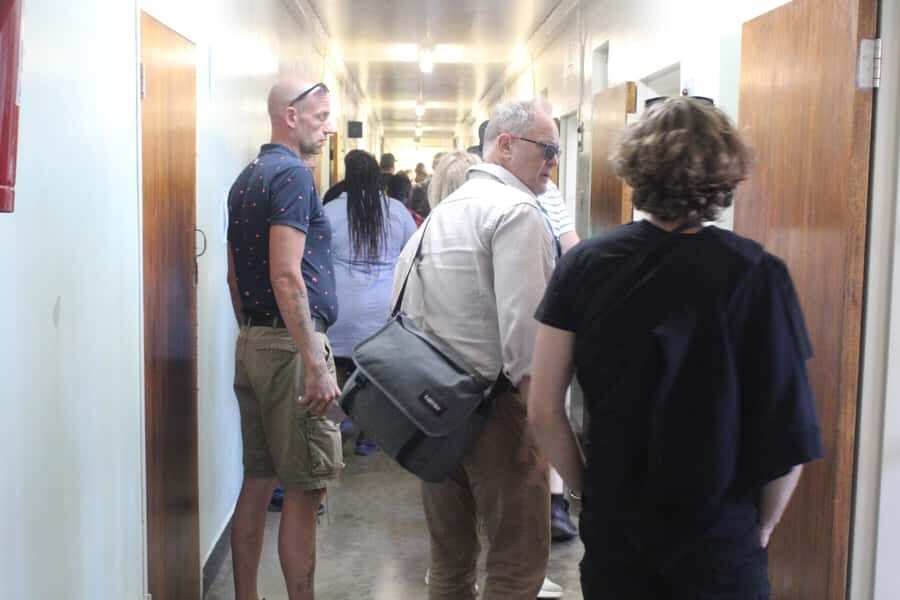
One of the caution points that shows up in real-world experience is pace. In at least one instance, the schedule was handled poorly: a 9 AM departure was canceled without notice, and the group had to reschedule. That kind of event doesn’t mean the tour is bad, but it does mean you should build in flexibility.
Another common issue with island tours like this is transport around the site. There can be overcrowding on buses for the drive portions. If you don’t get an aisle seat, your view can be blocked, and you may not be able to hop off when you want a closer look.
So here’s how I’d plan for that:
- Arrive early enough that you can get the best seating you can on the transport segments.
- Keep your “photo plan” simple. Pick one or two must-capture angles, not everything.
- Don’t treat the tour like a museum walk. Treat it like a moving story where the guide controls the timing.
If you’re sensitive to rushed explanations, slow yourself down anyway. You can do that by focusing on names and functions—Leprosy graveyard, Lime Quarry, Sobukwe’s house, maximum security prison, Mandela’s cell. When you collect those anchors, the speed feels less chaotic.
Price and value: is $74 a fair deal for 4 hours?
At about $74 per person for a 4-hour experience, you’re paying for three things: the ferry ride, the guided on-island portion, and the visit to specific sites you can’t really recreate on your own without careful planning.
Here’s the value logic I use for tours like this:
- If you want firsthand storytelling, the guide format is worth real money.
- If your time in Cape Town is limited, you’re buying convenience plus structure.
- If you’re aiming to see the Mandela-related cell and major island sites in one day, bundling the ferry makes sense.
What’s not included is food, so you’ll either need a pre- or post-meal plan around the tour time. Also, there’s no hotel pickup/drop-off, so you’ll be responsible for getting yourself to the V&A Waterfront.
If that fits your style, the price is easier to justify. If you hate structured tours and need full freedom to wander, you might find the fixed route frustrating. But for most people, the combination of ferry + sites + ex-prisoner guide is exactly why the ticket costs what it does.
What to bring and who should think twice
This trip is practical about essentials, and you should treat it that way.
Bring:
- Passport or ID card (you’ll need it)
- A jacket (the island and ferry can feel cooler than you expect)
- Comfortable clothes for walking and waiting
One more big factor: it’s not suitable for people prone to seasickness. Even if the crossing is only around 30 minutes each way, that can be the difference between a meaningful day and a misery-fueled one. If you’re unsure, plan for help from a medical professional before you go—or choose a different Cape Town activity.
Who will like it most:
- You want context and narration, not just sightseeing
- You care about apartheid-era history with human stakes
- You’re okay with a guided, timed experience and moving around the island
Who should be cautious:
- Anyone who panics in crowds or hates being rushed
- Anyone who is likely to feel ill on boats
- People who need total freedom to stop, start, and wander without a schedule
Should you book this Robben Island guided ferry tour?
I’d book it if your goal is to see Robben Island’s major sites with a guide who can speak with firsthand authority. The visit to Mandela’s cell, paired with places like Lime Quarry and Robert Sobukwe’s house, makes the tour feel coherent. The ferry rides also give you a break between the heavy stops.
I’d hesitate only if you know you struggle with group pacing, bus crowds, or schedule changes. If that’s you, go in with patience: pick your priorities, don’t overpack the day with other plans, and give yourself buffer time around departures.
If you want, tell me your travel dates and whether you’re prone to seasickness—I can help you plan the rest of your Cape Town day so this one lands at the right moment.
FAQ
How long is the Robben Island ferry ticket with guided tour?
The experience lasts 4 hours.
Where do I meet the group in Cape Town?
You meet at the Nelson Mandela Gateway to Robben Island at the V&A Waterfront, next to the Clocktower.
What’s included in the ticket price?
You get a live guide, the ferry ticket to Robben Island, and a guided tour of the island and prison.
Is there food included or will I need lunch?
Food and lunch are not included.
What should I bring with me?
Bring your passport or ID card, a jacket, and comfortable clothes.
Is the tour wheelchair accessible?
Yes, it is wheelchair accessible.
Is this tour suitable if I get seasick easily?
No. It is not suitable for people prone to seasickness.