REVIEW · GQEBERHA
Costal Hiking Sacramento Trail: Port Elizabeth
Book on GetYourGuide →Operated by RAWSON TOURING PTY LTD · Bookable on GetYourGuide
Salt air and cliffs make this coast hike different. You’ll get spectacular ocean views and shipwreck remnants on a guided 8km circular walk, with sea breezes turning the whole thing into a real reset. One thing to consider: guide depth can vary, so if you’re hoping for detailed nature commentary the experience may depend on who’s leading that day.
This is a moderate hike in the Eastern Cape’s Sardinia Bay area—built for people who want outdoors time without signing up for a full-day suffer-fest. Expect rocky shoreline, dune-top walking, fynbos, and regular chances to look out for seabirds, dolphins, and gannets, plus coastal wildflowers depending on the season.
In This Review
- Quick take: what makes this hike worth your time
- Ocean cliffs and shipwreck history, all on one guided loop
- Getting to the start in Port Elizabeth without wasting your morning
- On the trail: what the 8km circular walk feels like
- Sardinia Bay Marine Reserve: dolphins, gannets, and seabird noise
- Fynbos, wildflowers, and the science of tufa stromatolites
- Shipwreck reminders of the Sacramento: history you can walk around
- Guide pace and private-group comfort on a 5-hour day
- Price and value: is $52 a fair deal for this kind of hike?
- What to bring: simple gear that keeps the hike comfortable
- Who should book this Sacramento Coastal Hike
- Should you book this hike?
- FAQ
- Where does the Sacramento Coastal Hike take place?
- How long is the hike?
- How long is the route?
- Do I get pickup and drop-off?
- What’s included in the price?
- What should I bring?
- Is it suitable for wheelchair users or pregnancy?
- What animals or natural features might I see?
Quick take: what makes this hike worth your time

- An 8km circular route in Sardinia Bay with panoramic cliff views and varied ground.
- Historical Sacramento shipwreck clues you can actually trace on foot.
- Marine reserve wildlife sightings like dolphins and gannets when conditions line up.
- Tufa stromatolites, some of Earth’s oldest microbial life, if you time it right with the season and stop.
- Fynbos and seabird sounds that make the coast feel alive even when you’re standing still.
- Private guide + pickup from Port Elizabeth so you can spend more time hiking and less time figuring out logistics.
Ocean cliffs and shipwreck history, all on one guided loop
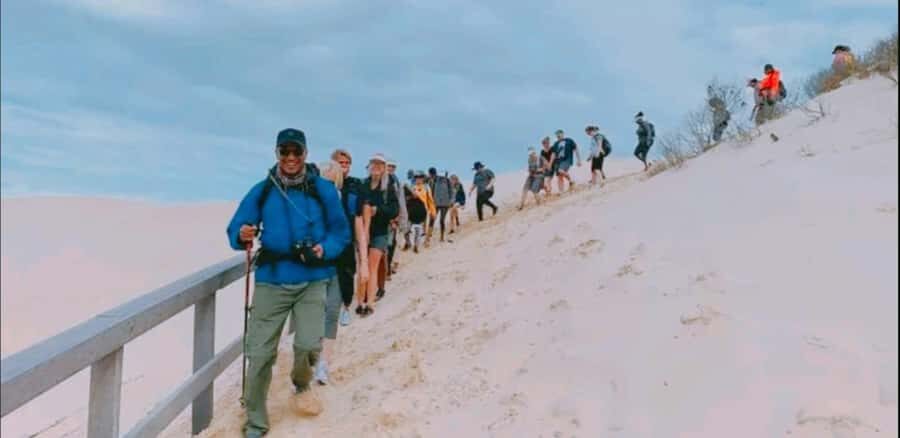
The best part of this hike is how quickly it switches gears. One moment you’re breathing in that crisp coastal air while waves crash below the cliffs. The next, you’re walking in the story of the Sacramento shipwreck—following the idea of the shipwreck survivors’ steps and seeing remnants from that maritime past.
The loop format matters too. Because it’s circular, you’re not retracing every single footstep. You’ll move through rocky shoreline areas and then climb or contour toward dune-top paths where the views usually open up wider.
If you like experiences that mix nature and history without turning into a lecture hall, this fits well. You’ll get a professional local guide sharing insights along the way, but you should also know that the “how talkative” factor can swing. One verified booking with a friendly guide named Frank reported that the pickup worked smoothly, while the guide’s information about the coastline and nature could have been deeper. So think of this as a guided walk with real scenery first, commentary second.
You can also read our reviews of more tours and experiences in Gqeberha.



Getting to the start in Port Elizabeth without wasting your morning
This is set up as a cruise-friendly or hotel-friendly shore outing. You’ll have complimentary pickup and drop-off from Port Elizabeth, and the tour runs with a live guide leading the walking portion.
Here’s how it typically feels time-wise. The total experience clocks in around 5 hours, but the actual hiking effort is more like 3–4 hours. That makes it a strong match if you want a meaningful leg-stretch on shore while still keeping a buffer for the rest of your day back in town.
You’ll also want to treat the drive like part of the day plan. Wear clothes that work both on the vehicle and outdoors. Coastal weather can shift fast, and you’ll be grateful for a hat and sunscreen once you step into the sun and sea breeze.
On the trail: what the 8km circular walk feels like
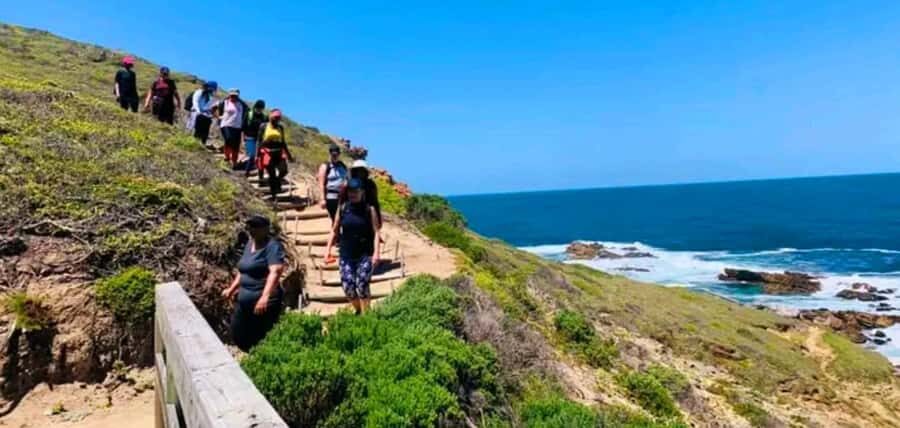
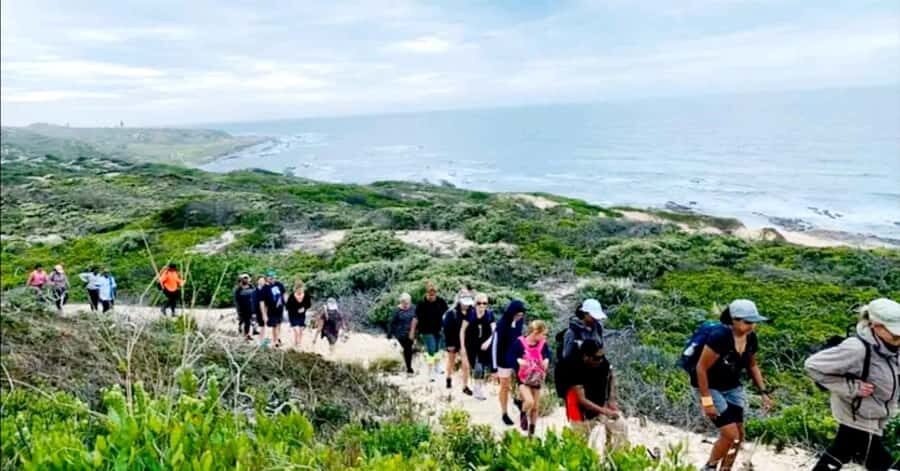
This is a moderate hike over about 8km. “Moderate” here translates to: you’ll walk long enough to feel accomplished, but it’s not described as an ultra-technical scramble. Still, it’s a coastal route, so expect uneven patches and rocky ground near the shoreline.
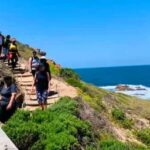
The route is designed to keep your eyes active. You’ll spend time looking out at the rugged coast—sparkling ocean in clear stretches, dramatic cliffs in others. Between those stops, listen for the rhythm of crashing waves and seabirds. Even when you’re not spotting wildlife, the soundscape helps you stay present.
A few terrain moments stand out in the description:
- Rocky shore areas where you might notice juvenile fish life along the edges.
- Panoramic dune-top paths where visibility tends to improve and the coast looks bigger.
- Coastal fynbos areas where wind threads through low plants and you can feel the climate change compared with inland hiking.
If you’re the type who likes to slow down for photos, this route gives you lots of natural “pause points.” Just remember that coastal paths can get slippery when conditions change, so keep your footing as the priority.
Sardinia Bay Marine Reserve: dolphins, gannets, and seabird noise
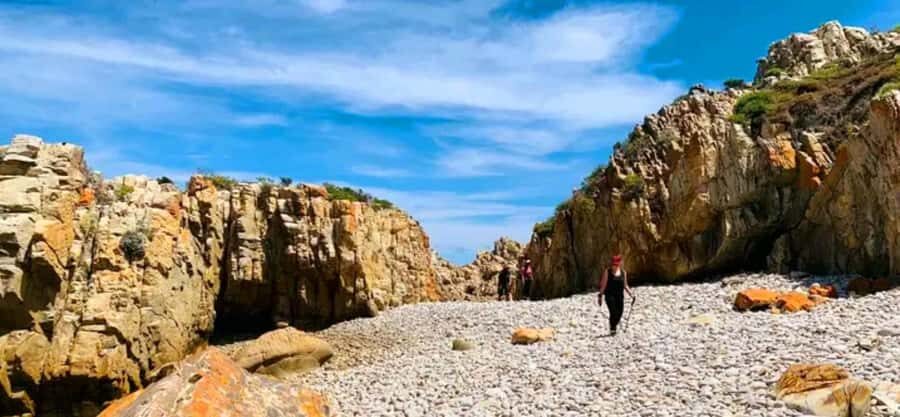
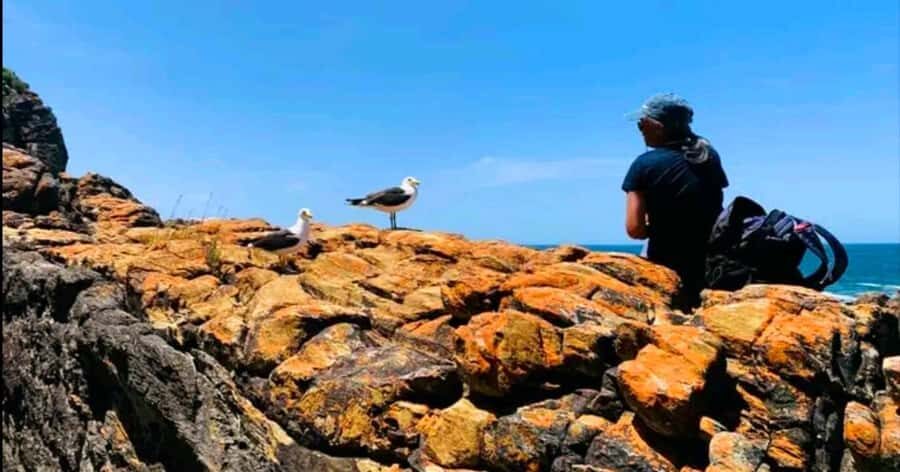
One reason to pick this hike is the wildlife potential that doesn’t require a safari vehicle. Sardinia Bay Marine Reserve sits close enough to the trail experience that you might spot:
- Dolphins playing offshore (depending on conditions and season)
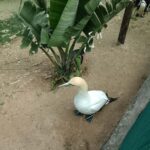
- Gannets soaring above the sea
- Seabirds calling as you move along the coast
Now, a reality check that helps you plan: you’re not guaranteed specific sightings. The tour description frames these as possible sightings, not a guaranteed zoo ticket. What you can rely on is the chance—built into the route—of seeing life tied to the ocean.
If dolphins and seabirds are your main reason for booking, bring a camera and actually use it at intervals, not just nonstop. The best sightings often show up when you’re watching the horizon for a few seconds longer than you think you need.
Also, the marine setting makes the hike feel different even when nothing is in the air. The ocean sound and the wind shift keep your attention moving, which is a big part of why coastal hikes can feel more energizing than inland trails.
Fynbos, wildflowers, and the science of tufa stromatolites
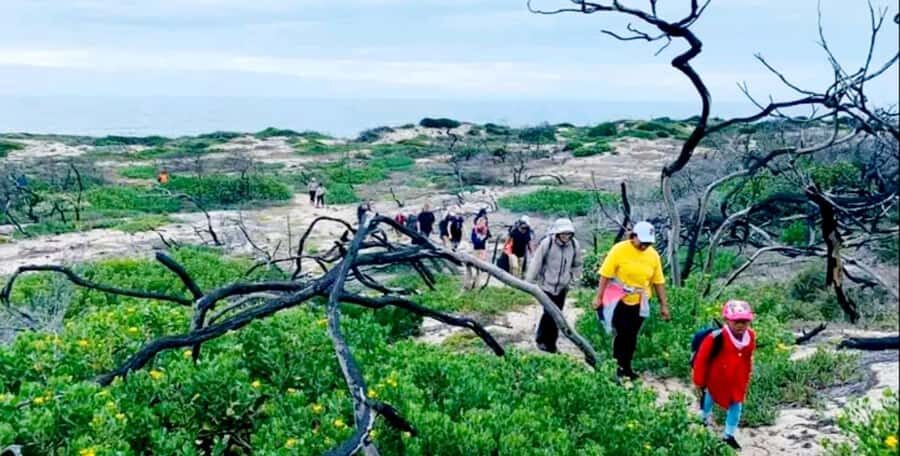
This is where the hike goes beyond pretty views. Depending on the season, you may see coastal wildflowers along the way. Even when blooms aren’t at their peak, fynbos shows up as that recognizable coastal plant life—wind-shaped, tough, and built for this environment.
Then there’s the science moment: tufa stromatolites. These are described as some of the oldest microbial life on Earth. That’s a fascinating contrast to the dramatic cliffs and shipwreck story. One part of the walk gives you human history; another part points to deep time.
So what should you do with this information? Treat it like a prompt to slow down at any designated viewing spot. Stromatolites aren’t something you’ll want to rush past on your way to the next viewpoint. If your guide shares details at that stop, listen closely. If your guide is quieter, you can still take the moment in for what it is: nature reminding you that the coast isn’t just scenery—it’s a living record.


Shipwreck reminders of the Sacramento: history you can walk around
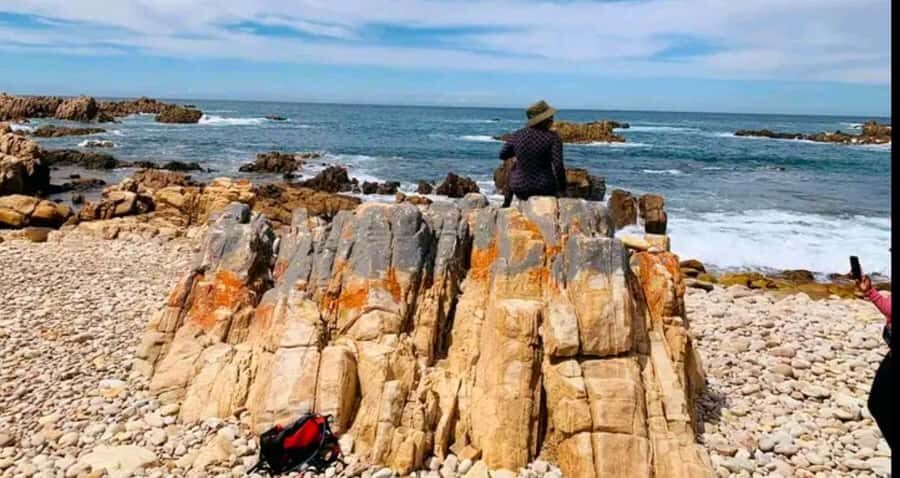
The Sacramento Coastal Hike ties the coast’s beauty to a maritime past. The tour focuses on shipwreck remnants connected to the Sacramento and invites you to trace the steps of shipwreck survivors through the coastal terrain.
That matters because it turns history into something physical. Instead of reading about it after the fact, you’re looking at the same kind of coastline where events unfolded. You’re also surrounded by the elements that made the coast so challenging—waves, wind, and rock.
Just be aware of the “guide variable” again. In one experience, a guide named Frank was described as friendly and organized for pickup, but he didn’t provide much information about the coastline and nature. That suggests that if shipwreck context is a big priority for you, you might want to pay attention to how interactive your guide is early on. If the commentary isn’t flowing, ask a question—about the Sacramento, about the features you’re seeing, or about how the coastline formed.
Guide pace and private-group comfort on a 5-hour day
This tour is a private group with a live guide in English, so you’re not stuck listening to a loud speaker or matching your pace to a big crowd.
Still, “private” doesn’t automatically mean “highly talkative.” Based on the feedback, guide energy can be different from day to day. One person felt the guide wasn’t especially motivated or chatty, yet they still rated the scenery as the standout reason to take the tour. Another felt the guide was friendly and pickup went well, but wished for more detail about nature.
How to work with that as a traveler? Two practical moves:
- Come prepared with one or two questions you genuinely care about (marine reserve wildlife, the shipwreck, fynbos, or stromatolites).
- Use your eyes as your main source. This is a scenery-first hike, and even a quieter guide won’t take that away.
If you want a more interactive style, you’ll likely enjoy a question-and-answer approach. Guides usually respond well to direct prompts.
Price and value: is $52 a fair deal for this kind of hike?
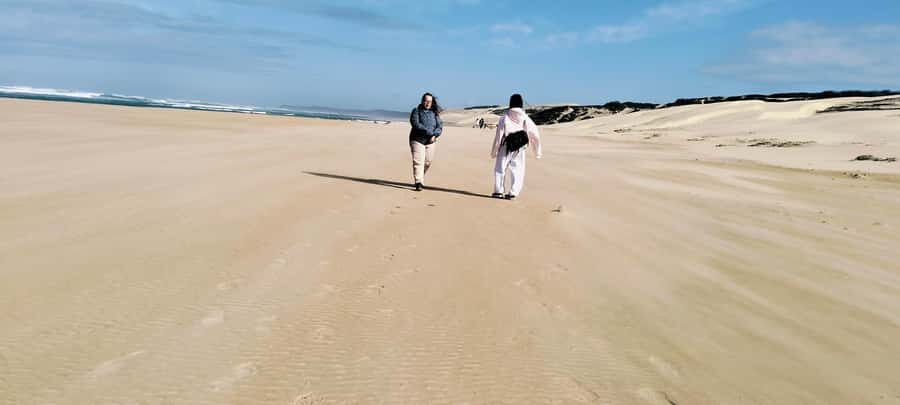
At $52 per person, the value depends on what you’re after. You’re paying for a guided moderate hike with live interpretation, plus hotel or cruise-area pickup and drop-off.
For many travelers, $52 feels reasonable because:
- You’re getting a structured route (8km circular) rather than guessing where to hike.
- You’re paying for a guide who can connect the coast’s views to specifics like shipwreck remnants, local flora and fauna, and stromatolites.
- You don’t have to solve transportation on your own from Port Elizabeth.
The one missing piece is meals and drinks. If you’re doing this as a shore excursion, plan on fueling yourself before and after. Bring water on the hike, because hydration is part of hiking value, not an optional extra.
If you’re mostly chasing dramatic views and don’t care much about commentary depth, you’ll likely feel satisfied. If you specifically want lots of detailed nature storytelling, you may want to treat the guide’s talk level as a wildcard.
What to bring: simple gear that keeps the hike comfortable
You can’t control the weather, but you can control how prepared you are. The tour recommends:
- Comfortable shoes (coastal terrain can be uneven)
- Hat and sunscreen (sea breezes don’t block sun)
- Camera
- Water
- Comfortable clothes
- Insect repellent
That’s a solid list. I’d also make sure you have a small daypack that doesn’t flop around when you’re walking along cliffs and dunes. Keep essentials accessible so you’re not constantly stopping.
And follow the rules:
- No smoking
- No littering
- No feeding animals
- No touching plants
These aren’t just “be nice” guidelines. Coastal fynbos is fragile, and touching plants can damage what’s already adapted to harsh conditions.
Who should book this Sacramento Coastal Hike
This fits best if you want an active shoreline experience from Port Elizabeth that includes both scenery and story. It’s aimed at:
- Cruise ship passengers looking for an active, enriching excursion
- Nature lovers and outdoor enthusiasts
- Moderately fit hikers who can handle about 8km and uneven coastal paths
It’s not suitable for wheelchair users, pregnant women, people with back problems, or anyone with animal allergies. If any of those apply to you, you’ll want to choose a different option.
Also, if you’re the type who gets restless on quiet tours, come with your own wildlife watching focus. Even with limited guide chatter, you’ll likely find plenty to look at—especially seabirds, cliffs, and the chance of marine reserve sightings.
Should you book this hike?
I’d book it if you’re prioritizing coastal views + shipwreck remnants over a long, classroom-style explanation. The mix of an 8km circular route, Sardinia Bay Marine Reserve wildlife potential, fynbos, and that tufa stromatolite stop makes it feel more varied than a typical coast walk.
I’d think twice if your personal dream hike is mostly about detailed nature lecturing. One verified experience described the guide as friendly but not giving much coastal or nature information, and another described a guide as less motivated and chatty. Since that can vary, set your expectations accordingly: let the scenery do the heavy lifting.
If that sounds like your kind of day, this is a strong choice from Port Elizabeth.
FAQ
Where does the Sacramento Coastal Hike take place?
It’s in the Eastern Cape, South Africa, around the Sardinia Bay area near Port Elizabeth.
How long is the hike?
The full experience is about 5 hours, with the walking effort described as a 3–4 hour journey.
How long is the route?
It’s an 8km circular hike.
Do I get pickup and drop-off?
Yes. You’ll get complimentary pickup and drop-off from your cruise ship area in Port Elizabeth.
What’s included in the price?
A live tour guide and hotel pick-up are included.
What should I bring?
Bring comfortable shoes, a hat, sunscreen, a camera, water, comfortable clothes, and insect repellent.
Is it suitable for wheelchair users or pregnancy?
No. The tour is not suitable for wheelchair users, pregnant women, or people with back problems. It’s also not suitable for those with animal allergies.
What animals or natural features might I see?
You may see dolphins, gannets, seabirds, juvenile fish near rocky shores, seasonal coastal wildflowers, and tufa stromatolites.