REVIEW · GQEBERHA
Port Elizabeth : Full-Day Addo Elephant Park Wildlife Tour
Book on GetYourGuide →Operated by RAWSON TOURING PTY LTD · Bookable on GetYourGuide
Elephants feel close in Addo Elephant National Park. This full-day wildlife drive from Port Elizabeth is all about tracking animals in a malaria-free setting, with a realistic shot at Big Five encounters.
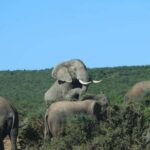
What I liked most: you spend the day focused on large game, including over 600 elephants, instead of doing quick pass-by photo stops. I also love that the lunch happens right inside the park, so you keep the safari rhythm and don’t lose half your day to traffic.
One thing to consider: it’s not suitable for pregnant women, and lunch options may be limited for special diets. If you have dietary needs, you’ll want to communicate them ahead of time.
In This Review
- Key highlights worth planning for
- Addo From Port Elizabeth: Free Pickup and a Malaria-Free Safari Day
- Entering Addo Elephant National Park: A Recovery Story You’ll Actually See
- The Big Five in Reach: What You’ll Really Be Looking For
- Game Drive Rhythm: Thicket to Plains, and Why It Helps
- Lunch Inside Addo: Good Food, Real Break, No Safari Pause Panic
- Comfort and Safety: Air-Conditioned, Small-Group Feel
- How Guides Make the Difference on Safari
- Price and Value: Is $156 Worth It?
- Who This Tour Suits Best (and Who Should Rethink It)
- Photography and Sighting Tips That Actually Help
- Should You Book This Port Elizabeth to Addo Safari?
- FAQ
- Is this tour really a full-day experience?
- Do you provide pickup and drop-off from Port Elizabeth?
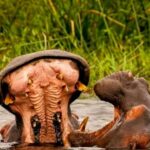
- What animals can I hope to see?
- Is malaria a concern on this route?
- Is lunch included?
- What’s included in the price?
- What language are the guides?
- Is the tour suitable for pregnant women?
- How much does it cost?
Key highlights worth planning for
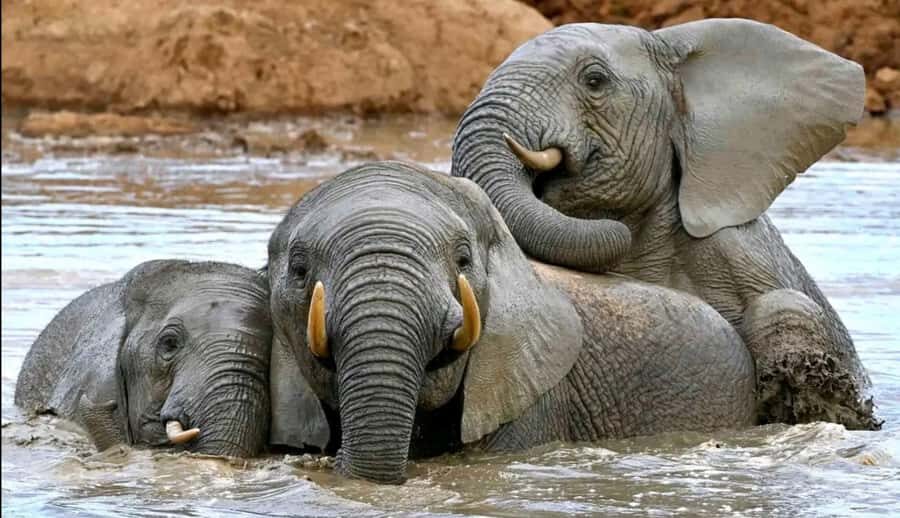
- Over 600 elephants and frequent elephant viewing at watering holes
- Big Five chances with close viewing possibilities for multiple species
- Local, professional guides who help you read animal behavior and movements
- Lunch inside Addo so the day stays safari-paced
- Small-group feel (often up to 3 people) with comfort such as air-conditioning
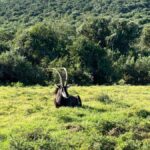
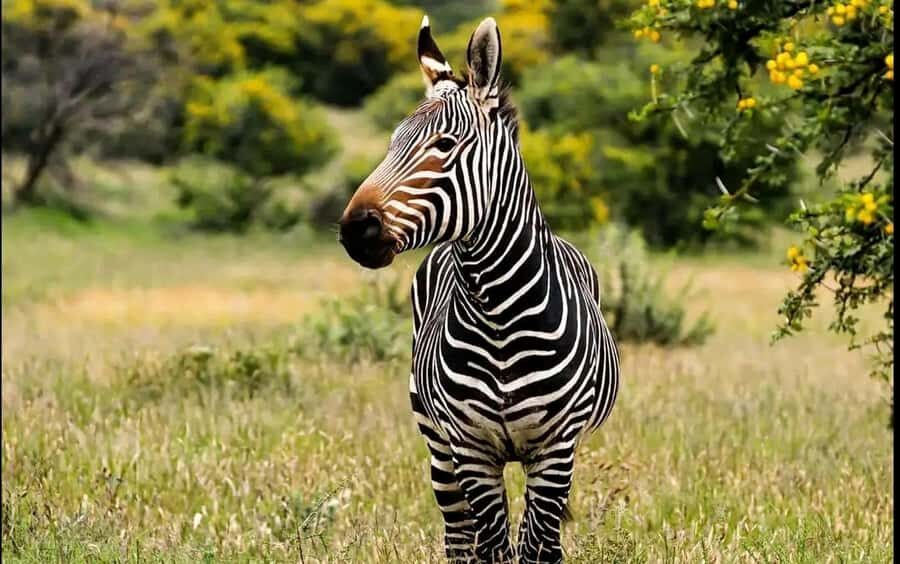
- Big-game variety beyond elephants: zebra, antelope, black rhino, Cape buffalo, and possible leopard
Addo From Port Elizabeth: Free Pickup and a Malaria-Free Safari Day
This is one of those “good planning, less hassle” day trips. You start with a free pickup from your accommodation around Port Elizabeth and then ride out in a comfortable vehicle with air-conditioning. That matters in the Eastern Cape, where the day can go from warm to hot fast.
Once you’re on the way, the big win is that Addo is described as malaria-free, which removes a whole layer of stress for many travelers. You still dress for sun and long sighting sessions, but you don’t have to build your trip around malaria logistics.
The tour is clearly built for a full day in the park, not a rushed checklist. Your guide keeps you moving across different areas of Addo to improve your chances of seeing more wildlife as the day changes.
A few more Gqeberha tours and experiences worth a look


Entering Addo Elephant National Park: A Recovery Story You’ll Actually See
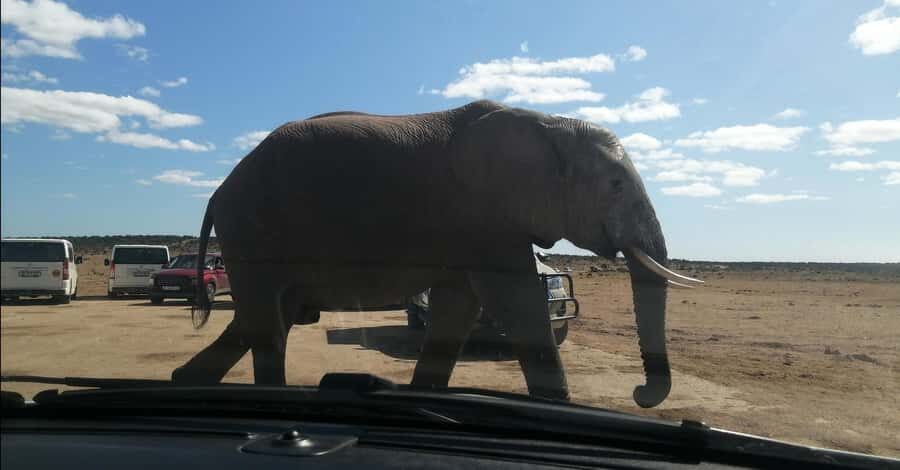
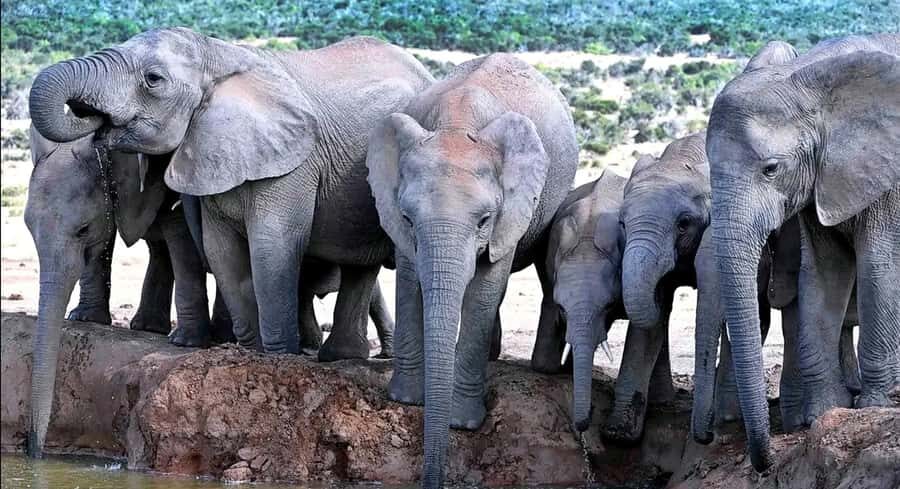
Addo Elephant National Park has a powerful origin story that’s worth knowing before you start scanning the brush for elephants. The park’s first section was proclaimed when there were only 11 elephants left around 1931. Seeing the modern numbers—over 600 elephants—isn’t just impressive. It’s proof that conservation can work when people commit to it.
That history also explains why elephant encounters are the center of the experience. In Addo, elephants aren’t background animals. They’re often the main act: feeding, moving along paths, drinking, and shaping how other animals behave around them.
And here’s a practical takeaway for you: when elephants are plentiful, the park’s ecology feels alive. You’re more likely to find tracks, fresh browsing signs, birds feeding around larger mammals, and animals shifting positions throughout the day. It makes the “search” part of safari feel rewarding, not random.
The Big Five in Reach: What You’ll Really Be Looking For
Addo is known for Big Five possibilities, and the tour sets you up to try for multiple species during the day. Just keep your expectations grounded: wildlife sightings are never guaranteed, but the guide’s job is to put you in the right place and then interpret what you’re seeing.
Here’s the practical wildlife mix you can watch for:
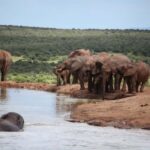
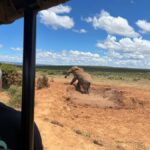
- Elephants: usually the most reliable sightings, often at watering holes
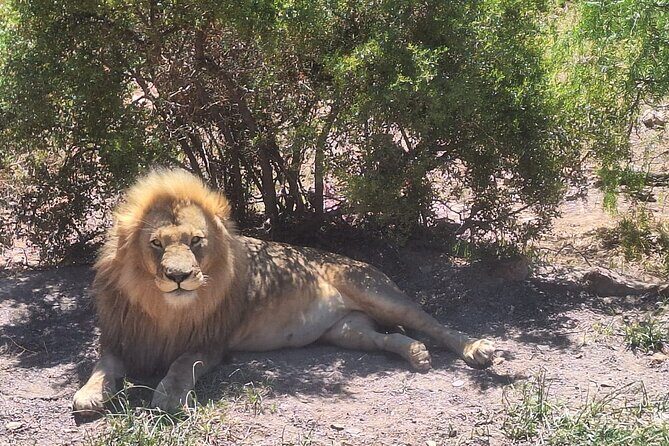
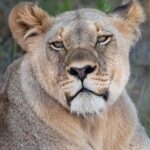
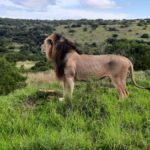
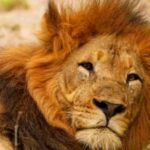
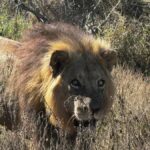
- Lions: you might spot them basking in the sun
- Black rhinos: possible, but they tend to be harder to find
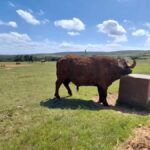
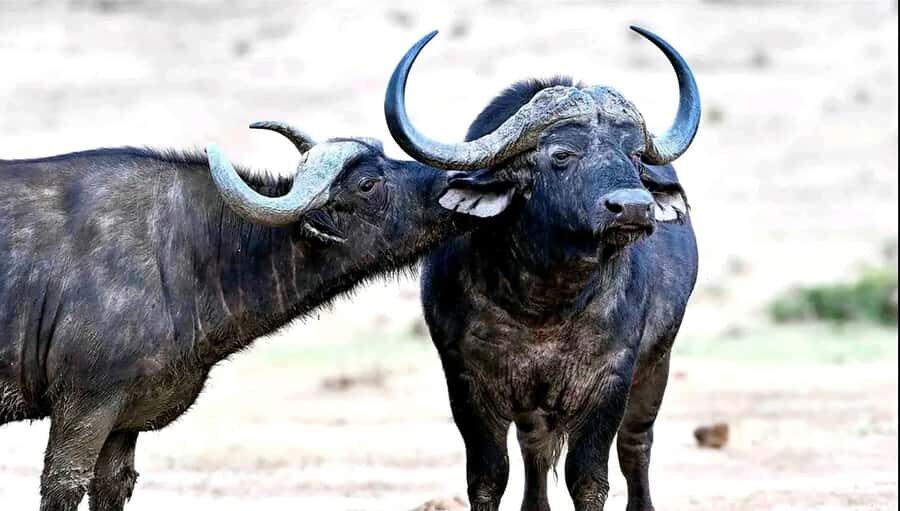
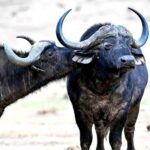
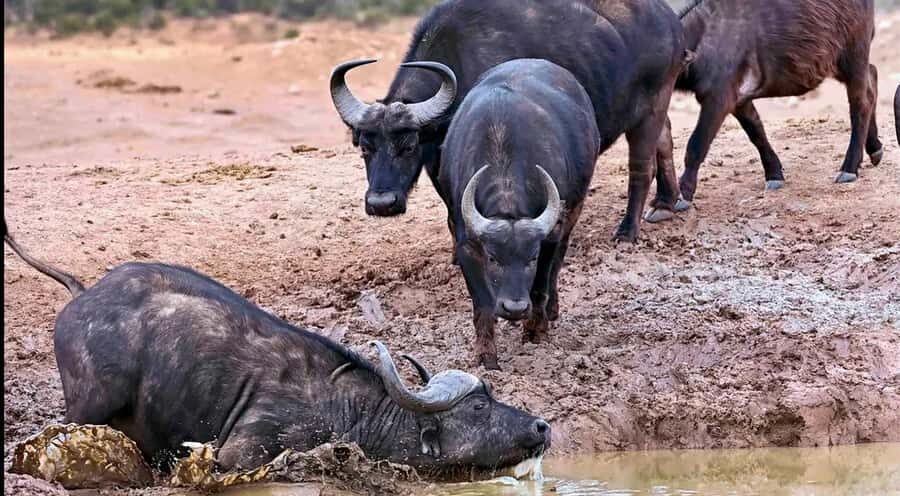
- Cape buffalo: commonly seen in groups
- Leopard: possible, but described as more secretive, so it can take patience
This is a helpful way to plan your day. If you come to Addo hoping for one guaranteed “moment,” you might miss the bigger point. The value here is that your time is spent actively looking, with a guide who understands how animal patterns change through the day.
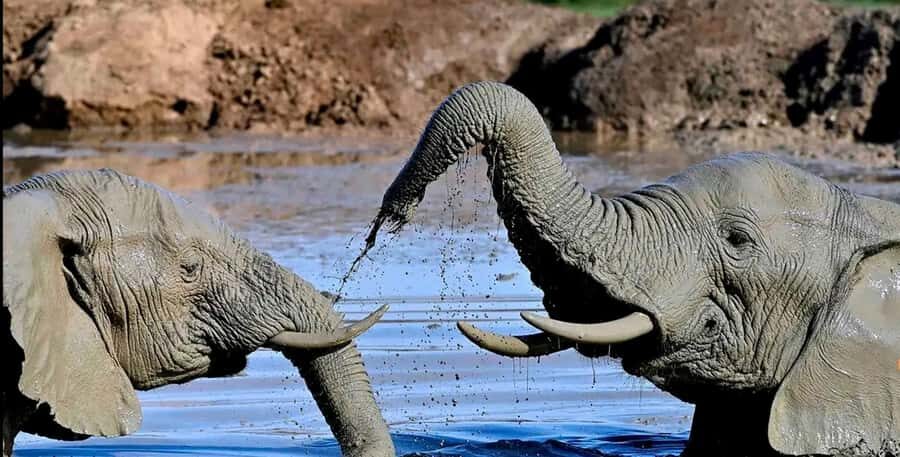
Also, elephant viewing in particular is often more than just spotting a herd. You’ll get the chance to observe behavior—how they pause, where they choose to feed, how they use their routes, and how other animals react when elephants are near.
Game Drive Rhythm: Thicket to Plains, and Why It Helps
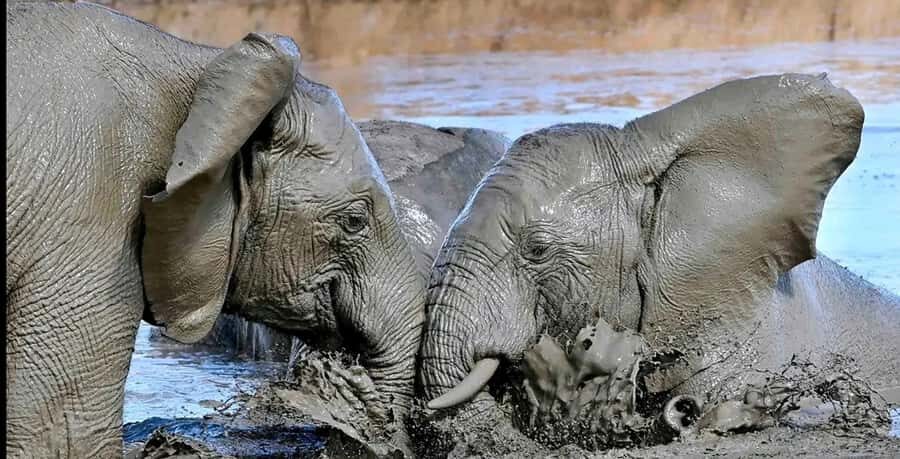
Your day is built around a guided game drive deep in the park. What makes this effective is that Addo has different habitat types—dense thicket to more open spaces. That variety matters because animals use different cover depending on temperature, time of day, and safety.
So instead of driving in one “generic” area all day, you’re moving between sections and ecosystems. That improves your odds of seeing both animals that stay hidden in cover and animals that are easier to spot in open terrain.
There’s also a classic safari pattern to how the guide works. Early on, you’ll search and scan for sightings. Then, as the day moves toward midday, you stop for lunch in the park. After lunch, you continue game viewing with more time to cover additional areas.
One small detail I really liked from the experience descriptions: you may even get the chance to step out briefly to take in views of the park’s size. It’s not constant, but it’s a nice reminder that you’re in an actual protected wilderness system, not a zoo-like circuit.
Lunch Inside Addo: Good Food, Real Break, No Safari Pause Panic
Lunch is served inside the park during a short break. This is one of those “small logistics” choices that can make or break a full-day safari.
Because lunch happens inside Addo, you don’t lose your best daylight hours to getting in and out of town. You also keep the safari mood going. You eat, rest a bit, and then jump back into viewing with fresh eyes.
From what’s described, lunch includes food and drinks, and it’s considered good quality with reasonable pricing relative to what you’d expect on a safari day. If you have special dietary requirements, the tour asks that you communicate them when you book.
Important practical note: special lunch needs are not provided by the company, so don’t assume you can order a custom meal like you would at a restaurant. If you’re on a strict diet, plan carefully and confirm what can and cannot be accommodated.
A few more Gqeberha tours and experiences worth a look
Comfort and Safety: Air-Conditioned, Small-Group Feel
A full-day safari can be tiring. That’s why vehicle comfort is more than a luxury. You’ll be in your car a lot, scanning for movement, watching for cues from the guide, and waiting when animals are simply… being elephants.
This tour is set up with an air-conditioned vehicle. That helps on warm days and also means you’ll arrive at your first viewing point feeling more human.
Group size is also part of the value. The experience is designed for a maximum of 3 people, which typically means a quieter, more personal feel than large tour groups. That said, one reported setup involved an air-conditioned private-car experience with 4 people, so real-world group configurations can vary. Either way, it’s not the “herd bus” style.
And safety-wise, the experience descriptions emphasize that pickup and transport feel organized and comfortable, with you being taken safely into the park and returned to Port Elizabeth at the end of the day.
How Guides Make the Difference on Safari

A good guide doesn’t just point. They help you understand. You’re not only looking for animals; you’re learning what makes them visible, where they move, and how they behave when conditions change.
The tour’s local guides provide insights into:
- park history and conservation efforts
- how animals behave
- what you’re likely to see as the day progresses
There’s also a practical advantage tied to how guides communicate. One experience notes that the driver was well connected with others, and information about where animals were located was shared. That kind of coordination can cut down wasted time, especially when animals are spread out.
What you should do as a traveler is simple: follow the guide’s direction early. If they stop and you’re unsure why, ask or watch for the cues they mention. It often turns a random roadside sighting into a real “I get it now” wildlife moment.
Price and Value: Is $156 Worth It?
At $156 per person, this is not a budget activity. But safari pricing often reflects more than just the vehicle. You’re paying for park access, guided driving, and a whole day of trained spotting and interpretation.
Here’s where the value feels strongest:
- Park entrance fee is included, which removes one common “surprise” cost.
- You get free pickup and drop-off from around Port Elizabeth.
- The day is structured to maximize viewing time, including lunch inside the park, so you get more safari hours for your money.
If you’re traveling as a couple or a small group, small-group setups can also make the experience feel more efficient. You’re not competing with a crowd for sighting time, and the guide can focus attention better.
So, is it worth it? For me, it’s a yes if you want a guided day that’s built around actual wildlife time and elephant-focused chances, not just a drive through the park gates. If you’re trying to minimize cost above all else, then you might consider cheaper self-drive options. But that’s a different kind of trip.
Who This Tour Suits Best (and Who Should Rethink It)
This works well for:
- Families who want a guided day with consistent viewing opportunities
- Couples and friends who appreciate small groups and a comfortable vehicle
- Nature lovers who want a professional guide explaining behavior, not just sightings
- Photographers who want help finding animals and understanding where to look
It’s less ideal if:
- you need the tour to accommodate special lunch dietary requirements beyond what’s communicated ahead of time
- you’re pregnant, since the tour isn’t suitable for pregnant women
- you want a totally independent, self-paced day (this is guided and structured)
If you’ve never been on a safari before, you’ll likely find this an accessible way to see the park in a manageable time frame. A full day also means you get multiple chances to see animals, since behavior changes over time.
Photography and Sighting Tips That Actually Help
You can’t control wildlife, but you can control your readiness. Here are practical things that fit the way Addo game drives are run:
- Keep your camera settings ready before the guide calls a stop. You don’t want to be fumbling while an animal is in view.
- For elephant sightings, focus on watering holes areas when the guide indicates they’re active. That’s where elephant viewing often concentrates.
- Watch for “behavior tells”: animals moving slowly, herd lines changing direction, and birds reacting to larger animals.
- Be patient with the less predictable species. Leopards are described as secretive, and rhinos can be elusive. Long looks are part of the deal.
- Dress for sun and long sitting time in the vehicle. Even with air-conditioning in transit, you’ll spend time out of the seat scanning.
Should You Book This Port Elizabeth to Addo Safari?
I’d book this if you want a guided, full-day Addo Elephant National Park experience with a strong elephant focus, plus a real attempt at Big Five sightings. The combination of free Port Elizabeth pickup, air-conditioned comfort, lunch inside the park, and a guide who explains animal behavior makes it feel like money spent on time and expertise, not just transportation.
Skip it or reconsider if you’re looking for guaranteed leopard or black rhino sightings, or if your dietary needs require a custom lunch you’re not sure the provider can supply. Also, the pregnant-women restriction is clear, so don’t try to force it.
If you’re ready for a long but rewarding wildlife day, this tour has the right ingredients: comfort, guiding, and serious elephant country.
FAQ
Is this tour really a full-day experience?
Yes. It’s described as a full-day Addo Elephant Park wildlife tour with a game drive and a lunch break inside the park.
Do you provide pickup and drop-off from Port Elizabeth?
Yes. There is free pickup around Port Elizabeth and a drop-off back in Port Elizabeth.
What animals can I hope to see?
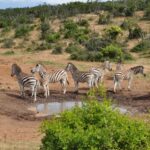
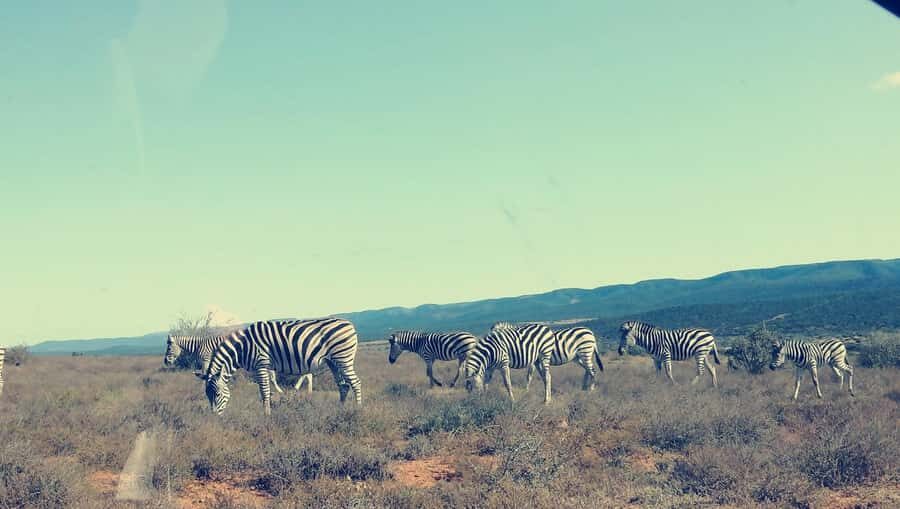
The tour highlights elephants in great numbers (over 600) and possible Big Five sightings, including elephants, lions, black rhinos, Cape buffalo, and (if you’re lucky) leopard. You may also see zebra, antelope species, and a variety of birds.
Is malaria a concern on this route?
The park is described as malaria-free.
Is lunch included?
Lunch is included as a short break inside the park. The description says special dietary requirements should be communicated when booking, but special lunch needs are not provided by the company.
What’s included in the price?
Included are Port Elizabeth pickup and drop-off, the lunch break, and the Addo National Park entrance fee.
What language are the guides?
The tour language is English.
Is the tour suitable for pregnant women?
No, it’s not suitable for pregnant women.
How much does it cost?
The price is listed as $156 per person.