REVIEW · GQEBERHA
Addo: Game Drive in Addo Elephant National Park Private
Book on GetYourGuide →Operated by Aza Addo Transfers and Tourism · Bookable on GetYourGuide
Elephants steal the show in Addo. This private 8-hour game drive focuses on wildlife around famous waterholes, with chances to spot the Big Five and even roll into Algoa Bay for whale and shark viewing opportunities.
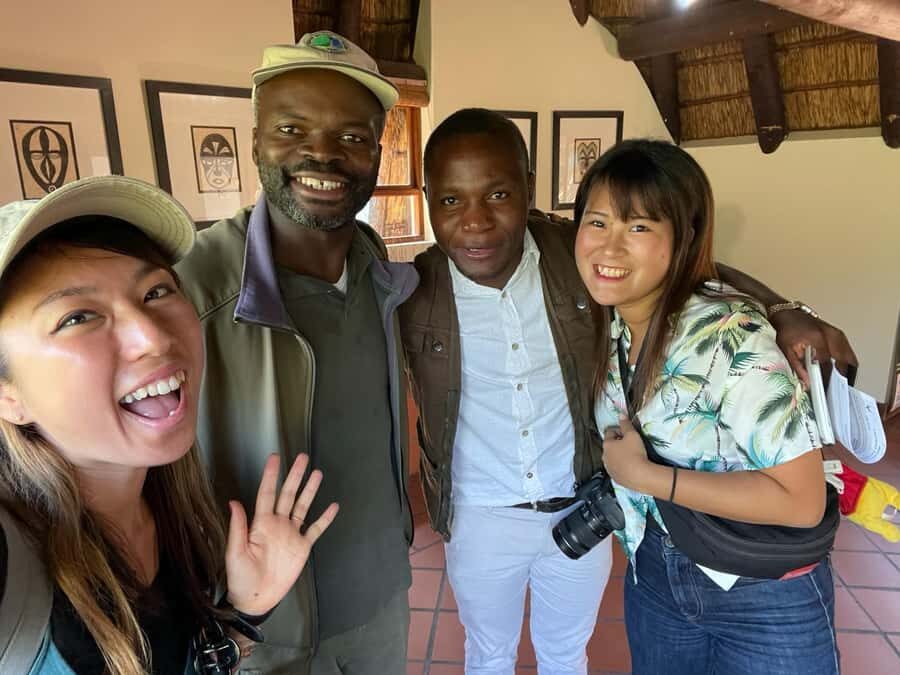
I like two things a lot: the elephant-centered park experience and the way the day is built for actual wildlife time, not rushed checklists. In my notes, guides such as Alan are a big reason it works—he’s the type who explains what you’re seeing and keeps you asking questions.
One consideration: Addo is truly an elephant stronghold, so if your priority is seeing all of the Big Five in a single day, you may leave with elephants first and only partial Big Five chances. Also, at $270 per person, it’s not the cheapest safari option, so it pays to be clear about what you want to see.
In This Review
- Key things to know before you go
- Elephant-first wildlife: what Addo does best
- The 8-hour plan: pickup, park drive, and your day’s rhythm
- Addo Elephant National Park: waterholes, sightings, and spotting smarter
- The BBQ lunch break: comfort, fuel, and why it’s worth it
- Algoa Bay add-on: southern right whales and white shark chances
- Price and value: what $270 per person is buying
- Who should book this Addo private game drive
- Practical packing list and on-the-day rules
- Final call: should you book this Addo game drive?
- FAQ
- How long is the Addo private game drive experience?
- What’s included in the price?
- Where are the pickup and drop-off locations?
- Is there a live guide, and what language do they speak?
- What animals can I expect to look for?
- Is Algoa Bay included, and what wildlife might I see?
- What should I bring for the safari day?
- Are there any rules on what’s not allowed?
- Can I cancel and get a refund?
Key things to know before you go
- Private group with English live guiding so you get focused eyes on the animals, not a packed herd of strangers
- 8 hours on the ground with structured stops for breaks, sightseeing, and a park lunch with a BBQ setup
- Elephant waterholes are the star of the show in Addo Elephant National Park
- Big Five sightings are possible, but not guaranteed the way you might imagine in a big, spread-out savanna
- Algoa Bay adds ocean wildlife chances for southern right whales and white sharks (season and luck matter)
- Multi-city pickup and drop-off from Addo, Kariega, Port Elizabeth, or Jeffreys Bay
Elephant-first wildlife: what Addo does best
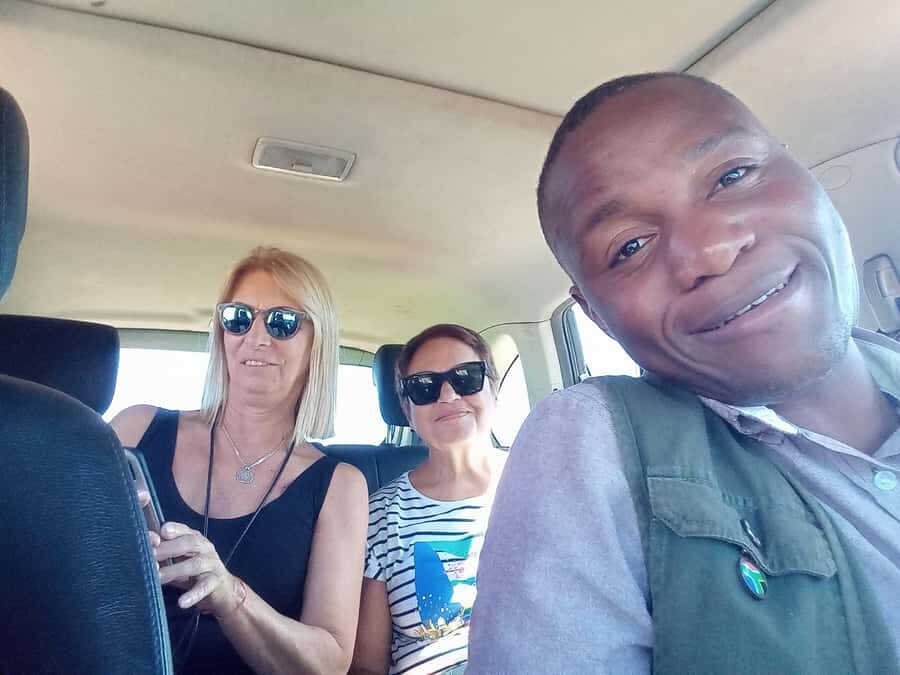
Addo Elephant National Park has a simple reputation: it’s one of South Africa’s great places to see elephants close up. When you choose a game drive here, you’re not just buying a generic safari ticket—you’re choosing a park where elephants are the main story, and the rest of the wildlife shows up around them.
The other big value is learning as you go. On a good day, your guide helps you connect the dots: what the animals are doing, why they’re near water, and what tracks or behavior can tell you before you spot the animal itself. In the Addo-focused experience you’re considering, you’ll be doing exactly that kind of guided wildlife scanning.
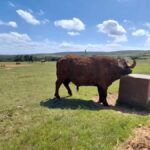
Now, the Big Five wording is worth understanding. You can look for the Big Five—elephants, lions, leopards, rhinos, and buffalo—but Addo’s “elephant specialization” means elephants are the most reliable target. If your Big Five goal is total, fast, and guaranteed, you may find this park is more about memorable elephant encounters than a guaranteed full-card checklist.
You can also read our reviews of more private tours in Gqeberha
The 8-hour plan: pickup, park drive, and your day’s rhythm
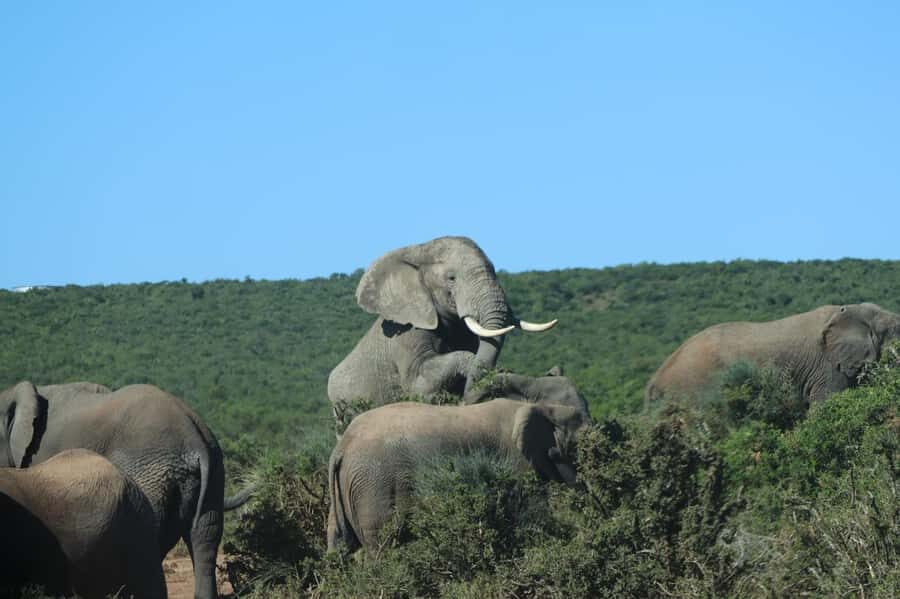
This is set up as a full day with a clear flow: pickup, then time inside Addo for game driving, guided stops, and lunch, with a chance to add Algoa Bay near the coast before you finish.
You’ll get one of four pickup options—Addo, Kariega, Port Elizabeth, or Jeffreys Bay—and you’ll return to one of those same areas at the end. That matters because you’re not spending half the day figuring out transport links. It also keeps the experience feeling intentional: you start the safari already in motion, rather than assembling logistics on the ground.
The day runs for about 8 hours, and you’re advised to arrive 15 minutes before your scheduled start time. That’s not just “be on time” etiquette. In real safari rhythm, you want your first scanning window to be clean and unhurried, especially when animals are near waterholes and you’re waiting for them to move.
Because it’s a private group, the pace can work better for you. If you want more time at a waterhole, you can spend time at a waterhole. If you’d rather keep moving between sightings, you’ll be able to do that too. It’s a small difference, but it can change how much you actually see.
Addo Elephant National Park: waterholes, sightings, and spotting smarter
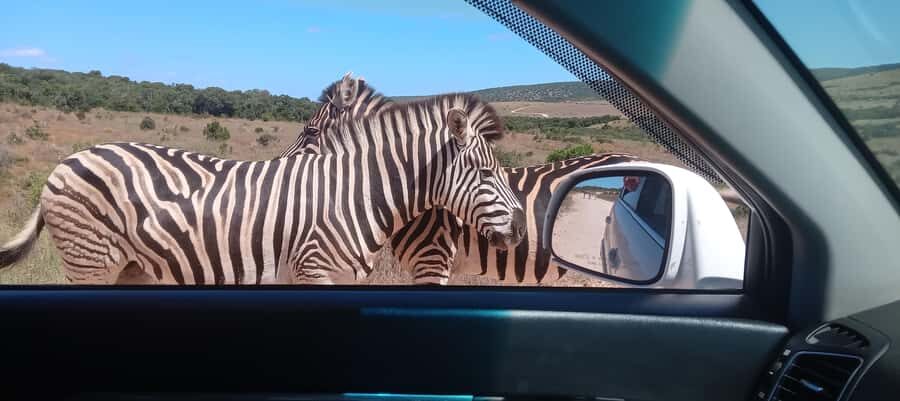
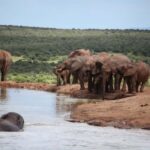
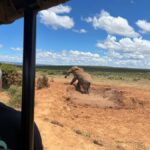
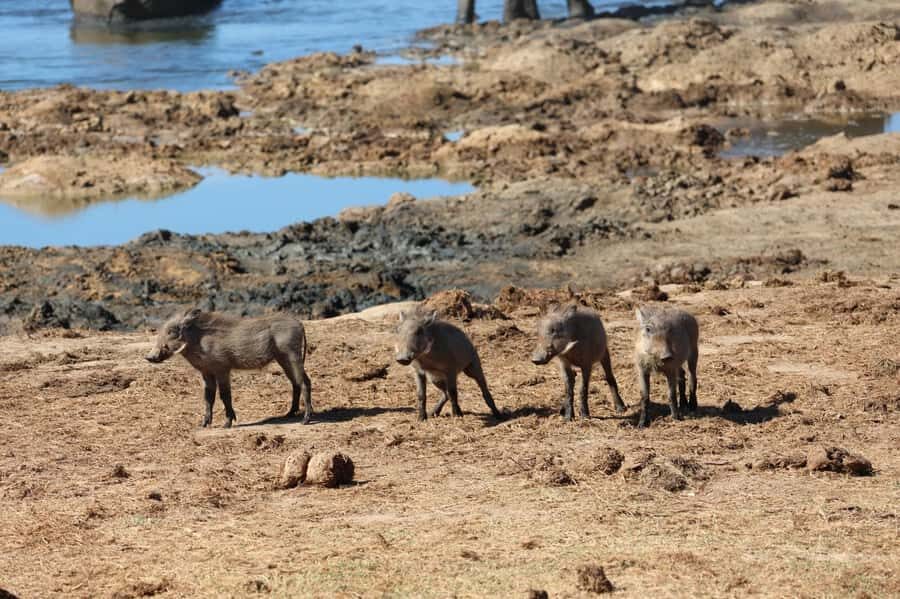
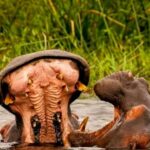
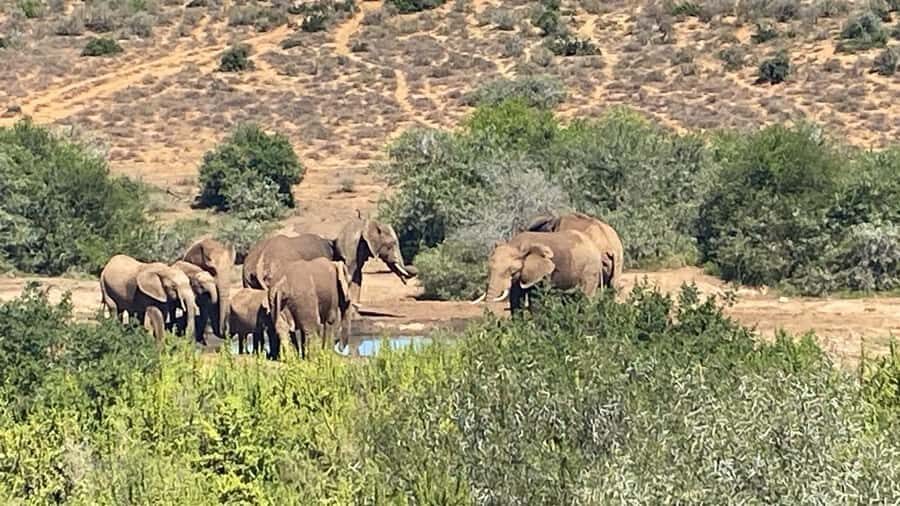
In Addo, waterholes are where a lot of the action happens. Elephants use them, and once elephants are in the picture, other animals may show up too—sometimes because of the water, sometimes because of the broader ecosystem cues.
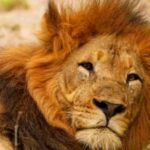
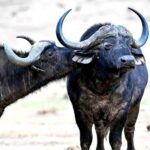
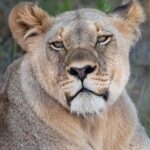
Your guided game drive is designed around that reality: you’ll spend time searching, then settle when the right sign shows up. That’s where the best experiences come from, because you stop “wandering” and start observing. You’re looking for elephants and other wildlife such as lions and leopards, and you may also encounter buffalo and rhinos depending on the day.
One practical tip I’d follow: keep your camera ready, but don’t spend every minute staring through a lens. Elephants can move in slow, convincing ways. If you only watch through a viewfinder, you can miss the small behavior changes—ears flicking, head turns, and the moment an animal commits to moving.
Addo’s guides are also key to making sense of what you’re seeing. People remember one great sighting, but they remember it longer when they understand it. With an English live guide, you’re getting explanations in real time, and that often turns a standard “I saw an elephant” moment into “I know what that behavior means.”
One more reason this park-style approach feels special: sometimes ranger activity intersects with wildlife at waterholes. In at least one case, a ranger team was involved in the rescue of a young elephant from a water area. Even if you can’t plan for that, it’s a reminder that waterholes aren’t just scenery—they’re working wildlife hubs.
The BBQ lunch break: comfort, fuel, and why it’s worth it
Safari days can either be exhausting or enjoyable, depending on how food and breaks are handled. In this experience, lunch is included, and it includes a BBQ-style stop during the day.
Why that matters: the middle of the safari is when people start thinking about timing more than wildlife. A proper break helps you reset your focus. You’ll get that pause in the natural setting of the park, which keeps the day from feeling like a long squeeze between “before” and “after.”
Also, a guide-led day usually means the lunch stop is placed strategically. Instead of grabbing food and leaving immediately, you can rest while still staying part of the safari rhythm. It’s the kind of structure that keeps your attention sharp for afternoon wildlife sightings.
If you’re prone to getting cold early or overheated later, pack for swings. You’ll be out in the sun, then you’ll likely sit during a break. A hat and sunscreen are a must, and comfortable shoes help because you may be standing, walking a short distance, or adjusting positions for viewing.
Algoa Bay add-on: southern right whales and white shark chances
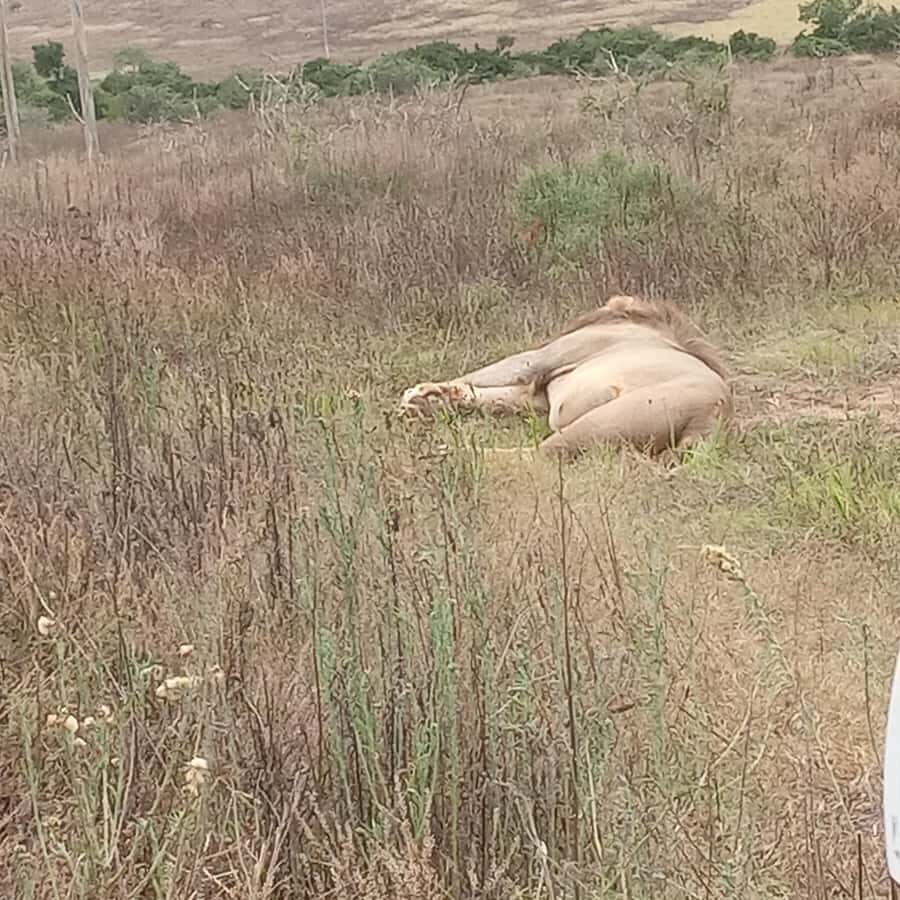
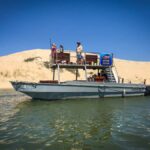
One of the more interesting twists here is the added coastal opportunity. Because Addo is close enough to the coast, the day can include Algoa Bay, where you might spot southern right whales and white sharks.
This is a “chance,” not a guarantee, and you should treat it that way. Ocean wildlife depends on the season, water conditions, and what’s happening in the bay that day. But the value is clear: you get to experience both inland safari wildlife and coastal ocean wildlife within the same day plan.
If you love variety, this makes the experience feel like more than a single-terrain outing. You’re not just repeating the same visuals—plains, thorn trees, and waterholes. You’re shifting to sea-breeze scenery and the chance to spot major marine animals from the coastal area.
When I plan something like this, I also keep expectations realistic. If you get whales, great. If you get sharks or only ocean scenery, you still gained a coastal moment you wouldn’t have gotten on an inland-only safari.
Price and value: what $270 per person is buying
At $270 per person, this isn’t a bargain-bin safari. So the value question is fair. For me, this price makes sense when you want three specific things:
First, you’re paying for a private group with pickup and drop-off from multiple locations. That saves you the hassle and time of lining up transport and hoping it all works smoothly.
Second, you’re paying for a guided day structure that includes breakfast and lunch, plus a BBQ stop during the safari portion. Food and planning don’t sound like much until you’re stuck in a place with limited options and no buffer time. Here, that built-in rhythm helps the day stay enjoyable.
Third, you’re paying for an elephant-focused safari day in a park where elephants are the main reason people come. You’re not just buying “a chance to see animals.” You’re choosing a setting where elephants gather in predictable ways around waterholes, which increases the odds of standout moments.
So is it worth it? If your top priority is elephant viewing, guided interpretation, and a day that feels organized, I’d call it good value for the experience level. If you’re chasing the most “Big Five” sightings in the quickest, most cost-effective way, you may want to compare other safaris that target different parks or offer different combinations of time and geography.
Who should book this Addo private game drive
This experience fits best if you want a focused wildlife day with minimal logistics stress and you like the idea of an elephant-centered park.
You’ll likely enjoy it if:
- You value a private group pace over a big-vehicle crowd
- You care about explanations in English from a live guide
- You’re happy to aim your expectations at elephants first, then let other animals surprise you
- You like a day that includes both park wildlife time and the coastal wildlife chance at Algoa Bay
It may not be the right fit if:
- You’re traveling with children under 2
- You’re pregnant
- You have back problems
- You’re looking for a rigid, guaranteed “Big Five all in one day” outcome
Also, because this is a safari-style outing, it’s physically more involved than a quick city tour. Comfortable shoes and weather awareness aren’t optional.
Practical packing list and on-the-day rules
Pack like you’re going to be out in the sun, then out in the shade, then back in the sun again. You’ll be doing walking and standing at viewing moments, and you’ll want to stay comfortable.
Bring:
- Comfortable shoes
- A hat
- Camera
- Sunscreen
On-site rules are simple: no smoking and no alcohol and drugs. That’s a common safety and wildlife-respect rule in safari contexts, and it helps keep the group experience smooth.
You’ll also want to bring identification for park entry. And check the weather conditions before you go, because game driving plans can feel different when it’s windy, hot, or rainy.
For your timing, arrive 15 minutes early. It’s enough time to get sorted so you don’t lose that first viewing window.
If you’re wondering about language and mobility: the guide is English live, it’s designed as a private group, and it’s wheelchair accessible.
Final call: should you book this Addo game drive?
Book it if you want a well-structured day that puts elephants at the center, gives you guided wildlife interpretation in English, and includes food so you’re not thinking about logistics mid-drive. I especially like it for couples and small groups who want a calmer, more adjustable safari pace.
Skip or consider alternatives if your number-one goal is a guaranteed full “Big Five” score, or if $270 per person feels high for your budget. In Addo, elephants are the consistent anchor. If that matches your travel priorities, this day trip style is likely to feel worth it.
One smart decision tip: double-check what your “win condition” is. If your dream is elephant encounters plus a chance at other big predators—and you’re happy to add Algoa Bay wildlife opportunities on top—this is a strong match.
FAQ
How long is the Addo private game drive experience?
The duration is 8 hours.
What’s included in the price?
It includes game drives in Addo Elephant National Park, breakfast, lunch, and pickup and drop-off.
Where are the pickup and drop-off locations?
Pickup is available from Addo, Kariega, Port Elizabeth, and Jeffreys Bay, and drop-off is available at Port Elizabeth, Kariega, Addo, and Jeffreys Bay.
Is there a live guide, and what language do they speak?
Yes, there is a live tour guide who speaks English.
What animals can I expect to look for?
You’ll be looking for elephants and other wildlife such as lions, leopards, rhinos, and buffalo, as well as Big Five sightings as opportunities arise.
Is Algoa Bay included, and what wildlife might I see?
The experience includes an opportunity to visit Algoa Bay for chances to see southern right whales and white sharks.
What should I bring for the safari day?
Bring comfortable shoes, a hat, a camera, and sunscreen.
Are there any rules on what’s not allowed?
Smoking and alcohol and drugs are not allowed.
Can I cancel and get a refund?
Free cancellation is available up to 24 hours in advance for a full refund.