REVIEW · CAPE TOWN
Township Walking Tour
Book on Viator →Operated by Township Tours Imivuyo · Bookable on Viator
History and hope sit on Langa streets. This Cape Town township walking tour in Langa Township pairs a visit to the Langa Dompas Museum with a look at the Langa Old Flats, then finishes at Guga S’Thebe for arts and culture. I like that the people guiding you understand the area firsthand, and I like how the stops connect names from apartheid to real places you can walk past. One catch: this experience requires good weather, so plan for a possible reschedule if conditions are poor.
You get transported by air-conditioned vehicle, with pickup offered, and your ticket works on your phone as a mobile ticket. The price is $45.72 per person and admission fees are included, which is a big part of why it feels like good value. Lunch isn’t included, so bring your own plan for food before or after.
With a maximum group size of 60, you’re not stuck in a huge crowd. The second half of the tour focuses on how a community arts centre trains people and supports small businesses, so it doesn’t end at the heavy parts of history.
In This Review
- Key highlights to know before you go
- Langa Township on foot: what you gain in 4 hours
- Getting there with pickup and an air-conditioned vehicle
- Langa Dompas Museum: a memorial tied to real apartheid offices
- Langa Old Flats: migrant hostels built for men, now home for families
- Guga S’Thebe Arts and Cultural Centre: skills, theatre, and local business support
- What to expect: tone, questions, and how to prepare
- Price and value: where the $45.72 really goes
- Who should book this Langa township walking tour
- Should you book Township Tours Imivuyo?
- FAQ
- Where does this township walking tour take place?
- How long is the tour?
- What’s included in the price?
- Is pickup provided?
- Is lunch included?
- Which sites do you visit during the tour?
- How much time is spent at each stop?
- Is the ticket mobile?
- Can I cancel for a full refund?
- What’s the maximum group size?
Key highlights to know before you go
- Langa Dompas Museum: a memorial tied to apartheid-era heroes and victims
- Bantu Affairs Administration context: the museum occupies former administration offices
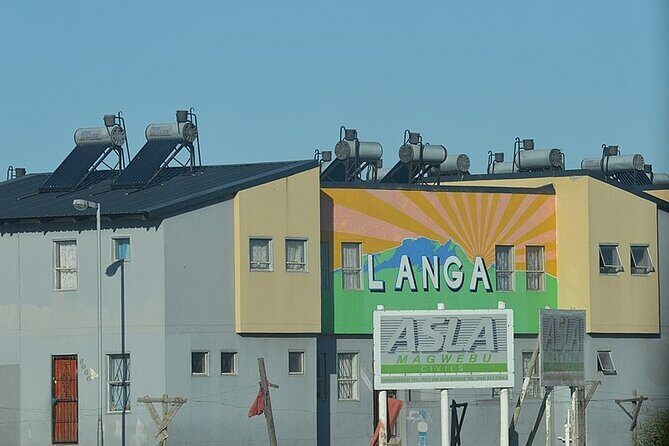
- Langa Old Flats (built in 1944): single-sex migrant worker hostels now housing families
- Guga S’Thebe arts training: metalwork, pottery, dance, craft, choir, music, and poetry
- Support for local entrepreneurs: the centre offers shop space plus accounting and secretarial services
- Entrance fees included: you pay once, then you walk into the important places
Langa Township on foot: what you gain in 4 hours
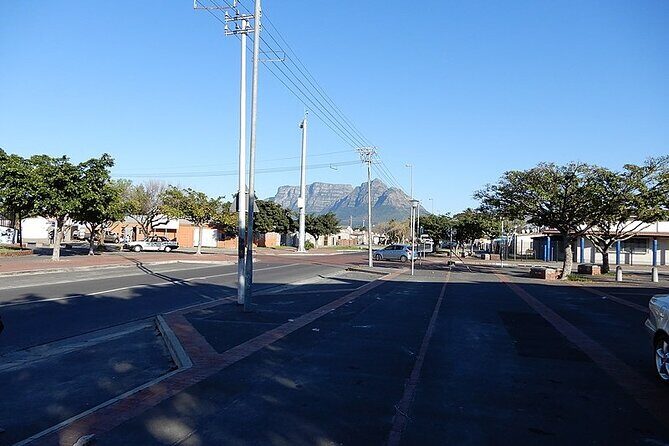
This tour is built around a simple idea: you learn faster when you can see the geography of the story. In about four hours, you move from a museum focused on apartheid memory to a real-life housing site connected to migrant labor, then you shift to arts and community work.
I especially like that the pacing matches the theme. The first part is long and reflective, and the second part is shorter but more practical, centered on skills people learn and how they make a living. If you’re visiting Cape Town for the first time and want more than postcard sights, this gives you a grounded sense of the city.
You won’t spend the whole time in a classroom. You’ll be walking and standing in places that carry specific meaning, which makes the history stick in a very physical way.
You can also read our reviews of more walking tours in Cape Town



Getting there with pickup and an air-conditioned vehicle

Logistics matter, because a township walk works best when you aren’t stressed about transport. You’re picked up and driven in an air-conditioned vehicle, which helps on hot days and keeps your start smooth.
Your ticket is mobile, so you can keep everything on your phone instead of hunting for printouts. The tour can include up to 60 people, so it’s structured, and you’ll have a clear plan for where to go next.
Because it depends on good weather, I’d avoid locking in a tightly packed schedule right after the tour. If weather cancels it, you’re offered a different date or a full refund, so flexibility is your friend.
Langa Dompas Museum: a memorial tied to real apartheid offices
The first stop is Langa Heritage / Dompas Museum, and it takes about three hours. The site is in the heart of Langa and commemorates the centenary connected to the struggle against apartheid. What makes it meaningful is that it’s not just an exhibit in a neutral room. It uses the space of former apartheid administration offices.
As you move through, the focus is on heroes and victims of apartheid, and the building itself carries weight. That matters because it helps you understand how apartheid wasn’t only about laws. It was also about systems run out of concrete institutions.
I like that the museum experience is long enough to let the stories land, instead of rushing through. If you’re the type who reads slowly and asks questions, you’ll feel less pressure here than on shorter sightseeing stops.
Langa Old Flats: migrant hostels built for men, now home for families
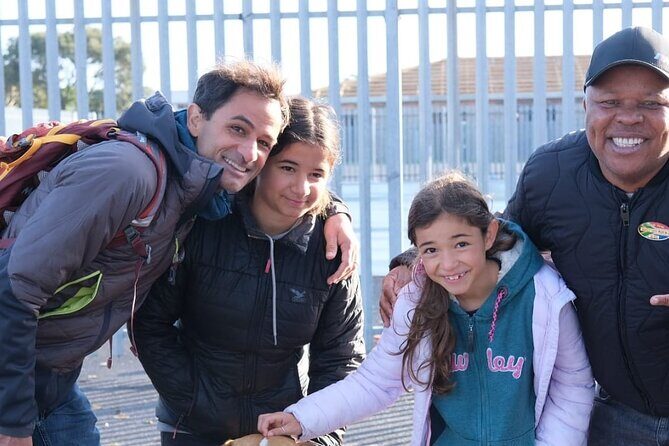
After the museum, you also visit Langa Old Flats, built in 1944 as single-sex hostels for migrant workers. Today, many of those spaces are inhabited by families, so you’re not just looking at an old structure—you’re seeing how life continues in buildings shaped by apartheid policy.
The contrast is stark: hostels were designed to house people temporarily or under control, and now some units shelter multiple families. The tour notes that men’s hostels now house many families, in some cases three in one house. That detail isn’t just architecture trivia. It’s a window into how historical displacement and labor systems affect daily life.
If you want your understanding of apartheid to go beyond dates, this stop helps connect policy to housing reality. It can be emotional, but it’s also the kind of place that teaches you to look carefully at what people make work.
Guga S’Thebe Arts and Cultural Centre: skills, theatre, and local business support
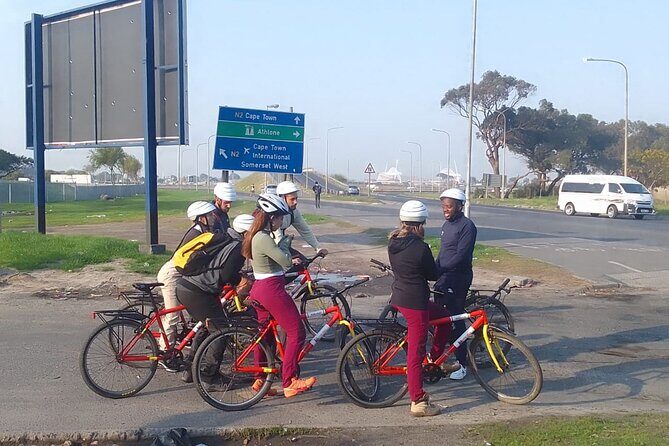
The second stop is Guga S’Thebe Arts and Cultural Centre in Langa, and it runs about one hour. This is where the tour shifts tone without avoiding the bigger picture.
The centre offers arts and culture training in a wide mix of forms: metalwork, pottery, dance, arts and craft, traditional dancing, choir training, music, and poetry. It also supports community theatre, so local groups can stage performances.
There’s practical support here too. The arts and craft shop gives makers a place to sell, and the centre provides accounting and secretarial services for small entrepreneurs and local businesses. For me, that combination is key: it’s not only about art as performance. It’s about art as a path to income and community confidence.
If you’re looking for a hopeful ending, this is where it comes from. You see how creativity turns into skills, and skills turn into livelihoods.




What to expect: tone, questions, and how to prepare
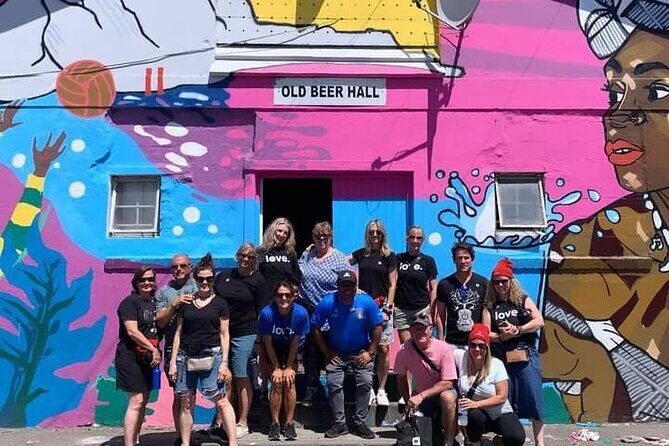
This tour has a moving side. The first stop focuses on apartheid heroes and victims, and you’ll be looking at buildings tied to administration and housing policy. Keep your expectations realistic: you’re there to learn, not to stay entertained the whole time.
I’d also prepare for a no-lunch gap. The tour does not include lunch, so either eat before you go or plan a nearby meal after. In a walking experience, it’s easy to underestimate how much energy you’ll use, especially on a day where you’re hearing heavy stories.
Finally, since the tour requires good weather, dress for the conditions and be ready to adjust plans if it gets postponed. A calm day is the best day for walking and paying attention.
Price and value: where the $45.72 really goes
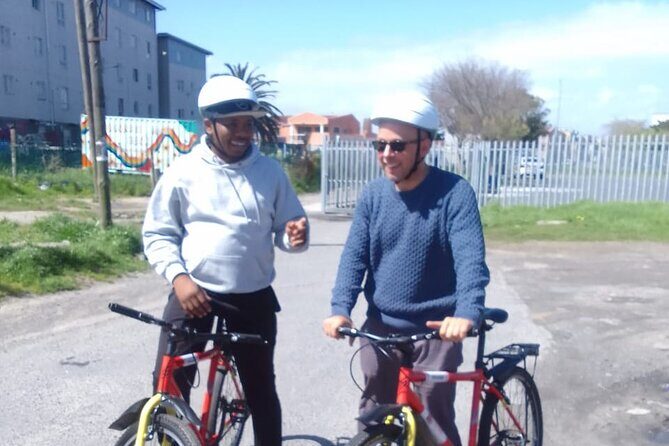
At $45.72 per person, this can feel like straightforward value because several costs are bundled in. You get air-conditioned vehicle transport, all fees and taxes, and entrance fees are covered. Stop admissions are included as well, so you aren’t hit with surprise ticket prices at the gate.
The one thing not included is lunch, which is fair and easy to solve. If you factor in transport plus paid entry to the museum and cultural centre, the price becomes easier to justify.
Also, the group size cap (maximum 60) suggests you should get a guided experience that stays organized. That matters more than people think, because township context is best understood with clear guidance.
Who should book this Langa township walking tour
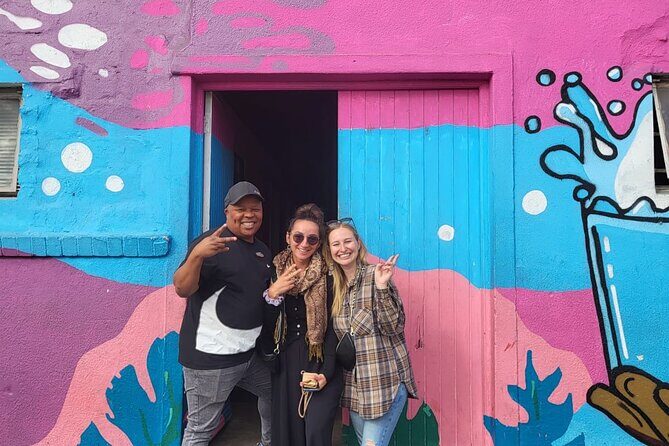
This works best if you want Cape Town with context. If you’re curious about apartheid memory in places like Langa, and you also want to see how community arts and training operate today, you’ll find a satisfying balance.
It’s also a good match for first-time visitors who don’t want to guess what to do next. The tour gives you a focused route: museum and housing history first, then arts and community support.
If you want a purely leisure outing with minimal emotional weight, this may feel like too much history in one sitting. But if you’re open to thoughtful learning, it’s a strong way to understand the city beyond the usual highlights.
Should you book Township Tours Imivuyo?
If your goal is a meaningful Cape Town experience that’s guided, structured, and grounded in real places, I’d book it. The combination of the Langa Dompas Museum experience and the shift to Guga S’Thebe makes the day feel complete rather than one-note.
Just go in with two simple plans: bring your own lunch solution, and don’t schedule this tour as the only option on a day that could turn rainy. Do those, and you’ll get a tour that teaches you how history and community work live side by side in Langa.
FAQ
Where does this township walking tour take place?
The tour is in Cape Town, South Africa, focusing on Langa Township.
How long is the tour?
The duration is approximately 4 hours.
What’s included in the price?
The price includes air-conditioned vehicle transport, all fees and taxes, and entrance fees. Admission tickets for the stops are included.
Is pickup provided?
Yes. Pickup is offered, and you’re transported by air-conditioned vehicle.
Is lunch included?
No. Lunch is not included.
Which sites do you visit during the tour?
You visit Langa Heritage / Dompas Museum (including Langa Old Flats) and then Guga S’Thebe Arts and Cultural Centre.
How much time is spent at each stop?
You spend about 3 hours at Langa Heritage / Dompas Museum and about 1 hour at Guga S’Thebe.
Is the ticket mobile?
Yes. The tour uses a mobile ticket.
Can I cancel for a full refund?
Free cancellation is available up to 24 hours in advance for a full refund. The tour also requires good weather; if it’s canceled due to poor weather, you’ll be offered a different date or a full refund.
What’s the maximum group size?
The tour has a maximum of 60 people.