REVIEW · JOHANNESBURG
Cradle Of Humankind, Lesedi Cultural Village & Lion’s Park
Book on GetYourGuide →Operated by Ngomat Tours · Bookable on GetYourGuide
A day that swaps fossils for dance and lions. I like the three-part mix of human origins, living culture, and wildlife, and I also like that the tour runs with an air-conditioned vehicle plus a professional English/French guide. One thing to weigh: the schedule is packed, so if you’re the type who wants to linger slowly at each stop, the timing can feel tight.
You’ll start with an early hotel pickup in Johannesburg around 7:30 AM, then head west toward the Cradle of Humankind. After that, you’ll move into Lesedi Cultural Village for music, dance, and homestead visits, and finish at Lion & Safari Park for guided game-drive time and close-up wildlife moments. Many guides in this program (like Charles and Moise/Moise Banza in the experience notes) are described as keeping things organized and communicative in English and French, which matters when you’re moving quickly across big sites.
Key takeaways before you go
- UNESCO Cradle of Humankind with famous fossil discoveries like Taung Child and Mrs. Ples on the agenda
- Lesedi Cultural Village homesteads representing Zulu, Xhosa, Pedi, Basotho, and Ndebele cultures
- Lion & Safari Park close encounters with lions plus giraffes, cheetahs, wild dogs, and antelopes
- English/French guiding from a professional, licensed driver-guide, plus bottled water
- Lunch is optional (not included), and the day’s timing affects whether you can sit down comfortably
In This Review
- A 7:30 AM start you’ll feel (in a good way)
- Cradle of Humankind UNESCO: Taung Child and Mrs. Ples in context
- Pacing realities at the Cradle: plan for a fast museum feel
- Lesedi Cultural Village: five homesteads, music, dance, and storytelling
- Lunch at Nyama Choma: deliciously local, but not part of the price
- Lion & Safari Park: close-up wildlife plus strict safety rules
- What $246 gets you: value in entrances, guide time, and transportation
- The practical checklist: what to bring and what to avoid
- Who this day-trip is best for (and who might want something slower)
- Should you book this tour?
- FAQ
- What time does hotel pickup happen?
- How long is the tour?
- What languages will the guide speak?
- Is lunch included?
- What animals can you see at Lion & Safari Park?
- Are there rules about interacting with the animals or wearing certain clothing?
A 7:30 AM start you’ll feel (in a good way)
This tour is built for a full day without wasting daylight. Pickup in Johannesburg happens about 10 to 15 minutes before departure, and you’ll ride in an air-conditioned vehicle with your guide. For most people, that early start is the difference between a smooth experience and a rushed one—because you’re hitting three major stops spread out across Gauteng.
You’ll want to treat the morning like your “prime focus” block. The Cradle of Humankind tends to be the place where people most want photos, walking time, and an explanatory guide. If you’re carrying a charged smartphone and a camera, you’ll have plenty of chances to use them before the day gets busier.
Cradle of Humankind UNESCO: Taung Child and Mrs. Ples in context
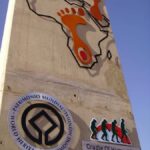
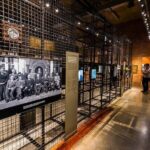
The Cradle of Humankind is UNESCO-listed, and the reason it earns the attention is simple: it’s one of the best-known places for understanding human evolution through fossil evidence. Here, the tour experience centers on exhibits tied to major finds, including the Taung Child and Mrs. Ples. Even if you don’t consider yourself a science person, these names are often the entry point that makes the story make sense.
What I like about this stop for a first-time visit is that you’re not just looking at objects behind glass. You get a guided visit plus a walk and a safety briefing. That mix helps you connect the dots between the fossils and the bigger idea: how scientists interpret ancient remains to build timelines about early human ancestors.
A practical tip: if you’re the kind of reader who wants to stop for every label, you’ll likely need to pick a few “must-see” exhibits at the start. The day doesn’t give you unlimited time here, so having a plan helps you feel satisfied instead of hurried.
You can also read our reviews of more tours and experiences in Johannesburg.
Pacing realities at the Cradle: plan for a fast museum feel
This part of the day is where pacing can make or break your mood. The time at the Cradle includes guided touring and walking, but the overall 8-hour structure means you may not get a slow, museum-like drift through every corner.
That’s why I suggest this approach: take photos early, listen closely during the guided sections, and accept that not every room will get equal attention. One extra detail to watch for is whether you’ll have access to a cave boat segment during your visit window. There are experience notes mentioning a boat tour in a cave at the Cradle, and when it’s available, it’s the sort of moment kids and adults tend to remember.
If you want a relaxed, “read every paragraph” day, you can still enjoy the Cradle here—you just might want to mentally switch from deep study to guided highlights.
Lesedi Cultural Village: five homesteads, music, dance, and storytelling
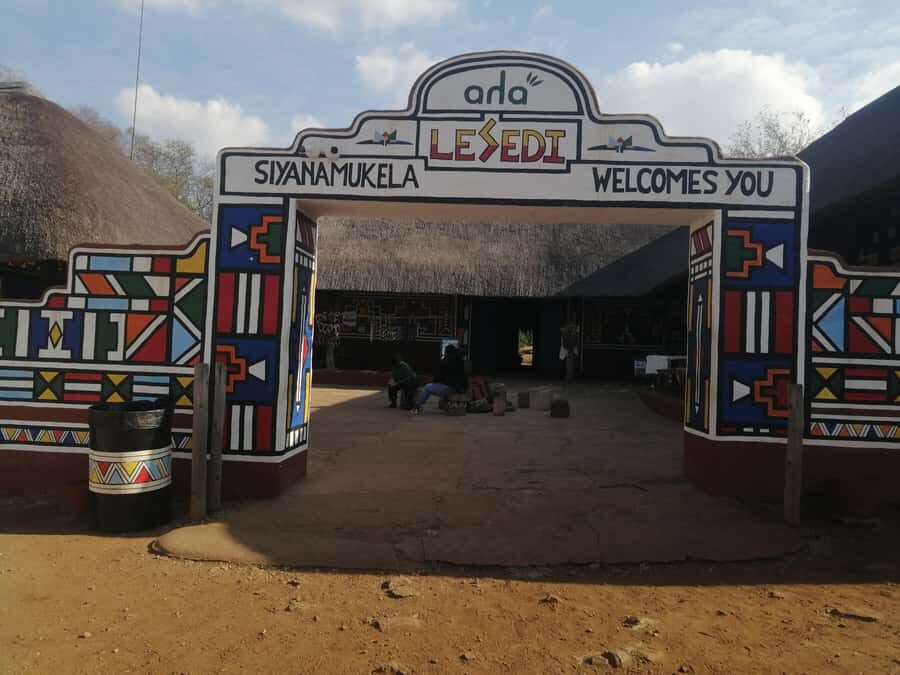
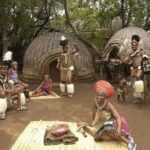
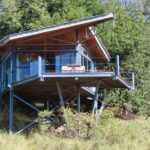
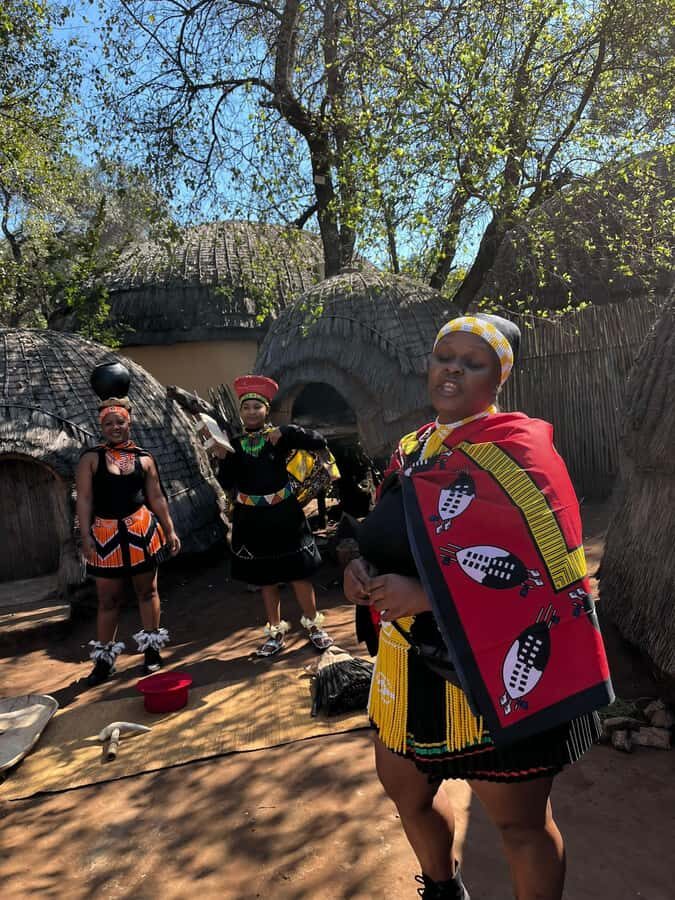
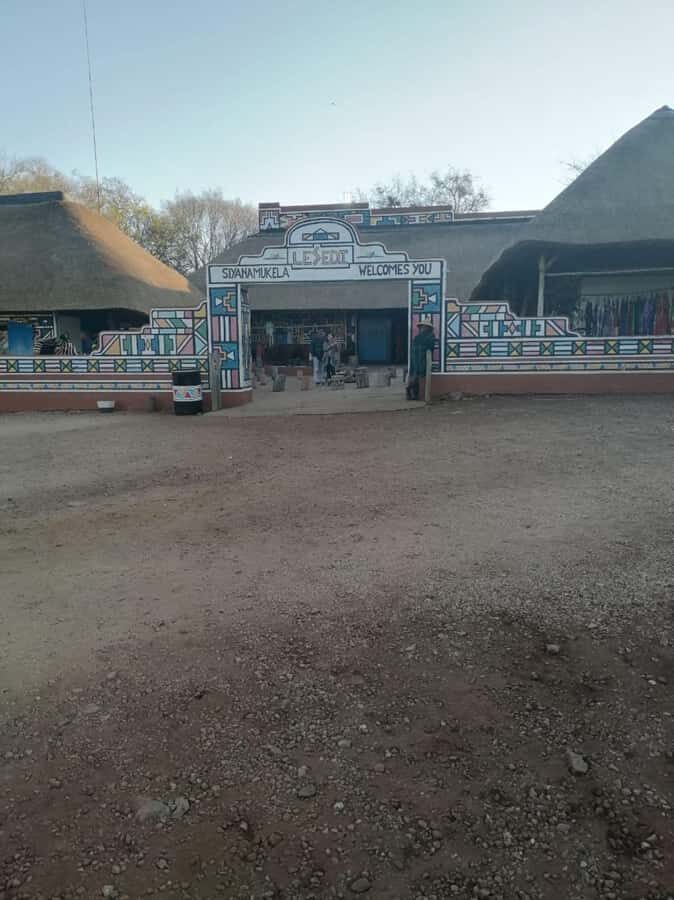
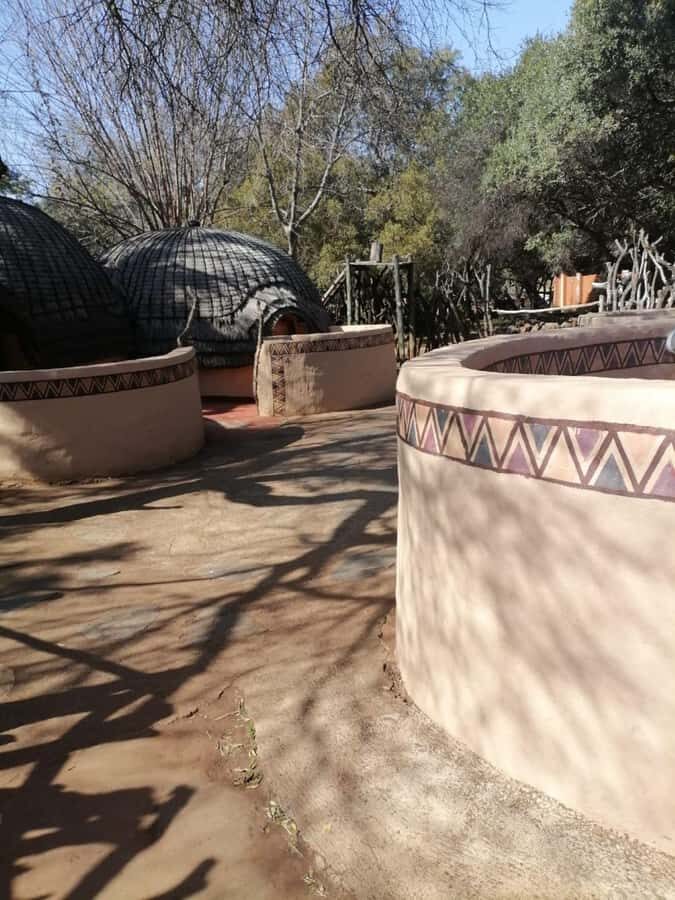
After the Cradle, the tone shifts. Lesedi Cultural Village is where you trade fossil timelines for living traditions—through performances, storytelling, and a guided tour of traditional homesteads.
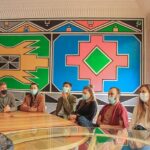
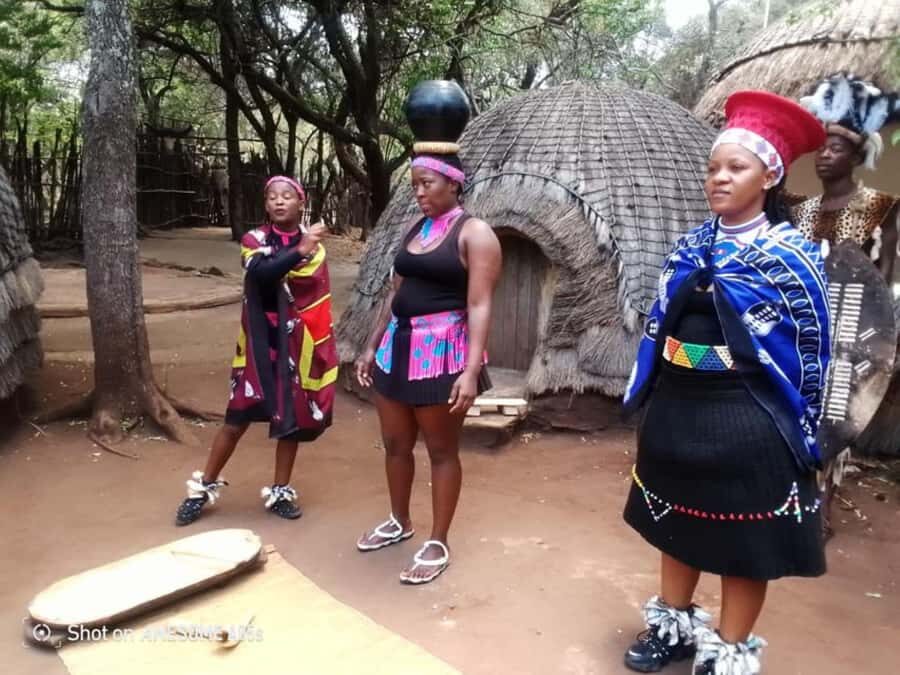
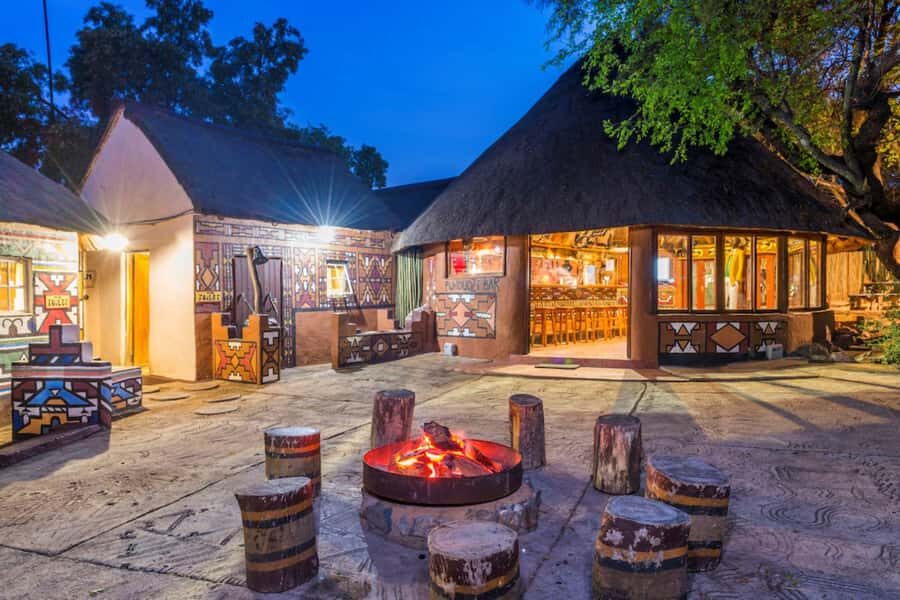
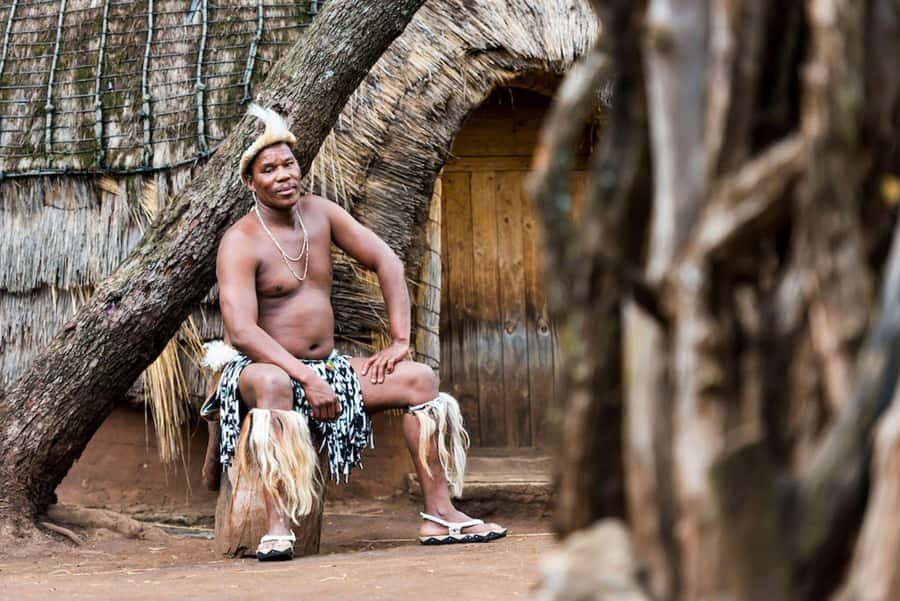
The tour focuses on five cultural areas represented by homesteads: Zulu, Xhosa, Pedi, Basotho, and Ndebele. That matters because you’re not seeing one culture in isolation. You’re seeing how different groups express identity through homestead design, music, and dance, all in one structured visit.
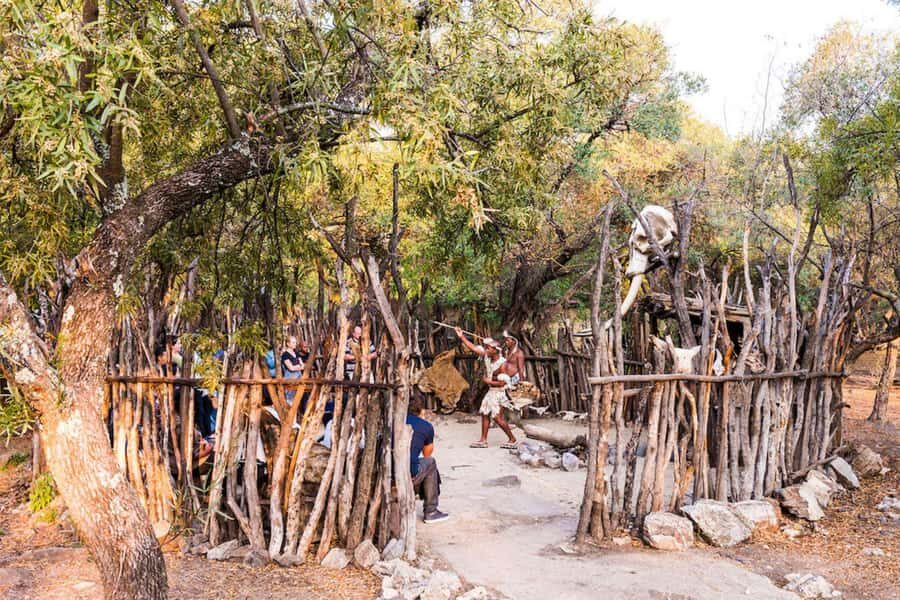
You should expect traditional music and dance performances during your time there, plus opportunities to explore the site on foot with your guide. There’s also a shopping stop at an arts-and-crafts market. If you like bringing home something that feels tied to the day you had, it’s one of the best places to do it without turning the purchase into an afterthought.
One more practical note: this is also where energy tends to peak. If your group includes kids, this stop is often where they’ll stop fidgeting and start watching closely—because performance and participation are built into the experience.
Lunch at Nyama Choma: deliciously local, but not part of the price
Lunch is available for purchase at Nyama Choma Restaurant, and it isn’t included in the tour price. That’s not a problem if you budget for it, but it does change your day-planning. If you arrive with hunger and you only have a short sit-down window, you may end up doing a quick meal rather than a slow one.
So I’d treat lunch like an on-site option, not a guaranteed long break. If your schedule is tight, choose foods you can eat efficiently. Also, keep an eye on timing as your day moves forward—because in a packed day, lunch tends to be the first thing that shrinks if the earlier segments run quickly or you arrive with delays.
If you’re traveling with children, I recommend thinking about snacks and hydration so the group stays comfortable while waiting for the meal stop.
Lion & Safari Park: close-up wildlife plus strict safety rules
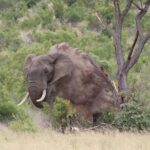
The afternoon payoff is Lion & Safari Park, a natural reserve setting for big cats and other African wildlife. This is the portion of the day that many people book for the photos, but the experience is more than snapshots.
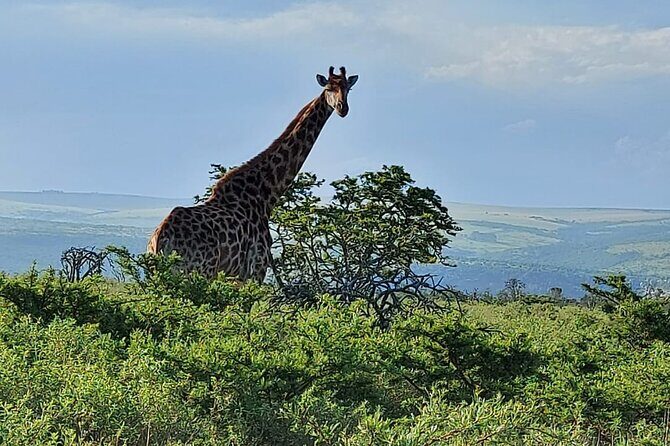
Your guide takes you through a guided drive through the animal enclosures, and you’re in the right place to spot lions, giraffes, cheetahs, wild dogs, and antelopes. The “close encounters” angle is real here, but it comes with boundaries. You must follow the rules: no feeding, no touching, and don’t ride any animals. Bare feet aren’t allowed either.
If you want great pictures, aim for steadier behavior. Keep your camera ready, listen for your guide’s timing cues, and avoid sudden movements that slow everyone down. You’ll get more usable shots when the vehicle stops are smooth and everyone’s prepared.
Also, packing matters for this part of the day. Clothing or shoes with animal skin print or animal motifs are strictly prohibited. It’s the kind of rule that can surprise you on the ground—so check your outfit before you leave your hotel.
What $246 gets you: value in entrances, guide time, and transportation
At $246 per person for an 8-hour day, the value comes from what’s bundled. You’re not just paying for three tickets. You’re paying for guided time across big sites, hotel pickup/drop-off in Johannesburg, air-conditioned transport, and entrance fees to Cradle of Humankind, Lesedi Cultural Village, and Lion & Safari Park, plus bottled water.
Here’s how I look at it: you’re buying organization. That matters when you’re visiting multiple destinations in one day, because transport and timing are the hidden costs that can eat your day fast. With this setup, you spend your energy on the sights rather than figuring out routing and entry logistics.
The one clear cost you should plan for is lunch, since it’s available for purchase rather than included. If you budget for lunch in advance, the price feels more straightforward. If you show up assuming lunch is covered, you might feel a little blindsided.
The practical checklist: what to bring and what to avoid
This tour is simple, but rules are real. You should bring a camera and a charged smartphone. That’s enough for most people because the stops are built around visible sights and guided interpretation.
What to avoid:
- Don’t plan to feed or touch animals
- Don’t plan to ride animals
- Skip bare feet
- Don’t wear clothing or shoes with animal skin prints or animal motifs
If you’re sensitive to walking distances or uneven terrain, note that this tour is not suitable for people with mobility impairments. That’s not a minor note. It’s a clear limitation based on how the day moves and what you’ll need to do at the sites.
Who this day-trip is best for (and who might want something slower)
This tour is a strong fit if you’re:
- visiting Gauteng for the first time and want three headline experiences in one day
- traveling as a couple or in a small group and appreciate a guided structure
- bringing kids who can handle a full day but will love animal spotting and performances
- interested in learning both about human evolution and living cultural traditions
It’s also a great match if you speak English or French and prefer a multilingual guide who can keep explanations clear while you’re on the move.
Who might hesitate:
- If you want a slow pace and time to read everything without being moved along, the schedule can feel rushed. The day’s design favors movement and priority stops over extended stays.
- If you have mobility challenges, skip it due to accessibility limits noted for this activity.
Should you book this tour?
I’d book this tour if you want a high-hit day: fossils, culture, and wildlife in one clean package with hotel pickup, air-conditioned transport, and multilingual guiding. At $246, the value is strongest because entrance fees and guided time are included, and you’re not stuck coordinating between sites yourself.
I’d think twice before booking if you’re the type who needs a relaxed, unhurried museum pace, because the day is structured to keep the next stop on track. If you do book, set expectations for a highlights-style visit and bring a flexible attitude about time at each location.
If you want to maximize your enjoyment, do this: pick one or two “must-capture” photo moments at the Cradle, eat lunch efficiently at Nyama Choma when you can, and let the animal drive be your photography focus in the afternoon.
FAQ
What time does hotel pickup happen?
Pickup is included from Johannesburg, and departure typically starts at 7:30 AM. Your guide will come to your hotel lobby about 10 to 15 minutes before departure.
How long is the tour?
The total duration is 8 hours.
What languages will the guide speak?
The live driver-guide speaks English and French.
Is lunch included?
No. Lunch at Nyama Choma Restaurant is available for purchase during the day.
What animals can you see at Lion & Safari Park?
The park is described as home to lions, giraffes, cheetahs, wild dogs, and antelopes.
Are there rules about interacting with the animals or wearing certain clothing?
Yes. Feeding and touching animals are not allowed, and riding the animals is prohibited. Bare feet are also not allowed, and clothing or shoes with animal skin print or animal motifs are strictly prohibited.