REVIEW · SOUTH AFRICA
Drakenstein Lion Park Entry Ticket
Book on GetYourGuide →Operated by City Pass Cape Town · Bookable on GetYourGuide
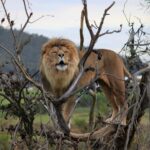
One day, and your heart gets a reality check. Drakenstein Lion Park is a true rescue sanctuary where you can see big cats without exploiting them in the Cape Winelands.
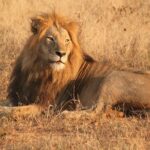
I especially like the fit-for-purpose lion habitat on 60 acres, because it’s built for the animals’ needs, not for show. You’re also directly supporting a privately run rescue that’s funded by visitors and provides long-term care. The one drawback to plan for: sightings can be uneven, and some lions are content to sleep out of view or stay tucked at the back.
In This Review
- Key Things I’d Plan For First
- Drakenstein Lion Park in the Cape Winelands: What This Day Is Really About
- A Practical Sense of the Day: How Your Visit Typically Flows
- The Habitat Matters: 60 Acres Built for Fit-For-Purpose Lion Life
- Viewing Big Cats Ethically: What You Can (and Can’t) Do
- What Your Ticket Actually Funds (And Why That’s Better Than You Think)
- Price and Value Check: When $10 Feels Like a Bargain and When to Verify
- Location Bonus: Cape Winelands Time Without the Rush
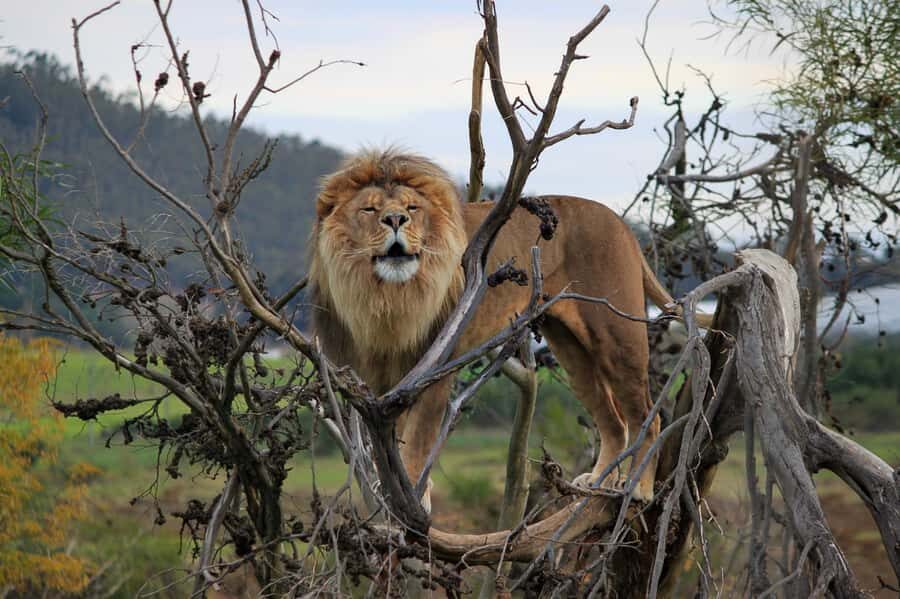
- What You Might See: Visibility Can Change, So Let the Lions Set the Pace
- Who This Visit Fits Best (And Who Should Skip)
- Small Comfort Details That Make a Difference
- My Bottom-Line Take: Is Drakenstein Lion Park Worth Your Time?
- Should You Book Drakenstein Lion Park?
- FAQ
- How long does the Drakenstein Lion Park entry last?
- What is included with the entry ticket?
- Is there animal interaction or petting?
- What rules should I follow during the visit?
- Do I need to bring food or drinks?
- Is it wheelchair accessible?
Key Things I’d Plan For First
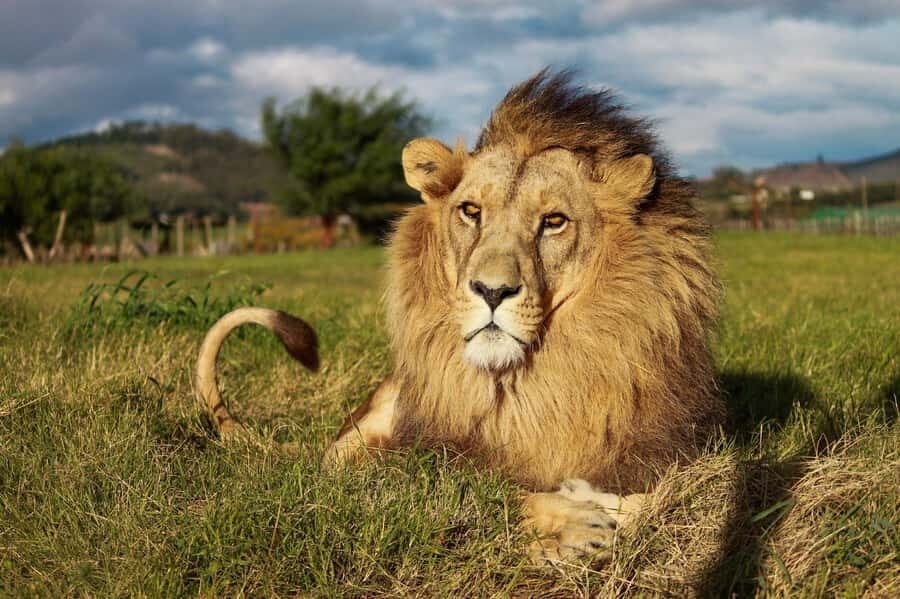
- This is an ethical sanctuary, not a performance: no petting, no interactions, and no captive breeding.
- View access is shaped by animal behavior: you may not see every lion at once, especially if they’re resting.
- Your ticket supports day-to-day rescue work: the park receives no government or grant funding.
- You’ll walk more than you expect: bring comfortable shoes and use your camera without flash.
- Small group feel helps you move at a calm pace: limited to 10 participants.
Drakenstein Lion Park in the Cape Winelands: What This Day Is Really About
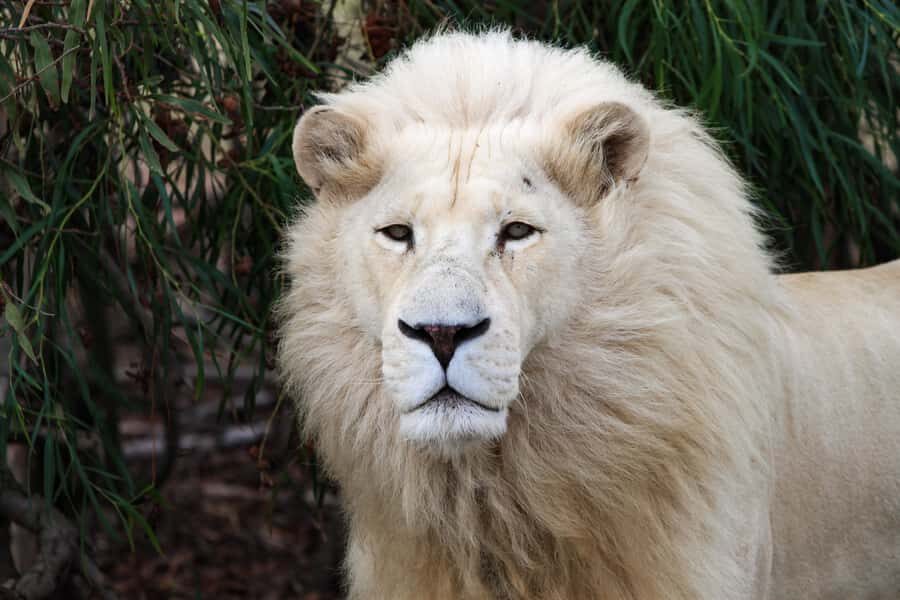
Drakenstein Lion Park is one of those places where the “tour” part feels secondary. The main event is what the sanctuary is doing: rescuing and caring for big cats that came from abusive circumstances. When you arrive, you’re not buying a ticket to entertain a crowd. You’re contributing to long-term welfare.
What makes it especially compelling is that it’s built around a specific ethics promise: non-intrusive, non-exploitative viewing. That matters, because you’ll often hear wild claims from facilities that call themselves rescue, research, or rehabilitation, yet operate like traditional captive attractions. Drakenstein positions itself as a genuine lion sanctuary, with no captive breeding, no trade, and lifetime care for resident animals.
And yes, the Cape Winelands setting helps. Even though the focus stays on the animals, you’re spending time in a scenic region with a relaxed pace. It’s an easy day to build into a Cape Town area trip without turning your schedule into a sprint.
You can also read our reviews of more tours and experiences in South Africa.

A Practical Sense of the Day: How Your Visit Typically Flows
This is a 1-day visit for a small group (up to 10 participants). That small size is more than a comfort detail. It usually means you’re better able to circulate at a steady pace and not feel like you’re being herded.
Here’s the general rhythm you should expect:
- Entry and orientation when you arrive.
- A self-paced viewing experience across the park’s lion habitat areas.
- Time to observe behavior from the viewing setup without getting close enough for any interaction.
There’s no personal guide included, and there’s no mention of a guided animal talk. So bring curiosity, but also manage expectations: you’re here to look, learn through what’s presented, and support the mission with your ticket.
Also, the park isn’t pretending that all lions will be performing for you. One of the most common realities of sanctuary viewing is that you may need patience. Some animals may be sleeping, staying in cover, or positioned farther back in their compounds.
The Habitat Matters: 60 Acres Built for Fit-For-Purpose Lion Life
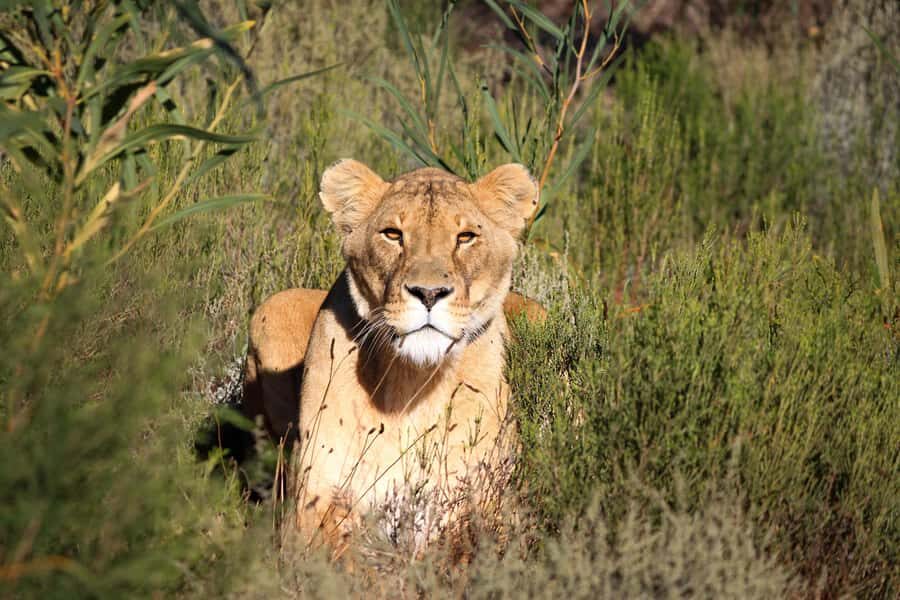
Drakenstein Lion Park sits on 60 acres of fit-for-purpose lion habitat. That sounds like a technical detail, but it’s one of the biggest reasons the visit feels meaningful.
In a good sanctuary setup, the habitat design can reduce stress and support normal needs. Here, the emphasis is on providing a safe environment where each rescue is treated as an individual, with care tailored to psychological and physiological well-being.
Practically, what this means for you as a visitor:
- You’ll often see lions when they’re ready, not on a schedule designed for humans.
- You might walk some paths and arrive at moments where an animal is visible—or you might arrive and find the lion decided to rest out of direct sight.
This is where one review experience lines up with what you should plan for: sometimes lions are hard to see because they’re behind enclosures or tucked into bushes and resting. That’s not a trick. It’s animal behavior in a habitat environment.
Viewing Big Cats Ethically: What You Can (and Can’t) Do
This is not a “touch and feed” kind of visit. Drakenstein specifically sets clear boundaries:
- No animal interaction or petting
- No breeding, trade, or visitor-animal interaction
- Viewing is designed to be ethical and non-exploitative
That’s a relief if you’re tired of seeing tourism products that blur the line between sanctuary and spectacle. The whole point is that the animals remain the priority, and you act more like an observer than a participant.
On the rules side, expect:
- No flash photography
- No smoking
Those small restrictions protect both the lions and the viewing environment. Flash can interrupt calm behavior and isn’t necessary for most cameras anyway, so consider it an easy win.
What Your Ticket Actually Funds (And Why That’s Better Than You Think)
Pricing is simple here: it’s listed at $10 per person for entry. The real value isn’t just the cost. It’s the fact that the park is funded by visitors’ contributions and receives no governmental or grant funding.
That model changes the vibe of the visit. When a sanctuary depends on its own revenue, it has an incentive to keep its operations running responsibly and consistently. It also means your ticket becomes part of the everyday support system—food, care, enclosure maintenance, and long-term support for previously mistreated lions.
Established in 1998 and built/owned/run by the Hart family, Drakenstein is described as the longest-operating South African-owned big cat sanctuary. The Hart family’s role is important because it signals continuity: decades of hands-on rescue and care experience rather than a short-term project.
If you’re trying to travel in a way that doesn’t just “consume experiences,” this is the kind of visit that earns its place on your itinerary. You’re paying to help keep a lifeline running.


Price and Value Check: When $10 Feels Like a Bargain and When to Verify
At $10 per person, this ticket is one of the more affordable ways to visit a genuine sanctuary setting. It’s especially good value if you care about the ethical differences between real sanctuaries and places that use rescue language as marketing.
That said, I’d also do one basic thing: double-check how your ticket is handled on arrival. One experience shared with me pointed to a booking mismatch situation where an upfront payment didn’t line up with what was charged at the venue. I can’t generalize that to everyone, but it’s a fair caution.
What you can do to protect yourself:
- Bring a printed or saved confirmation.
- Have the total amount you expect clearly noted.
- If anything looks off at the counter, ask before you pay more.
This is not meant to scare you off. It’s just practical travel sense. With a mission-based place, you want your support to go where it should—not into avoidable confusion.
Location Bonus: Cape Winelands Time Without the Rush
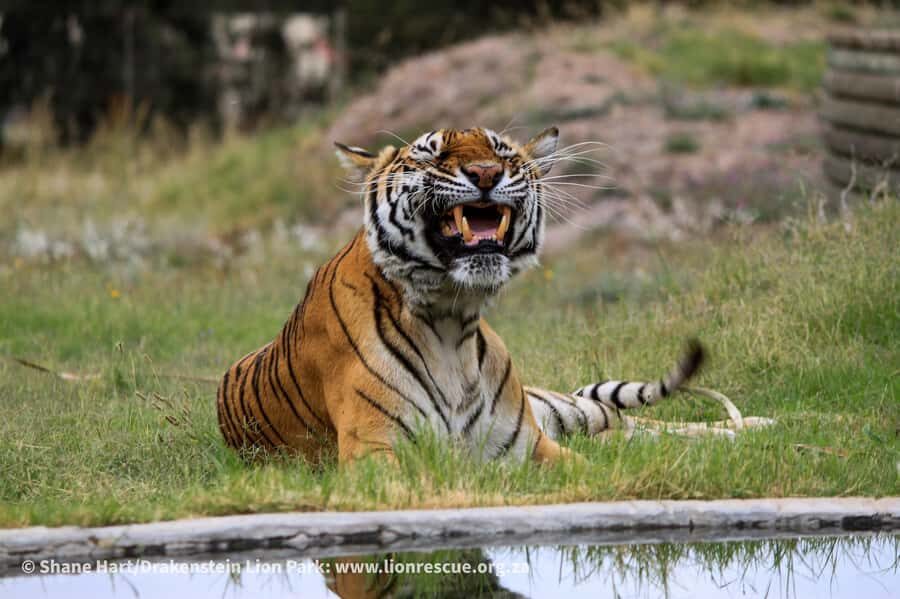
You’re not spending the day in a remote outpost that feels disconnected from the rest of your trip. The park is in the Cape Winelands, so you get a scenic day out while your money supports animal care.
For planning, think of this as a calm anchor day:
- Dress for walking.
- Expect a slower rhythm based on where the lions are.
- Keep your camera ready but follow the flash rule.
If your Cape Town days often include packed schedules, this can be a nice reset. You get fresh air, a short journey out into wine-country territory, and a chance to focus on something real.
What You Might See: Visibility Can Change, So Let the Lions Set the Pace
Here’s the honest part: sanctuaries don’t guarantee peak sightings at every moment.
One visitor experience highlighted that not all lions were easy to see because some were in the back of compounds or sleeping in bushes. That’s exactly the kind of thing you should treat as normal sanctuary viewing, not as a disappointment.
So when you visit, I recommend you aim for “quality of observation,” not “checking every animal off a list.” Watch for:
- Where lions choose to rest versus where they move
- How they react to their environment
- How the sanctuary viewing setup allows you to observe without pressing in
If you go in with that mindset, you’re more likely to feel satisfied even if your first few moments aren’t action-packed.
Who This Visit Fits Best (And Who Should Skip)
This is a sanctuary visit, so it makes sense for some people and not for others.
It may fit you well if:
- You want to support rescued big cats with a real sanctuary model.
- You prefer quiet viewing over loud animal interaction.
- You’re okay with animal sightings that depend on behavior.
It may not be the best choice if:
- You have animal allergies
- You are pregnant, since it’s listed as not suitable
- You’re traveling with children under 2 years
- You use a wheelchair, because the information includes a contradiction: wheelchair accessibility is listed, but wheelchair users are also listed as not suitable
That last point is worth your attention. If you’re a wheelchair user, I’d treat this as a “confirm before you go” situation and ask the provider directly how the route and viewing access work for your specific needs.
Small Comfort Details That Make a Difference
This is where you keep the day smooth.
Wear:
- Comfortable walking shoes. The park is spread across acres, and you’ll likely move around more than you’d expect from a ticket that looks simple.
Bring:
- A camera (flash is not allowed).
- Sun protection if it’s warm, since open habitat and walking can add up quickly.
And don’t plan around snacks or drinks being included. Food and drinks are not included, so plan accordingly with what you’ll bring or how you’ll handle your day nearby.
My Bottom-Line Take: Is Drakenstein Lion Park Worth Your Time?
If your goal is a meaningful, ethical big-cat experience, Drakenstein Lion Park is a strong pick. The sanctuary mission, the focus on humane viewing, and the long-running Hart family care model make it feel grounded and serious. I also like that you’re not just observing—you’re helping fund care with a visitor-supported system.
The only reason I’d hesitate is purely practical: don’t expect to see every lion clearly at every moment. Some may be sleeping, hidden, or positioned farther back. If you can roll with that, you’ll probably enjoy the visit a lot more.
Should You Book Drakenstein Lion Park?
Book it if you want:
- A real sanctuary model with no breeding and no interaction
- A calm, small-group day focused on animal welfare
- A cost that’s reasonable for a mission-supported visit
Skip or reconsider if:
- You need guaranteed close-up action with lions visible all the time
- You have restrictions that the experience flags as not suitable (allergies, pregnancy, very young children, and possibly wheelchair use)
If you do book, show up with patience, wear good shoes, keep your flash off, and double-check your ticket details so the day starts without hiccups.
FAQ
How long does the Drakenstein Lion Park entry last?
The ticket is valid for 1 day.
What is included with the entry ticket?
You get entrance to Drakenstein Lion Park, access to view rescued big cats, and the chance to support big cat care and rescue.
Is there animal interaction or petting?
No. Animal interaction or petting is not included and is not part of the experience.
What rules should I follow during the visit?
Smoking is not allowed, and flash photography is not allowed.
Do I need to bring food or drinks?
Food and drinks are not included, so you’ll want to plan for your own refreshment needs.
Is it wheelchair accessible?
Wheelchair accessibility is listed, but wheelchair users are also listed as not suitable. If you use a wheelchair, confirm fit and access details before booking.