REVIEW · SOUTH AFRICA
From Malelane: Kruger National Park Afternoon Safari
Book on GetYourGuide →Operated by Lihlosi Safari and Touring (PTY)LTD · Bookable on GetYourGuide
A wild hour can start at 13:00. This Malelane Kruger National Park Afternoon Safari uses an open 4×4 with 360-degree viewing and radios, so you spend five hours focusing on animals, not walls. It’s built for people with limited time who still want a proper guided Kruger outing.
What I like most is the open-sided 4×4 setup, including the vehicle’s elevation for better sightlines and the chance to see wildlife and scenery from almost every angle. I also like that you’re paired with a registered field guide who’s there for tracking animals through trees, birds, and the full mix of the park—so the drive feels like learning plus spotting, not just cruising.
One consideration: you’re not in charge of the animals, and the tour is weather-dependent in the sense that it runs rain or shine. If heavy rain or extreme heat hits, your comfort and photos will take a hit even though the plan stays on.
In This Review
- Key things to know before you go
- Malelane to Kruger: why an afternoon safari works
- Entering Kruger on an open 4×4 with 360-degree viewing
- The 13:00–13:30 pickup and the rhythm of a five-hour drive
- Wildlife spotting on this afternoon drive: Big Five plus the small stuff
- What to expect from your drive time
- Guides matter most: why field skills change your odds
- Weather, darkness, and what you can control
- Price and value: is $102 a fair deal?
- Who this safari suits best in real life
- FAQ
- FAQ
- Where do I get picked up?
- What time does the afternoon safari start?
- How long is the safari?
- What vehicle do we ride in?
- Is food included?
- Are Kruger National Park conservation fees included?
- Is the tour wheelchair accessible?
- Are alcohol, pets, or feeding animals allowed?
- Should you book this Malelane Kruger afternoon safari?
Key things to know before you go
- Open 4×4, 360-degree viewing so you can scan for animals to the side and behind you.
- Two-way radios on the vehicle to improve communication during the drive.
- Small group size (max 10) for a quieter, more personal safari feel.
- Big Five focus, plus a strong push on birds, trees, and smaller wildlife.
- Timing that can run into darker hours, depending on what the guide finds.
- Pickup window 13:00–13:30 from your place in selected areas.
Malelane to Kruger: why an afternoon safari works
If you only have one window of time in Kruger, afternoon is often the smart choice. The park’s activity shifts through the day, and that late stretch can bring a great mix of grazing, resting, and movement—plus birds that stay busy long after the morning crowds thin out. This tour is designed around that idea: you leave Malelane in the early afternoon and spend your time inside the park with a guide scanning for wildlife.
For many first-timers, the afternoon also feels less rushed. You’re not fighting a tight morning schedule where everything blends together. Instead, you get a longer stretch to watch behavior—how animals respond to wind, water, heat, and nearby calls—while your guide uses that time to “read” the bush.
And you’re not stuck on one narrow view. The vehicle is open and built for wide scanning, which matters a lot in Kruger, where a good sighting can come from a gap in the trees or a turn in the road.
A few more South Africa tours and experiences worth a look
Entering Kruger on an open 4×4 with 360-degree viewing
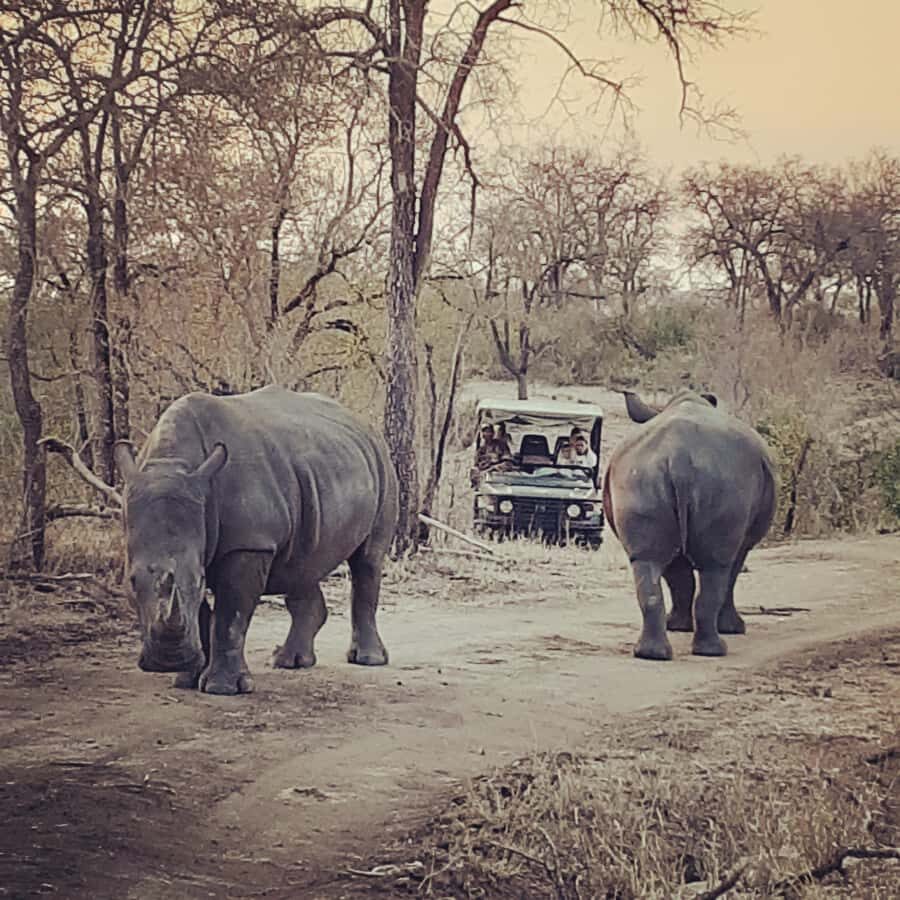
This safari’s hardware matters. You ride in an open safari vehicle that’s meant for 360-degree viewing. In plain terms: you can look around without constantly re-aiming yourself, and you’re not boxed in by high sides that hide animals as they move closer to the track.
Two other details help a lot. First, the vehicle is a 4×4, so you’re set up for the park roads where conditions can vary. Second, the vehicle has an elevated design, which helps your sightlines over brush. In Kruger, that difference is real. A crouched antelope in tall grass won’t be visible from a low seat, but it might be from higher up.
Add two-way radios to the mix. That’s not just tech for comfort—it’s how guides keep information flowing while they’re out on the road, so you get better chances of reaching the right area when something is happening. When the group’s small (max 10), radio-guided coordination can make the whole experience feel tighter and more purposeful.
The 13:00–13:30 pickup and the rhythm of a five-hour drive
Your day starts with pickup between 13:00 and 13:30. The exact timing depends on where you’re staying, but the important part is that you’ll be collected from your place of accommodation in selected areas. You’ll also get a simple meet-up system: the guide or driver holds a sign with your last name, and you’ll want to be ready in the hotel lobby about 10 minutes before your scheduled pickup.
From there, you head to Kruger and spend the bulk of the time on safari. The tour is listed as five hours total, and it’s offered to people who want Kruger during the afternoon instead of a full day.
One note: the tour can extend into the time where visibility changes. In at least one documented experience, the safari ran until darkness, and the guide kept searching when a standout animal appeared near the end. That’s a good sign of how the guide’s priorities can match what you came for—wildlife first, schedule second, as long as access allows.
Wildlife spotting on this afternoon drive: Big Five plus the small stuff
The headline goal is serious: a chance to see the Big Five up close. On a well-run safari, that doesn’t mean you’re guaranteed all five. What it does mean is you’re in the right mindset and with the right strategy—driving with a guide who understands where animals often show up and how to react when they move.
What I love about this kind of afternoon plan is that it’s not only about the famous mammals. The tour is also framed around birds and trees, and that matters because Kruger is more than the animals you can name in one breath. Birds often give early clues. Trees and vegetation tell you where animals shelter, feed, or watch. When your guide explains those connections, you start seeing the park as an ecosystem instead of a game of luck.
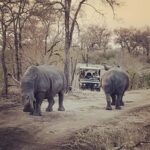
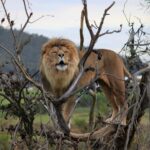
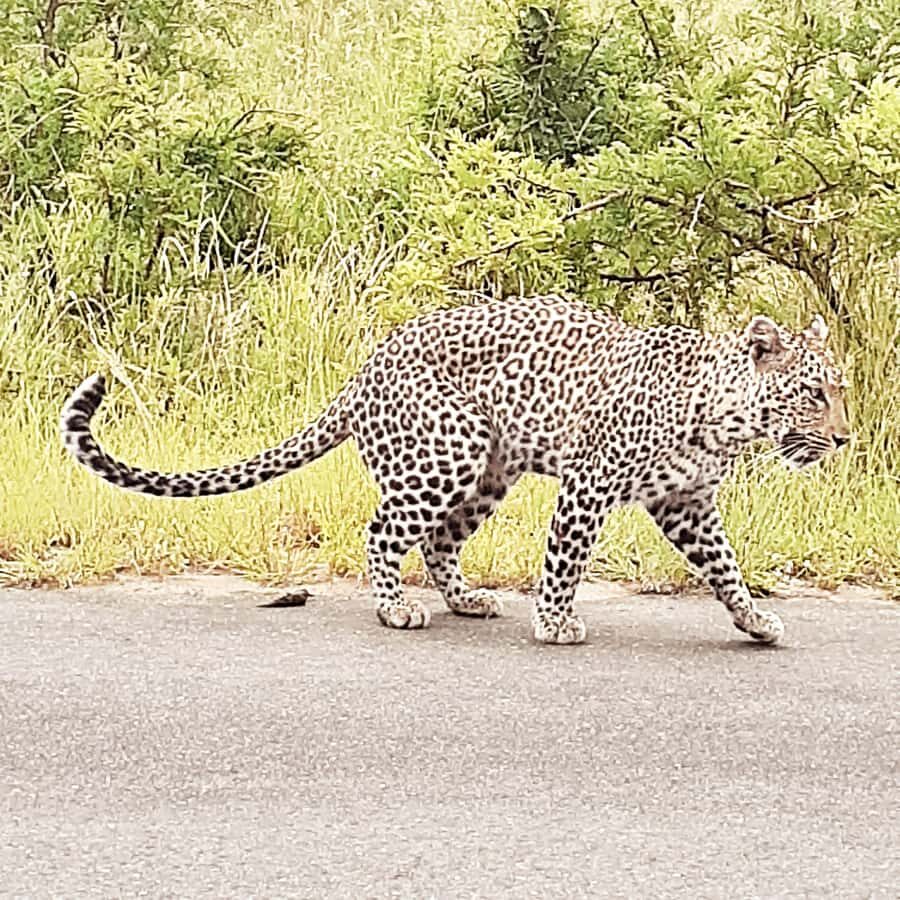
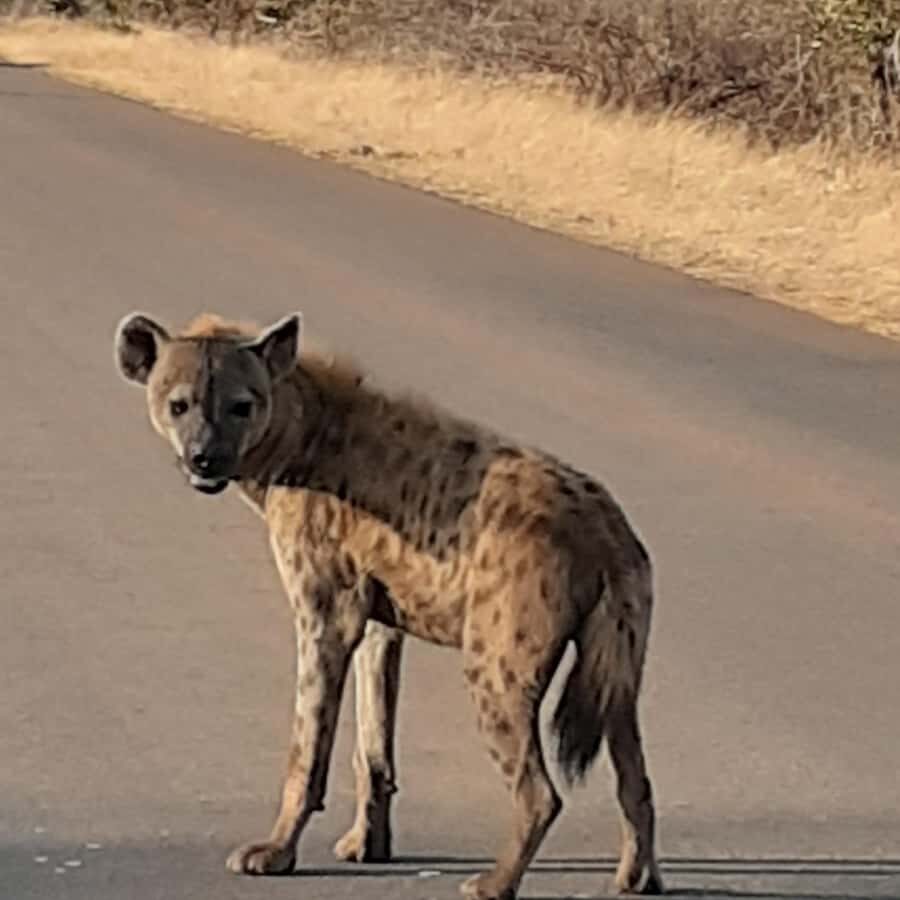
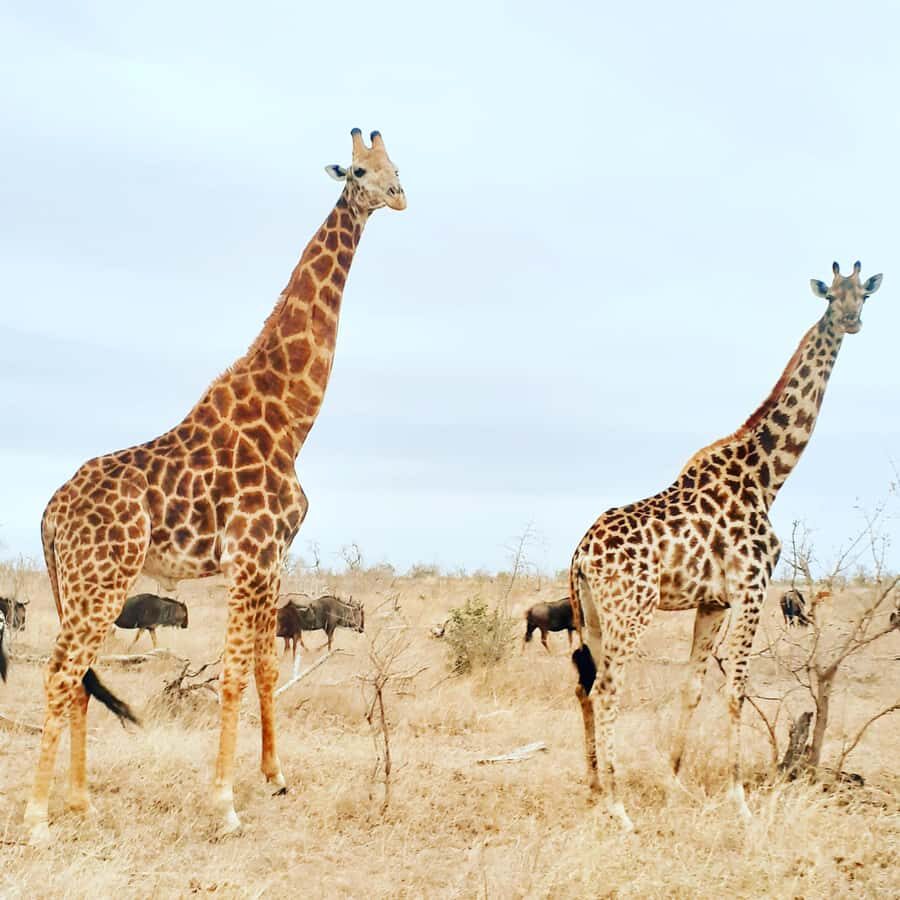
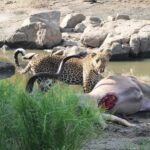
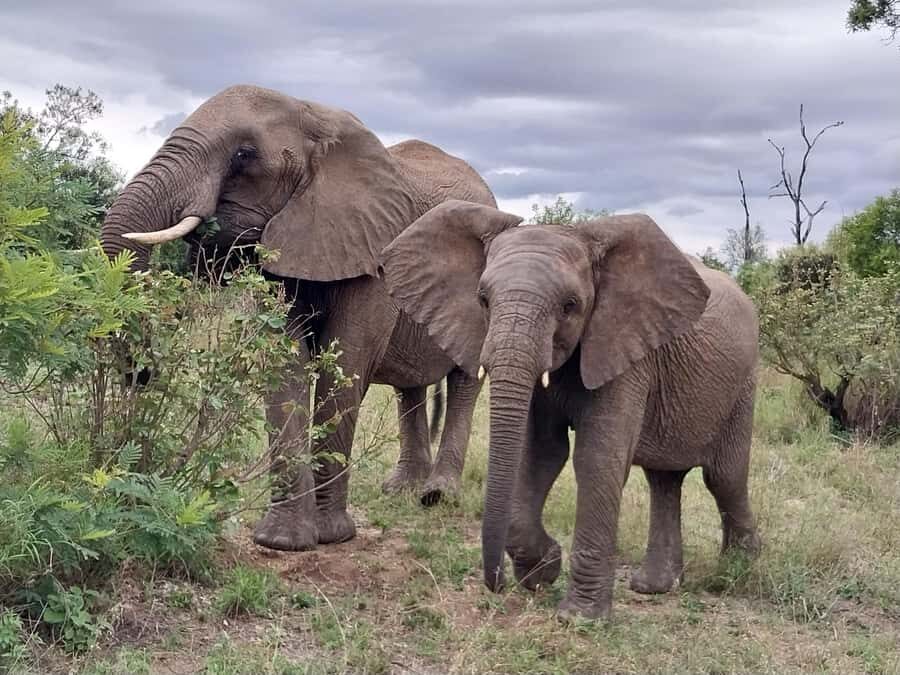
In one experience, the sightings included standout mammals like rhinos and multiple elephant herds, along with a lion male seen close to the road for a long, patient stretch. That same outing also highlighted small wildlife—like a mongoose and even a tiny chameleon—plus a leopard near the end. Even if your sightings differ, that range shows what the best guides tend to do: they keep their eyes moving, and they don’t ignore the “small” animals that often sit in plain view once you know what to scan for.
What to expect from your drive time
During those five hours, your schedule is flexible in the way real safari routes have to be. You’ll spend time on roads where animals are likely, then shift quickly if your guide spots something worth stopping for. If you get a major sighting early, you may end up with a mix of waiting and repositioning. If you get a slow patch, the guide’s job becomes finding the next active area.
That push-and-pause rhythm is normal in Kruger. The win is having a guide who can explain what you’re seeing and why they’re choosing the route they choose.
Guides matter most: why field skills change your odds
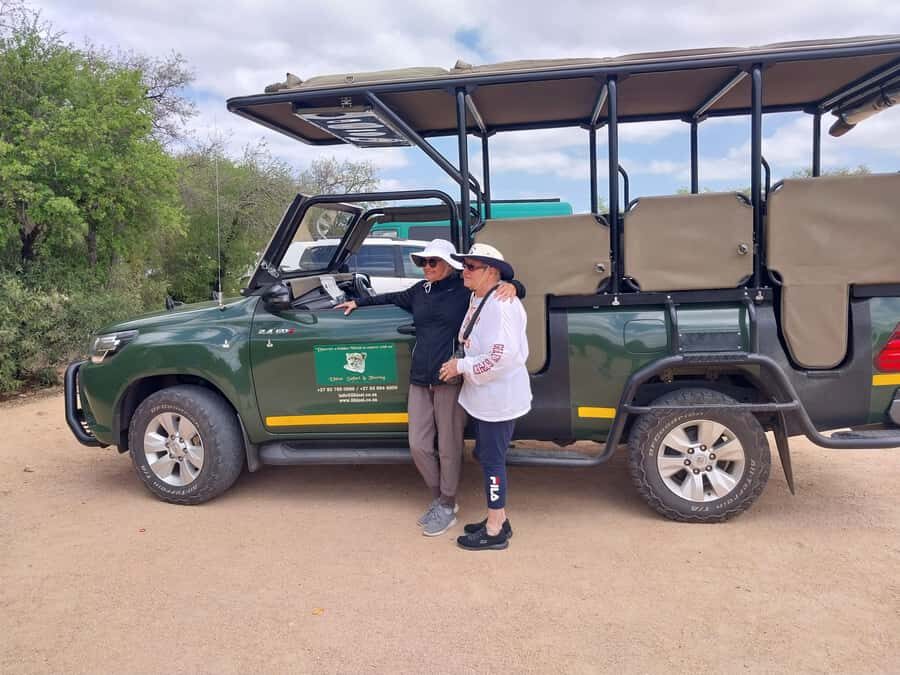
On paper, this is a vehicle tour. In practice, it’s a guide tour. You’re with a registered guide, and the difference shows up fast: where you stop, how long you pause, and how you interpret what you’re looking at.
A great example from a documented experience is the guide named Sibu. In both an earlier morning safari and the afternoon run, Sibu was praised for how friendly he was and for sharing clear information about the Kruger bush and wildlife. Then comes the practical part: when the group hit the right spots, he didn’t just point. He managed the encounter in a way that made the experience last.
One particularly strong detail: when a leopard showed up late in the drive, the guide extended the tour even though access points were closing. That kind of decision only works when the guide understands timing, road rules, and how to keep the group safe. It also shows what you’re buying with this tour: more than driving—you’re buying someone who knows how to respond when wildlife appears.
In short, if you care about spotting beyond luck, you’ll enjoy the fact that your guide is actively reading the bush—trees, birds, and animal behavior—not just following a fixed checklist.
Weather, darkness, and what you can control
This safari runs rain or shine. That’s standard for Kruger, but it changes what you should plan for. If it rains, visibility can drop and roads can be slippery, which can reduce how far you can scan or how comfortable you feel. If it’s clear, you’ll likely get more long-range viewing.
The tour can also stretch into later light. Since wildlife isn’t on a timetable, your guide may keep going if the sightings are strong. That’s exciting, but it also means temperatures can shift as the afternoon moves toward evening. I’d plan to be comfortable in layers so you’re not stuck either sweating early or freezing later.
What you must bring, at minimum, is your passport or ID card. And while you’re in the park, follow the basic rules: no feeding animals, no pets, and no alcohol or drugs. Those are listed as not allowed, so take them seriously—Kruger experiences run smoother when everyone follows the same safety boundaries.
Price and value: is $102 a fair deal?
At $102 per person for five hours, this is positioned as an affordable, focused way to get into Kruger without committing to a full day. The value shows up in what’s included:
- Pickup and drop-off from any address in selected areas
- Bottled mineral water
- Open safari vehicle
- Registered guide
- Small group size (max 10)
- Skip the ticket line
What’s not included is important to budget correctly:
- Kruger National Park conservation fees
- Food
So is it worth it? For many visitors, yes—because you’re paying for the whole “Kruger logistics” piece: transport to the park, the right vehicle, and a guide working with the group size you’ll appreciate. If you were to recreate it yourself, you’d likely spend more time figuring out transport, park entry, and a guide’s role.
Just don’t treat it as an all-in-one price. Plan for conservation fees and bring your own snacks or eat before pickup, since food isn’t included.
Who this safari suits best in real life
This afternoon Kruger safari is best for you if:
- You have limited time and want Kruger without a morning start.
- You prefer a small group and a more personal guide-led experience.
- You want strong odds for major wildlife, including the Big Five, while still caring about birds and smaller animals.
- You like an open-vehicle feel and don’t mind that wildlife drives the timing.
It also fits well if you’re staying in or near Malelane, since pickup is handled and you don’t need to organize your own park transport.
If you’re going with kids, note that it’s not suitable for babies under 1 year. If anyone needs wheelchair access, it’s listed as wheelchair accessible, which is a big practical win—just be prepared that wildlife seating and vehicle design can still affect how comfortable different mobility needs are in an open truck.
FAQ
FAQ
Where do I get picked up?
You’ll be picked up from your place of stay in selected areas. The guide or driver will be holding a sign with your last name, and you should wait in the hotel lobby about 10 minutes before pickup.
What time does the afternoon safari start?
Pickup happens between 13:00 and 13:30. Check availability for the exact starting times.
How long is the safari?
The total duration is listed as 5 hours.
What vehicle do we ride in?
You ride in an open safari 4×4 vehicle designed for 360-degree viewing, with two-way radios in the vehicle.
Is food included?
No. Food is not included.
Are Kruger National Park conservation fees included?
No. Conservation fees for Kruger are not included.
Is the tour wheelchair accessible?
Yes, the tour is listed as wheelchair accessible.
Are alcohol, pets, or feeding animals allowed?
No. Alcohol and drugs are not allowed, pets are not allowed, and you’re not allowed to feed animals.
Should you book this Malelane Kruger afternoon safari?
Book it if you want guided Kruger without spending a whole day on logistics. The small group size, open vehicle, and two-way radios make it feel built for real wildlife viewing, not a generic bus ride. And the guide element is where this tour earns its reputation—people are especially impressed when the guide keeps searching and explains what you’re seeing.
Skip it only if your schedule allows a full-day safari and you strongly prefer to trade afternoon timing for more daylight hours. This tour can run into later light, but it’s still an afternoon window. If you’re okay with that trade-off, it’s a solid, value-focused way to experience Kruger with an experienced guide and a vehicle made for scanning in every direction.