REVIEW · DURBAN
Durban: Hluhluwe Imfolozi Safari & iSimangaliso Tour
Book on GetYourGuide →Operated by 1st Zulu Safaris C.C · Bookable on GetYourGuide
iSimangaliso and Hluhluwe in one long day. It’s a rare pairing: UNESCO wetlands with boat-time wildlife, then Zululand safari drives for Big Five odds. I like that the day is built around two very different habitats, so you’re not just repeating the same scenery for 12 hours.
What I really love is how the route mixes ocean-life surprises with classic safari searching. You’re set up to look for hippos, crocodiles, and marine turtles in iSimangaliso, then shift into a closed vehicle game drive in Hluhluwe-Imfolozi where lions, elephants, leopards, buffalo, and rhinos are on the radar. Guides like ZAMANI are especially praised for smart route choices that help you see more.
One drawback to plan for: meals are not included. You’ll have time to refuel at Hilltop Camp, but you should still budget for lunch and drinks, and wear light, comfortable layers because the sun can be intense.
In This Review
- Key things to know before you go
- A 12-hour wildlife route from Durban
- iSimangaliso Wetlands Park: UNESCO waters, hippos and turtles
- Hluhluwe-Imfolozi Game Reserve: Big Five drives in Zululand
- The afternoon break at Hilltop Camp (and why it helps)
- Rhino conservation at Hluhluwe-Imfolozi: what Centenary Capture Center means
- Price and logistics: is $280 good value for 12 hours?
- Your guide can make or break the day
- What to bring for Durban heat and long viewing days
- Sighting expectations: how to stay realistic and still excited
- Who this Durban safari suits best
- Should you book this tour?
- FAQ
- What parks does this tour visit?
- How long is the tour?
- Is hotel pickup and drop-off included?
- Are meals included?
- What animals are you hoping to see?
- What kind of vehicle do you use for the game drive?
- What languages are available for the guide?
- Is the tour accessible for wheelchair users?
Key things to know before you go
- Two parks, two habitats: wetlands by boat, then savannah by safari vehicle
- UNESCO iSimangaliso: near-pristine coastline, big hippo numbers, and turtle chances
- Closed-vehicle game drives: more stable viewing while you search for the Big Five
- Hluhluwe-Imfolozi history and scale: established in 1895, with major conservation work
- Hilltop Camp break: a practical stop to reset before the second half of the safari
A 12-hour wildlife route from Durban
This is the kind of day trip that works best when you like momentum. You’re picked up from central Durban, then you spend the morning focused on iSimangaliso and the afternoon in Hluhluwe-Imfolozi. At 12 hours total, it’s long enough to feel like a full day out, not a quick taste.
The big value here is sequencing. iSimangaliso is all about water and shoreline wildlife, while Hluhluwe-Imfolozi is savannah and hills where game moves differently. If you only choose one park, you miss the full “South Africa wildlife spectrum” feeling this tour aims for.
If you’re staying near the pickup zone, logistics are straightforward. If you’re coming from Richard’s Bay, pickup is possible on request, which helps if you’re traveling north as well.
A few more Durban tours and experiences worth a look
iSimangaliso Wetlands Park: UNESCO waters, hippos and turtles
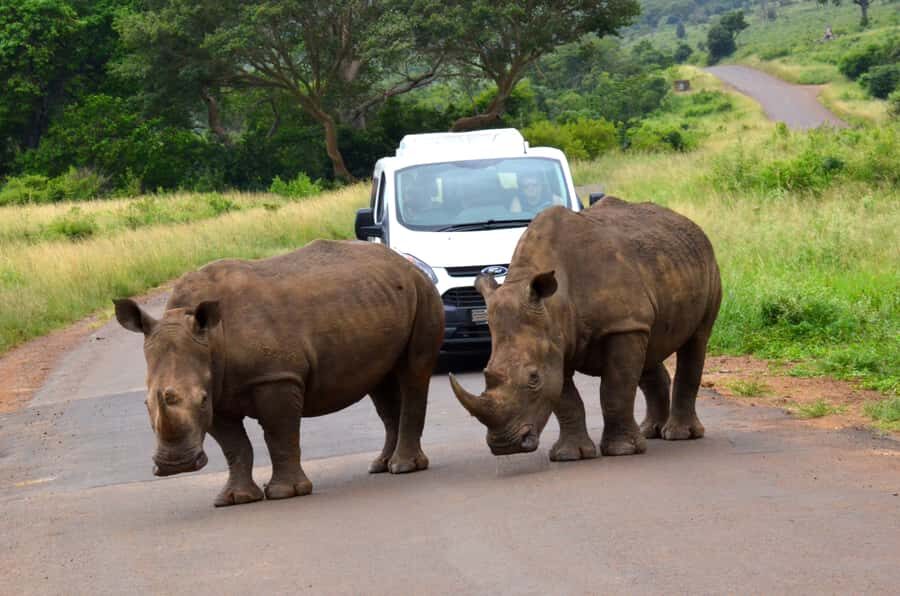
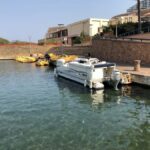
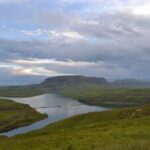
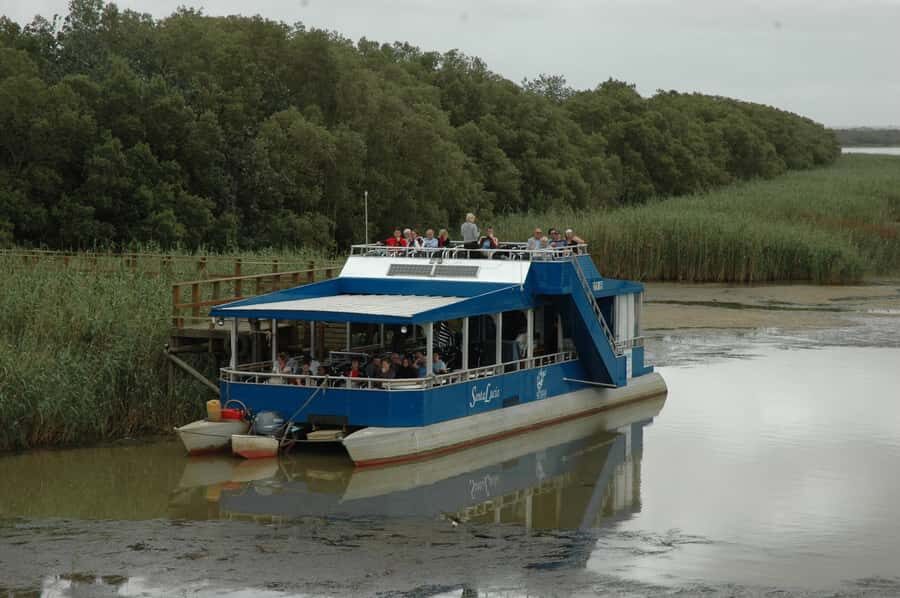
iSimangaliso Wetlands Park (once called the Greater St. Lucia Wetland Park) is a serious conservation place. It was declared South Africa’s first Natural World Heritage Site, and the numbers alone help you understand the scale: about 280 kilometers of near-pristine coastline and roughly 328,000 hectares of protected habitat.
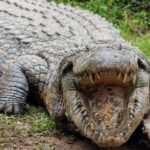
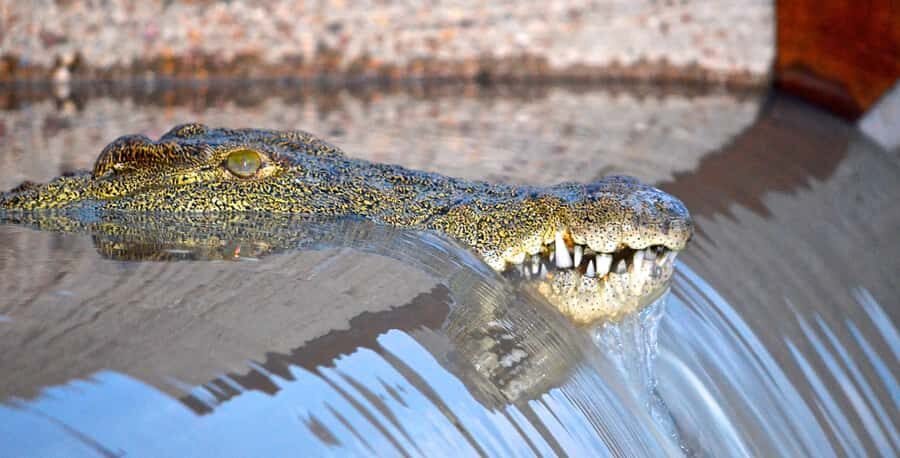
During the boat portion, you’re looking at wildlife in a way that’s different from a road safari. This park is home to one of the largest hippo populations in South Africa, plus an estimated 1,000 crocodiles. That combination means you’re not just hoping for one animal sighting. You’re in a system where both predators and herbivores shape what you can see.
Your “what might I spot” list is broad. Expect chances for animals including lions, elephants, leopards, and several rhino types in the greater protected area, plus buffalo. In the water and along the coast, the tour points you toward whales, dolphins, and marine turtles. The mention of leatherback and loggerhead turtles is especially useful because it tells you the area isn’t just freshwater drama.
And that’s the thing I like most: you get a wildlife day that isn’t limited to land sightings. If you want the ocean side of South Africa’s nature, this is where you put it.
Hluhluwe-Imfolozi Game Reserve: Big Five drives in Zululand
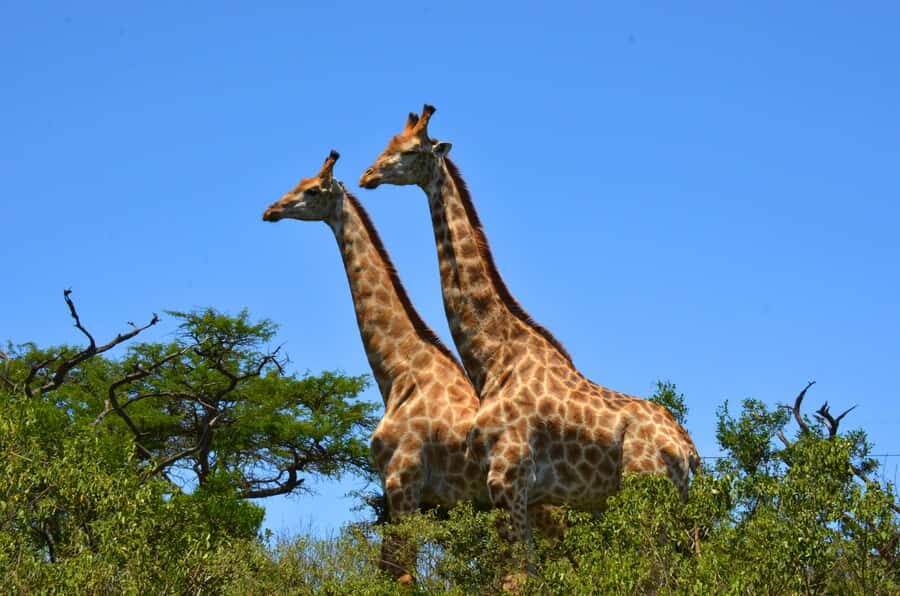
After the wetlands boat time, you shift gears to Hluhluwe-Imfolozi Game Reserve. This reserve is set in the heart of Zululand and covers about 98,000 hectares. It’s also the oldest park in South Africa, established in 1895, and that long timeline shows in the conservation focus and the way the land is managed.
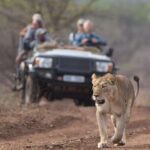
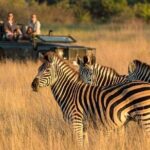
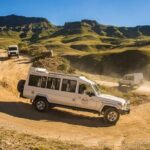
You’ll tour Hluhluwe-Imfolozi in a closed vehicle, which matters more than people think. Safari vehicles can be dusty and bumpy; a closed setup can make long game drives easier on your eyes and your skin, especially in strong sun. It also helps you spend more attention on spotting and less time fighting wind.
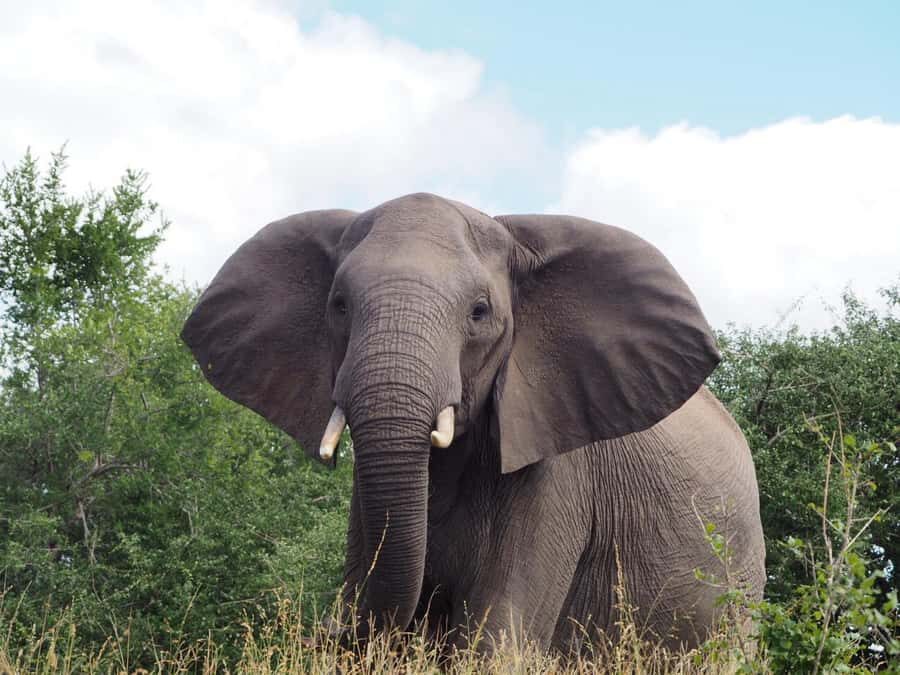
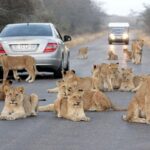
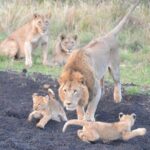
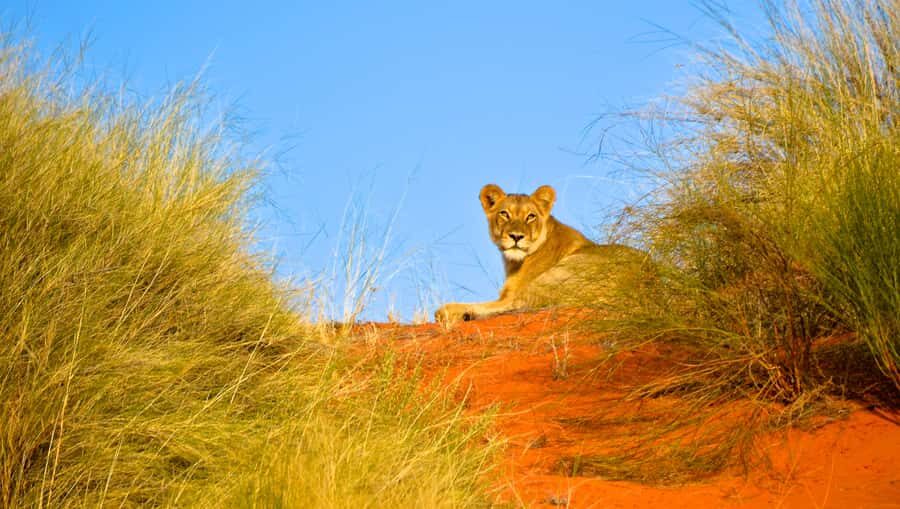
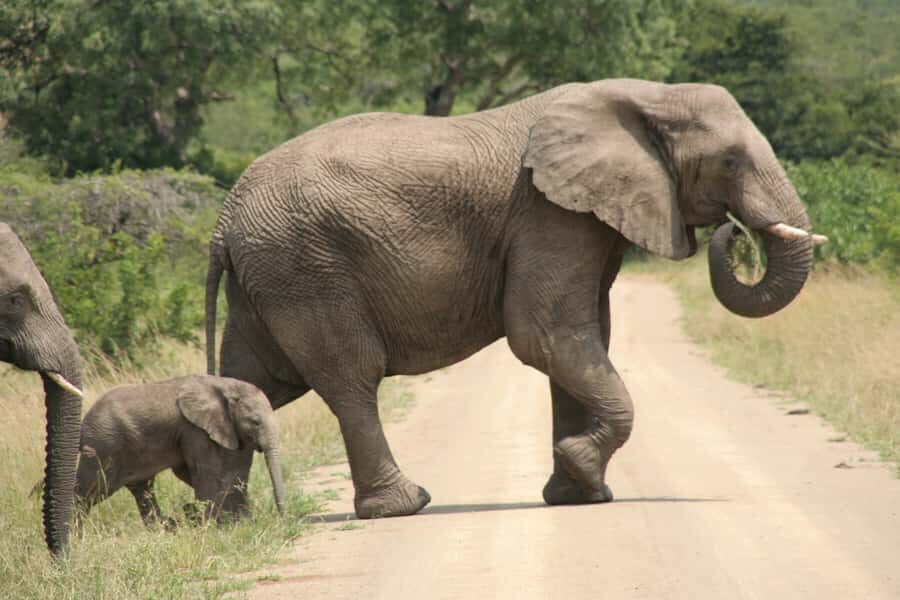
Here’s what you’re really aiming for: the Big Five. Your drive is built around searching for lions, elephants, leopards, buffalo, and rhinoceros. The park’s hilly topography and savannah setting mean animals can appear in more than one kind of terrain, so you’re not just scanning one flat view.
There’s also a smart split inside the reserve. Hluhluwe (the northern section) is known for lots of bird and animal life, while Imfolozi (the southern section) is where you go for more of the rhino and classic safari energy. That balance is helpful because it increases the odds you’ll see variety, even in a single afternoon drive.
The afternoon break at Hilltop Camp (and why it helps)
Midway through the safari, you stop at Hilltop Camp restaurant. This is positioned on a hill, so you get scenery while you refuel. It’s a practical move because your day includes two different styles of wildlife viewing, and both take energy.
This is where you should plan your meal reality. The tour does not include breakfast, lunch, or snacks, even though there’s time to eat at the camp. I’d treat that break as your main chance to get a proper meal, then budget for drinks and snacks separately if you snack often.
If you get motion sick easily, give yourself a few minutes here too. After hours of travel and time watching from a vehicle, a real reset can make the second half feel less rushed.
Rhino conservation at Hluhluwe-Imfolozi: what Centenary Capture Center means
Hluhluwe-Imfolozi is world-renowned for white rhino conservation efforts. The tour specifically mentions the Centenary Capture Center and its role in improving standards for game capture and sustainable use in Africa.
Even if you’re not a wildlife science person, this is the heart of why this reserve matters beyond “seeing animals.” Conservation centers like this are built for recovery work, monitoring, and careful management—things that have to happen long before you ever get a photo-worthy sighting.
This tour structure supports that mission. You’re not only out there for your one-day viewing. You’re visiting a place where conservation systems are part of the landscape, including efforts connected to rhino numbers and sustainable practices.
If you care about animals as more than a checklist, you’ll likely enjoy how the itinerary makes conservation a clear theme rather than background noise.
Price and logistics: is $280 good value for 12 hours?
At $280 per person for a 12-hour outing, you’re paying for a lot more than a basic drive. The tour includes entry fees, a professional guide, and hotel pickup and drop-off. Those items add up quickly if you try to stitch it together yourself.
Where costs get tricky is in the meal gap. Breakfast, lunch, and snacks are not included. That means your real total depends on what you eat during the Hilltop Camp stop and whether you buy extra drinks. If you’re the type who needs coffee and a snack on the road, budget for that early rather than hoping the tour food plan covers it.
There’s also a timing element to value. A single day that combines two major parks usually costs more than a one-park safari, but you also get more “different wildlife moments” packed into one trip. If you’re short on time in KwaZulu-Natal, that can be the best kind of value.
One practical note from experience with guides: routes and timing matter. People praise guides for finding productive areas and making the most of the day, like ZAMANI using shortcuts and locations to help you see more. A good guide is part of what you’re paying for.
Your guide can make or break the day
This tour runs with a professional guide, and the language options are a strong plus: English, French, Portuguese, and Greek, with German and Polish available on request. That matters because good spotting isn’t only about eyesight. It’s also about quick interpretation—tracks, movement, and how animals might use the terrain.
You’ll also benefit if your guide explains what you’re seeing, not just where. One French-speaking guide, Frédérick, is praised for making sure you could see the maximum number of animals with explanations worth your attention. Another guide, Bule, is noted for optimism and for sharing cultural insights alongside animal facts.
Those details are practical. When you understand what you’re looking at, the animals don’t feel like a random sighting. They feel like part of a system.
What to bring for Durban heat and long viewing days
You’ll spend hours outdoors, so pack for comfort, not style. The tour recommends comfortable shoes, sunglasses, a sun hat, and sunscreen. I agree with all of it because safari days can turn from pleasant to harsh fast.
Also consider bringing a light layer even if it’s hot. Vehicle travel and shaded areas can feel cooler, and you’ll still want your hands and neck protected from sun.
If you’re a camera person, keep wipes or tissues handy. Dust happens around safari vehicles, and it’s annoying when you’re trying to keep a lens clean.
Sighting expectations: how to stay realistic and still excited
No safari can promise specific animals. But this itinerary is designed to raise your odds by putting you in two high-value ecosystems.
In iSimangaliso, the strength is the animal density story: hippos and crocodiles are explicitly highlighted, and that usually means you spend more time watching than waiting. In Hluhluwe-Imfolozi, the strength is variety plus conservation-managed habitats that support strong rhino presence and also the broader Big Five search.
Weather can affect visibility and animal movement, and one of the guide notes emphasizes staying optimistic depending on conditions. The smarter approach for you is to treat sightings as a game of probability, not a guarantee.
And still, your goal is simple: keep your eyes moving, listen closely for guide cues, and stay patient long enough for animals to show up. Most of the best moments in reserves come when you stop rushing.
Who this Durban safari suits best
This tour fits you if you want a full day that mixes ecosystems, not just one drive and done. It’s a good match for families and all ages since the tour is described as welcoming to all ages.
It also suits you if you care about conservation. The focus on white rhino efforts and the mention of the Centenary Capture Center give you context that many “wildlife photo” tours skip.
If you’re short on time in KwaZulu-Natal and want both iSimangaliso wetlands and Hluhluwe-Imfolozi in one day, this is a strong option. If you prefer slower pacing, you might find a 12-hour schedule tiring, especially without included meals.
Should you book this tour?
Book it if you want a single-day “greatest hits” route: iSimangaliso wetlands for hippos, crocodiles, and marine-life chances, then Hluhluwe-Imfolozi for Big Five-style safari searching and conservation-focused rhino work. At $280 with entry fees, guide, and pickup included, it’s also a reasonable way to buy back time.
Consider another option if long days without included meals sound stressful. You’ll need to plan lunch and snacks yourself, and you’ll be outdoors long enough that you should take sun protection seriously.
FAQ
What parks does this tour visit?
You’ll visit iSimangaliso Wetlands Park and Hluhluwe-Imfolozi Game Reserve.
How long is the tour?
The duration is 12 hours.
Is hotel pickup and drop-off included?
Yes. Pickup and drop-off are included from central Durban, and pickup from Richard’s Bay is available on request.
Are meals included?
No. Breakfast, lunch, and other snacks are not included.
What animals are you hoping to see?
The tour highlights hippos and crocodiles in iSimangaliso, plus marine life like whales, dolphins, and marine turtles. In Hluhluwe-Imfolozi, the focus is on the Big Five (lion, elephant, leopard, buffalo, and rhinoceros).
What kind of vehicle do you use for the game drive?
You use a closed vehicle for the Hluhluwe-Imfolozi safari drive.
What languages are available for the guide?
English, French, Portuguese, and Greek are listed. German and Polish can be requested when booking.
Is the tour accessible for wheelchair users?
It is described as wheelchair accessible, and you should inform the local partner prior to the start of the tour.