REVIEW · JOHANNESBURG
From Johannesburg: 2-Day Safari into Kruger National Park
Book on GetYourGuide →Operated by Africa Moja Tours & Safaris · Bookable on GetYourGuide
Two days in Kruger feels like cheating. From Johannesburg, you’re set up for Big 5-style sightings with guided game drives, plus an overnight reset in Hazyview with the idea of a camp-fire dinner at the end of day one. One thing to factor in: food and alcohol aren’t included, and the accommodation experience can vary from smooth and attentive to a bit uneven.
What makes this trip especially practical is the rhythm: a long ride in the van, then wildlife time on an open safari vehicle, split into a late-afternoon session on day one and an early morning push on day two. With a small group (up to 15), you’ll spend less time herding people and more time scanning the bush—when the animals actually move.
In This Review
- Key things you’ll notice on this 2-day Kruger safari
- From Johannesburg to Kruger: the ride you have to plan for
- Hazyview overnight: where the safari downtime actually happens
- Afternoon and evening game drive: how you catch the hunt
- Morning drive (6:30 to 10:30): the time for action
- The Big Five angle: what you should realistically expect
- Open safari vehicles, English guiding, and what to do with all that time
- Price and value: what $616 per person is really buying
- The best parts and the potential weak spots
- Who should book this safari—and who should pause
- Should you book this 2-day Kruger safari from Johannesburg?
- FAQ
- What is the duration of this safari?
- Where does the tour take place?
- What is the pickup time on the first day?
- What are the safari times for each day?
- What vehicle is used for the game drives?
- How many people are in the group?
- Is the guide English-speaking?
- Where do I stay overnight?
- What’s included in the price?
- What isn’t included for meals and drinks?
- How does cancellation work?
Key things you’ll notice on this 2-day Kruger safari
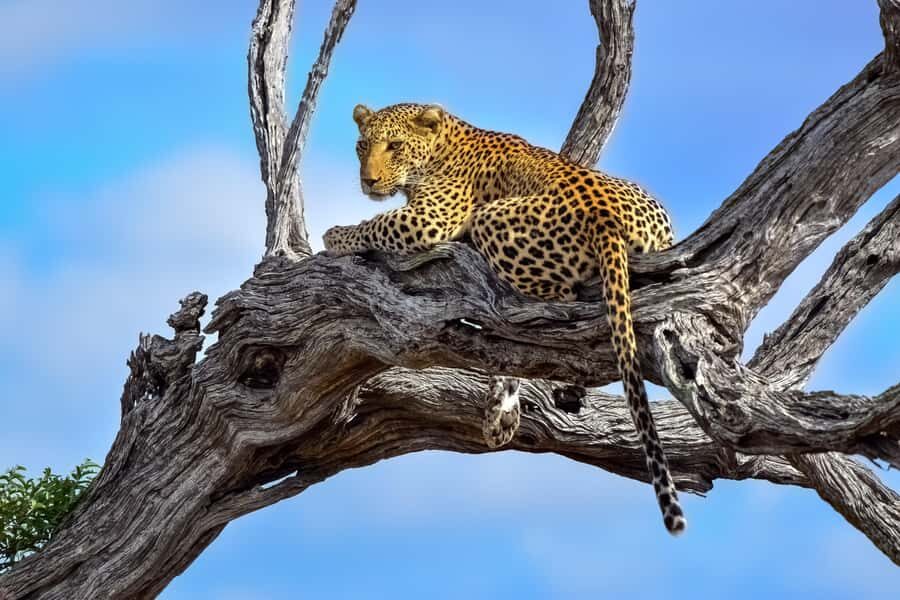
- Big cat odds improve with timing: an afternoon/evening drive and a morning drive when animals are most active
- Open safari vehicle format: better viewing and photos (and you’ll feel the heat and dust, too)
- Hazyview overnight convenience: you sleep just outside the park, so mornings start quickly
- Small group size: limited to 15 participants, which helps the guide keep things organized
- Driver quality matters a lot: one driver named Rudzani is repeatedly praised for caring, spotting, and managing the group
- Food expectations need a check: highlights mention a camp-fire dinner, but the package lists food as not included
From Johannesburg to Kruger: the ride you have to plan for
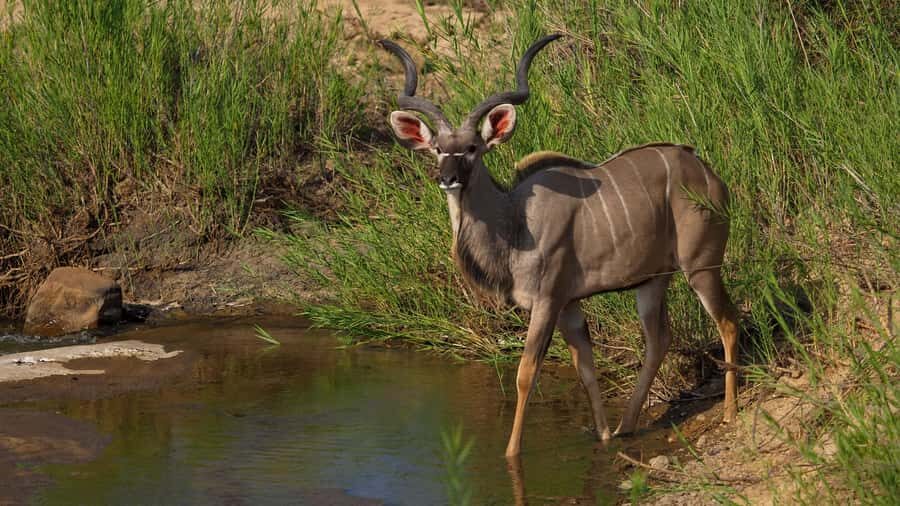
This safari is built around a simple truth: Kruger is big, so you give yourself two days worth of movement and game-drive time. You’ll start with pickup from Johannesburg-area locations like Sandton, Pretoria, Centurion, Midrand, and the East Rand, with the first-day departure scheduled sometime between 6:00 AM and 8:00 AM. That early start is not a suggestion—it’s how you get the morning wildlife session on day two without cutting the experience short.
You’ll travel by van toward the Kruger region, with the transit time listed as about 5 hours. It’s a long sit, so bring what you need to be comfortable for a day that’s part safari, part road trip: water (you’ll have bottled water provided), sunscreen, and something to keep your eyes from drying out when the car hits the sun.
The tour also notes a panoramic route style of travel. Translation: you’re not just doing highway miles. You’ll likely pass through scenic areas en route, which helps make the transfer feel less like dead time—even if your main goal is the animals.
A few more Johannesburg tours and experiences worth a look
Hazyview overnight: where the safari downtime actually happens
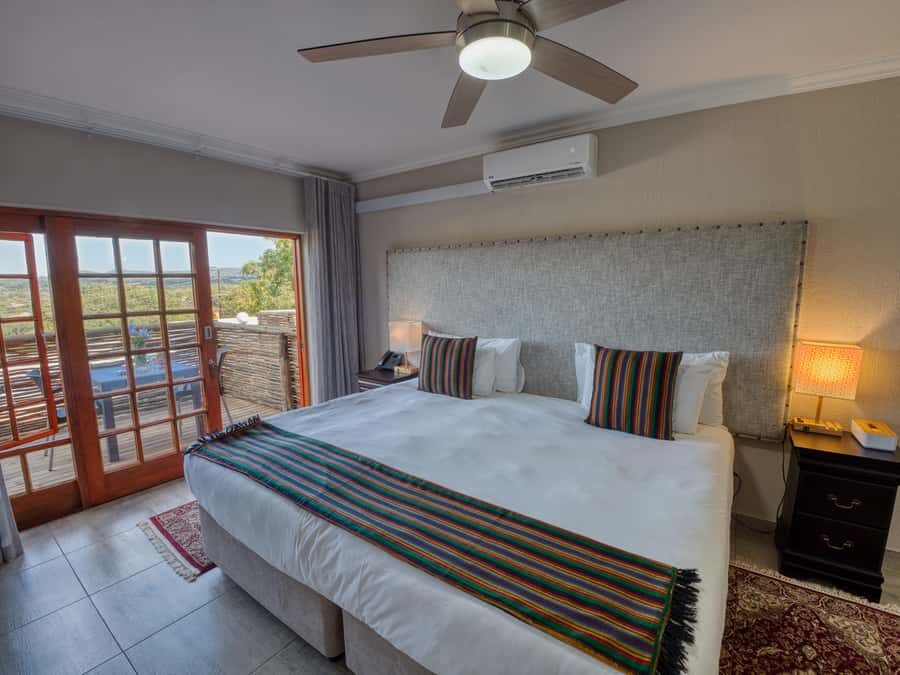
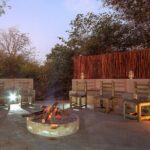
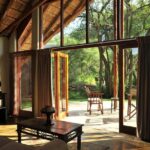
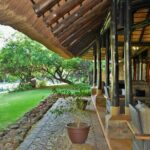
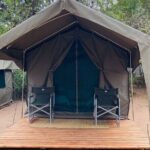
You don’t stay inside the park. Instead, you overnight in Hazyview, which sits outside Kruger. That matters because it’s a “sleep and recharge” base: you avoid the stress of last-minute park logistics and you can be ready quickly for the early morning game drive.
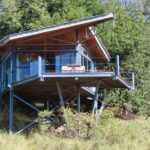
The tour data specifies an overnight at a 3-star Protea Hotel Hazyview outside the Kruger National Park. At the same time, the itinerary mentions Tembo Guest Lodge. If you’re booking for a specific hotel experience, confirm the exact property assigned to your departure—this is one of those details that can change by date or availability.
After you arrive and settle in, day one includes time to freshen up and then go out again. This is more than just convenience. In Kruger, predators often show their best behavior when you’re positioned well and your timing is right. Getting sleep and being ready to roll on schedule makes your spotting odds better than pushing tired eyes through another half day.
Afternoon and evening game drive: how you catch the hunt
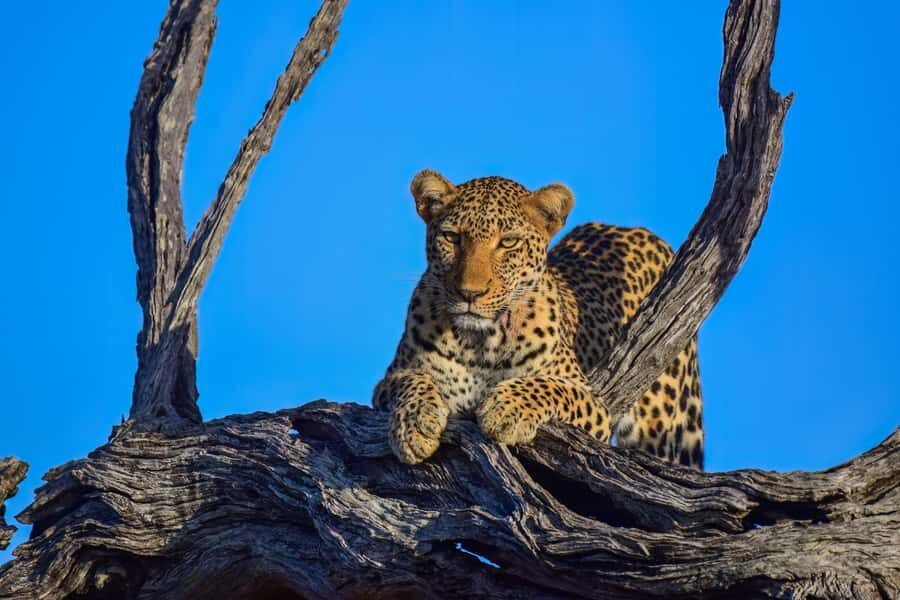
Day one is designed around a park drive in the afternoon-to-evening window. The schedule lists an afternoon safari from 1:00 PM to 4:30 PM, and the experience description frames this as a drive when big cats and other wildlife may be active. In practical terms, this is the window when the day’s heat starts to ease, and animals change their movement patterns.
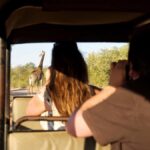
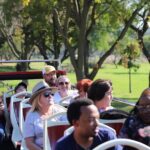
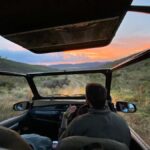
The park drive itself uses an open safari vehicle, which is exactly what you want for wildlife viewing. You get a cleaner look at animals against the bush, and you can often get better photos than you would from a closed vehicle. You will also feel the reality of open-vehicle travel—sun in your eyes, wind on your face, and dust if conditions are dry—so sunglasses, a sun hat, and sunscreen are more than checklist items.
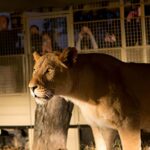
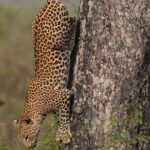
Your guide’s job here is not just “drive and hope.” The difference between a good safari day and a great one is finding the right signals: where herbivores are moving, what looks disturbed, and where predators might be tracking. The emphasis on lions, leopards, and big cats is part of that. If you’re lucky, you’ll see cats at rest and cats in motion—both are useful for understanding what’s happening in the ecosystem.
Some departures also mention a camp-fire dinner after the drive. But here’s the key value-check: the package states that food isn’t included. That doesn’t automatically mean you won’t eat well; it does mean you should confirm what meals are actually covered on your date and what you’ll pay extra for.
Morning drive (6:30 to 10:30): the time for action
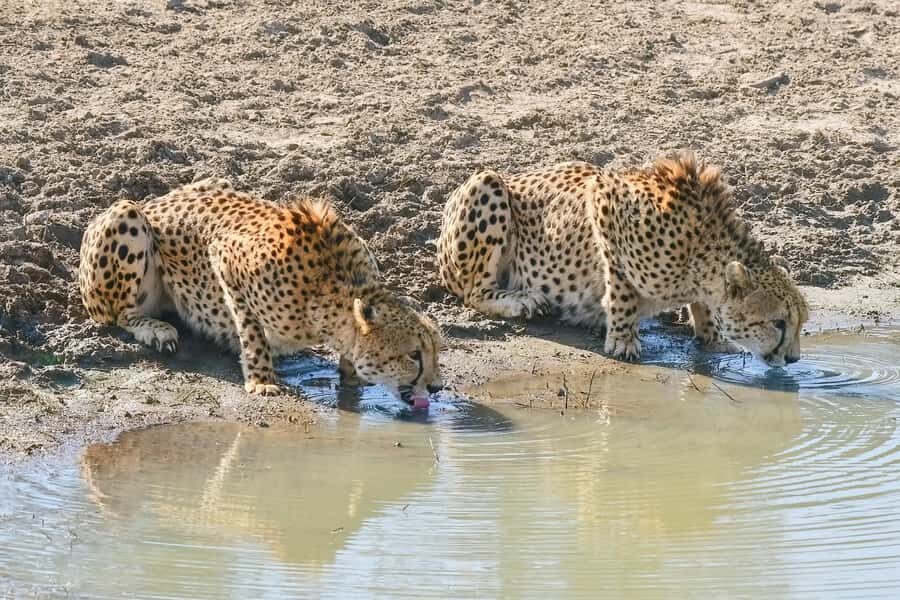
On day two, you wake early for the morning safari, scheduled from 6:30 AM to 10:30 AM. This is prime wildlife time for two reasons. First, animals often move and feed more actively in cooler morning conditions. Second, your guide has daylight on their side, which helps for positioning and tracking.
The experience description focuses on big cats heading home after nighttime hunts, plus hyenas scavenging remains. Even if you don’t catch exactly that sequence, the concept is solid: predators and scavengers respond to where food and opportunity are. You might not see a full storybook scene every time, but morning drives tend to offer more chances at movement, calls, and fresh tracks in the sand.
This is also where your guide earns their fee. When a safari guide finds animals quickly, you get the best kind of time: extra moments watching behavior instead of extra time searching. One driver named Rudzani is praised for being kind and taking care of participants, and another guide is credited with finding animals well enough to see four of the Big Five. That’s a reminder that the same itinerary can feel very different depending on how the guide reads the park.
When you return, you’ll have breakfast at camp and then a last chance to spot wildlife before heading back toward Johannesburg. The pacing is designed so you don’t end the trip empty-handed. A quick extra look at wildlife before you leave can matter—sometimes the best moment is the one you nearly rushed past.
The Big Five angle: what you should realistically expect
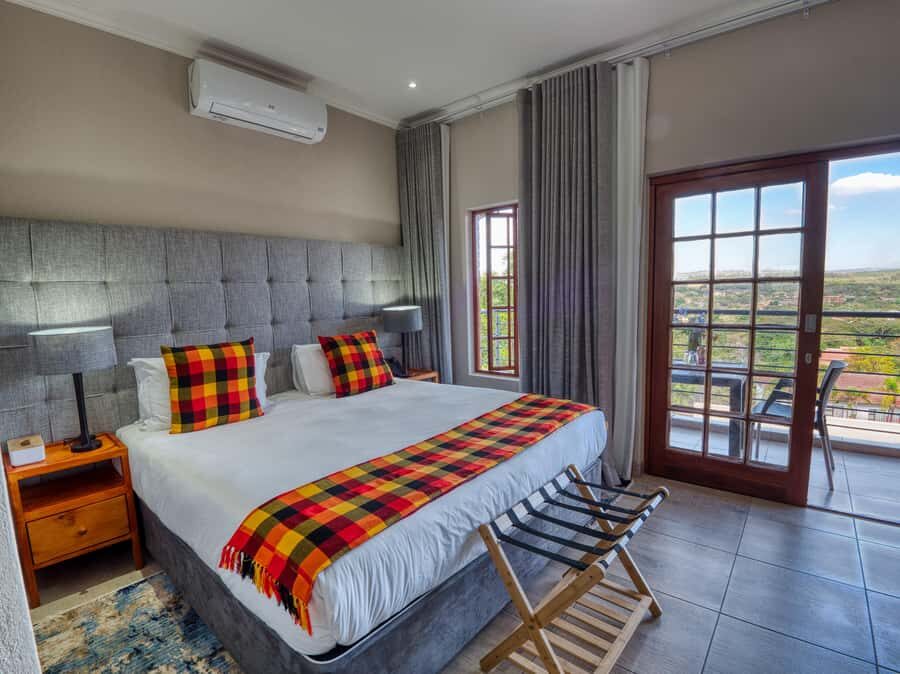
This safari is marketed around the Big 5 idea. That phrase gets used a lot, and it can feel like a promise—but in Kruger, it’s best treated as a target. The real value is that you’re in the right place at the right times with guided help for predator sightings, not just watching a random loop.
Here’s how to think about it in a useful, non-stressful way:
- If you see one or two Big Five animals, that can still be a win because big cat sightings are often about luck plus positioning.
- If you manage to see more (like the reported four Big Five sightings on a past departure), that’s when you feel the payoff of timing and a good guide.
- Even without the full list, the ecosystem scenes—tracking signs, herbivores attracting predators, hyenas working the edges—can be just as memorable.
The bottom line: you’re paying for time in Kruger with two structured game drives, plus the logistics handled. The wildlife outcome depends on the animals that show up during your slots, not on a script.
A few more Johannesburg tours and experiences worth a look
Open safari vehicles, English guiding, and what to do with all that time
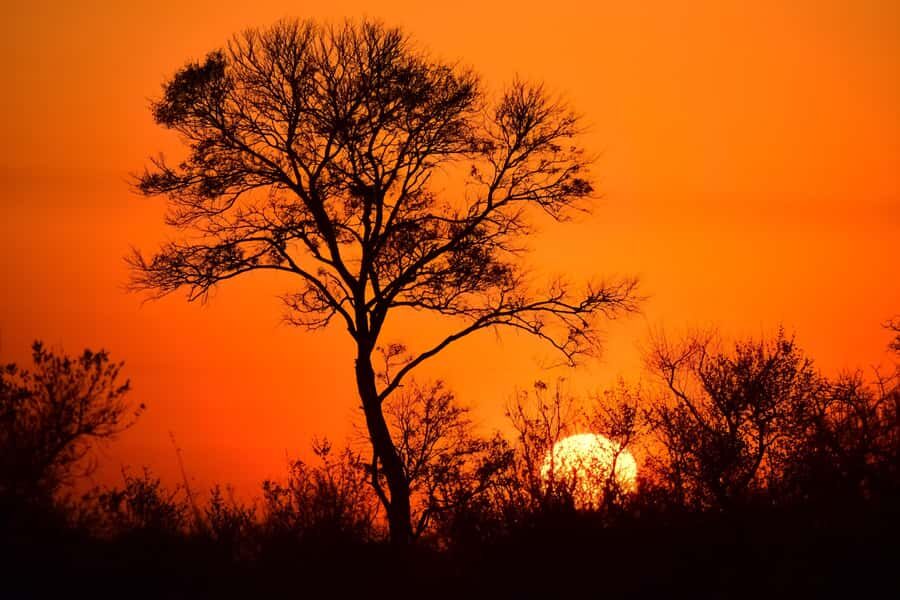
The safari runs on open safari vehicles, and your guide speaks English. The tour also notes an English audio guide included. That combination is helpful: your live guide can react to what you’re seeing, while the audio can reinforce context if you miss a detail.
Small group size matters here. With up to 15 participants, the guide can manage stops without the group getting stretched out too far. That leads to less time waiting and more time watching from the same vantage points.
If you want to be a better wildlife spotter quickly, treat the first 10–15 minutes of each drive like training time. Scan broadly, then narrow your focus. Watch for movement around water, along road edges, and in places where animals would pause. Predators often show up where food activity is already happening.
Also, don’t ignore the practical comforts. Comfortable shoes help when you’re stepping around at camp or loading/unloading. A sun hat and sunscreen matter more than you’d think, especially in the early morning when you don’t feel the sun warming up yet.
Price and value: what $616 per person is really buying
At $616 per person for a 2-day format, you’re paying for more than “a safari.” The package includes:
- pickup and drop-off from the Johannesburg-area locations
- a driver/guide
- accommodation in the Hazyview area
- entrance and national park fees
- bottled water
What’s not included is equally important: food and alcoholic drinks aren’t included (alcohol may be available to purchase). The value equation, then, is whether the included game-drive time and lodging outweigh the extra cost you’ll spend on meals.
If your dream Kruger experience includes one or more structured meals—especially the tour’s mention of a camp-fire dinner—treat meal inclusion as a “confirm before you go” item. Some departures run with meal service that matches the vibe in the highlight section. Others can feel more pay-as-you-go once you arrive. The accommodation is also described as sometimes less polished than expected given the price, so if you’re the type who wants top-tier food and service on site, budget mentally for that possibility.
Still, even with food excluded, the big-ticket items—park fees, two game drives, and lodging—are handled. For many people, that’s the real value: fewer logistics on your side and a structured schedule that gets you into Kruger when wildlife is most active.
The best parts and the potential weak spots
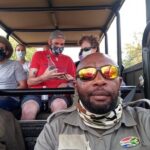
The most praised aspect of this safari is the wildlife experience itself: guided game drives that help you spot major animals, plus the feeling of being out there in real habitat. A driver named Rudzani is repeatedly described as caring and attentive, which tells you that personality and driving skill matter on these roads.
Guides also get credit for actively finding animals, not just driving around. That lines up with what you need from a short safari: you don’t have time to waste. If your guide is quick and calm—stopping at the right places, explaining what you’re seeing—you’ll feel the difference immediately.
On the downside, there are two recurring considerations:
1) Accommodation and meal expectations can be inconsistent. Some people felt the lodge service and food didn’t match the price level, while others noted issues like communication gaps and planning confusion.
2) Driving style and communication can vary. One negative experience describes a drive that felt unsafe and fast, and mentions lack of clear information on the ground. That doesn’t mean every departure is like that, but it’s a strong reason to pay attention to how your driver handles the vehicle and whether you’re getting clear instructions.
If you’re going on this safari, you can protect yourself a bit by checking with the guide early about timings for safari departure, where meals are paid/provided, and what the overnight setup will be for your specific date.
Who should book this safari—and who should pause
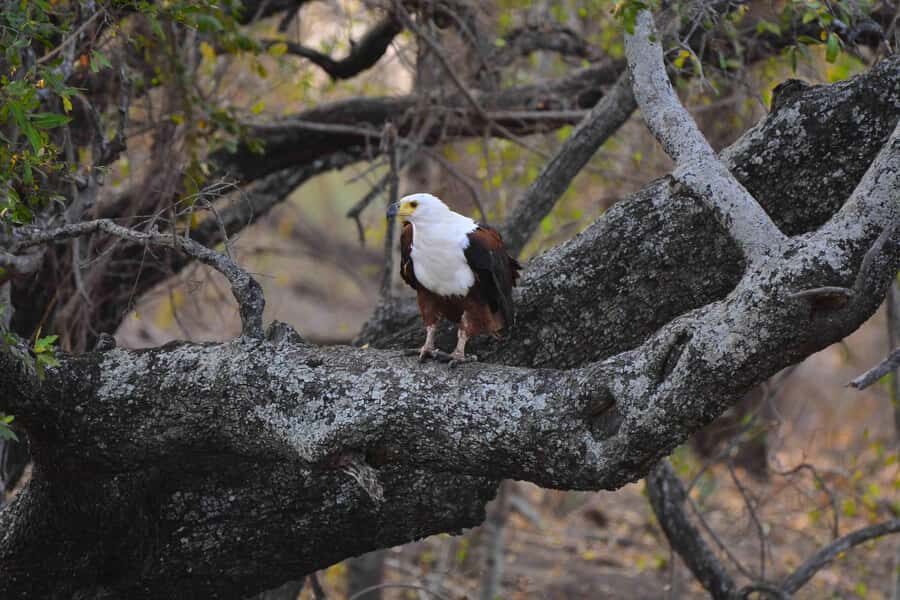
This trip fits best if you want a tight, structured 2-day Kruger experience without doing planning heavy lifting. It’s also a good match if you like small groups and want English guidance rather than a self-drive mission.
It may be less ideal if your main priority is guaranteed lodge service quality and fully included meals. Because food isn’t included and accommodation standards may vary, you’ll likely enjoy this more if you’re flexible and focus on the wildlife portion.
It also makes sense to book if you’re comfortable with early mornings and long van rides. You’re trading comfort of slow travel for two chances at the wildlife schedule—afternoon into evening on day one, and a morning drive on day two.
Should you book this 2-day Kruger safari from Johannesburg?
Yes—if you want two guided chances to spot predators and you’re okay treating the Big Five as an exciting target rather than a guaranteed checklist. The package covers the hard parts (park fees, lodging, drives, transfers), and the best-case experiences lean heavily on strong guiding and caring drivers like Rudzani.
Pause and double-check details if you’re picky about included meals and want a consistently high-end lodge experience. Since the tour notes food isn’t included but also highlights a camp-fire dinner vibe, confirm what your date includes for meals and what you’ll be expected to pay on site.
If you go in with the right mindset—wildlife first, flexible expectations second—you’ll likely walk away with that rare feeling: you saw Kruger doing what Kruger does, not just a tourist version of it.
FAQ
What is the duration of this safari?
The safari runs for 2 days.
Where does the tour take place?
It takes place in Limpopo, South Africa, at Kruger National Park, with an overnight stay in the Hazyview area outside the park.
What is the pickup time on the first day?
Pickup departs Johannesburg between 6:00 AM and 8:00 AM on the first day.
What are the safari times for each day?
Day one includes an afternoon safari from 1:00 PM to 4:30 PM. Day two includes a morning safari from 6:30 AM to 10:30 AM.
What vehicle is used for the game drives?
Game drives are done on an open safari vehicle inside Kruger National Park.
How many people are in the group?
The tour is a small group limited to 15 participants.
Is the guide English-speaking?
Yes. The live tour guide is English, and an English audio guide is also included.
Where do I stay overnight?
You stay in Hazyview at a 3-star property outside Kruger. Protea Hotel Hazyview is specified in the tour details.
What’s included in the price?
Pickup and drop-off, a driver/guide, accommodation, entrance fees, national park fees, and bottled water are included.
What isn’t included for meals and drinks?
Food is not included, and alcoholic drinks are not included (they may be available to purchase).
How does cancellation work?
You can cancel up to 24 hours in advance for a full refund.