REVIEW · DURBAN
Hluhluwe Imfolozi Safari Day Tour from Durban
Book on Viator →Operated by 1st Zulu Safaris · Bookable on Viator
A Big Five safari day with options. I like the straightforward plan: you start in Durban, drive north to Hluhluwe-iMfolozi, then spend the key hours hunting for elephants, lions, rhinos, buffalo, and leopards. The main watch-out is that the safari portion is run as a closed vehicle game drive, so don’t count on the classic open-vehicle view.
What makes this tour interesting is how much you pack into one long day: you’re picked up early, reach the reserve after about 2 hours 30 minutes, and you’re back for a choice of after-lunch experiences. If you want variety beyond just wildlife, the three post-drive options (boat on an estuary, a wild cat sanctuary/rehab center, or a Zulu cultural village) can turn the day into something more memorable than a single park visit.
In This Review
- Key Things to Know Before You Go (Hluhluwe-iMfolozi From Durban)
- Durban to Zululand: The Drive That Sets the Tone
- Hluhluwe-iMfolozi Game Reserve: A Serious Safari Location
- What the “Big Five” search really means on a day like this
- The ride itself: closed vehicle viewing
- Timing and the 3-Hour Wildlife Block
- Picnic Lunch on Your Own: Keep It Simple
- After-Lunch Choice: Three Different Kinds of Value
- Option 1: Isimangaliso Wetlands Park estuary boat trip
- Option 2: Emdoneni Wild Cat Sanctuary and Rehabilitation Center
- Option 3: Dumazulu Cultural Village
- Price and Value: What You’re Actually Paying For
- The Group Size Reality (And Why It Matters)
- Who This Tour Suits Best
- Book or Skip: My Practical Recommendation
- FAQ
- FAQ
- What time does the tour start from Durban?
- How long is the Hluhluwe-iMfolozi safari day tour?
- Is pickup from Durban included?
- Does the tour include admission to the game reserve?
- What animals are you looking for during the safari?
- Is lunch included?
- What can I choose after lunch?
- What kind of vehicle is used for the game drive?
Key Things to Know Before You Go (Hluhluwe-iMfolozi From Durban)
- Early start, long day: Start at 6:00 am and plan for about 12 hours total.
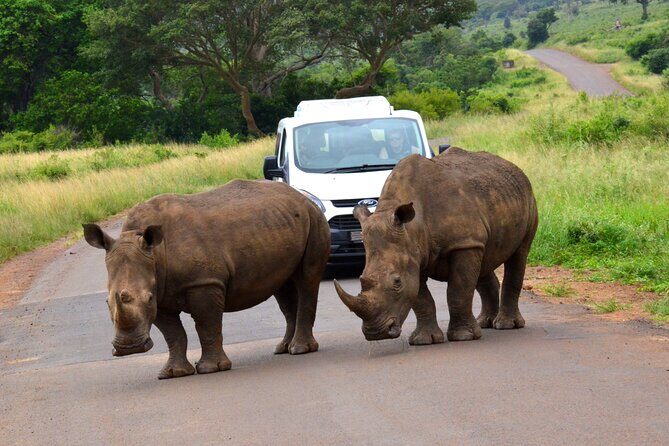
- Big Five focus: The park search centers on the animals most people came for: lion, elephant, leopard, buffalo, and rhino.
- Closed vehicle safari: The game drive is described as a closed vehicle outing, so views depend on the vehicle setup.
- 3-hour main wildlife block: You get about 3 hours of game driving with an admission ticket included.
- After lunch, choose your add-on: Pick one: Isimangaliso Wetlands Park (estuary boat trip), Emdoneni Wild Cat Sanctuary & Rehabilitation Center, or Dumazulu Cultural Village.
- Lunch is on your own: The midday stop is a picnic lunch, but you’ll pay for it yourself.
Durban to Zululand: The Drive That Sets the Tone
This is a full-day excursion that begins in Durban at 6:00 am. The early departure matters because wildlife viewing is best when animals are active, and because the drive north eats time before you even reach the gate.
You’ll head along the coast toward northern KwaZulu-Natal and arrive at the Hluhluwe-iMfolozi Game Reserve gate about 2 hours 30 minutes after leaving Durban. Once you’re in the reserve area, you’re not just dropped off and left alone. You’ll be with a professional guide who runs the game search and helps you spot wildlife across the reserve’s savannah and hills.
One practical note: pickup is included only inside a 5 km radius of Durban. If you’re staying just outside that zone, you might need to plan how you’ll get to the meetup point.
A few more Durban tours and experiences worth a look
Hluhluwe-iMfolozi Game Reserve: A Serious Safari Location
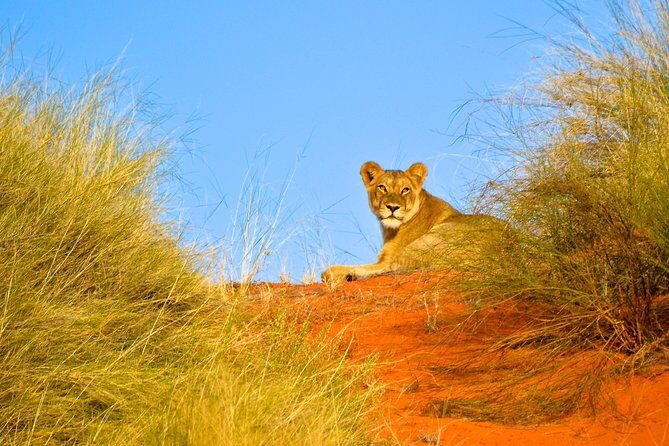
Hluhluwe-iMfolozi is set in Zululand, and it’s a big deal historically and ecologically. The park dates back to 1895 and covers about 98,000 hectares, which is part of why the area supports a wide range of animal life and birds.
The terrain is also part of the story. You’re not viewing wildlife from perfectly flat ground. The reserve has hilly topography, so sightings can come from different elevations and sightlines. That matters when you’re trying to catch movement before it’s gone behind trees or across a slope.
The reserve is split into northern and southern sections, and both are included in the general approach:
- Hluhluwe (northern section) is known for a wide variety of bird and animal life.
- iMfolozi (southern section) rounds out the experience with additional safari terrain and habitat.
What the “Big Five” search really means on a day like this
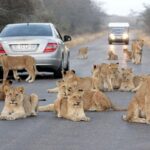
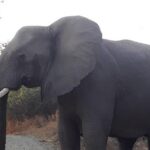
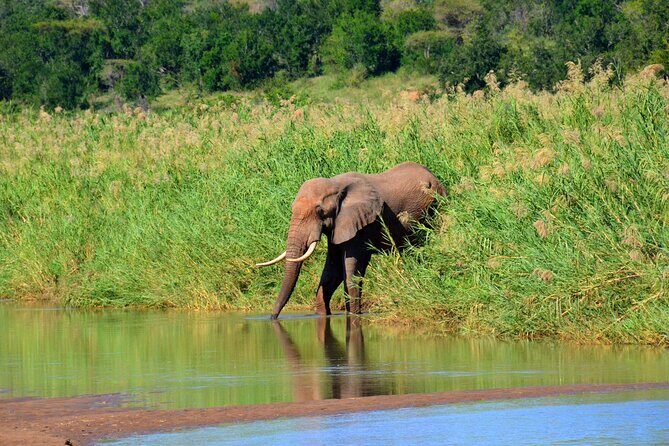
You’re going after the Big Five—elephants, lions, rhinos, water buffalo, and leopards—but you’re doing it the right way: with guided searching in a reserve where those animals live. That’s more reliable than trying to self-drive with no local help.
Still, I’d keep expectations grounded. Safari success isn’t guaranteed. Wildlife sightings depend on weather, animal movement, and where the guide is focusing attention that day. A good guide keeps you in the right zones and helps you interpret what you’re seeing—tracks, feeding signs, and where animals might cross.
The ride itself: closed vehicle viewing
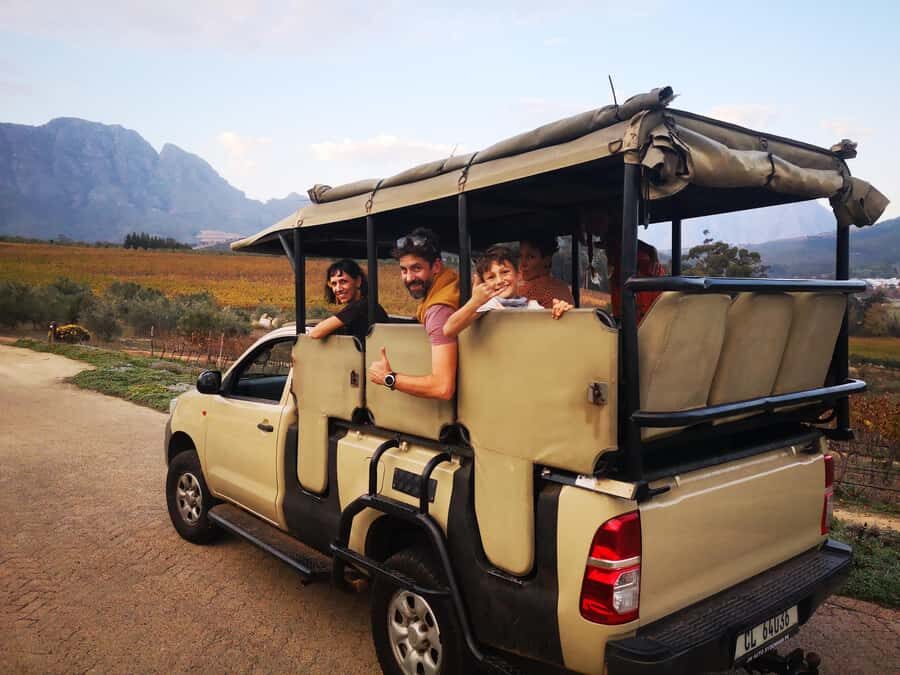
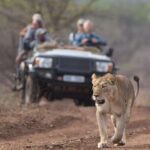
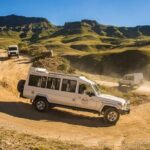
The tour’s safari portion is described as a closed vehicle game drive. That’s a big deal for comfort and safety. Closed vehicles can also make it harder to get the exact angles you want for photos, especially compared with open vehicles that let you shoot through an open side.
If you care a lot about photo angles, consider this before booking. The tour does include an admission ticket for the main wildlife block, so you’re paying for the reserve time and the guide—not for a specific vehicle style.
Timing and the 3-Hour Wildlife Block
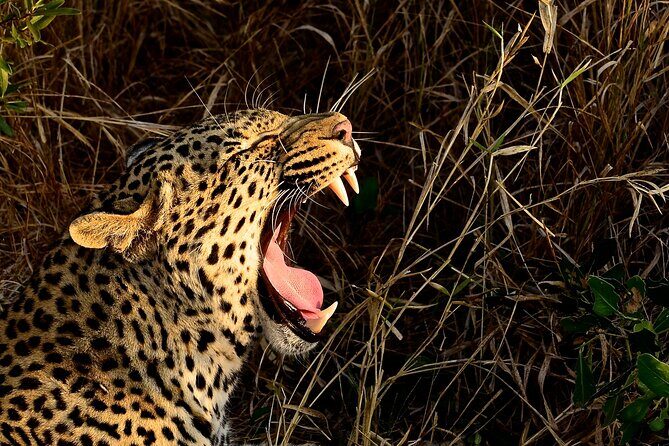
You’ll spend about 3 hours in the game drive, with admission included for the safari portion. For many people, that’s the heartbeat of the day.
Here’s how I’d think about those hours:
- Early in the drive, guides often check likely zones where you can get early sightings.
- As the drive continues, you usually adjust based on what’s showing up—whether it’s fresh activity, animal movement, or signs of larger predators nearby.
- The guide’s job is to keep the search moving without wasting time.
Because the tour is designed as a structured day trip, you’ll also feel the pacing. It’s not a slow, all-day wandering safari; it’s a focused session where the guide pushes for quality sightings.
Picnic Lunch on Your Own: Keep It Simple
At midday, there’s a picnic lunch stop. The key point: food and drinks are not included, so this is an “own expense” moment.
I like this setup because it gives you flexibility. You can pack what you prefer (and avoid surprise menu situations), or you can buy lunch if the day’s stop offers that option. But plan for it either way: a long wildlife day adds up fast, and hunger can steal attention from what matters—spotting animals.
If you’re the type who gets hungry between sightings, you’ll be happier if you treat lunch as fuel rather than as a long break.
After-Lunch Choice: Three Different Kinds of Value
After lunch, you don’t just roll back to Durban. You choose one of three add-ons. This is where the tour can become more than a wildlife outing.
Option 1: Isimangaliso Wetlands Park estuary boat trip
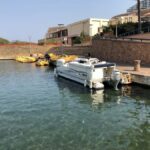
If you choose Isimangaliso Wetlands Park, you’re looking at a different environment after the savannah game drive. The add-on includes an estuary boat trip, which can be a nice contrast: wildlife viewing moves from land search to water-and-shore observation.
This option fits you best if you want the day to feel varied and if you enjoy seeing animals from a different perspective. It’s also a good pick when you’d like your day to include something scenic and not only Big Five scanning.
Option 2: Emdoneni Wild Cat Sanctuary and Rehabilitation Center
If you pick Emdoneni Wild Cat Sanctuary and Rehabilitation Center, you’re shifting focus from big-game safari to conservation work. The tour framing is centered on the sanctuary and rehabilitation angle, meaning it’s designed around wild cat welfare and recovery.
This is a strong choice if you care about conservation in a practical way—especially if you want your day to include a human-driven effort alongside the nature viewing part.
Option 3: Dumazulu Cultural Village
If you choose Dumazulu Cultural Village, you’re adding a cultural stop centered on Zulu life. It’s a good contrast to both the safari drive and the animal-focused options.
This works best if you want a full-day experience that doesn’t treat culture as an afterthought. It also helps balance the day so it isn’t only about spotting animals through a vehicle window.
Price and Value: What You’re Actually Paying For
The listed price is $207.26 per person. At first glance, that’s a lot for a day trip—but when I break down what you get, the value picture makes more sense.
You’re paying for:
- Hotel pickup and drop-off within a 5 km radius of Durban
- A professional guide
- Park access via admission included for the safari portion
- Transportation north and back
- A structured wildlife window (about 3 hours)
- Plus you can add one of three after-lunch excursions (depending on what’s chosen)
What you’re not paying for is also clear: food and drinks are not included, and the picnic lunch is your responsibility.
So the “value check” for me is simple: if Big Five spotting and guided safari time are your priority, this can be a solid use of a day. If you’re mostly interested in casual park wandering, you might feel the price more sharply—because you’re buying structure, timing, and expertise.
The Group Size Reality (And Why It Matters)
The tour has a maximum size of 99 travelers. That number sounds big, but the experience can still feel manageable depending on how the operator handles vehicles and the flow of the day.
Still, I’d treat this as a planning factor. A larger group can mean:
- busier departure energy
- more managing of timing during pickup
- a possibility that you won’t always have the same level of personal attention you’d get on a smaller private safari
The good news is that the day includes a professional guide and a defined wildlife schedule, which helps keep the experience organized.
Who This Tour Suits Best
This is a great match if you:
- want a Big Five-focused day safari from Durban without the hassle of self-driving
- prefer guided searching over guessing
- like having a built-in choice after lunch (boat, wild cat rehab, or Zulu culture)
- are okay with a closed vehicle safari rather than an open-vehicle experience
It’s less ideal if your #1 priority is maximum photo freedom with an open-sided setup, because the safari drive is described as closed.
Book or Skip: My Practical Recommendation
I’d book this tour if you’re on a tight schedule and want a one-day hit of Hluhluwe-iMfolozi with real guided wildlife time. The combination of a structured 3-hour game drive plus an after-lunch add-on makes your day feel full, not repetitive.
Skip it if you’re specifically chasing the classic open-vehicle safari look and you’ll be unhappy with a closed vehicle instead. Also, budget for lunch since food and drinks are not included.
If you want the “best of both worlds”—animals in the morning and a different kind of experience after lunch—this tour gives you that choice in a single day.
FAQ
FAQ
What time does the tour start from Durban?
The tour starts at 6:00 am.
How long is the Hluhluwe-iMfolozi safari day tour?
The duration is about 12 hours (approx.).
Is pickup from Durban included?
Yes. Hotel pickup and drop-off are included inside a 5 km radius of Durban.
Does the tour include admission to the game reserve?
Yes. The main game drive portion includes admission ticket included.
What animals are you looking for during the safari?
The tour focuses on Africa’s Big Five: lion, elephant, leopard, water buffalo, and rhinoceros.
Is lunch included?
No. There is a picnic lunch midday, but food and drinks are not included (own expense).
What can I choose after lunch?
After lunch, you can choose one option: Isimangaliso Wetlands Park estuary boat trip, Emdoneni Wild Cat Sanctuary and Rehabilitation Center, or Dumazulu Cultural Village.
What kind of vehicle is used for the game drive?
The safari portion is described as a closed vehicle game drive.