REVIEW · JOHANNESBURG
Lesedi Cultural Village Tour
Book on Viator →Operated by Solly · Bookable on Viator
Big culture energy, far from the city buzz. This Lesedi Cultural Village tour takes you from modern Johannesburg into a focused day of southern African traditions, with a village walk, drumming, and a dance performance included in the ticket. It’s built to be easy to manage: pickup, drop-off, and a tight route that helps you actually understand what you’re looking at.
What I like most is the small-group feel—up to about 15 people—so you’re not just watching from the back row. I also appreciate that the tour includes the entrance fees and the show, so the main value is right there on the schedule, not hidden in add-ons.
The one thing to keep in mind is expectation-setting. Lesedi is often described as a “cultural village” experience rather than a real, everyday settlement, so if you’re hoping for an unfiltered visit to a living community, you may feel the difference.
In This Review
- Key things to know before you go
- Why Lesedi Cultural Village Works From Johannesburg
- Price and Value: What $94.90 Actually Buys
- The 5–6 Hour Flow: From Pickup to Return
- Arrival at Lesedi: Songs, a Village Walk, and Zulu Warrior Focus
- Village Performance: Drums and Dance That Actually Get Your Attention
- Lunch After the Show and the Craft Market Reality Check
- The Guide Factor: Why Names Like Solly, Tshepo, and Simba Matter
- Who Should Book This Lesedi Tour (and Who Might Want Alternatives)
- Should You Book? My Practical Take
- FAQ
- What time does the Lesedi Cultural Village tour start?
- How long is the experience?
- Is hotel pickup and drop-off included?
- What’s included in the ticket price?
- Is lunch included?
- Can I get a full refund if I cancel?
Key things to know before you go

- Hotel pickup and drop-off in an air-conditioned vehicle saves you time in Johannesburg traffic
- Small group size (max about 15) keeps the experience personal and question-friendly
- Village walk plus a performance means you get both context and showtime
- Drums and dance are a big part of the experience, not a quick add-on
- Craft market time gives you a chance to shop, though the setup can feel more tourist-oriented
- Lunch and drinks cost extra, even though the main ticket covers the key cultural parts
Why Lesedi Cultural Village Works From Johannesburg
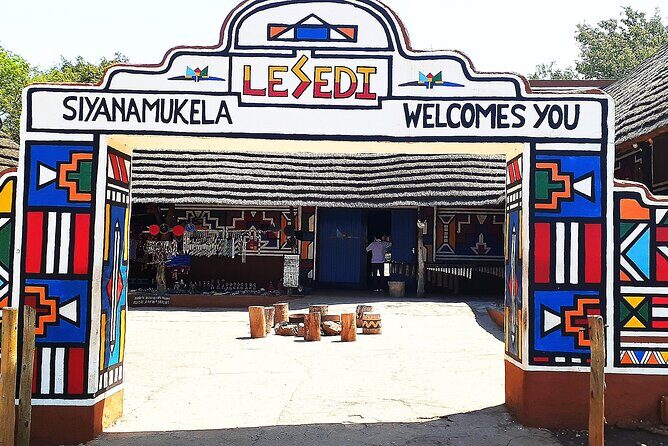
Johannesburg can feel fast, modern, and busy in a way that makes it hard to picture older ways of life. That’s exactly where this tour earns its keep. You’re not just “going to a place.” You’re being guided through a story about different peoples and customs of southern Africa, then you’re shown the rhythm side of culture through performance.
One practical plus: the tour is built around not having to figure things out yourself. You get pickup, transport in an air-conditioned vehicle, and drop-off back to your hotel. That matters in Johannesburg, where moving around can eat up your day if you’re not careful.
Also, the tour timing helps. The experience starts at 10:00 am, which gives you time on the same day without burning the whole day in transit. Plan on it feeling like a half-day adventure, not a short stop-and-skip.
You can also read our reviews of more tours and experiences in Johannesburg.


Price and Value: What $94.90 Actually Buys
At $94.90 per person, this isn’t a budget “walk-by” activity, but it’s also not priced like a luxury private cultural consultation. The value sits in what’s included: entrance fees, the dance performance, all fees and taxes, and a bottle of water.
The best way to think about it is this: if you were to do the transport yourself plus pay for site entry and a structured show, you’d likely end up spending close to the same total anyway. The tour also bundles the explanation piece. You’re not only buying access—you’re buying interpretation.
Two costs to remember:
- Lunch isn’t included in the ticket price (it’s available after the show, but you’ll pay).
- Drinks aren’t included either.
So if you’re trying to keep your day lean, eat before you go, bring snacks if that’s allowed by your comfort level, and then budget for at least water/soft drinks once you arrive. If you don’t mind spending a bit more on the meal, the lunch option can feel like a natural finish after the performance.
The 5–6 Hour Flow: From Pickup to Return
This tour runs about 5 to 6 hours total. The schedule includes roughly 4 hours at the cultural village, plus the drive both ways. That matters because you’ll want to plan your day around it like a true activity, not a quick add-on.
Here’s how the day tends to feel based on the way the tour is structured:
- You’re collected from your hotel in the morning.
- You head out to Lesedi Cultural Village and start with orientation and context.
- Once there, you begin with a traditional welcome, then move into the village walk.
- You finish with the drumming and dance performance.
- Afterward, you have time for lunch (extra) and then browsing at the craft market.
- Then you’re back in the vehicle for the return to your accommodation.
You’ll want to wear comfortable shoes. Even though it’s not described as a marathon hike, you’ll be walking through different village areas as part of the tour route.
Arrival at Lesedi: Songs, a Village Walk, and Zulu Warrior Focus
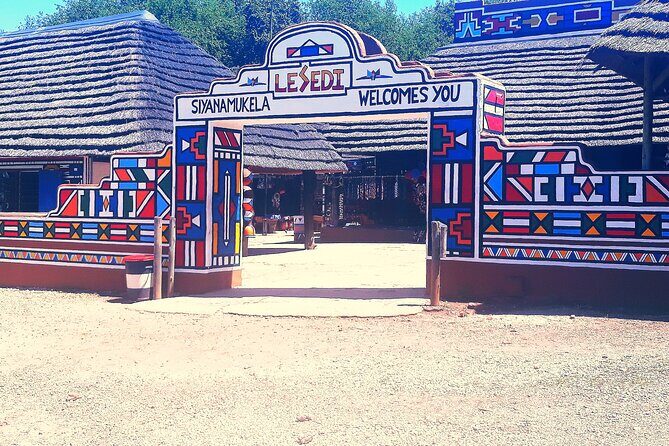
When you arrive at Lesedi Cultural Village, the day starts with traditional songs to set the tone before the show portion begins. That’s more than atmosphere. It helps you settle into what the staff want you to notice—movement, music, and the idea that culture isn’t just static artifacts.
The tour route includes a visit to five villages, with explanations tied to southern African traditions. One mention that stands out is the Zulu warrior component. That typically means you’ll get stories tied to roles, dress, and cultural meaning—then see how those themes are presented through the village walk format.
This is also where the guided aspect matters. If you’re the type who likes to ask questions, a small group makes it easier to get answers without feeling rushed. If you’re the type who just wants to see and absorb, the walk still works because you’re given a sequence rather than wandering.
One practical tip: if you’re serious about getting meaning from it, listen closely to the guide’s framing before each part. The tour moves on quickly, and the “why” is often said early.
Village Performance: Drums and Dance That Actually Get Your Attention
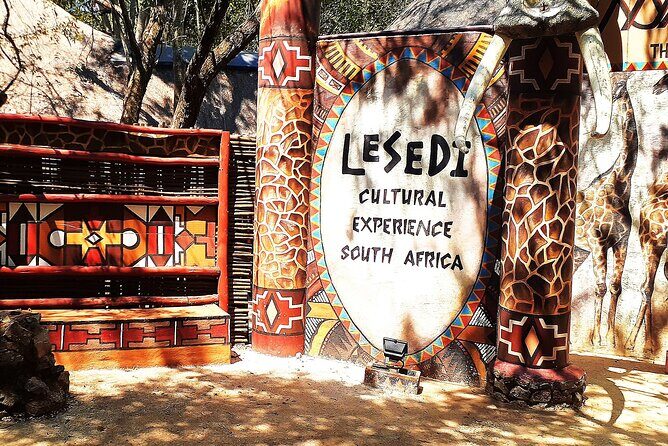
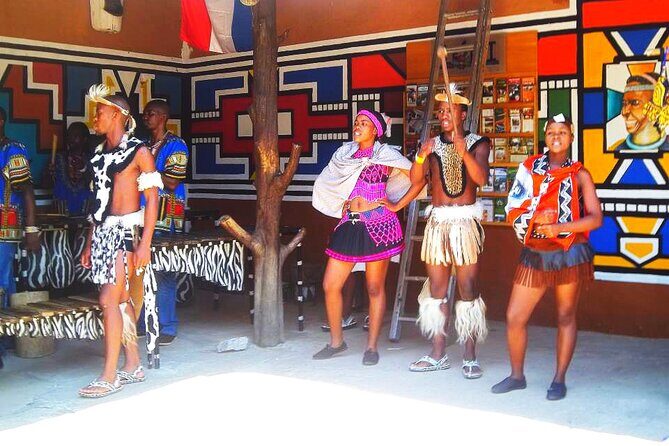
After the walk, you shift into the show—often the part people remember most. The format includes a magic dancing show described as part of the experience, plus a strong emphasis on drumming and dance performance.
This is where you can tell the tour is designed to engage. The drumming and dance aren’t presented as a passive two-minute clip. You’re there for a full performance block, and the energy tends to land with most people.
From the experiences shared, one repeating theme is that the rhythm and movement feel memorable because they’re explained and then performed with skill. One review highlighted drum lessons as a standout moment, and another described the dance performers as very athletic.
What to do during the performance:
- Don’t just watch—follow the cues you’re given so you understand what the movements represent.
- If you’re offered any participation (even informal), try it. Even a small moment of involvement can make the whole show click.


Lunch After the Show and the Craft Market Reality Check
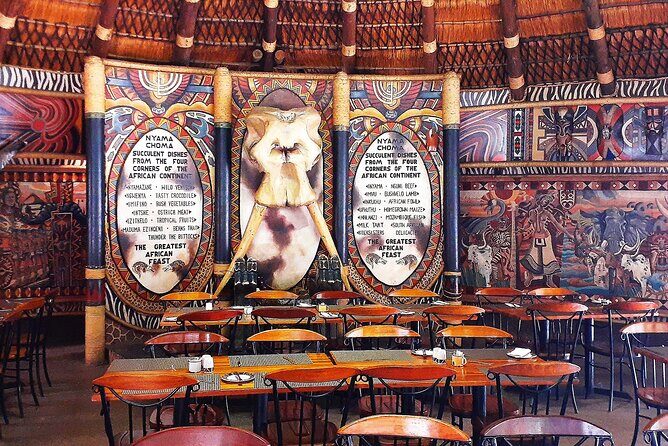
Lunch is available after the dance show, but it’s not included in the base price. You’ll be dealing with that the same way you would at many cultural sites: expect the food option to be convenient and local, but not free.
What’s also part of the post-show flow is time at the craft market, where you can purchase handmade materials and souvenirs. This can be a nice way to turn the experience into something tangible you can take home.
Here’s the balance to keep in mind: some people love the shopping and the welcoming feeling, while others feel Lesedi has a more commercial tone than they expected. If you’re hoping for a strict “support local directly, no tourist staging” scenario, set your expectations accordingly.
A good approach is to treat the craft market like a bonus. If you find something you genuinely like, great. If not, you won’t feel like you wasted time—your main value is the guided cultural story plus the performance.
The Guide Factor: Why Names Like Solly, Tshepo, and Simba Matter
This tour’s impact often comes down to the guide’s delivery. The provider listed is Solly, and multiple accounts mention guides such as Tshepo, Bobo, Nathi, and Simba. When guides take time to frame what you’re seeing—before the village walk and during the ride—it changes the experience from entertainment to understanding.
If your goal is to learn, pay attention to how your guide connects the different village stops. One experience credited the guide with introducing the five tribes prior to arriving at Lesedi, making the on-site parts feel more meaningful afterward.
If your goal is simply to enjoy, a good guide also keeps the day smooth. Pickup timing, route explanations, and keeping the group moving matter when you’re on a scheduled half-day.
One thing to watch: like many shared tours, the schedule can occasionally wobble. There was an instance of a late pickup due to hotel mix-up and traffic. When that happens, the best move is staying calm and contacting the company if you don’t see your driver. The important part is whether the experience starts you still get to the show and walk.
Who Should Book This Lesedi Tour (and Who Might Want Alternatives)
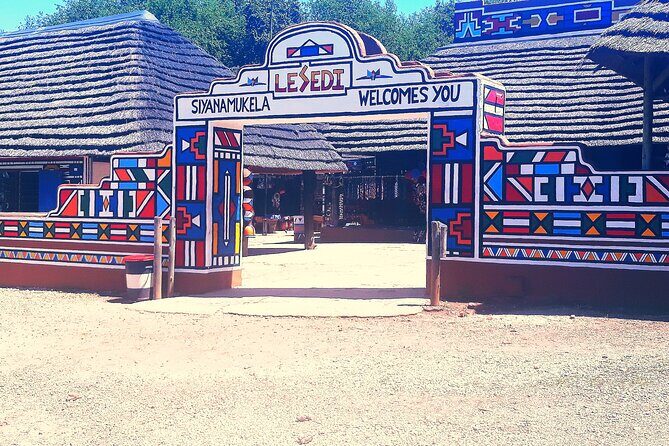
I’d put this tour high on your list if you:
- Want an efficient way to experience southern African cultural traditions from Johannesburg
- Like structured learning with a performance component (not just a lecture)
- Prefer a small group size where it’s easier to interact
- Care about a guide who explains what you’re about to see—then shows it through music and dance
You might think twice if you:
- Expect a visit to an actual, everyday community in the way you’d picture a remote village day-trip
- Don’t like anything that feels staged, commercial, or heavily “tour ready”
- Want total authenticity over presentation (for that, you’d likely seek a different type of experience)
Also, dress code is casual, and most travelers can participate. Comfortable shoes matter most. Bring a layer if you run cold in vehicles, since you’re riding in an air-conditioned car.
Should You Book? My Practical Take
If you want a good value, easy day that blends explanation with a real show, I think this tour is worth it. The ticket price covers the core pieces—entrance fees and the dance performance—and the included hotel pickup saves you time and hassle.
My only caution is expectation control. Lesedi is a curated cultural village experience. For many people, that’s a perfectly fine way to get oriented—songs, a village walk with five sections, drumming, and dance, plus the chance to buy crafts. For others, that same structure feels more commercial than they wanted.
If you book, go in with this mindset: treat it as a guided introduction to southern African traditions, with performances that you’ll likely remember longer than the logistics.
FAQ
What time does the Lesedi Cultural Village tour start?
The tour start time is 10:00 am.
How long is the experience?
It runs about 5 to 6 hours total (with 4 hours on-site noted for admission).
Is hotel pickup and drop-off included?
Yes, the tour offers pickup and drop-off from your hotel, and you travel in an air-conditioned vehicle.
What’s included in the ticket price?
The price includes all fees and taxes, the entrance fees and dance performance, an air-conditioned vehicle, and a bottle of water.
Is lunch included?
No. Lunch is available after the show, but it’s listed as not included. Drinks are also not included.
Can I get a full refund if I cancel?
Yes. The tour offers free cancellation and you can cancel up to 24 hours in advance for a full refund. If you cancel less than 24 hours before the start time, the amount paid is not refunded.