REVIEW · PRETORIA
Pretoria Soweto And Johannesburg
Book on GetYourGuide →Operated by Jeff Tours And Transfers · Bookable on GetYourGuide
A day through Pretoria and Soweto. This 8-hour route links Jacaranda City views with Johannesburg street life and Soweto’s places tied to the 1976 uprising. I especially like how the day builds from landmark architecture to human stories, with guided time at top sites rather than quick photo stops.
I also love the mix of settings: Pretoria’s colonial-era government buildings and city squares, then the contrast of Johannesburg’s neighborhoods (including Hillbrow) before you’re in Soweto seeing matchbox-style housing, hostels, and day-to-day urban life. One drawback to weigh: the schedule is time-tight, so if your pickup timing slips, the whole flow can feel rushed—double-check meeting details and plan to be ready early.
In This Review
- Key things you’ll notice on this Pretoria, Soweto, and Johannesburg day
- How the day flows: Jacaranda Pretoria to Soweto’s streets
- Voortrekker Monument: the story starter you’ll feel in your bones
- Pretoria’s city drive: garden suburbs, embassies, and Jacaranda vibes
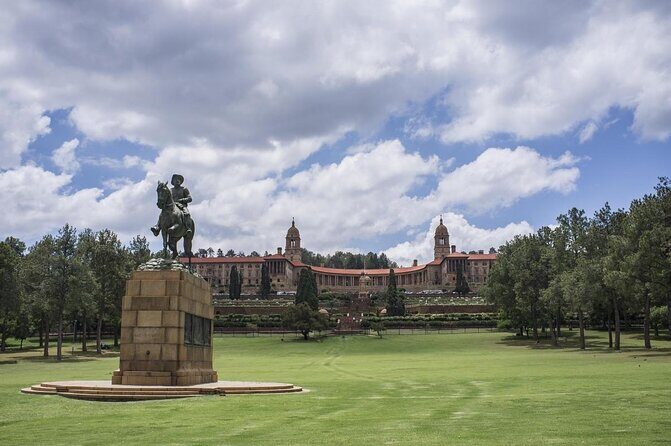
- Church Square and the Union Buildings: government that you can actually see
- Johannesburg street scenes: Hillbrow, downtown, and a real look at city life
- Soweto’s guided time: matchbox homes, hostels, and the 1976 sites
- Orlando West and Vilakazi Street: Mandela House and the Hector Peterson Memorial
- Price and value: does $173 make sense for this route?
- Who this tour fits best (and who should look elsewhere)
- Should you book this Pretoria, Soweto, and Johannesburg tour?
- FAQ
- FAQ
- What is the duration of this tour?
- Where is the tour located?
- How much does it cost?
- How large is the group?
- What language(s) is the live guide available in?
- What major sites are included with entrance fees?
- Does the itinerary include Soweto and Vilakazi Street?
- Is the tour wheelchair accessible?
- Where can the tour pick you up and drop you off?
- What is the cancellation option?
Key things you’ll notice on this Pretoria, Soweto, and Johannesburg day
- Guided time at major landmarks like Voortrekker Monument and the Union Buildings, so you’re not just driving past.
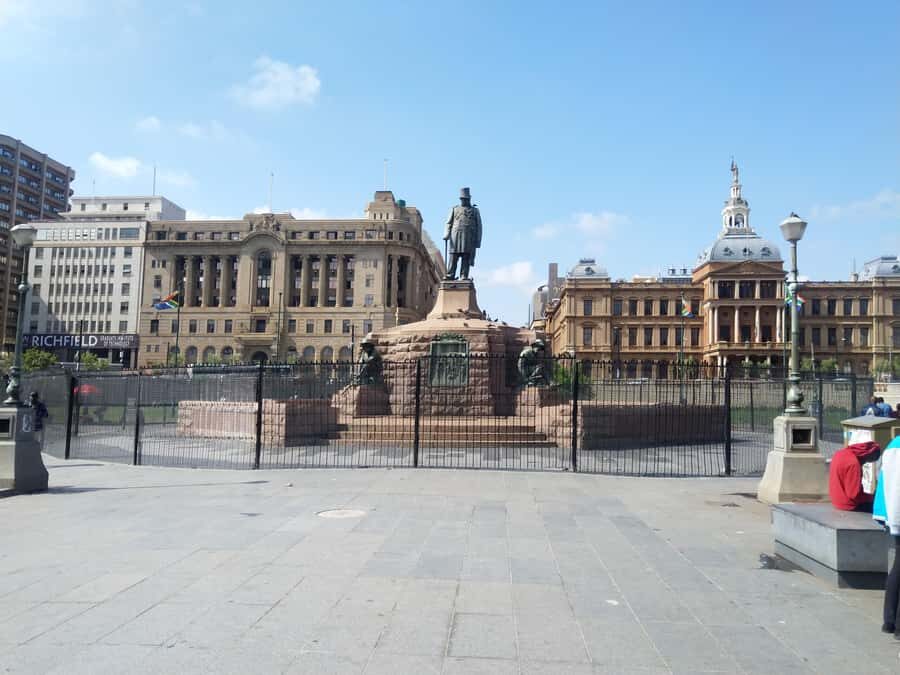
- Pretoria’s British-and-Dutch architecture paired with Church Square stops that help you “read” the city.
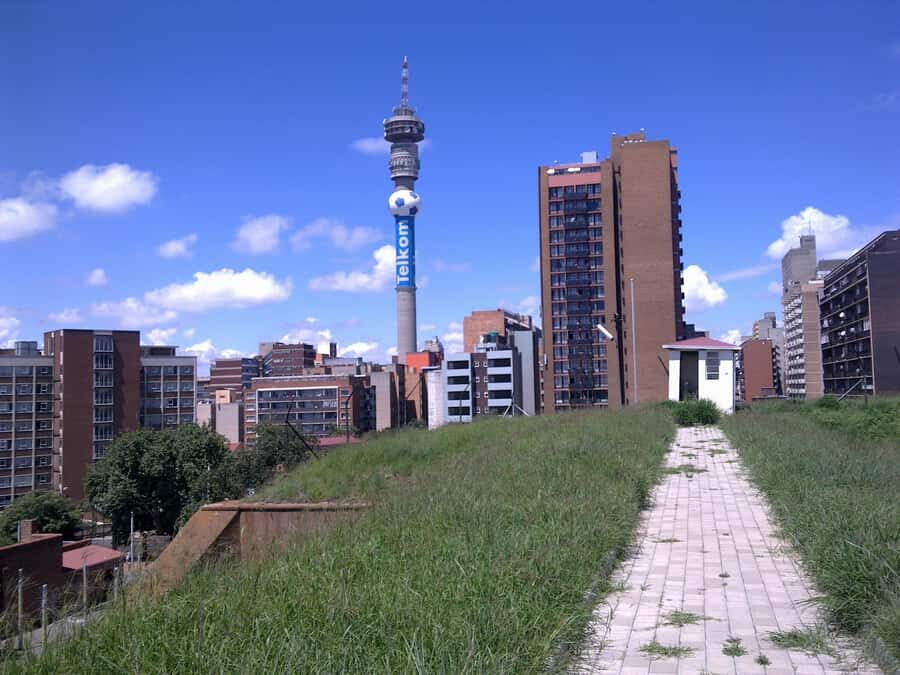
- Johannesburg neighborhoods plus taxi culture, including a look toward the Baragwanath taxi area.
- Soweto with context, visiting key sites tied to the struggle era and the 1976 uprisings.
- Vilakazi Street storytelling at Mandela House and the Hector Peterson Museum and Memorial.
- Small group feel (up to 15) with a live English/French guide.
How the day flows: Jacaranda Pretoria to Soweto’s streets
This is the kind of tour that works because it moves in a logical arc. You start in Pretoria with big, formal landmarks—monuments, government buildings, and tidy garden-suburb scenery—then the story shifts into Johannesburg’s urban neighborhoods. After that, the day settles into Soweto, where you spend time walking streets and visiting museums that connect the past to what people experience today.
The route also gives you useful contrast without turning the day into chaos. You’ll see upmarket Soweto areas and more modest parts (including the feel of matchbox houses and hostels), plus the everyday texture of city life. That contrast is exactly what helps the history land in your head instead of staying stuck in a textbook.
Finally, the group size matters. With a small group—up to 15 people—the guide can answer questions and keep transitions from feeling like a bus line. It’s not a slow “sit and admire” day, but it’s paced enough to actually learn.
You can also read our reviews of more tours and experiences in Pretoria.


Voortrekker Monument: the story starter you’ll feel in your bones

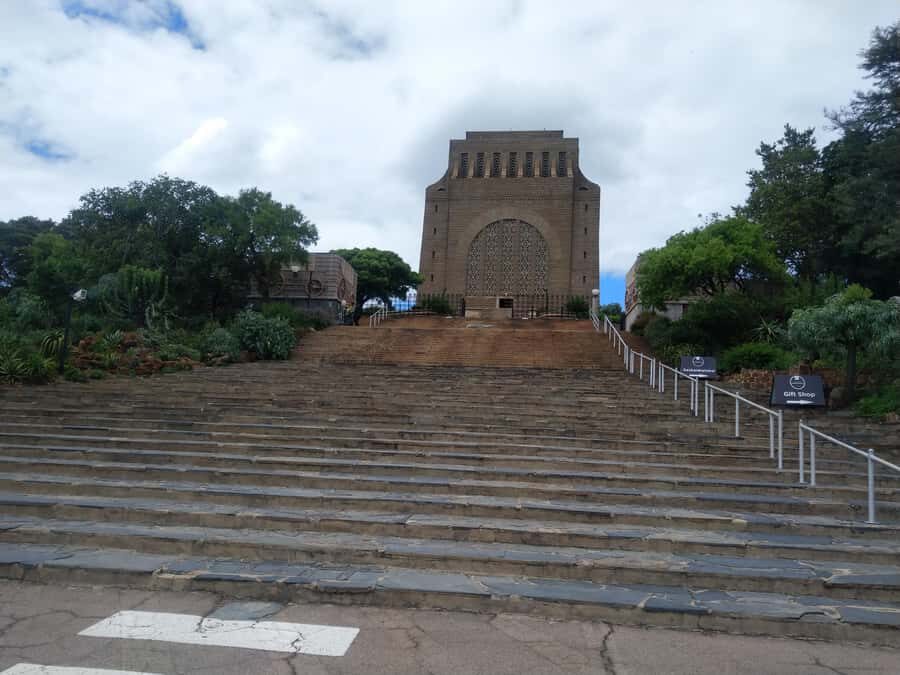
The day opens with the Voortrekker Monument, with a guided visit that lasts about an hour. This is one of those stops that works even if you don’t know much history going in, because the scale and symbolism force your brain to slow down. You’re not just looking at stone—you’re seeing how a nation built meaning into its monuments.
What I like about starting here is the way it sets context before you head into Pretoria’s political and museum stops. You get a sense of how different eras of leadership and identity got framed—then later you’ll see Pretoria’s official institutions and Soweto’s struggle-era sites, and everything clicks together more clearly.
A practical note: monuments like this often mean more walking and standing than you expect. If you’re prone to aching feet, wear comfortable shoes and pace yourself during the guided part.
Pretoria’s city drive: garden suburbs, embassies, and Jacaranda vibes
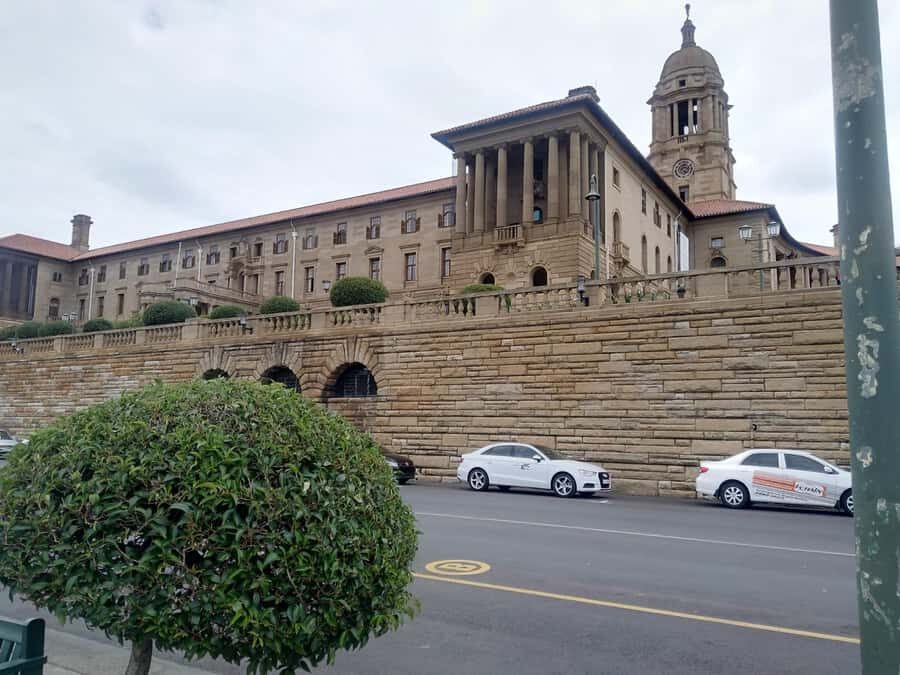
After the monument, you’ll get a guided look around Pretoria—often described (and experienced) as Jacaranda City. Even on a driving route, Pretoria has an “ordered” feeling: garden-suburb layouts, embassies, and a more formal streetscape than you’ll find later in Johannesburg.
This portion matters because it gives you visual bookmarks. When you later stop at places like Church Square and the Union Buildings, you’re better able to connect the big buildings to the broader city design around them. It’s easier to understand why Pretoria feels like a seat of governance rather than just another city with landmarks.
Also, the “city drive” isn’t empty. The guide’s job here is to connect what you’re seeing to the larger story of the region. If your guide is strong—as some guides named Joseph and Victor have shown—this is where you’ll pick up the threads that make the rest of the day more meaningful.
Church Square and the Union Buildings: government that you can actually see
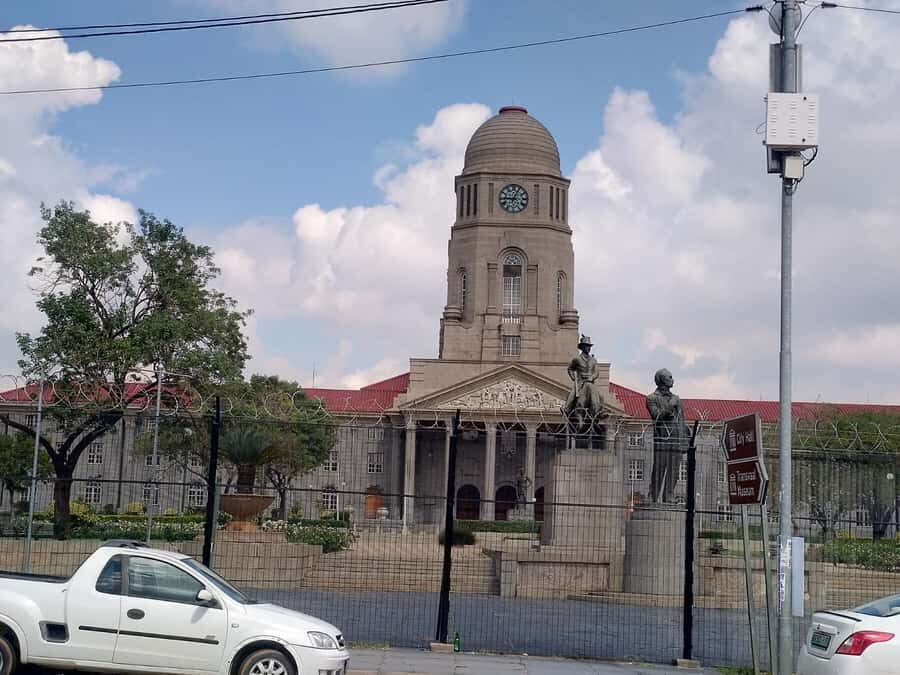
Next you’ll spend guided time at Church Square (about 30 minutes) and the Union Buildings (about another 30 minutes). These stops are short on purpose, but they’re designed for impact.
Church Square gives you a feel for Pretoria’s civic core. Even if you’re not focused on architecture, you’ll notice how the layout signals “this is where public life happens.” It’s the kind of stop that helps you orient fast—especially helpful when you’re spending only one day in a place.
Then you move to the Union Buildings. This is where the day’s theme becomes obvious: South Africa’s modern political story isn’t abstract here. You can stand near the spaces that symbolize authority, then look outward and imagine the country’s momentum—past and present—moving through these grounds.
If you prefer deeper museum time over outdoor sight stops, this is the one place to expect the schedule to feel a bit concise. The tradeoff is that you get to keep moving toward Soweto the same day.
Johannesburg street scenes: Hillbrow, downtown, and a real look at city life
Once you leave Pretoria behind, Johannesburg shifts the mood quickly. You’ll get a guided hour that includes a city drive, plus a shorter stop for sightseeing in Hillbrow (about 20 minutes). Hillbrow is known for being a dense, busy neighborhood, and that density shows up fast in your photos and in how the streets feel.
The tour also includes views of downtown Johannesburg and a look at neighborhood contrasts. This matters because Johannesburg isn’t one single “thing.” It’s many layers at once, with wealth and hardship sometimes visible within the same frame.
One of the most useful parts here is the focus on taxi culture—including a look toward the Baragwanath taxi area. Even if you never ride a taxi that day, seeing how transport works on the ground helps you understand how people move through the city. It’s a practical lens, and it’s one of the reasons this tour feels more grounded than purely sightseeing.
You’ll also be watching for general African urban life—hostels, street activity, and the day-to-day reality that makes cities feel real. For photographers, this is where you’ll want to keep your phone/camera ready. Just keep it respectful near memorials and community-focused areas later in the day.


Soweto’s guided time: matchbox homes, hostels, and the 1976 sites
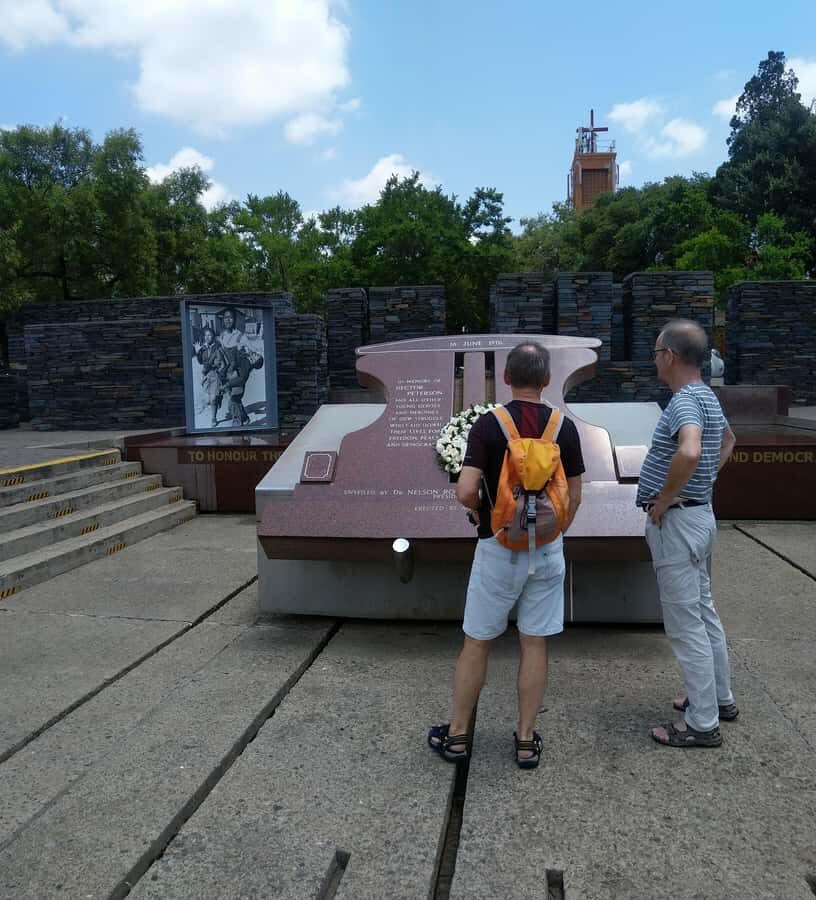
Soweto is where the tour becomes more emotionally loaded and more story-driven. You’ll get about 1.5 hours of guided time in Soweto plus more targeted stops in Orlando West.
The tour’s Soweto portion is designed to show you both the texture of neighborhoods and the places tied to the struggle era. You’ll pass through and learn about matchbox houses and hostels, and you’ll see a mix of areas described as upmarket Soweto alongside more modest built-up sections. That contrast helps you understand that Soweto isn’t a single stereotype—it’s a living place with changing streets, housing styles, and generations.
You’ll also see important context related to the 1976 Uprisings, and you’ll get guided stops connected to that era. This isn’t just “look at a street.” The guide’s job is to connect what you see in the built environment to why certain streets and locations became symbols.
One additional detail worth noting: the itinerary includes driving past Bishop Desmond Tutu’s house. That kind of stop can feel a little unexpected, but it often helps you feel how many major chapters of the South African story intersect in one region.
Orlando West and Vilakazi Street: Mandela House and the Hector Peterson Memorial

The day’s heart is the Orlando West and Vilakazi Street section. You’ll visit Orlando West with guided time (about 30 minutes), then head to Vilakazi Street (about 30 minutes), where you’ll have time connected to Mandela’s legacy. The tour includes the Mandela House Museum there.
Vilakazi Street is powerful because it’s personal and specific. Mandela House gives you a structured way to understand his life in context, rather than treating him like a distant icon. Even if you don’t know every detail, the museum setting helps you follow a clear line of meaning.
Then you’ll also visit the Hector Peterson Museum and Memorial. This is one of those places where you can feel the weight of history in the space itself. The museum and memorial focus on youth and the 1976 uprising, turning dates and headlines into names and human-scale tragedy.
If you’re visiting with kids or teenagers, or you want the day to teach as well as show, this is the part you’ll probably remember most afterward. It connects the earlier “city orientation” stops to the moral center of the day.
A practical tip: memorial spaces can have rules about where to stand, photograph, or speak. Keep your voice down, follow the guide’s direction, and treat the stop like a place of reflection—not a photo set.
Price and value: does $173 make sense for this route?
At about $173 per person for an 8-hour outing, the value depends on what you want from the day. If you’re the type who hates wasting time—driving around without context—this tour can feel like a good deal. You’re getting a guided format across three major areas (Pretoria, Johannesburg, Soweto) plus museum entrances included.
Included sites matter here. The tour lists entrance fees for major stops, and you’ll hit big-name places like Voortrekker Monument, Mandela House Museum, and Hector Peterson Museum and Memorial. It also includes the Paul Kruger House Museum. When entrance fees are covered, you avoid the annoying add-on costs that can quietly inflate “cheap” tours.
You’re also paying for transport between neighborhoods and pickup/drop-off options in several areas. If your hotel is near one of the pickup zones—Randburg, Sandton City, O.R. Tambo International Airport, Rosebank, or Johannesburg—then you spend less time solving logistics and more time learning.
Where it can feel less like a bargain is if you’re hoping for extra free time at each museum or a slow, unhurried pace. This is built for breadth. You’ll get guided time, but you won’t linger all day in one place.
Who this tour fits best (and who should look elsewhere)
This tour works best if you want a guided overview with real-world context: major landmarks in Pretoria, neighborhood contrasts in Johannesburg, and Soweto sites that connect to the 1976 uprising era.
You’ll likely enjoy it if:
- You like history, but you want it tied to streets and buildings.
- You want a structured day that still includes everyday urban life like taxi culture.
- You prefer a small group over a crowded bus.
You might want another option if:
- You’re sensitive to tight schedules and short guided stops.
- You need lots of time for independent exploration in museums.
- You’re uncomfortable with dense city neighborhoods and busy streets.
One more thing: guide quality shows up in the day. Some guides, like Joseph, have been praised for being punctual and answering questions with depth. Another guide name you may encounter is Victor, described as professional and caring. Since the tour is guide-driven, your comfort with Q&A and explanations can shape how much you get out of the day.
Should you book this Pretoria, Soweto, and Johannesburg tour?
If your goal is to cover Pretoria, Johannesburg, and Soweto in one focused day with guided context and museum entrance fees included, I’d say it’s a solid book. The route gives you orientation fast, then turns toward the places that matter most on the Soweto side.
My main “hold up” is reliability around pickup timing. Because you have multiple tight stops, you want your meeting point to go smoothly. If you can’t commit to being ready early, or your plans are fragile, consider building in extra buffer time on your side.
If you like structured learning, clear explanations, and a day that balances landmarks with lived-in city scenes, this tour is a good match. If you prefer slow travel with lots of unstructured time, you may find the pace a bit full.
FAQ
FAQ
What is the duration of this tour?
The tour lasts 8 hours.
Where is the tour located?
It takes place in Gauteng, South Africa, covering Pretoria, Johannesburg, and Soweto.
How much does it cost?
The price listed is $173 per person.
How large is the group?
It’s a small group limited to 15 participants.
What language(s) is the live guide available in?
The live tour guide is available in English and French.
What major sites are included with entrance fees?
Entrance fees are included for Voortrekker Monument, Paul Kruger House Museum, Mandela House Museum, and Hector Peterson Museum and Memorial.
Does the itinerary include Soweto and Vilakazi Street?
Yes. The tour includes Soweto, a stop in Orlando West, and a visit to Vilakazi Street with guided time.
Is the tour wheelchair accessible?
Yes, the tour is wheelchair accessible.
Where can the tour pick you up and drop you off?
Pickup options listed include Randburg, Sandton City, O.R. Tambo International Airport, Rosebank, and Johannesburg. Drop-off options include Johannesburg, Sandton City, Randburg, O.R. Tambo International Airport, and Rosebank.
What is the cancellation option?
It offers free cancellation up to 24 hours in advance for a full refund.