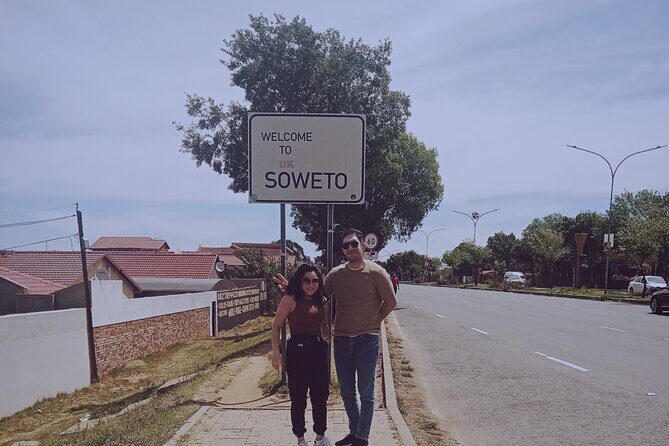
REVIEW · PRETORIA
Soweto by Tuk-Tuk
Book on Viator →Operated by One Day Africa · Bookable on Viator
A tuk-tuk through Soweto hits different. This 2.5-hour Soweto township tour starts in Orlando West, then threads through major sites tied to Nelson Mandela, Desmond Tutu, and the 1976 uprising, with a local driver/guide steering the stories street by street.
I like the pace and access: by using a tuk-tuk, you cover more ground while still getting out for walking parts and real neighborhood context. I also love that you’re not limited to one famous stop—you’ll move across Orlando East/West and learn why those areas matter.
The best part comes with lunch and snacks, but the schedule is still tight. You’ll fit Mandela House, time on Vilakazi Street, and other meaningful stops (plus kota), all into a compact window—so expect an active, sometimes heavy, history-focused outing. If you prefer slow sightseeing and lots of downtime, plan to treat this as a focused tour rather than a long wander.
In This Review
- Key highlights at a glance
- Soweto by Tuk-Tuk: What This Route Feels Like on the Ground
- Why a Tuk-Tuk Works Better Than a Bus (Here)
- Getting Oriented: Your Walk Around the Township
- Orlando East and West: The Story Behind the Neighborhood Differences
- Vilakazi Street: Mandela House and Desmond Tutu House in One Corridor
- Mandela House (admission included)
- Archbishop Desmond Tutu House
- Hector Pietersen Museum: The Soweto Uprising Turning Point
- Women’s Hostel and Mama Lilian Ngoyi’s Family Home
- Lunch at Chaf Pozi: Where the Day Resets
- The Kota Sandwich Finish: A Local Flavor Moment
- Price and Value: Is $53.77 Actually Fair?
- Timing, What to Bring, and How to Get the Most Out of It
- Who This Tuk-Tuk Soweto Tour Fits Best
- Should You Book Soweto by Tuk-Tuk?
- FAQ
- How long is the Soweto by Tuk-Tuk tour?
- Where does the tour start and end?
- What’s included in the price?
- Is this a private tour?
- Do I get a ticket on my phone?
- What sites are visited on the tour?
- What is the cancellation policy?
Key highlights at a glance
- Tuk-tuk transport for getting around Soweto while still doing short walking sections
- Vilakazi Street focus on two Nobel Peace Prize homes—Mandela and Desmond Tutu
- Mandela House ticket included with about 30 minutes inside
- Lunch at Chaf Pozi plus bottled water to keep you fueled
- Hector Pietersen Museum linked to the Soweto uprising turning point
- Kota sandwich finish—a real taste of everyday local food
Soweto by Tuk-Tuk: What This Route Feels Like on the Ground

Soweto is one of those places where the history isn’t stuck in a museum box. It’s in the streets, the community layouts, the landmarks, and the stories people still connect to daily life. This tour leans into that reality. Instead of a “look-but-don’t-touch” checklist, you get a guided route that blends walking, rides, and several stops tied to apartheid-era turning points.
Starting in Orlando West is smart. It helps you get oriented fast—what a township neighborhood looks like, how areas differ, and why the route matters. Then the tour moves you toward the big names and the big moments, including Mandela House and the Vilakazi Street corridor where Nelson Mandela and Archbishop Desmond Tutu both lived.
I also appreciate the tour’s focus on contrasts. You’ll see Orlando East and Orlando West—political icons lived in both—and you’ll also stop at an informal settlement to understand the challenges that sit alongside the better-known areas.
You can also read our reviews of more tours and experiences in Pretoria.



Why a Tuk-Tuk Works Better Than a Bus (Here)
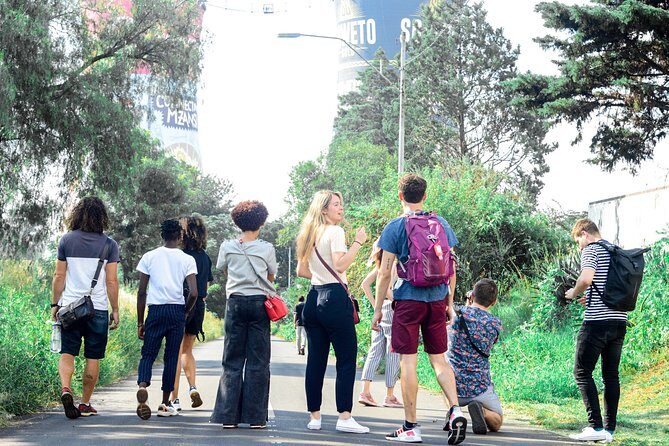
This is a “get around, then stop and look” style of tour. A tuk-tuk helps because it’s built for short bursts of movement with frequent stops. In a place like Soweto, that matters. You spend less time waiting and more time actually taking in each area.
It also makes the whole experience more approachable. You’re not sealed away behind a window. You’re riding with the driver/guide, who can point out changes in neighborhoods and connect landmarks to the broader South Africa story. In the reviews, the guide Mulalo Mphuma gets called out for turning the ride into a lesson—sharing powerful stories and also his own perspective. That kind of human delivery is exactly what makes a Soweto township tour feel worth your money.
The trade-off: a tuk-tuk tour still includes walking. Expect a decent amount of “on your feet” time for the walking sections, and be ready for that with comfortable shoes.
Getting Oriented: Your Walk Around the Township

You start at Moema Street & Rampa Street in Orlando West, and from there you get a walk around the township. This first segment is more than “stretch your legs.” It’s where you learn how the neighborhood feels before the tour turns toward the most famous sites.
If you’re the kind of visitor who likes context, this matters. You see the street reality first, then later you can better understand why Vilakazi Street is famous, why certain houses and institutions became symbols, and why the 1976 uprising still carries weight in the area.
A practical tip: keep your questions ready during this initial walk. Your guide is at their best when you ask about what you’re noticing—how the streets function, what daily life looks like, and how different parts of Soweto relate to each other.
Orlando East and West: The Story Behind the Neighborhood Differences
One of the tour’s strongest themes is the way it links geography to politics. You’ll take a walking tour about the history of two towns in Soweto: Orlando East and Orlando West. These aren’t just place names. They connect to where political icons lived during apartheid and where resistance efforts grew.
The tour also includes both formal and informal neighborhood experiences. You’ll hear about Orlando East as the first formal houses of Soweto, then you’ll visit an informal settlement to see the challenges people face there. That combination is valuable because it avoids a one-note picture of Soweto. It’s a reminder that recognition and hardship can exist side by side.
In my view, this is where the guided portion pays off most. Without interpretation, you might see different streets and assume it’s just layout. With a local guide, the same scenes become evidence of how apartheid shaped where people could live, and how communities adapted.
Vilakazi Street: Mandela House and Desmond Tutu House in One Corridor

If you want a “wow, I get it now” segment on this tour, it’s Vilakazi Street. The route includes a stroll with your local guide as they explain why Vilakazi Street is so popular for housing two Nobel Peace Prize recipients. You’ll also visit both major home landmarks connected to that story.



Mandela House (admission included)
Mandela House is a key stop and includes an admission ticket, with about 30 minutes planned there. This is a focused visit time—enough to absorb the main features without dragging the day out. Because it’s an included entry, you don’t have to manage extra costs or ticket timing while you’re on the ground.
Archbishop Desmond Tutu House
The tour also includes the Archbishop Desmond Tutu House on Vilakazi Street. Pairing these two homes in the same outing is powerful. You see how different leadership paths—rooted in the same moral opposition to apartheid—still connect through shared geography and shared impact.
One caution: if you’re sensitive to difficult historical content, Vilakazi Street’s story can feel emotionally intense. The tour is respectful, but it is not a light, purely scenic experience.
Hector Pietersen Museum: The Soweto Uprising Turning Point
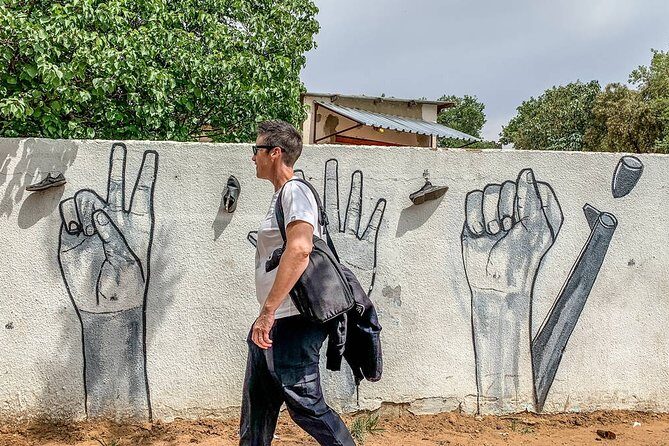
After the iconic homes, the tour shifts from symbols to events. You’ll visit the Hector Pietersen Museum, tied to the Soweto uprising, which is described as one of the turning points of apartheid.
This stop gives your day a sharper edge. It’s the point where the story stops feeling like an overview and becomes a documented moment. Even if you already know the basics, a museum visit with a guide can help you place the uprising in the wider narrative and understand why it still resonates locally.
I’d treat this part as “slow down.” Don’t rush your eyes or skim the guide’s explanation. You only have about 2.5 hours total on the tour, but museum stops deserve more of your attention than the quick photo moments.
Women’s Hostel and Mama Lilian Ngoyi’s Family Home

The tour doesn’t focus only on well-known male political figures. It includes a visit to a former women’s hostel and also Mama Lilian Ngoyi’s family home, highlighting an anti-apartheid activist.
That choice is one of the tour’s best balancing moves. South Africa’s resistance story includes many kinds of leadership—organizers, activists, and community anchors. Seeing these sites helps you understand that the anti-apartheid struggle wasn’t one single track. It was built by many people pushing against injustice in different ways.
If you like historical tours that spread the spotlight beyond the most famous names, this segment will land well.
Lunch at Chaf Pozi: Where the Day Resets
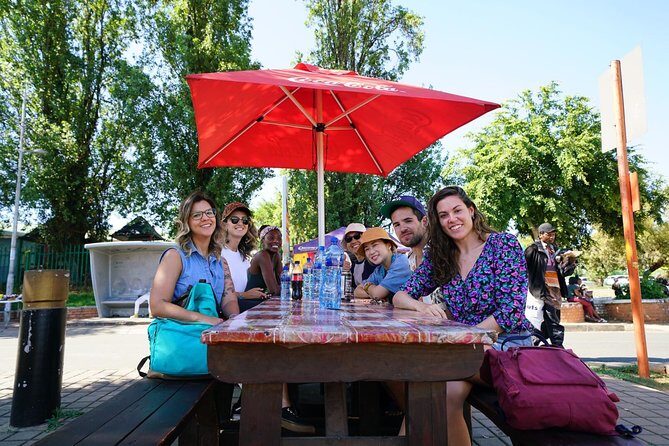
You’ll stop for lunch at Chaf Pozi, served between the famous Soweto towers. Lunch is included, and bottled water is part of the package too.
This is practical value, not just a nice extra. After walking and visiting several weighty sites, you need a break that isn’t another “buy something quickly” moment. A proper local meal also grounds the tour in everyday life rather than keeping you in formal landmark mode the whole time.
In the reviews, lunch is mentioned as part of what makes the experience feel complete—paired with thoughtful guiding and relaxed pacing at the right time.
The Kota Sandwich Finish: A Local Flavor Moment
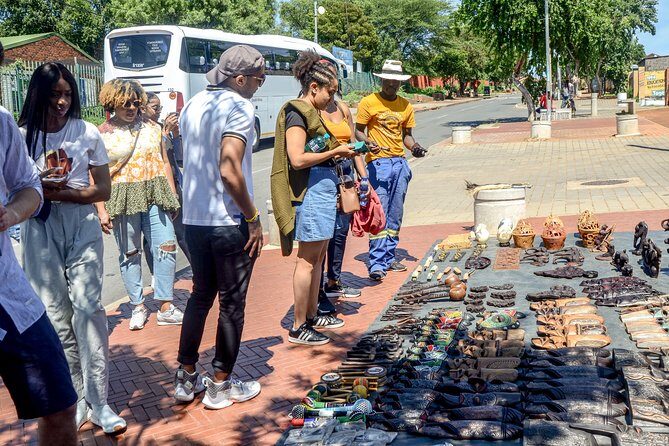
At the end, you’ll get a taste of a famous local sandwich: kota. This is a fun way to close the day because it’s not a museum stop. It’s the kind of food you’ll see connected to real local routines.
If you’re the type who likes travel through taste, don’t treat this as an afterthought. A kota is often a “worth it” local bite—savory, messy, and satisfying—and it gives you a final sensory memory before you head back to the start point.
Price and Value: Is $53.77 Actually Fair?
At $53.77 per person, this tour can feel like a bargain once you look at what you get in a short window:
- Lunch included (at Chaf Pozi)
- Bottled water included
- Private transportation as part of the experience
- Driver/guide during the route
- Mandela House admission ticket included
For many tours, “transport + a guide” is the headline, and food or entry becomes a separate add-on. Here, those costs are bundled into the stated price. For a 2 hours 30 minutes experience, that combination gives you better value than many sightseeing options that charge extra for entry.
And because this is a private tour for only your group, you’re not sharing guide attention with a large crowd. That matters for a history-heavy route—questions and pacing are easier to manage.
The only value caution: because the day is compact, you won’t get a slow-motion experience. If you want endless time at each site, you may feel a little time pressure.
Timing, What to Bring, and How to Get the Most Out of It
This tour runs about 2 hours 30 minutes total, and it’s a mobile ticket experience. That’s a good fit if you’re juggling a tight itinerary in the Pretoria/Johannesburg area and want a meaningful Soweto outing without committing to a full day.
To enjoy it fully:
- Wear comfortable shoes for walking segments
- Bring some money for personal expenses and any extra items you want beyond what’s included
- Come ready for stories tied to apartheid, the uprising, and anti-apartheid activism
One small behavioral tip: take a second before you start snapping photos. Look first, listen second. You’ll absorb more on a guided historical route when you give the guide a chance to explain what you’re seeing.
Who This Tuk-Tuk Soweto Tour Fits Best
This experience is a great match if you want:
- a guided Soweto township tour with multiple landmark stops
- a route that covers Orlando West + Orlando East contrast
- a blend of “major names” and “broader resistance” sites, including activism tied to women
- included food (lunch) and a local ending (kota)
It may be less ideal if you:
- hate walking or prefer long free time at each stop
- want a purely scenic or lighthearted tour
- expect a lot of downtime
For families, couples, and solo visitors who like structured sightseeing with local context, it’s a strong option—especially since the tour is private for your group.
Should You Book Soweto by Tuk-Tuk?
Yes, if you want a focused, high-impact introduction to Soweto that doesn’t waste your time. The tuk-tuk format helps you move efficiently, and the route’s mix of Vilakazi Street, Mandela House, the Hector Pietersen Museum, and sites tied to activism gives you a fuller picture than a single-attraction tour.
I’d skip it only if you’re looking for a slow, laid-back day or you know you’d struggle with the emotional weight of apartheid-era history.
If you book, choose it for what it is: a short guided route built for seeing, understanding, and then eating something real before you head back.
FAQ
How long is the Soweto by Tuk-Tuk tour?
It’s approximately 2 hours 30 minutes.
Where does the tour start and end?
The tour starts at Moema Street & Rampa Street (Orlando West, Soweto) and ends back at the same meeting point.
What’s included in the price?
Lunch (local lunch), bottled water, private transportation, and a driver/guide are included. Mandela House admission is also included.
Is this a private tour?
Yes. It’s private, so only your group participates.
Do I get a ticket on my phone?
Yes. This is a mobile ticket experience.
What sites are visited on the tour?
You’ll visit highlights including Mandela House, the Archbishop Desmond Tutu House on Vilakazi Street, and the Hector Pietersen Museum. The tour also includes visits connected to Orlando East/West, a former women’s hostel, Mama Lilian Ngoyi’s family home, and an informal settlement.
What is the cancellation policy?
Free cancellation is available up to 24 hours in advance for a full refund. If you cancel less than 24 hours before the start time, the amount paid is not refunded.