REVIEW · JOHANNESBURG
Soweto half day Tour
Book on Viator →Operated by Stephenson Adventures · Bookable on Viator
Soweto hits you fast, then stays with you. This half-day tour threads together the big names and the everyday reality of kasi life, starting with the 2010 World Cup legacy at FNB Stadium and ending at powerful resistance sites tied to 1976.
I love that you get a guided route with smart pacing and multiple viewpoints on the same story, from Vilakazi Street to the museum and memorial stops. And I really appreciate that the experience is led by local guides like Mo, Banela, Tsholo, and Banele, who can explain what you’re seeing in human terms, not textbook lines.
One thing to consider: it’s only about four hours, so the stops are short, with a lot happening in a tight schedule. If you want a slower visit or deep time inside each site, you’ll have to be choosy with what matters most to you.
In This Review
- Quick hits before you go
- A half-day sampler of Soweto that works if you’re short on time
- Price and what you actually get for about $60
- Smooth pickup from Jhb or Pretoria, with a guide riding shotgun
- FNB Stadium: the 2010 World Cup marker on the way into Soweto
- Diepkloof Park: where Soweto’s origins meet day-to-day kasi life
- Orlando Towers: a landmark you recognize even before you know it
- Vilakazi Street: Mandela and Tutu houses in the same neighborhood
- Mandela House: heritage storytelling, panels, and guided touring
- Hector Pieterson Museum and Memorial: the 1976 uprising made real
- Regina Mundi: the people’s church and community resistance
- Kliptown Youth Program (optional): squatter camp tour if you want more
- Guides matter: Mo, Banela, Tsholo, and Banele bring it to life
- Practical expectations: time limits, what to bring, and what to skip
- Who should book this Soweto half-day tour?
- Should you book the Soweto half-day tour with Stephenson Adventures?
- FAQ
- How long is the Soweto half-day tour?
- What’s the price per person?
- Do they pick you up from your hotel?
- Is the tour air-conditioned?
- Is admission included for the stops?
- Is lunch included?
- Is it easy to join if I’m not sure about my schedule or fitness?
- Can I cancel for a refund?
Quick hits before you go
- Pickup from Johannesburg or Pretoria with an air-conditioned vehicle keeps your start calm and easy.
- Vilakazi Street time gives you real access to the houses of Nelson Mandela and Archbishop Desmond Tutu.
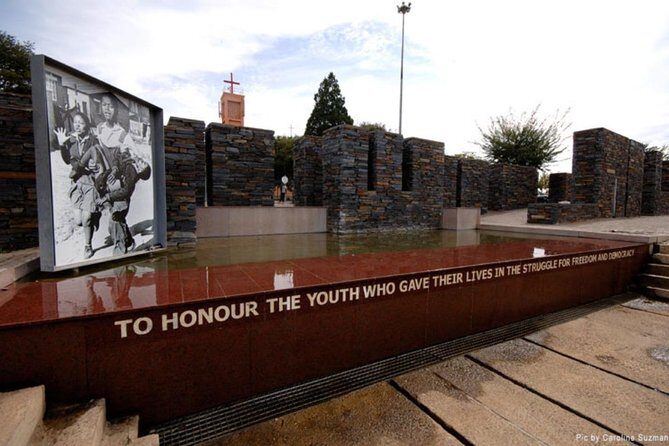
- Hector Pieterson Museum and Memorial adds direct context to the June 16, 1976 Soweto Uprising.
- Regina Mundi church shows how community spaces were used during resistance.
- Optional Kliptown Youth Program can add a look at squatter-camp life and youth initiatives if you want it.
- Guides who bring local perspective (Mo, Banela, Tsholo, Banele) can turn quick stops into meaningful conversations.
A half-day sampler of Soweto that works if you’re short on time

A four-hour tour can’t cover everything, but it can give you a strong spine: where Soweto came from, how people live now, and why certain places became symbols. This route focuses on sites people associate with Mandela, Tutu, and the Soweto Uprising, while also making room for the ordinary places that shape daily life in the township.
The value here is not just seeing famous names. It’s how the stops are arranged—travel from landmark to landmark—so you understand that history isn’t trapped in museums. It sits in streets, churches, schools, and living neighborhoods. You’ll get your bearings quickly, then the story gets more specific as you go.
This is also a good first Soweto outing if you’re trying to do right by your schedule. If you’re only in Johannesburg for a short window, this half-day format is a practical way to see the core without committing a full day.
You can also read our reviews of more tours and experiences in Johannesburg.


Price and what you actually get for about $60

At $59.81 per person, this tour sits in the “mid-range, high-structure” category. The big value isn’t just that it’s a guided tour; it’s the way the package reduces friction.
You get:
- Pickup and drop-offs from any hotel around Johannesburg or Pretoria
- An air-conditioned vehicle
- Bottled water
- An escorted experience with a qualified guide
- Mobile ticket convenience
- Group discounts (if you’re traveling with others)
When a tour includes transportation and a trained guide, you spend less time coordinating taxis and more time listening. That matters in Soweto because the route is more meaningful when it’s explained, not just photographed.
Also, many of the site visits on this specific route are listed as free admission tickets for the stops. That doesn’t mean the tour is “free”—you’re paying for the guide, the vehicle, and the organized access—but it helps keep your budget predictable.
What’s not included is where you may feel the cost in the moment: coffee, tea, lunch, soda, and alcohol. If you’ll want a drink or food stop, plan for it outside the tour.
Smooth pickup from Jhb or Pretoria, with a guide riding shotgun
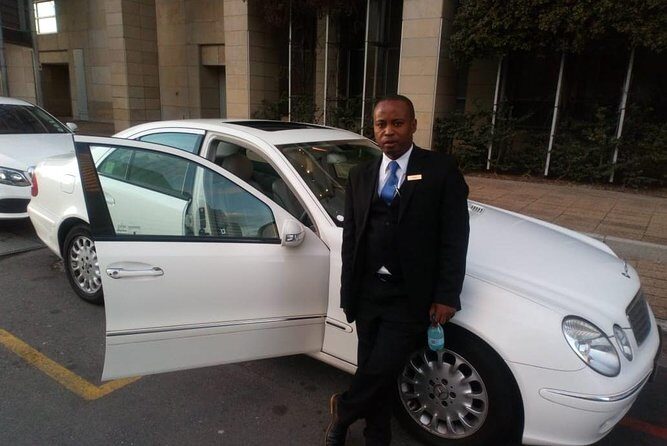
The pickup arrangement is one of the easiest parts. You can be picked up from any hotel around Johannesburg or Pretoria, and you travel in an air-conditioned vehicle with the guide throughout.
This matters for two reasons:
- You don’t waste your limited time figuring out how to get in and out of town.
- The guide can control pacing and keep the group oriented so the story stays coherent.
The format is group-based (with group discounts). That usually means the tour stays social and efficient. It also means you should be ready to share time at each stop rather than treat every location like a one-on-one visit.
FNB Stadium: the 2010 World Cup marker on the way into Soweto
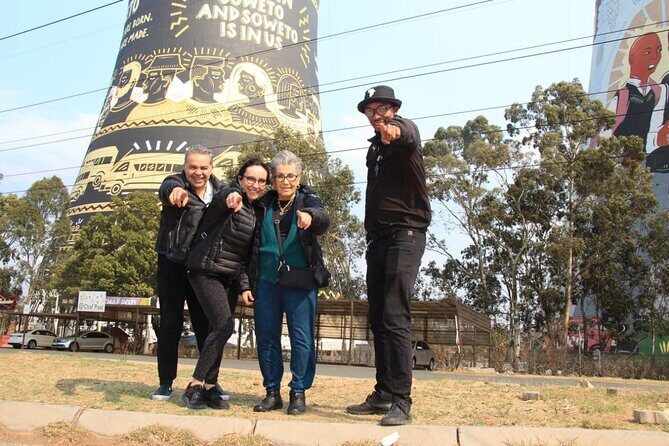
You start with a drive-by and short stop at FNB Stadium, also known as Soccer City. You’ll pass a place that hosted the opening and closing ceremonies of the 2010 FIFA World Cup, with a stadium design that has been recognized internationally.
This first stop is about more than football. It sets contrast. You’re moving from a globally known landmark into a township shaped by apartheid history and ongoing life today. Even if you don’t care about stadium architecture, it helps your brain switch into the right context: this is South Africa’s modern story, but it sits on top of older realities.
Expect about 15 minutes here, with free admission noted for the stop. It’s a quick get-your-bearings moment.
Diepkloof Park: where Soweto’s origins meet day-to-day kasi life
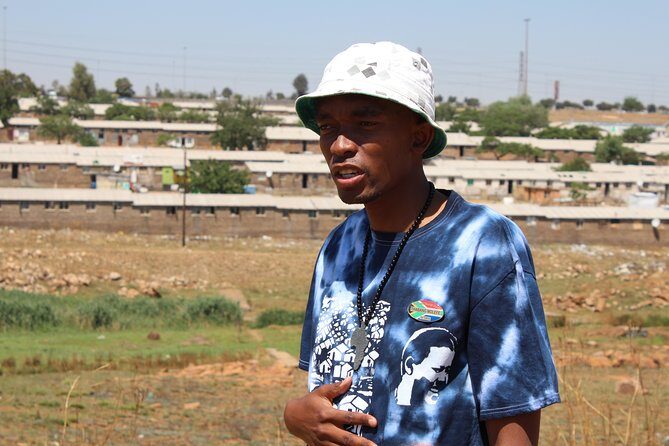
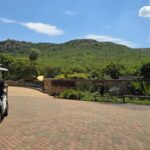
Next is Diepkloof Park, where the focus turns to origins and present life. This stop is designed to help you understand Soweto as a place people built and kept living in, not just a word on a map.
You’ll get both:
- a sense of how the township formed and how it evolved, and
- what “kasi life” looks like now
This is one of the stops that helps the rest of the tour land emotionally. When you understand the township’s background, the famous names you’ll see later stop feeling like history posters and start feeling like people connected to a living community.
Time is about 15 minutes, with free entry noted. Since it’s short, listen closely to what your guide emphasizes—this stop tends to frame what you should notice in the street scenes that follow.


Orlando Towers: a landmark you recognize even before you know it

At Orlando Towers, you get another short orientation stop: a recognizable landmark in the Orlando area of Soweto.
This is the kind of place where a landmark matters because it gives you a mental anchor. Later, when you think back on your photos, you’ll remember this as one of the signposts that confirms you’re really in Soweto, not just passing by.
Plan for about 20 minutes here, with free admission noted. Again, it’s not a long sit-down visit. It’s designed to keep you moving while building your sense of place.
Vilakazi Street: Mandela and Tutu houses in the same neighborhood
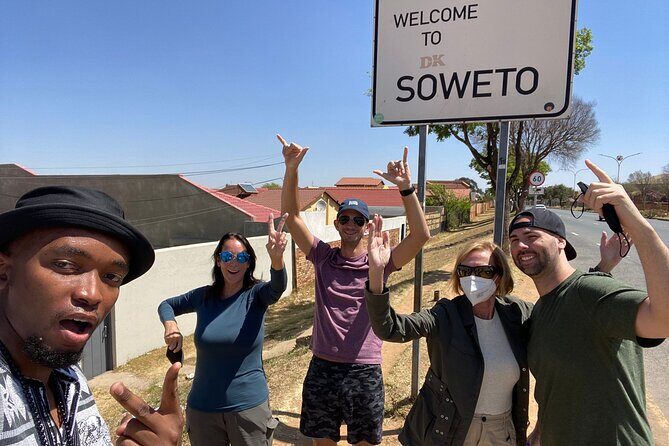
Then you reach one of the most famous stretches in the country: Vilakazi Street. This is where the tour becomes deeply personal, because you’re visiting the houses of Nelson Mandela and Archbishop Desmond Tutu.
You’ll spend about 45 minutes in this area, with free admission noted for the stop.
Here’s why this stop is worth the time: it turns famous names into something physical. Streets and houses force you to think about scale—these weren’t abstract leaders; they were part of a specific community and lived with the consequences of apartheid politics.
It’s also one of those spots where you’ll likely end up asking questions. If you’re the type who wants context, this is a great place to slow down mentally even if the schedule is set.
Mandela House: heritage storytelling, panels, and guided touring
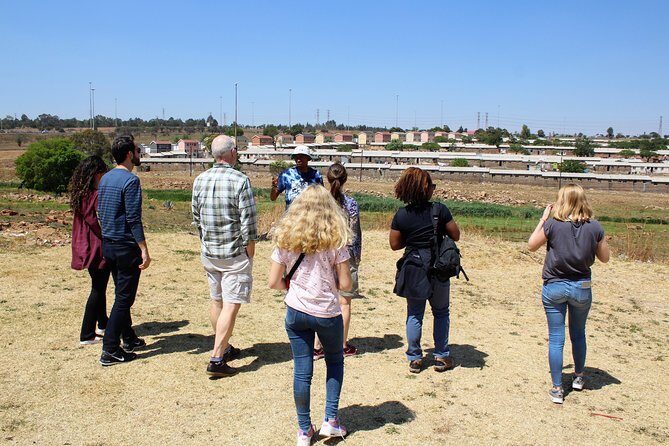
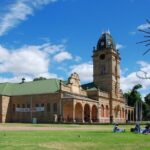
Next is Mandela House, the home where Nelson Mandela lived. Today it’s presented as a significant heritage site, with interpretive elements like sound, film, interpretive panels, and guided tours.
You’ll have about 30 minutes here, with free admission noted for the stop.
What to expect in practical terms: museums and heritage sites often move fast. The benefit of having a guide is that you’ll understand what to pay attention to, and you won’t waste time trying to interpret everything on your own. If you have even a small interest in how apartheid-era policies and resistance shaped daily life, you’ll likely walk away with clearer mental connections between the places you’ve already visited.
One practical tip: 30 minutes goes by quickly. If you’re going to take photos, do it early, then shift into listening mode so you don’t miss the story pieces.
Hector Pieterson Museum and Memorial: the 1976 uprising made real
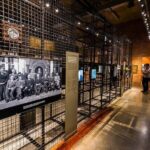
After Mandela-related sites, the tour moves toward a stark national turning point: the Hector Pieterson Museum and Memorial.
This stop is tied to June 16, 1976, when Hector Pieterson, described as a 13-year-old, was shot during the Soweto Uprising. The site is presented as a national heritage site and a symbol of resistance to apartheid brutality.
You get about 30 minutes here, with free admission noted for the stop.
Why this works in a half-day format: it gives you a narrative anchor for everything you heard earlier. The uprising wasn’t just a distant event—it was tied to specific places and real people, and that’s what memorial sites try to communicate.
This is also a spot where emotions can run high. If you need a slower pace, use the guide. Ask what context to focus on first, and give yourself permission to spend a little longer on the parts that hit you most—some guides are flexible with stop time when it matters to the group.
Regina Mundi: the people’s church and community resistance
Then you visit Regina Mundi, described as the people’s church and noted as having played a key role in township resistance against apartheid.
Expect about 15 minutes with free admission noted for the stop.
A church can be an eye-opener in a different way than a museum. Museums often frame history as artifacts and dates. A living community space like a church helps you see resistance as a network: community support, meeting places, and shared resolve.
Because the time is short, pay attention to what your guide explains about why this church mattered to local resistance. It’s often the explanation that makes a quick stop feel complete.
Kliptown Youth Program (optional): squatter camp tour if you want more
If you want an additional layer, there’s an optional Kliptown Youth Program stop, described as a squatter camp tour.
It’s offered for about 15 minutes, with free admission noted for the stop, and it’s labeled as optional—so you can decide based on what you want from your day.
This is the part of the tour where you might consider your own energy and focus. If you want more about present-day community life and initiatives involving youth, it can add a powerful “and here’s what’s happening now” angle. If you prefer to keep the tour centered on the best-known historic landmarks, you can skip it and still get a full, coherent route.
Guides matter: Mo, Banela, Tsholo, and Banele bring it to life
In your own planning, don’t underestimate the role of the guide. The reviews you provided make it clear the tour’s standout ingredient is the person telling the story. Names that come up again and again include Mo, Banela, Tsholo, and Banele.
What you can expect from a good guide in a route like this:
- They explain what you’re seeing at each stop, not just where it is.
- They help you ask better questions.
- They can pass the group to local experts at certain locations, then collect everyone again so the tour stays connected.
- They may be flexible if your group wants more time at specific stops.
One practical advice from what’s been shared: bring a little cash for tipping locals at some stops. Not every part of the experience is paid in a simple way, and tipping can support the people helping you experience the area through their eyes.
Practical expectations: time limits, what to bring, and what to skip
This is a 4-hour tour, so treat it like a guided route with multiple chapters—not a slow stroll where you can linger everywhere.
Here’s how that affects your experience:
- Stops are mostly around 15 to 30 minutes, with Vilakazi Street taking the longest chunk at 45 minutes.
- You’ll see both outdoor scenes and heritage-style locations, but you won’t have unlimited time inside each site.
- You’ll be in a group, so you’ll gain from the collective pace and explanation.
What to bring:
- Comfortable shoes (you’ll be walking through neighborhood streets and site areas).
- A layer for sun or breeze, since Soweto can vary by time of day.
- Your own snacks if you tend to get hungry fast, since lunch is not included.
- A small amount of cash for tipping if you choose to do that at the stops where locals guide parts of the experience.
What not to plan on:
- Coffee or tea, soda, pop, or alcohol are not included.
- Bottled water is included, which is a big help when you’re out and about.
Who should book this Soweto half-day tour?
Book it if you want:
- a short, structured first trip into Soweto,
- strong connections between well-known anti-apartheid sites and the lived setting around them, and
- a guide who can explain beyond the surface of what you’re photographing.
It’s also a solid choice if you’re traveling with people who want history without turning your day into an all-day museum marathon.
Consider a different plan if:
- you want deep time inside every site,
- you’re the type who needs long breaks between stops,
- or you prefer a self-guided pace with minimal group movement.
Should you book the Soweto half-day tour with Stephenson Adventures?
If your goal is to understand Soweto in a few powerful hours, I think this is a smart booking. You’re getting the essentials—FNB Stadium on the way in, the Mandela and Tutu home area on Vilakazi Street, Mandela House, Hector Pieterson Museum and Memorial, and Regina Mundi—plus optional add-ons like Kliptown Youth Program if you want more.
The main reason to say yes is how the tour is packaged: pickup from Johannesburg or Pretoria, an air-conditioned ride, a qualified guide for the full time, and bottled water, all wrapped into a schedule that still gives you meaningful site visits.
The main reason to hesitate is time. It’s half-day by design. If you know you’ll want to linger, plan your priorities before you go, and don’t be shy about asking for extra time at the stops that matter most to you.
If you want a first, focused Soweto introduction that doesn’t waste your time, this one fits the bill.
FAQ
How long is the Soweto half-day tour?
It’s approximately 4 hours.
What’s the price per person?
The price is $59.81 per person.
Do they pick you up from your hotel?
Yes. Pickup and drop-offs are offered from any hotel around Johannesburg or Pretoria.
Is the tour air-conditioned?
Yes. The tour includes travel in an air-conditioned vehicle.
Is admission included for the stops?
Admission tickets are listed as free for the stops on this route.
Is lunch included?
No. Coffee and/or tea, lunch, soda/pop, and alcoholic beverages are not included.
Is it easy to join if I’m not sure about my schedule or fitness?
Most travelers can participate, but keep in mind it’s a half-day with multiple stops and walking.
Can I cancel for a refund?
Free cancellation is available. You can cancel up to 24 hours in advance for a full refund, and within 24 hours there’s no refund.