REVIEW · JOHANNESBURG
10-Day South Africa Budget Adventure: Cape Town, Joburg & Kruger
Book on Viator →Operated by MoAfrika Tours · Bookable on Viator
Some trips sound good on paper; this one has motion. You get open-vehicle safari time for the Big Five hunt, then you switch gears to Johannesburg’s human rights sites and end in Cape Town’s famous views.
I like how the budget stays real: transfers, conservation fees, and game drives are included, so you’re not constantly adding fees while you’re in the field. I also like the pacing—long enough days to matter, but not so packed that you’re wiped out every evening.
One possible drawback: it’s an early-start itinerary with multiple long days (and no lunches included), so if you hate 6:30am meet times or prefer lots of downtime, you’ll want to plan snacks and energy management.
In This Review
- Key things to know before you go
- Price and logistics: what this budget tour really buys you
- Day 1: Johannesburg pickup and a reset night in a 3-star hotel
- Days 2–4: Kruger and Blue Canyon Reserve safaris built around early starts
- A real-world comfort note
- Day 4: The Panorama Route for scenery and viewpoints
- Day 5: Optional Kruger add-ons and your return to Johannesburg
- Day 6: Johannesburg human rights and street-level history
- Days 7–8: Table Mountain, Bo-Kaap, Cape Peninsula, and the penguins at Boulders Beach
- Day 9: A free Cape Town day for flexibility
- Day 10: Wine time and Robben Island with Mandela’s story
- Who should choose this budget loop (and who might not love it)
- Should you book this 10-day South Africa budget adventure?
- FAQ
- What’s the tour duration?
- What cities and areas are included?
- Are flights included?
- Where do you get picked up?
- What’s included for safaris and conservation costs?
- Are meals included?
- Is Table Mountain included?
- Is Robben Island included?
- Are there extra paid stops?
- What’s the group size?
Key things to know before you go
- Small group size (max 10) means easier logistics and more room for guide Q&A during drives.
- Safari structure is built-in: a sunset drive at Blue Canyon Reserve and a full-day Kruger outing with a bush breakfast.
- Weather-friendly game-day comforts are mentioned in past experiences, like water on hot days and blankets if it rains.
- Cape Town classics are scheduled tightly: Table Mountain by cableway and Robben Island by afternoon ferry.
- Some costs are still on you: lunch is not included, and Boulders Beach admission is extra.
Price and logistics: what this budget tour really buys you
At $1,781.41 per person for about 10 days, the value comes from what’s bundled. Your money isn’t just paying for vehicles—it covers the hard-to-shop pieces: all conservation fees and the game drives as scheduled. That’s the stuff that can quietly inflate a DIY trip.
You’ll also notice the tour reduces decision-fatigue. You get picked up at OR Tambo International Airport and checked into a 3-star hotel in Johannesburg for night one. Then the safari legs are handled with included transfers and defined reserve timing. In Cape Town, you get another 3-star hotel plus an airport transfer after your flight.
Here’s what you should expect to pay separately. Flights aren’t included, and lunch isn’t included on tour days. Also, Boulders Beach admission ($10 per person) is not included. There are optional add-ons too, like a 1-hour early-morning bushwalk ($20), ATV quad bike safari, or a sunrise drive option in the reserve—only if you choose them.
One more practical note: this is a non-refundable booking. If your calendar isn’t stable, double-check dates before you commit.
You can also read our reviews of more tours and experiences in Johannesburg.
Day 1: Johannesburg pickup and a reset night in a 3-star hotel
Your trip kicks off at 6:30am with pickup at Johannesburg Intl Airport. The big win here is that you’re not wrestling with transport on day one. You land, meet your group, and move straight to lodging so you can recharge.
Night one is a 3-star hotel in Johannesburg. That matters for value: you’re not paying premium hotel prices while you’re still adjusting to South Africa’s time shift and traffic.
If you’re arriving the day before, great. If you’re flying in on the morning of the tour start, treat the first night like a recovery day. You’ll be up early again soon, and safaris run on early schedules because animals—and game drive sightings—are best when the day is young.
Days 2–4: Kruger and Blue Canyon Reserve safaris built around early starts
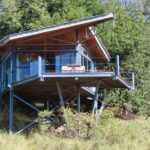
The safari portion starts quickly. Day two heads to Kruger with an early shuttle departure, then you settle into glamping-style stays at Sekekama Tented Camp or Dumela Camp (depending on availability). These aren’t “hotel rooms in the bush.” They’re tented camps, with an outdoor feel and a simple, nature-first setup.
The first wildlife day includes a sunset open-vehicle drive in the Blue Canyon Reserve near Hoedspruit. That’s a smart way to ease into safari: you’re not hit with an all-day commitment immediately, but you still get the core experience—open vehicles, guide spotting, and the sky changing colors over the reserve.
Meals are part of the package here, including dinner, a complimentary glass of wine, and breakfast (as listed). Even if you don’t drink, that wine is a clear sign the safari budget has some breathing room in the evening.
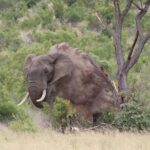
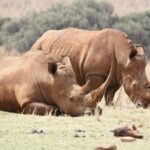
Day three is the big one: departure at 05:30 for a full-day safari into Kruger National Park. You’ll do a bush breakfast, then spend the day looking for the Big Five and related sightings, returning to the lodge around 15:00. The point isn’t just “seeing animals.” It’s seeing how the ecosystem changes over the day, and how guides read tracks, water points, and animal behavior.
A real-world comfort note
One of the best practical surprises from past travelers: on safari days, the team provides water when it’s warm, and blankets if rain hits. That’s exactly what you want to hear when you’re planning for field time.
Day 4: The Panorama Route for scenery and viewpoints
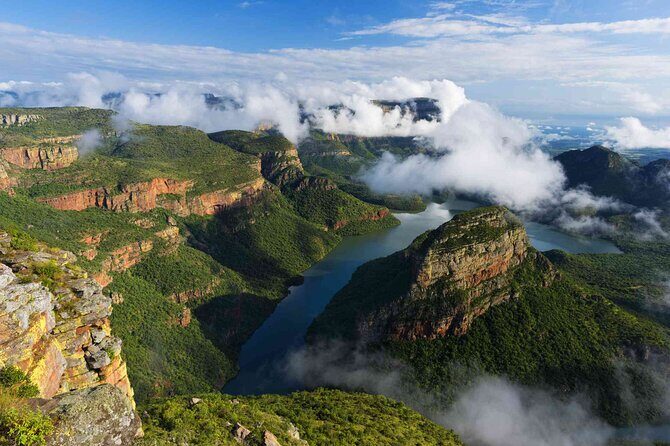
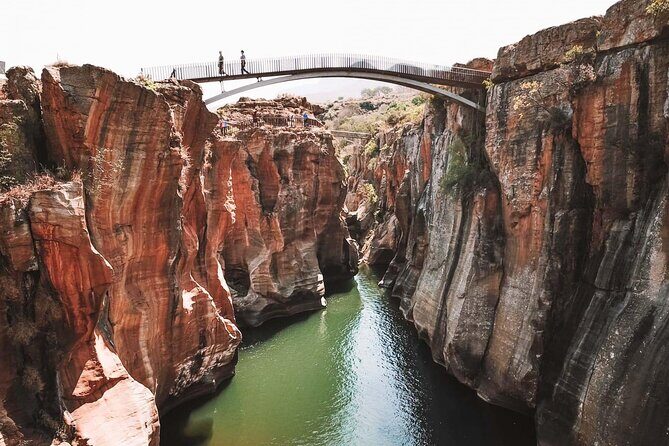
After the Kruger run, you switch to the Panorama Route, a full-day outing focused on natural highlights in the Lowveld area. This is a change of pace from wildlife watching. You trade “spot and track” energy for “pull over, look, take in the view, keep moving.”
Because breakfast and dinner are included (plus a complimentary glass of wine), you’re still covered on meals at the start and end of the day. You’ll want to bring or buy your own lunch if you’re hungry mid-route, since lunches aren’t included.
The Panorama Route day is also a reminder that South Africa isn’t only animals and cities. You’re going to get a sense of scale—how vast the terrain is, and how dramatic the geology can look from roadside viewpoints. It also sets you up for the final transition: from bush mode into city history.
Day 5: Optional Kruger add-ons and your return to Johannesburg
Day five is the send-off day. After breakfast, the plan is a return to Johannesburg, arriving around 17:00 or 18:00.
Here’s where you can tailor your ending of the safari chapter. Optional add-ons include:
- a 1-hour bushwalk before breakfast (subject to availability) for a more feet-on-ground experience
- a 1-hour ATV quad bike safari if you want speed and adrenaline
- a 1-hour sunrise drive in Blue Canyon, Greater Kruger if you’d like one more early wildlife session
If you’re someone who wants more animal time, sunrise tends to be where sightings happen. If you prefer lower physical demand, skip options that involve extra riding or walking.
By the time you’re back in Johannesburg, you’ll have enough momentum to keep going, but not so much that you’re stuck feeling half-sick from travel fatigue.
Day 6: Johannesburg human rights and street-level history
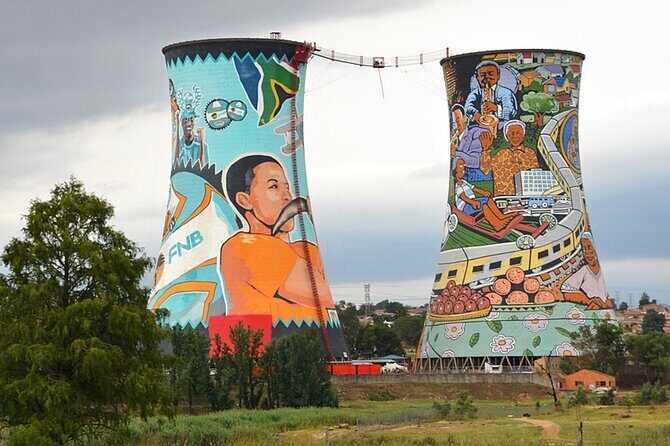
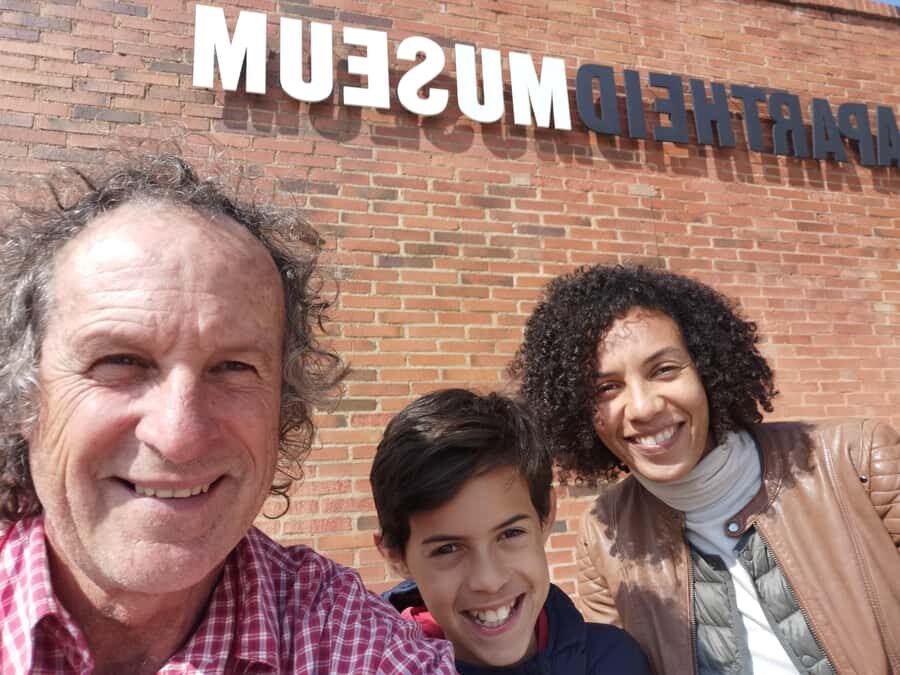
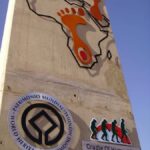
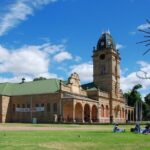
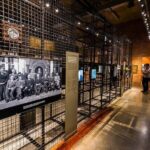
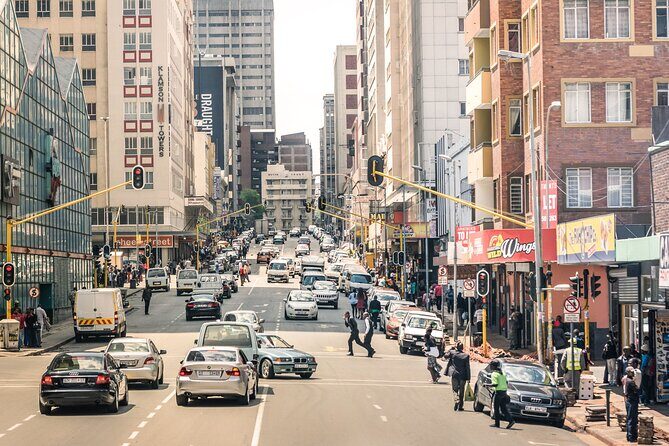
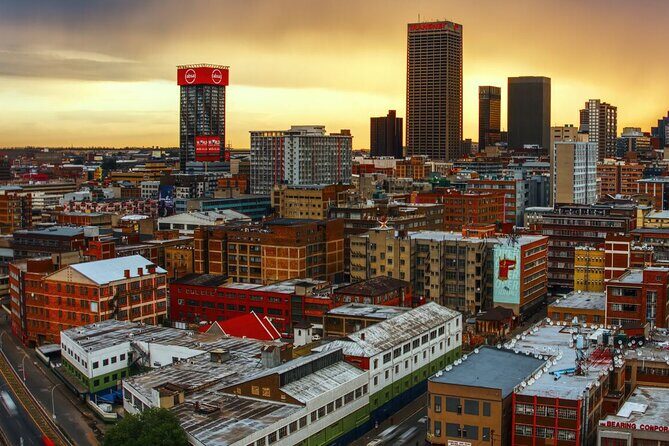
Day six is packed with meaning: Constitution Hill Human Rights Precinct is first. It’s described as a living museum on the site of a former prison and military fort, with the Constitutional Court today. This is South Africa’s democracy story told through place. You’re not reading about history from a screen—you’re walking through a site that still carries the weight of the past.
Next is the Nelson Mandela Bridge, a big-name landmark linking parts of the CBD. It’s only a quick stop, but it helps you keep Mandela’s story in your head while you move through the modern city.
Then comes Vilakazi Street, the only street noted for having hosted two Nobel Peace Prize winners: Nelson Mandela and Desmond Tutu. This stop is more about atmosphere—street-level context, names on buildings, and a sense of legacy.
After the tour you fly to Cape Town and check into your 3-star hotel. Airport transfer is included. Importantly: flight and dinner are excluded, so budget for that first evening in Cape Town.
Days 7–8: Table Mountain, Bo-Kaap, Cape Peninsula, and the penguins at Boulders Beach
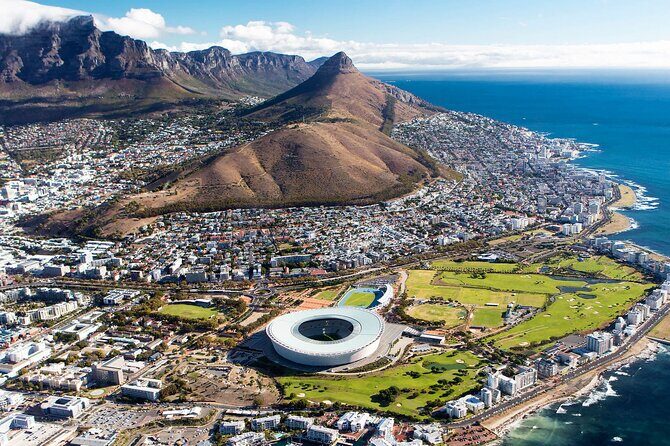
Cape Town starts with one of its biggest “wow, that’s real” moves: Table Mountain Aerial Cableway. The package includes going up via cableway for panoramic city and coastline views. Expect this to be a major photo-stop and a good way to orient yourself. Even if weather isn’t perfect, the height gives you a different mental map of the city.
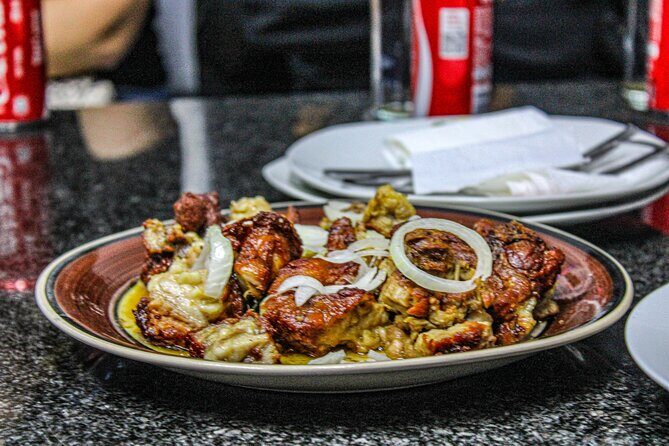
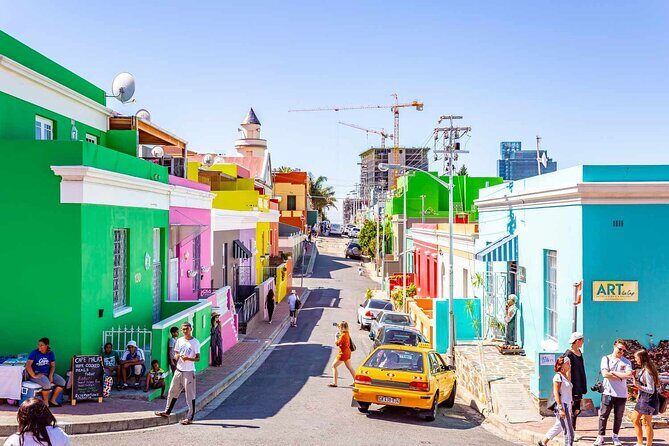
Then you head to Bo-Kaap, known for its colorful houses and Cape Malay heritage. This is where the tour nudges you from postcard Cape Town into cultural neighborhoods. You’ll have time to explore and, if you want, try local flavors like bobotie, samoosas, or koeksisters at cafés or restaurants in the area. The tour doesn’t force food costs into the package, but it points you toward what to look for.
Day eight is a Cape Peninsula day. Cape Point is the anchor, with options like the Shipwreck Trail and access toward Diaz Beach. This is where rugged coastline and coastal walking come together.
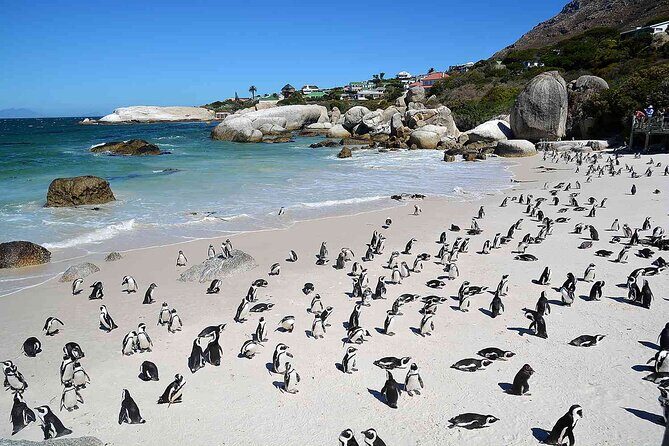
Then you get Boulders Beach Penguin Colony. Expect a short walk along boardwalks to viewing platforms so you can watch the penguins in their habitat. Admission is $10 per person and not included, so plan for it. This is the kind of stop where it helps to go in with low expectations and open eyes—penguins aren’t always doing grand displays, but the setting and behavior are the point.
Finally, there’s time at V&A Waterfront, which gives you an easy mix of shopping, museums, and waterfront atmosphere. You can check out places like the Clock Tower and the Two Oceans Aquarium if that’s your thing. Even if you don’t spend much time inside, it’s a practical place to regroup and get a meal.
Day 9: A free Cape Town day for flexibility
Day nine is intentionally not scheduled into a big-ticket “must-do.” You get a free day to explore at your own pace, whether that means adding something from your list, revisiting a neighborhood you like, or just taking a real break.
This free day is a big deal in a tour like this because it balances earlier long safari days. If you love independent wandering, use it. If you’d rather keep costs down, this is when you can simply enjoy the city without adding paid attractions.
If you’re the type who likes to plan a bit, pick one theme for the day—views, markets, or neighborhoods—then leave room for detours.
Day 10: Wine time and Robben Island with Mandela’s story
Your final day is a two-part close: first wineries and tastings for about 3 hours, then an afternoon ferry to Robben Island.
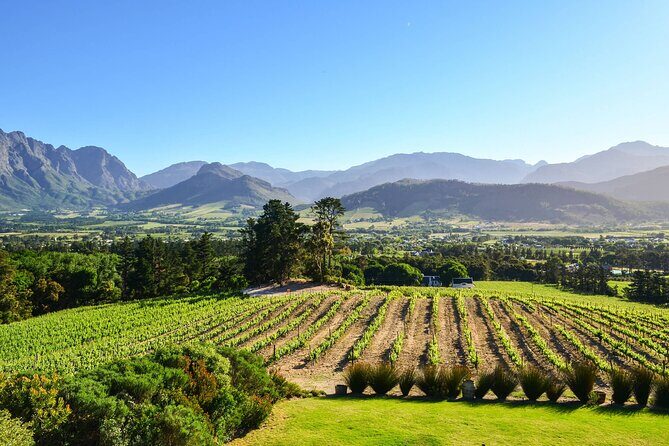
The wine stop isn’t just about drinking. It’s also a South Africa texture change: rural backdrops and a slower pace after days of drives and early mornings. Since lunch isn’t included, plan for how you’ll eat around tasting time.
Robben Island is the emotional finish. You’ll take the afternoon ferry and visit the maximum-security prison section, including Nelson Mandela’s cell and what the isolation and labor conditions looked like. You’ll also see the limestone quarry, where prisoners worked. The tour then returns you to the mainland, with transport to your accommodation or the airport.
This is one of those experiences where timing matters. Going in the afternoon means you might feel tired from earlier travel days—so it helps to go in steady, not rushing through. Give yourself time to absorb it.
Who should choose this budget loop (and who might not love it)
This trip fits best if you want a lot of variety without paying for luxury. It’s ideal for:
- First-time South Africa visitors who want both wildlife and city history
- People who are okay with early starts and long driving days
- Travelers who like group organization when it comes to safari logistics
- Anyone who wants key costs covered, especially conservation fees and game drives
You might want a different style of tour if:
- You hate early mornings and want most days to start later
- You prefer lunch to be included
- You want more free time during each city segment instead of structured blocks
Also, because the group size is up to 10, you’ll likely get a more personal feel than larger mass tours—but it will still feel like a group schedule. That’s not a flaw, it’s a style.
Should you book this 10-day South Africa budget adventure?
I’d book it if your priority order looks like this: safari first, then history, then Cape Town icons—and you want the budget to cover the expensive bits (like conservation and game drives). The combination of Kruger/Blue Canyon wildlife time, plus Johannesburg sites like Constitution Hill and Vilakazi Street, plus the Cape Town “big stops” (Table Mountain cableway and Robben Island) is a strong value package.
Before you click confirm, do two quick reality checks:
- Make peace with early departures and the reality that lunch isn’t included.
- Budget the extras you’ll likely choose, especially Boulders Beach ($10) and optional safari upgrades if you want them.
If that works for you, this is a very practical way to see the country without turning your trip into a spreadsheet.
FAQ
What’s the tour duration?
The tour is listed as 10 days (approx.).
What cities and areas are included?
You’ll cover Johannesburg, Kruger National Park / the Blue Canyon area near Hoedspruit, and Cape Town (including Cape Peninsula sights and Robben Island).
Are flights included?
No. The tour includes a flight to Cape Town, but flights are excluded overall.
Where do you get picked up?
Pickup is from OR Tambo International Airport (Johannesburg), with a start time of 6:30am.
What’s included for safaris and conservation costs?
All conservation fees and game drives as per the itinerary are included, including open-vehicle safari drives.
Are meals included?
Breakfast is included 3 times and dinner is included 4 times. Lunch is not included.
Is Table Mountain included?
Yes. Table Mountain Aerial Cableway is included.
Is Robben Island included?
Yes. You take an afternoon ferry and visit the prison areas associated with Nelson Mandela’s imprisonment.
Are there extra paid stops?
Yes. Boulders Beach admission ($10 per person) is not included. Optional add-ons like the 1-hour early morning bushwalk ($20) may also cost extra.
What’s the group size?
The tour has a maximum group size of 10 travelers.