REVIEW · JOHANNESBURG
Private Soweto,Mandela House,Apartheid Museum,Constitution
Book on GetYourGuide →Operated by AdventureTourism · Bookable on GetYourGuide
Johannesburg hits harder when someone shows you the why. This private 6-hour tour strings together Soweto, Mandela House, the Apartheid Museum, and the Constitutional Court and prison, with a guide who connects what you see to what people endured.
I love that you set the pace inside the museum stops, instead of being herded through. I also like the smooth logistics: morning Soweto keeps traffic calmer, and you get a comfortable car plus free Wi‑Fi so you can stay connected between stops.
One thing to consider: museum entry fees and any food aren’t included, so you’ll need to plan for extra spending (and you’ll want water).
In This Review
- Key Things That Make This Tour Work
- A Private Johannesburg Day Built Around Four Must-Sees
- Pickup and Orientation With Shane’s South Africa Lens
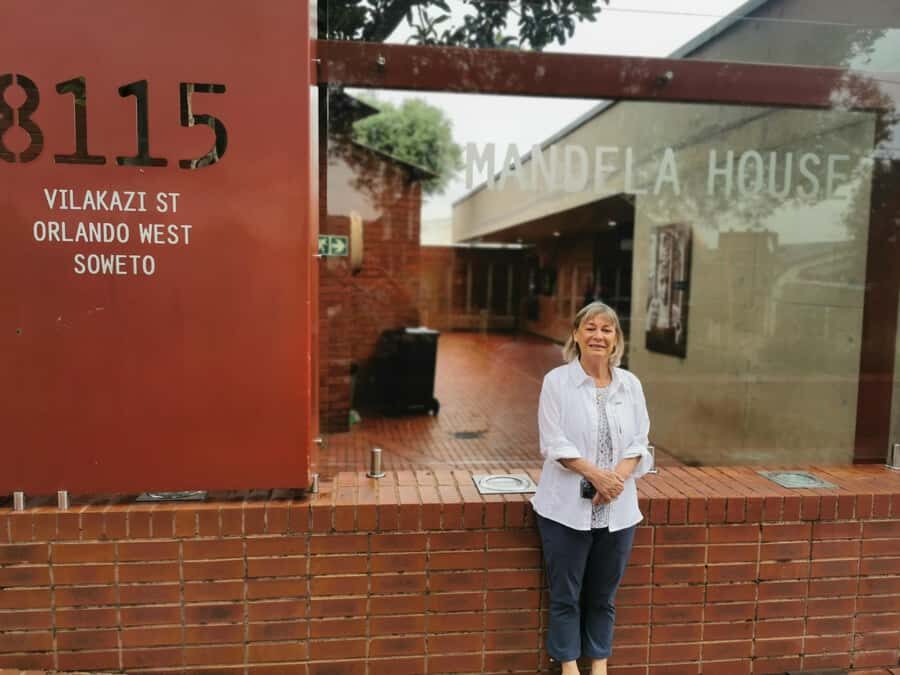
- Vilakazi Street: Mandela House, Desmond Tutu’s Home, and the Hector Peterson Memorial
- Nelson Mandela’s home (now a museum)
- Desmond Tutu’s house (private residence, drive past)
- The Hector Peterson Memorial
- A quick Soweto drive-through
- World Cup Stadium Stop: A Pause for Johannesburg’s Modern Story
- Apartheid Museum: Plan for Time, Not a Sprint
- What you’ll get from the museum
- Constitutional Court and Prison: Where Justice Meets the Cost of Freedom
- Constitutional Court
- Prison
- What’s Included (and What You’ll Need to Add)
- Included
- Not Included
- Tips to Get the Most Out of the Day
- Who This Tour Fits Best
- Final Call: Should You Book Private Soweto, Mandela House, Apartheid Museum, and Constitutional Court?
- FAQ
- Is pickup included?
- Is this tour private?
- How long is the tour?
- What attractions are included?
- Is the tour in English?
- Are museum and prison tickets included in the price?
- Does the tour skip ticket lines?
- Is food or drink included?
- Is there Wi‑Fi in the vehicle?
- What is the cancellation policy?
Key Things That Make This Tour Work
- Morning Soweto timing helps you spend less time stuck in traffic and more time reading the sites
- Shane’s perspective (a third-generation South African and author of White Boy) adds context you won’t get from a device
- Skip-the-ticket-line for the main stops means less waiting and more time inside
- Mandela House, Hector Peterson Memorial, and a Soweto drive-by give you the timeline in one sweep
- Apartheid Museum pacing lets you take the full time it deserves (often 2–3 hours)
- Constitutional Court and prison connect liberation, justice, and the cost of resistance
A Private Johannesburg Day Built Around Four Must-Sees

If you’re short on time but want the core Johannesburg experience, this tour gives you a smart order of operations. You start in Soweto, then move into the major museums, and finish with the Constitutional Court and prison. It’s not just a checklist. It’s a story arc, and your guide keeps explaining how the pieces fit together.
The value here isn’t only that you visit the big names. It’s the pacing, the context, and the fact that you’re traveling in a small private setup with pickup included. You don’t need to fight with directions, parking, or multiple tickets across the city.
You’ll also appreciate the comfort details. You ride in a comfortable car, and the tour includes free Wi‑Fi. That sounds small until you’re bouncing between neighborhoods and want a moment to plan your next move, message home, or check timing.
You can also read our reviews of more private tours in Johannesburg


Pickup and Orientation With Shane’s South Africa Lens
You’re picked up from your location, so you can avoid the first headache: figuring out meeting points and getting yourself across town. Once you’re on the road, your guide Shane drives and tells stories tied directly to what you’re seeing.
Shane is described as a third-generation South African and the author of White Boy, a biography about a white boy growing up in the apartheid era. That matters, because it shapes how the day lands. You’re not just hearing dates and names. You’re getting a framework for how apartheid life affected different communities—and how South Africans learned to survive, resist, and rebuild.
I like tours that feel safe and controlled, and this one aims for that through the private car approach and the guide’s local knowledge. One practical touch: Shane takes photos of you at the stops, so you don’t constantly have to juggle a camera and your attention.
Vilakazi Street: Mandela House, Desmond Tutu’s Home, and the Hector Peterson Memorial
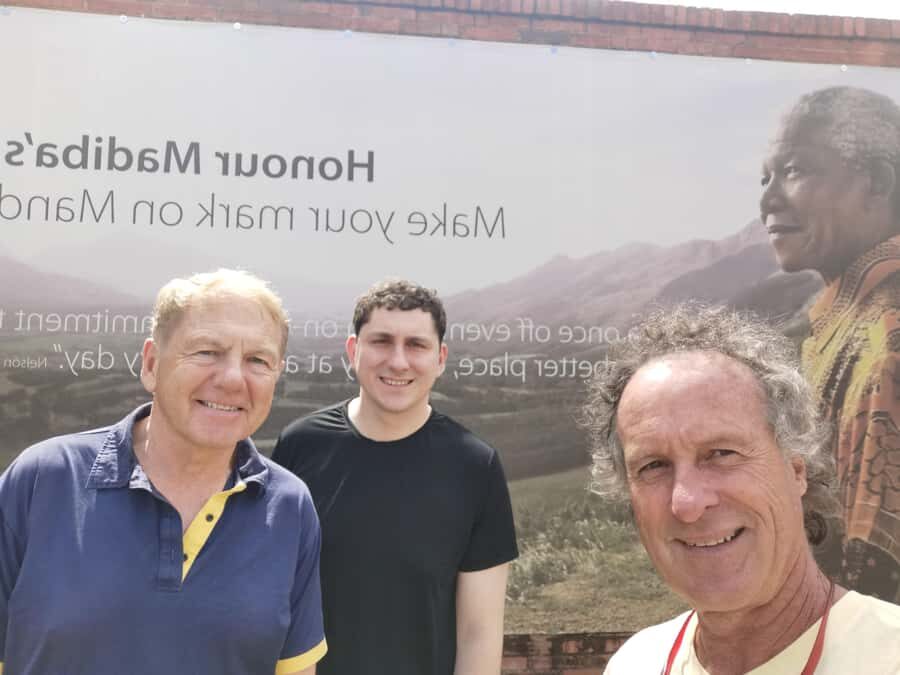
Your first major stop is Soweto, about 30 minutes from Johannesburg. You begin with the places people most associate with the struggle—and the places that show how memory is kept alive.
Nelson Mandela’s home (now a museum)
On Vilakazi Street, your first stop is Mandela’s home, now converted into a museum. This is the kind of place where the scale is modest, but the impact isn’t. Mandela’s house works because it turns a global symbol into something you can almost measure with your own eyes—rooms, objects, and the feeling of everyday life interrupted by politics.
In a museum format, you’ll have time to experience it at your pace. That pacing is important here. You don’t want to rush through a site like this, because it’s easy to miss the quiet details that make it real.
Mandela House entry is not included, and you’ll need to budget R70.
Desmond Tutu’s house (private residence, drive past)
On the same street is Bishop Desmond Tutu’s house. It’s now a private residence, so you don’t go in. But you do get the context of how this neighborhood holds major figures side by side. Even a slow drive-by can help your brain make sense of the geography of influence.
This stop is short, but it’s a smart way to keep your time for the bigger museum sites.
You can also read our reviews of more museum experiences in Johannesburg


The Hector Peterson Memorial
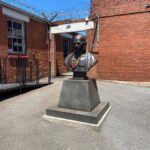
Next is the Hector Peterson Memorial, tied to the youth protests in 1976. This is one of those moments that grabs your attention because it connects history to people who were young. Instead of treating apartheid only as policy or courts or speeches, you see what it meant on the street and in schools.
There’s no substitute for being in the space where the memory is kept. Even if you already know the basics, this stop helps translate the headlines into something human.
A quick Soweto drive-through
After the key memorial stops, there’s a quick drive through Soweto so you can see how things have changed. I like that approach. Museums show the past. A drive-by adds the present—so your mental map isn’t stuck in a single historical snapshot.
World Cup Stadium Stop: A Pause for Johannesburg’s Modern Story

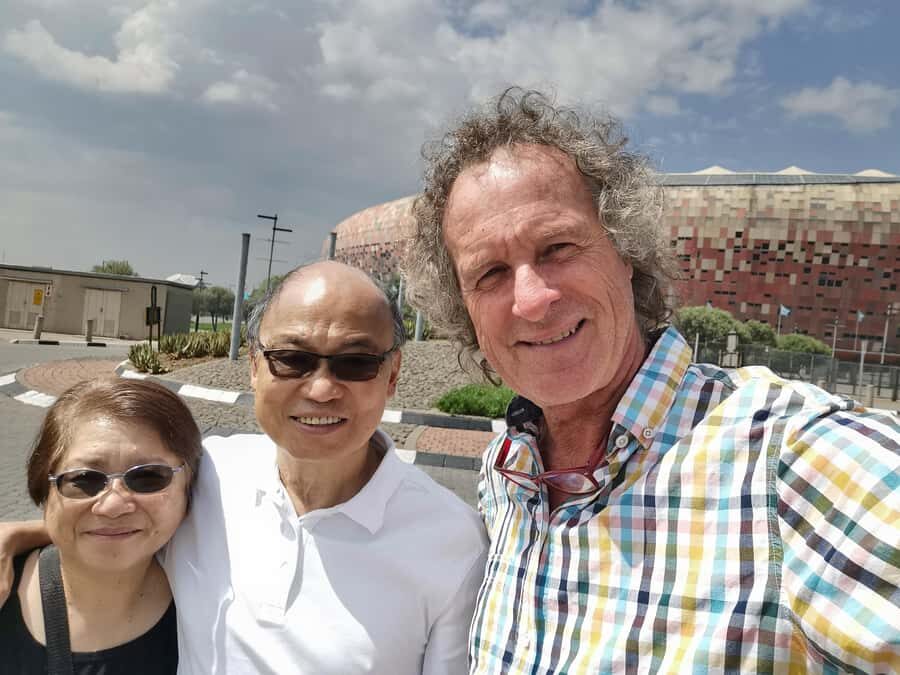
Before you reach the museums, the route includes a stop-off point for the World Cup soccer stadium (the one where the final was played in 2010). Even if football isn’t your thing, this works as a breather and a reminder that Johannesburg doesn’t live only in protest and pain.
It also helps you understand how the city presents itself to the world—through major events, big venues, and modern infrastructure. Pairing this with the heavier stops later on makes the day feel more complete, not just heavy.
Note: this is included as part of the route/stop, while the museum entry fees are separate.
Apartheid Museum: Plan for Time, Not a Sprint
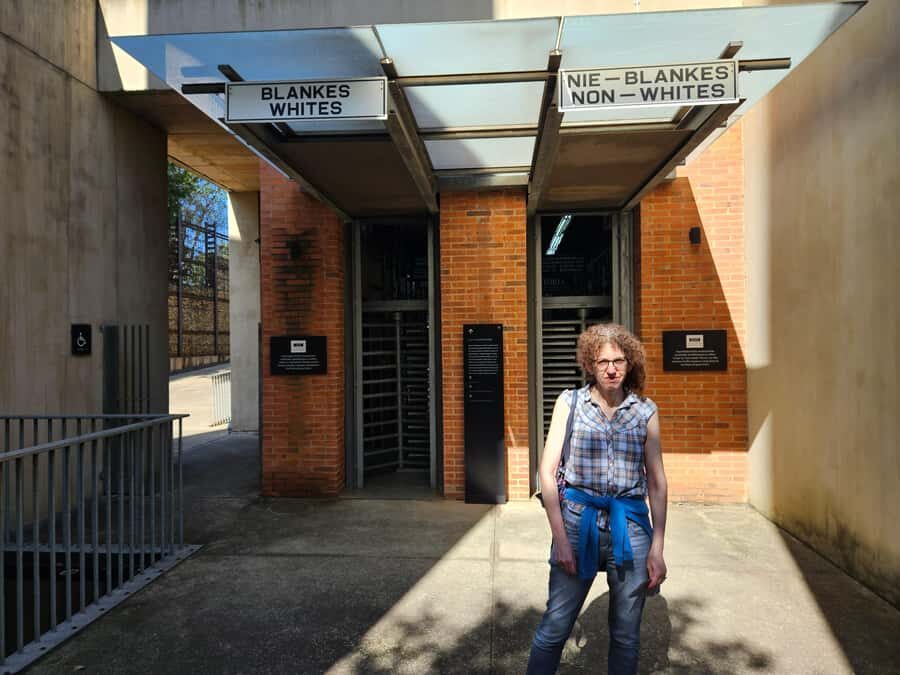
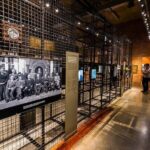
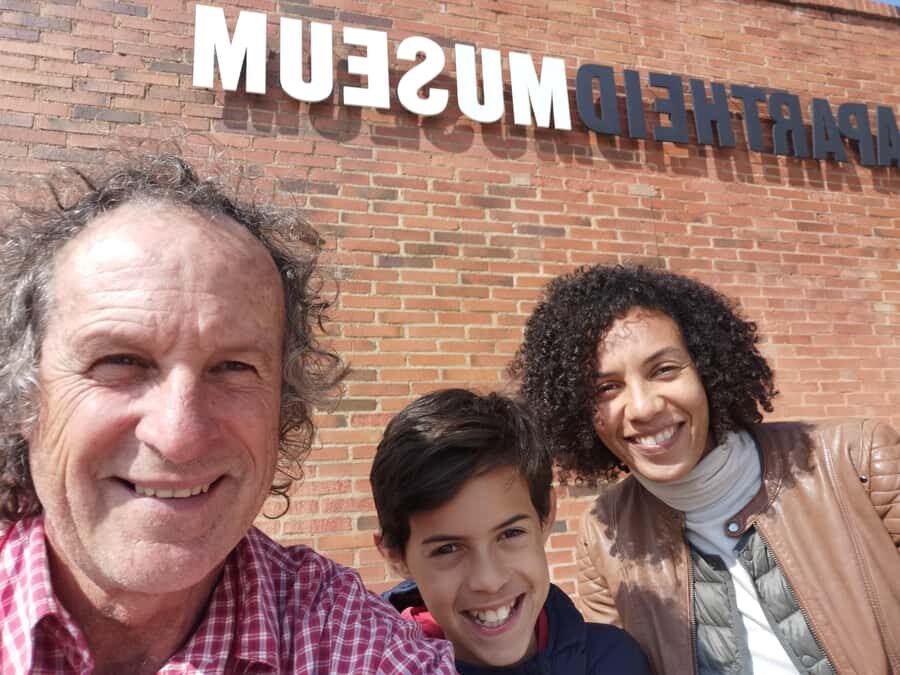
The Apartheid Museum is arguably the most visited museum in South Africa, and you should treat it like a major appointment. Plan for 2 to 3 hours inside. This is not a “pop in for 20 minutes” kind of museum.
What I like about this tour style is that you’re not shoved along. You’re allowed to experience the museum at your pace. That matters because the museum’s power comes from the details, and details need time to land.
What you’ll get from the museum
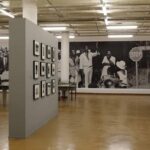
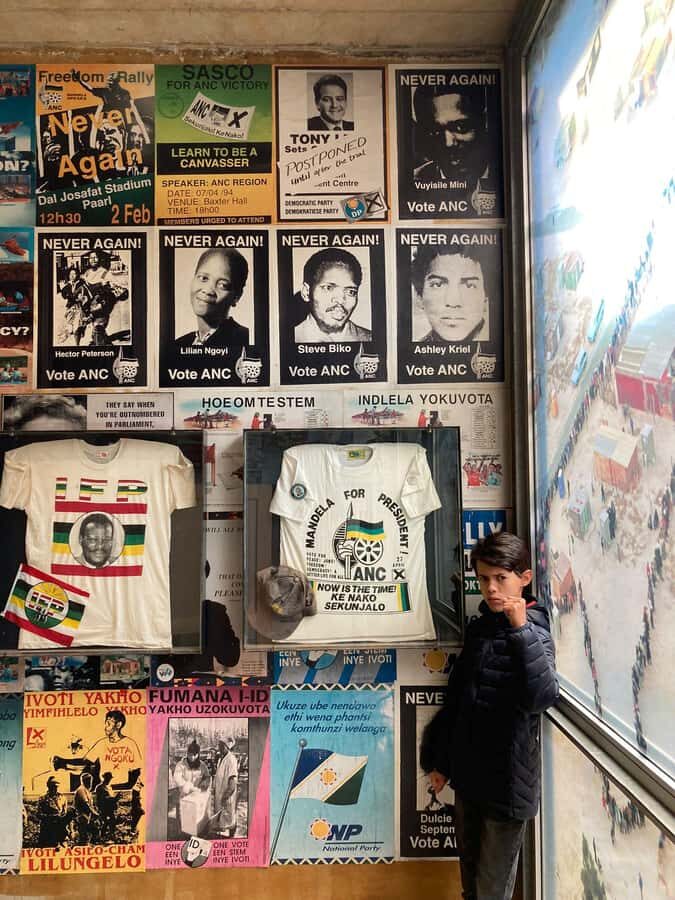
You’ll walk through the apartheid system in a way that makes it understandable. You’ll see how segregation shaped daily life, how laws structured movement and opportunity, and how resistance formed across years.
The tour guide’s role is huge here. A good museum can be intense on its own, but the guide helps you interpret what you’re seeing—so you leave with more than facts. You leave with a mental model.
Apartheid Museum entry isn’t included, and the listed cost is R150.
Constitutional Court and Prison: Where Justice Meets the Cost of Freedom
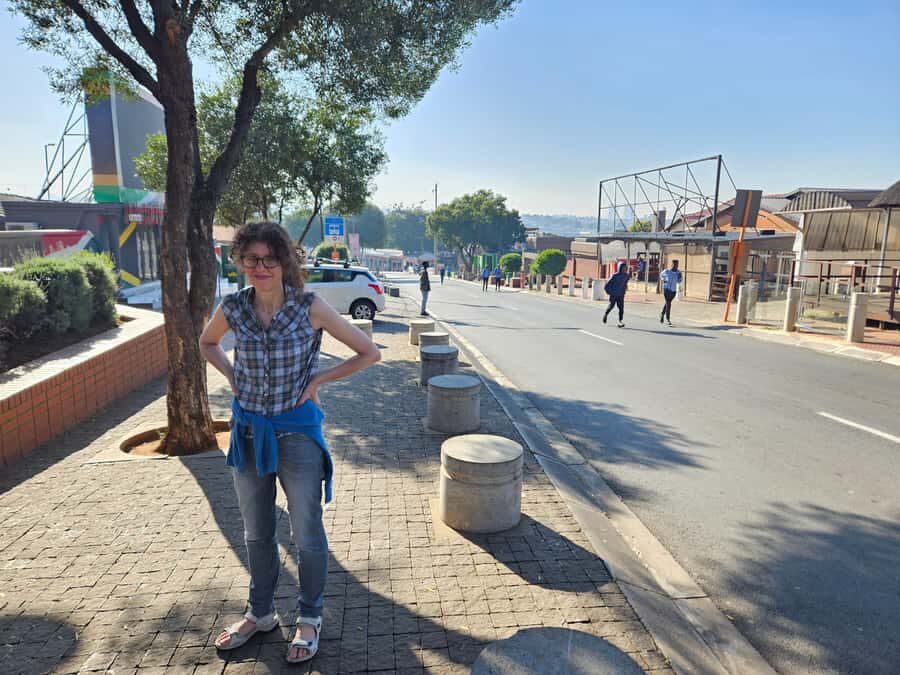
Your next stop is the newer Constitutional Court and prison area, tied to Mandela and Gandhi during their time in detention. This is a strong finish because it shifts from the apartheid machine to the question South Africa had to answer afterward: what does justice look like when the old system is gone?
Constitutional Court
The Constitutional Court is about the framework—how the country tries to live by constitutional principles rather than by force. If the apartheid-era stories in the museum make you angry, this part is about the response: the effort to build a different future and the belief that legal structure can protect people.
Prison
Then there’s the prison component, and it lands with a different kind of weight. Even without going into every single historical detail, the concept is clear: people didn’t get free by being patient. They paid a price, and the justice path still runs through that reality.
Prison entry isn’t included, with a listed cost of R100.
What’s Included (and What You’ll Need to Add)
Here’s how to think about value, not just price.
Included
- World Cup stadium stop-off point
- Desmond Tutu’s house (drive past)
- A live English-speaking guide, with stories and context through the day
- Comfortable private transport with free Wi‑Fi
- Pickup included
- Skip-the-ticket line for the stops that have that option
Not Included
- Museum and prison entry tickets: Mandela House R70, Apartheid Museum R150, Prison R100
- Any food or drinks
That last bullet is one of the most practical considerations. If you don’t want to scramble for a meal later, plan to eat before the tour or budget time after. You’ll also want water because the day covers multiple stops and indoor time can still leave you thirsty.
Tips to Get the Most Out of the Day
A few things I’d do if you were joining me:
- Bring cash for museum fees in South African rands (R) since those costs are listed separately.
- Wear comfortable shoes. You’ll be on your feet inside museums, and the day is long enough that footwear matters.
- If you care about photos, let Shane handle it. The photo-taking support means you can relax and look around instead of posing constantly.
- Keep your expectations realistic. This is a full, purposeful route. You’ll see a lot, but it’s still grounded in serious sites, especially the Apartheid Museum.
Who This Tour Fits Best
This is a great match if:
- You’re a first-time visitor to Johannesburg and want the top story sites in one day
- You want a guide who explains what you’re seeing, not just what the building is
- You like a pacing approach that doesn’t cut you off mid-thought
- You value safety and comfort in a private car setup
It may be less ideal if:
- You want every cost included (museum and prison entry are extra)
- You’re traveling hungry and don’t plan to budget for food
- You need strict timing down to the minute. Private tours run best when your group stays on schedule, especially with a museum that requires 2 to 3 hours
Final Call: Should You Book Private Soweto, Mandela House, Apartheid Museum, and Constitutional Court?
If your goal is to get the essentials of Johannesburg’s apartheid story and its aftermath—without self-driving, ticket chaos, or confusing logistics—this is an easy yes. The combination of Soweto + Mandela House + the Apartheid Museum + Constitutional Court and prison is exactly the sort of pairing that helps it all make sense.
I’d book it especially if you want a guide like Shane, who adds human context and helps you connect the sites instead of treating them like separate attractions. Just plan for museum entry fees, skip lunch assumptions, and wear comfortable shoes.
If you want a smooth history-packed day where the pace feels respectful, this one delivers.
FAQ
Is pickup included?
Yes. Pickup is included, and the driver waits at your pick-up location.
Is this tour private?
Yes, it’s listed as a private group.
How long is the tour?
The duration is 6 hours.
What attractions are included?
The tour includes a World Cup stadium stop, Nelson Mandela’s home (Mandela House), Desmond Tutu’s house (drive past), the Apartheid Museum, and the Constitutional Court and prison.
Is the tour in English?
Yes, the live tour guide is English.
Are museum and prison tickets included in the price?
No. Mandela House (R70), the Apartheid Museum (R150), and the prison (R100) are not included.
Does the tour skip ticket lines?
Yes, the tour includes skip-the-ticket-line service.
Is food or drink included?
No. Any food or drinks are not included.
Is there Wi‑Fi in the vehicle?
Yes. Free Wi‑Fi is included.
What is the cancellation policy?
Free cancellation is available up to 24 hours in advance for a full refund.