REVIEW · CAPE TOWN
Bo-Kaap: Walk with a local
Book on Viator →Operated by 56 On Lion Accommodation and Tours · Bookable on Viator
Bo-Kaap hits hard in the best way. This 1-hour walk turns the color on the buildings into real people, real faith, and real stories—shared by locals who live the neighborhood, not just sell tickets. You’ll see why the area is called the Malay Quarter and learn how slavery, migration, and Islam shaped what you see today.
I love that the tour is led by a local resident guide and the stories come with family context, like the way guides such as Ilyas, Sadiq, Rafiq, and Siddiq bring the neighborhood’s daily life into the walk. I also like the built-in comfort: you stop for rooibos tea (or coffee) and a snack, so you’re not just rushing from photo spot to photo spot.
One thing to plan for: this is a walking tour on hills and uneven streets, so comfy shoes matter. If you’re sensitive to inclines or have mobility limits, the walk may feel harder than it looks on a map.
In This Review
- Key Things That Make This Tour Worth Your Time
- Bo-Kaap’s Colors Aren’t Just Pretty: They’re Part of the Story
- The 1-Hour Walk: Why the Timing Works
- Meeting Point at 71 Wale St: Easy Start, Local Focus
- Stop 1: Bo-Kaap on Foot, With Context You Can’t See From a Map
- Stop 2: Wale Street Orientation and the Big Picture of Cape Town
- Stop 3: Atlas Trading Company and the Smell of Cape Malay Cooking
- The Auwal Mosque Stop: Faith, Architecture, and Continuity
- Rooibos Tea and a Snack: A Small Break With Real Value
- Photography Tips for South Africa’s Most Famous Street Views
- What I’d Consider Before Booking
- Guides Make the Difference: Why This Feels Personal
- Price and Value: Paying $25.31 for Context You’ll Actually Use
- Who Should Book This Walk (and Who Might Skip It)
- Should You Book Bo-Kaap: Walk with a Local?
- FAQ
- FAQ
- How long is the Bo-Kaap walk?
- Where do we meet for the tour?
- What’s included to drink and snack?
- Which mosque is part of the route?
- How big are the groups?
- What if the weather is bad?
- Is this walking tour suitable for most people?
Key Things That Make This Tour Worth Your Time
- Local guide, lived-in stories: You’re hearing what the neighborhood looks like from the inside.
- Auwal Mosque visit: You’ll visit one of South Africa’s oldest mosques as part of the route.
- Rooibos tea/coffee + snack included: A small break that makes the walk feel human, not rushed.
- Spice stop at Atlas: You’ll smell the spices that show up in everyday Cape Malay cooking.
- Small group feel (max 20): Easier questions, more personal pacing, less standing around.
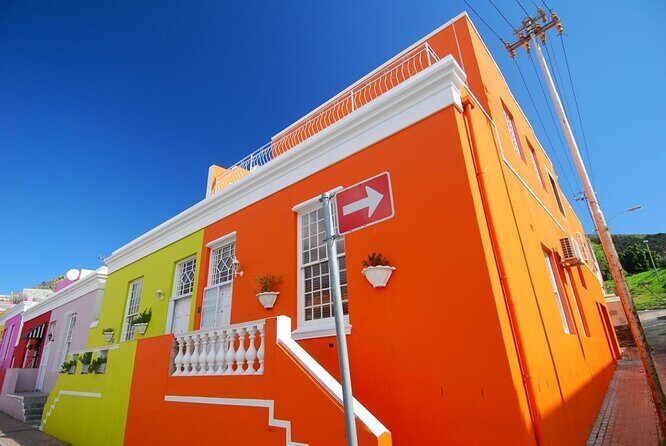
- Photography-friendly streets: You’ll get access to the most photographed views—plus the context behind them.
Bo-Kaap’s Colors Aren’t Just Pretty: They’re Part of the Story
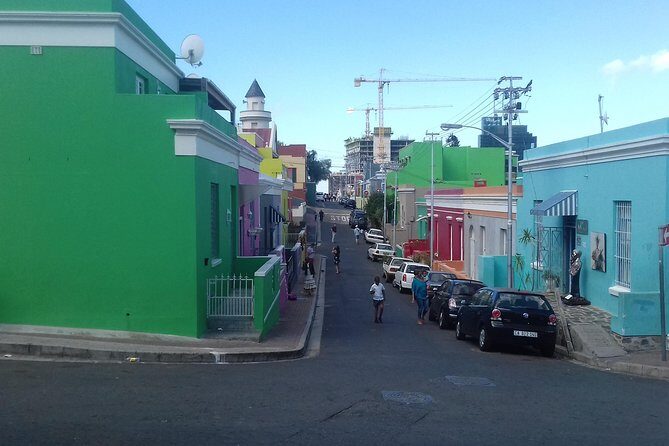
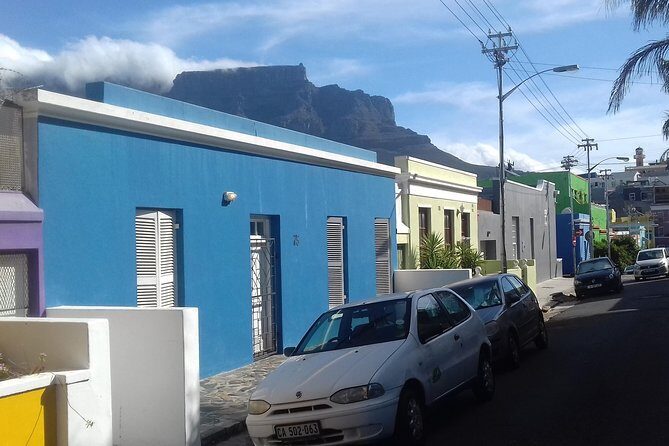
Bo-Kaap sits at the foot of Signal Hill in Cape Town’s City Bowl, and yes—the multi-colored houses are eye-catching. But the reason this place matters goes far beyond pictures. The neighborhood’s origins connect to enslaved people and other arrivals brought to the Cape by early Dutch settlers, including people from Africa, India, Sri Lanka, Indonesia, and Malaysia.
That mix shaped language, food, faith, and community life. A key theme you’ll hear is why Bo-Kaap is often described as the Birthplace of Islam in the Cape. As you walk, you’ll start seeing the neighborhood as a living timeline: houses, streets, and institutions tied to migration and resilience.
You can also read our reviews of more walking tours in Cape Town



The 1-Hour Walk: Why the Timing Works
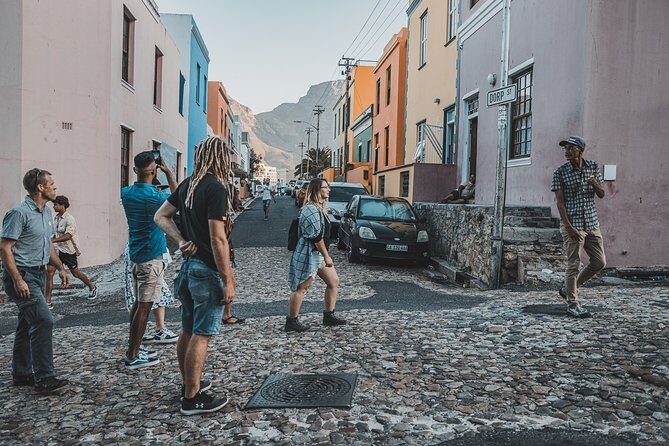
The tour runs about 1 hour, which is perfect when you want meaningful context without burning half a day. You’ll move at a pace designed for questions and stops, and the small group size (up to 20) helps a lot. It’s also the kind of outing that slots neatly into a busy Cape Town itinerary.
The route includes several short segments (around 20 minutes, 15 minutes, and 10 minutes at key stops), so it never feels like you’re stuck in one place waiting. You also get built-in breaks, since tea/coffee and a snack are included. That matters more than it sounds on paper—especially if you’re walking in cooler or breezy weather.
Meeting Point at 71 Wale St: Easy Start, Local Focus
You’ll meet at 71 Wale Street, in Schotsche Kloof (Cape Town 8001). From the start, the tour’s tone is practical and neighborhood-first: an introduction to what you’re about to see and why it looks the way it does.
You’ll likely find the meeting point convenient for getting in and out of the City Bowl area, since it’s noted as near public transportation. Still, the neighborhood itself has hills, uneven ground, and cobblestones in parts, so treat this as a real walking tour, not a stroll.
Stop 1: Bo-Kaap on Foot, With Context You Can’t See From a Map
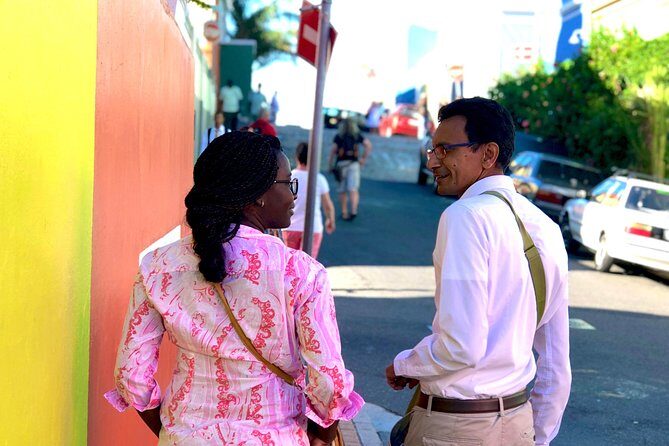
The walk begins in Bo-Kaap itself, where you’ll get a first look at the colorful suburb at the foot of Signal Hill. The key value here is that you’re not only viewing architecture—you’re getting meaning.
This is where guides often do the heavy lifting on historical framing: the role of slavery, how people became part of a new community, and how Islam took root in the Cape. Since the guide is connected to the area, you’ll also hear personal stories and present-day concerns, not just dates and facts.
If you’re someone who likes to understand what you’re looking at, this part is the foundation. And if you’re a photographer, it also helps because you’re learning where to point your camera beyond the obvious front-facing views.
Stop 2: Wale Street Orientation and the Big Picture of Cape Town
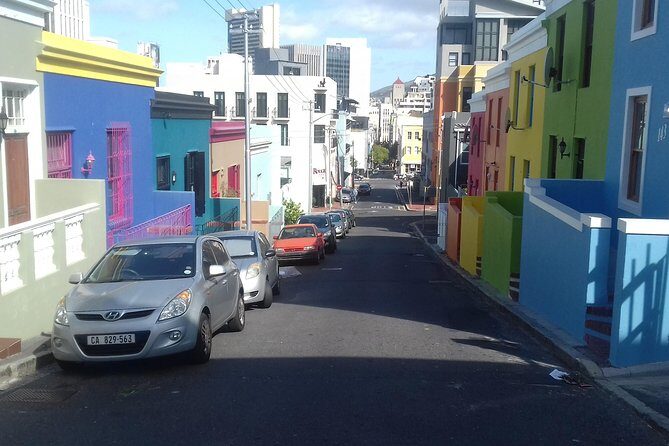
Next comes Wale Street, where you’ll meet the guide and get an overview of Cape Town’s history and how it connects to Bo-Kaap. This is the segment that helps everything else “click.” When you understand the larger forces—colonial rule, forced movement, and community formation—the neighborhood becomes more than a colorful backdrop.
At this stage, the tour works especially well if you’ve only scratched the surface of Cape Town’s story so far. Even if you’re not a history person, this short orientation gives you a way to interpret the streets you’re about to walk through.






Stop 3: Atlas Trading Company and the Smell of Cape Malay Cooking

Then you’ll head to Atlas Trading Company, a famed spice shop in Cape Town. This stop is short—about 10 minutes—but it’s one of those experiences that sticks because spices are sensory. You’ll smell the aromatic spices tied to Cape Malay cooking, and the guide will connect them to the area’s history and everyday life.
Why this matters: it’s one thing to read about Cape Malay culture. It’s another to stand in a spice shop and understand that the flavors weren’t just invented—they were carried, adapted, and kept within households over generations.
For food lovers, this is a strong payoff for a brief stop. For everyone else, it gives a memorable way to anchor the tour’s themes in something you can taste later.
The Auwal Mosque Stop: Faith, Architecture, and Continuity
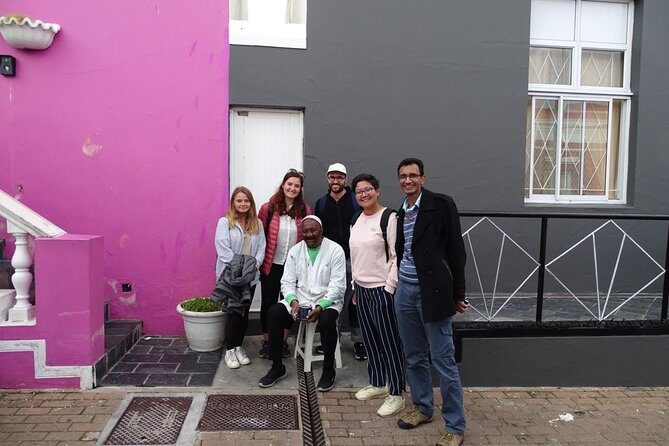
A major highlight is a visit to Auwal Mosque, described as one of the oldest mosques in South Africa. This isn’t just a photo opportunity; it’s a chance to understand how Islam became part of the neighborhood’s identity over time.
What you’ll take away is continuity: the idea that these stories aren’t trapped in the past. The mosque acts like a physical landmark for the community’s journey, and the guide’s explanation helps you see the significance beyond the building’s age.
If you respect religious spaces, this stop is especially rewarding. Go in with curiosity, keep your questions thoughtful, and listen for the meaning behind what you’re seeing.
Rooibos Tea and a Snack: A Small Break With Real Value
This tour includes rooibos tea (or coffee) and a tasty snack. That’s not a fluff add-on. It changes the experience from sightseeing to conversation.
When you pause for tea, you naturally slow down, absorb details, and have an easier time asking questions. It also helps on a hillier walk, where fatigue can creep in faster than you expect.
From the overall tone of guides sharing the neighborhood, the snack moments often feel like part of the culture, not a tourist consolation prize. Even if you’re only there for an hour, this little reset can be the difference between feeling rushed and feeling oriented.
Photography Tips for South Africa’s Most Famous Street Views
Bo-Kaap is one of South Africa’s most photographed areas, and you’ll get time to see the streets people travel for. But the most useful photography tip is not technical—it’s interpretive.
Look for the contrast: the colorful houses next to the historical context the guide is explaining. When you understand why the neighborhood looks the way it does, your photos feel more grounded. You’ll also be more likely to capture details you’d otherwise ignore, like street angles, building textures, and the rhythm of everyday neighborhood life.
Since the route includes quieter areas away from the most crowded sections at times, you may also get calmer photo opportunities. Still, you’ll want to be flexible, since you’ll be walking in real streets with real people around.
What I’d Consider Before Booking
This is widely praised, but it still has a few practical considerations:
- The walking includes hills and uneven pavement, so plan for real steps.
- You may encounter panhandling at times in busy urban areas; stay aware and keep moving with the group.
- The tour depends on good weather, so if conditions are poor, expect a date change or a full refund option.
None of these are deal-breakers. They’re the kind of details that help you show up prepared and enjoy the walk instead of battling discomfort.
Guides Make the Difference: Why This Feels Personal
A huge part of the appeal is how the local guides teach. Multiple guides—like Ilyas, Sadiq, Rafiq, and Siddiq—are described as residents who love the area and share both history and present-day life.
One memorable example from this kind of neighborhood storytelling is a stop that can include a visit connected to a guide’s family home, where you might be treated to a homemade Cape Malay sweet such as koe’sisters. That’s the sort of moment that turns Bo-Kaap from a checklist stop into an experience with meaning.
Even when the route stays focused on streets and specific landmarks, the tone is consistently personal: you’re not just hearing a script, you’re talking with someone who actually lives with the neighborhood’s past and future.
Price and Value: Paying $25.31 for Context You’ll Actually Use
At $25.31 per person, this is positioned as a budget-friendly way to do Bo-Kaap properly. For the cost, you’re getting an hour with a local guide plus structured stops that include:
- a neighborhood introduction in Bo-Kaap,
- an orientation on Wale Street,
- a spice shop visit at Atlas Trading Company,
- a visit to Auwal Mosque,
- and refreshments (rooibos tea/coffee and a snack).
Also, the itinerary lists admission ticket free for the scheduled stops, which matters for value. You’re not stacking extra fees on top of the guide cost.
So the real question is: what are you paying for? Not just color on buildings. You’re paying for context that helps you understand what you’re seeing, and for a walking format that keeps the group small enough for questions.
If you’re deciding between a quick photo stop and a guided hour, the guided hour wins. You leave with a story—and with language to describe why these streets matter.
Who Should Book This Walk (and Who Might Skip It)
This walk is a great fit for:
- first-timers to Cape Town who want Bo-Kaap done in a grounded way,
- people who care about culture and community (not just architecture),
- photographers who want the best streets paired with the reason behind them,
- solo travelers who value feeling safe and guided by someone from the neighborhood.
It may be less ideal if you:
- struggle with hills and uneven cobblestones,
- can’t do a full hour of walking,
- or dislike tours that include visits to religious spaces and require respectful attention.
The upside is that it’s only about an hour, so even if you’re unsure, you’re not committing to a long day.
Should You Book Bo-Kaap: Walk with a Local?
I’d book it if you want more than postcard Bo-Kaap. The best reason is the local guide factor—descendant-linked storytelling, neighborhood friendships, and details that don’t show up when you just wander.
I’d also book it if you like food and senses. The spice shop stop at Atlas Trading Company and the rooibos tea/snack break make the history feel connected to daily life.
The only reason to pause is physical comfort. Wear comfy shoes, expect some uneven footing, and plan around weather. If you can do that, this is a strong value way to understand one of Cape Town’s most meaningful neighborhoods in a short time.
FAQ
FAQ
How long is the Bo-Kaap walk?
It lasts about 1 hour.
Where do we meet for the tour?
You’ll meet at 71 Wale Street, Schotsche Kloof, Cape Town 8001. The tour ends back at the meeting point.
What’s included to drink and snack?
The tour includes rooibos tea/coffee and a tasty snack.
Which mosque is part of the route?
You’ll visit Auwal Mosque, described as one of the oldest mosques in South Africa.
How big are the groups?
The tour has a maximum of 20 travelers.
What if the weather is bad?
The experience requires good weather. If it’s canceled due to poor weather, you’ll be offered a different date or a full refund.
Is this walking tour suitable for most people?
It notes that most travelers can participate.