REVIEW · CAPE TOWN
Cape Town Photo Walk & City Tour
Book on Viator →Operated by One Day Africa · Bookable on Viator
A city tour through paint, people, and place. Starting in Bo Kaap and ending at the District Six Museum, this walk-style experience focuses on street art culture with real context for what you’re seeing on the walls. I like how it ties the art to neighborhood identity, plus it’s set up like a practical photo outing with a small group feel. One thing to keep in mind: the published route includes food and wine stops, but the total duration is about two hours, so expect short stops or extra costs depending on what’s on the day.
Two highlights for me: you get a guide-led look at the Malay/Muslim area around Bo Kaap, and you also get an end point that helps you read the city with better perspective. The tour’s also designed for active looking—spotting public artworks and learning why some murals land with political or cultural messages. A possible drawback is that any tastings or purchases you want during planned stops may fall under additional costs, since lunch and snacks are listed as excluded.
If you’re the type who likes taking photos and understanding what’s behind them, this is a strong match. You’ll walk through iconic areas and also try to catch lesser-seen spots where street art lives alongside everyday Cape Town life. Just be ready for some uneven walking surfaces and bring comfy shoes.
In This Review
- Key highlights at a glance
- From Bo Kaap to the streets: why this start matters
- How the street art photo walk teaches you to “read” murals
- District Six Museum: ending with perspective, not just pictures
- The plotted stops that look like wine country (and what to do about it)
- Babel Restaurant, Cape Dutch gardens: what to look for in the first stop
- Delaire Graff Wine Estate and Helshoogte Pass views: plan for a quick tasting mood
- Fairview Cheese and Wine: small pairing, big payoff
- Price and value: what $31.44 really gets you
- Timing, group size, and how to get better photos fast
- Who should book (and who may feel rushed)
- Quick FAQ for planning your Cape Town day
- FAQ
- How long is the Cape Town Photo Walk & City Tour?
- How much does the tour cost?
- Where does the tour start and end?
- What’s the group size limit?
- Is lunch included?
- Are any tastings or food purchases included in the price?
- Do I get a ticket on my phone?
- Is free cancellation available?
- What happens if the minimum number of travelers isn’t met?
- Should you book this Cape Town Photo Walk & City Tour?
Key highlights at a glance
- Bo Kaap street-level context right at the start
- Street art explained with culture and current events in mind
- District Six Museum end point for deeper meaning after the walk
- Small group size (max 15) for better questions and photo help
- Planned food stops that can add fun, if you budget for extras
From Bo Kaap to the streets: why this start matters
Starting at Bokaap Deli on Church Street is smart, because Bo Kaap is the kind of place where the first photo you take tells you the story. The neighborhood’s known for its colorful streetscape and its Malay/ Muslim heritage, and that matters here. This tour isn’t just about clicking a camera—it’s about learning how local identity shows up in the visual culture around you.
I like that the guide’s framing includes the neighborhood’s background, so you’re not left guessing at symbolism. When you understand who lives somewhere and what the streets represent, murals and street posters stop feeling random. They read like messages aimed at a specific community—and sometimes a specific political moment.
It also sets your expectations for the kind of photos you’ll want. In Bo Kaap, wide shots work, but so do close-ups: doorways, painted walls, and small details that sit next to everyday life. If you show up ready to look carefully rather than hunt only for the biggest mural, you’ll get more from the two hours.
You can also read our reviews of more walking tours in Cape Town
How the street art photo walk teaches you to “read” murals
This tour is built around guided walking, public artworks, and hidden corners where you can see newer works by local and international artists. The useful part isn’t the art itself—it’s the commentary that helps you connect the piece to Cape Town life.
Street art often carries a political or cultural message, and that’s exactly the kind of context you want on a first-time street-art visit. Without that, you might just admire the style and miss the point. With it, you start asking better questions: Who is the artwork speaking to? What local issue or identity does it reflect? Is it reacting to recent events or referencing older themes?
Because this is a photo walk, you’ll also learn practical looking habits. You’ll get help on where to stand for angles, how to frame street-level compositions, and when to pause so you can capture both the art and its surroundings. That’s what turns a photo walk from an “I saw a wall” outing into an actual visual story.
One more reason I’d recommend this approach: it keeps you moving through the city instead of stopping at one spot. That makes it easier to compare styles and themes across neighborhoods, and you’ll come away with a better sense of how street art fits into Cape Town’s public culture.
District Six Museum: ending with perspective, not just pictures
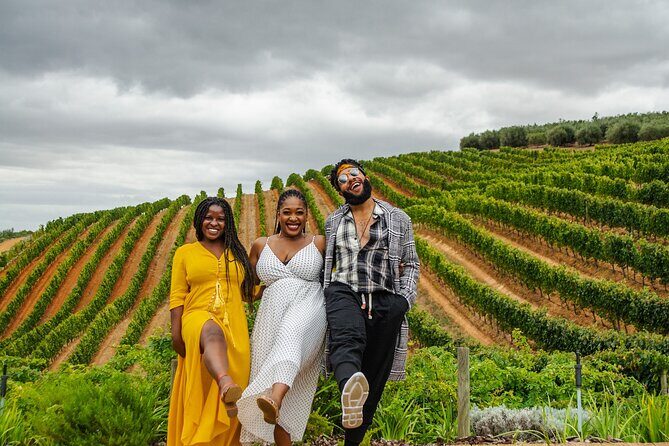
Your walk ends at the District Six Museum, which is a meaningful choice. Street art can be fun and expressive, but it also often deals in memory, identity, and resistance. District Six is tied to a painful chapter in South Africa’s past, and ending here nudges the whole experience toward understanding rather than pure sightseeing.
Even if you’re not an expert on the area, the museum helps you reframe what you’ve been looking at. When street art carries messages about community and change, you’ll understand better why some walls feel urgent. The final location also gives you a natural “wrap-up point.” You can take photos at the end, read the context, and decide which themes stuck with you during the walk.
If you’re the kind of person who likes to connect dots—art to history, neighborhood to identity—this end point makes the tour feel more complete. It’s also a good reminder to pause after you’ve been hustling for shots. Step back, look around calmly, and let the meaning catch up to your camera.
The plotted stops that look like wine country (and what to do about it)
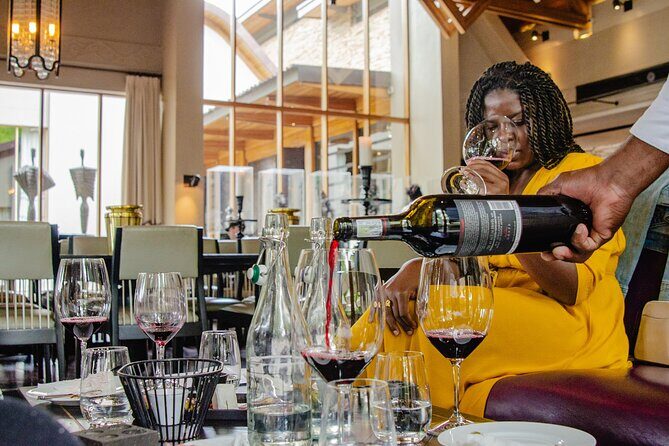
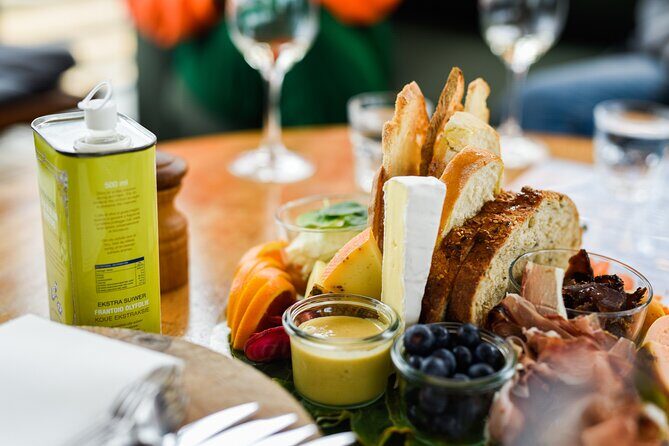
Here’s the part you should plan for carefully: the route description includes several food and wine-focused stops, including a farm-to-fork restaurant at a historic boutique hotel with Cape Dutch architecture, plus visits associated with Delaire Graff Wine Estate and Fairview Cheese and Wine.
At the same time, the overall duration is listed as about two hours. That doesn’t automatically mean something is wrong, but it does mean you should expect this to be fast-paced. In practice, that could translate into quick viewing, short tastings, or brief pairings—not a long sit-down meal. And it may mean some parts are closer to “stop-and-sample” than a full experience.
The practical takeaway: treat the $31.44 price as the base walking tour value, then budget for optional extras if you choose to participate in tastings or food purchases at the listed venues. The tour info also states that lunch and snacks aren’t included, and it notes all additional items and cost are not included.
If you want to enjoy the food side without surprises:
- Decide in advance what you’ll pay for (a small tasting, a cheese pairing, or neither).
- Bring a backup plan for hunger if you skip tastings.
- Keep water with you, since a short tour with stops can still mean a lot of walking.
Babel Restaurant, Cape Dutch gardens: what to look for in the first stop

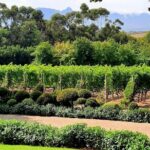
One of the listed stops is a historic farm turned boutique hotel, known for preserved Cape Dutch architecture and carefully cultivated gardens. The tour describes a farm-to-fork philosophy at Babel Restaurant, where fresh local ingredients and produce connect the farm setting to the meal experience.
Even if you’re not there to dine in-depth, this stop can be valuable for a different reason: it gives you a break from street-level imagery and connects you to a different kind of local craft. Cape Dutch architecture has its own visual language—symmetry, textures, and a sense of place—that can also work well for photos if you’re mindful of light and angles.
If you like food experiences, you’ll probably enjoy the logic of the stop: local produce, local wines, and a setting designed to show that relationship. If you don’t, just treat it as a scenic pause and refocus on the walk afterward.
You can also read our reviews of more city tours in Cape Town


Delaire Graff Wine Estate and Helshoogte Pass views: plan for a quick tasting mood
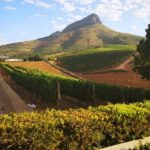
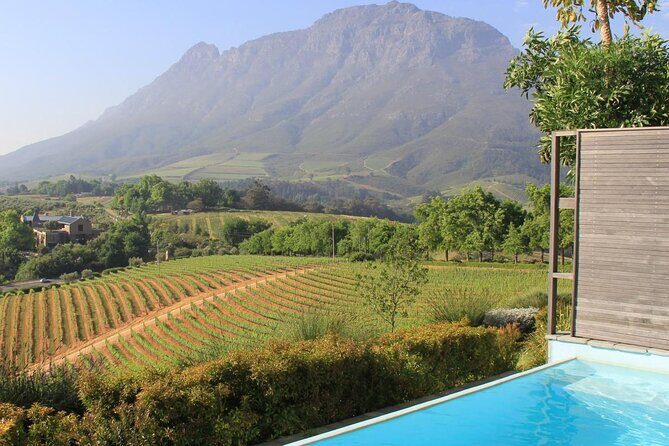
Another listed stop is Delaire Graff Wine Estate on Helshoogte Pass, described as panoramic and tied to mountain-meets-maritime terroir. The tour mentions sommeliers sharing their expertise and passion, with light cellar tours and exclusive tastings guided by staff (the description cuts off, but the intent is clear).
This is the kind of stop that can add real variety to a photo-and-art tour. It also changes your pacing: wine estates usually mean a bit of transport, plus standing around for views and a guided tasting moment.
Because the itinerary time is tight, don’t expect a slow, leisurely “spend hours here” feeling. Expect a structured, short interaction—especially if the tour is designed to keep everyone on schedule.
If you’re a photographer, the views above pass country can be striking. But keep your focus on the event flow. Capture a few key shots, then listen. The tasting portion is likely where your guide’s context lands, and that’s the part that turns a venue visit into a story.
Fairview Cheese and Wine: small pairing, big payoff
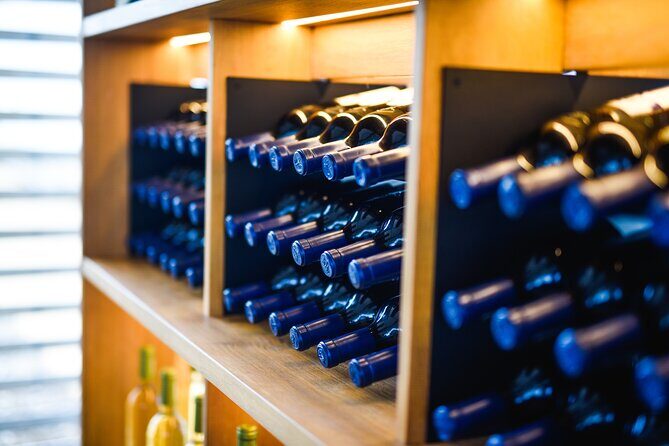
A third listed stop is Fairview Cheese and Wine, described as a renowned destination for award-winning artisanal cheeses. The stop is framed around cheese and wine pairings, with staff guidance for selecting handcrafted cheeses matched to exceptional wines.
This is the part that often makes people smile, even if they’re not hardcore foodies. A pairing gives you an easy entry point: you taste, compare, and learn what the pairing is meant to do. When a wine-and-cheese moment is guided, you also avoid that awkward guessing game—what should I try next?
Again, keep an eye on what you’re paying for. The tour doesn’t list lunch or snacks as included, and it states additional items and cost aren’t included. That usually means tastings and purchases may be extra depending on the exact day and what the tour includes in that price.
If you want to get value from the pairing without overspending:
- Start with one or two guided tastes.
- Ask what’s most “signature” if you’re offered a choice.
- Stop when you’re satisfied and return to the main tour vibe.
Price and value: what $31.44 really gets you

At $31.44 per person, this tour sits in the “short and focused” category. You’re paying for guided direction through neighborhoods and street-art context, not for a full-day food-and-wine holiday.
That’s why the structure matters. A two-hour window means the guide is prioritizing movement and key viewpoints. You get help choosing where to look and how to interpret what you find, plus the small group size (max 15) makes it easier to ask questions rather than shout over a crowd.
Where value can get tricky is the extra-cost side. The tour info says lunch and snacks are excluded, and all additional items and cost are not included. Since the route includes food and wine-related stops, the experience can become more expensive if you fully lean into every tasting or purchase.
My advice: decide your “yes” list ahead of time. If you’re there for the street art and the city context, you can keep spending under control by treating food stops as optional. If you want wine and pairing time, plan for it as part of your day budget.
Timing, group size, and how to get better photos fast
This tour is about 2 hours and capped at 15 travelers. That’s a sweet spot. You’ll likely have enough space to move with the group, and the guide can still keep an eye on everyone’s questions and photo needs.
The meeting point at Bokaap Deli and the finish at the District Six Museum also suggest a route built for walking with a clear start-and-end. That’s helpful if you like to plan your afternoon afterward. You won’t be stuck guessing where you’ll end up.
To get the best photos on a guided walk like this:
- Wear shoes you can walk in for the full time without pain. Uneven streets happen in older neighborhoods.
- Charge your phone or camera fully before you go, and bring a small power bank if you rely on heavy photo apps.
- Take a few wide shots first, then return for close-ups once you know where the compositions are strongest.
Also, keep your ears open during the art commentary. If you capture photos while you’re listening, you’ll often remember the meaning better. And if you remember the meaning, your photos feel more intentional when you look back later.
Who should book (and who may feel rushed)
I’d book this if you:
- Like street art but also want the cultural and neighborhood context behind it
- Prefer small-group tours where you can ask questions
- Want a short outing that connects art to real places like Bo Kaap and District Six
You might think twice if you:
- Hate rushed pacing or you’re expecting long wine or food sessions
- Want a strictly “walk-only” itinerary with no additional purchases
- Are uncomfortable with a schedule that blends multiple types of stops within a short time
If you’re traveling with kids, it could be okay for many ages because most travelers can participate and service animals are allowed. Still, since it’s a walking tour with planned stops, you’ll want to judge based on your group’s stamina and interests.
Quick FAQ for planning your Cape Town day
FAQ
How long is the Cape Town Photo Walk & City Tour?
It’s listed as approximately 2 hours.
How much does the tour cost?
The price is $31.44 per person.
Where does the tour start and end?
It starts at Bokaap Deli, 114 Church St, Bokaap, Cape Town, and ends at District Six Museum, 25A Buitenkant St, District Six, Cape Town.
What’s the group size limit?
The tour has a maximum of 15 travelers.
Is lunch included?
No. Lunch and snacks are excluded.
Are any tastings or food purchases included in the price?
The tour description lists food and wine stops, but it also says all additional items and cost are not included, so you should expect some spending may be optional or extra.
Do I get a ticket on my phone?
Yes. The tour uses a mobile ticket.
Is free cancellation available?
Yes, free cancellation is available up to 24 hours in advance for a full refund.
What happens if the minimum number of travelers isn’t met?
If it’s canceled because the minimum isn’t met, you’ll be offered a different date/experience or a full refund.
Should you book this Cape Town Photo Walk & City Tour?
Book it if you want a short, guided way to see street art in Cape Town with context, starting in Bo Kaap and ending at the District Six Museum. The small group size and the focus on reading murals through culture and current events make it a good “first street-art lesson” for the city.
Skip or go in with eyes open if you’re expecting a full, slow winelands-style wine day. The route lists multiple food and wine stops, but the total time is about two hours, and lunch/snacks aren’t included. If you treat tastings as optional and focus on the walk-and-art side, you’ll likely get the best value from the price.