REVIEW · JOHANNESBURG
Cradle of Humankind and Lesedi Cultural Village
Book on GetYourGuide →Operated by Ntsibantu Tours and Transfers · Bookable on GetYourGuide
There’s something oddly uplifting about ancient beginnings. I love how this trip pairs big-time science at the Cradle of Humankind with hands-on culture at Lesedi Cultural Village. You get guided context for major discoveries like early stone tools and fossil finds, then shift gears to traditional homes, dancing, and African food. The main drawback to weigh is that language quality can vary by departure, and a mismatch can make the experience feel less smooth.
The timing is built for a full day: you start in Johannesburg, drive out, then return to the city after a packed mix of guided stops and walking. I especially like the way the plan balances structured sightseeing with free time, so you’re not stuck listening the whole way. One more consideration: the materials list both wheelchair accessibility and limits for people with mobility or back problems—so you’ll want to confirm the specifics for your body and walking tolerance.
In This Review
- Key highlights you will actually feel
- Cradle of Humankind from Johannesburg: the drive and the payoff
- Swartkrans and early tech: fossils, burnt bones, and stone tools
- The transfer break: why the 35-minute gap matters
- Lesedi Cultural Village: tribal homes, dancing, and Nyama Choma
- The cultures you’ll meet: Ndebele, Zulu, Basotho, Xhosa, and Pedi
- Timing, walking, and how to handle a tight day
- Price value check: what $218 gets you (and what it doesn’t)
- Language and guide quality: what to verify before you go
- Should you book the Cradle of Humankind + Lesedi combo?
- FAQ
- How long is the Cradle of Humankind and Lesedi Cultural Village tour?
- Where does the tour start?
- What is included in the price?
- Are lunch and dinner included?
- What languages are available for the live tour guide?
- What should I bring for the day?
Key highlights you will actually feel
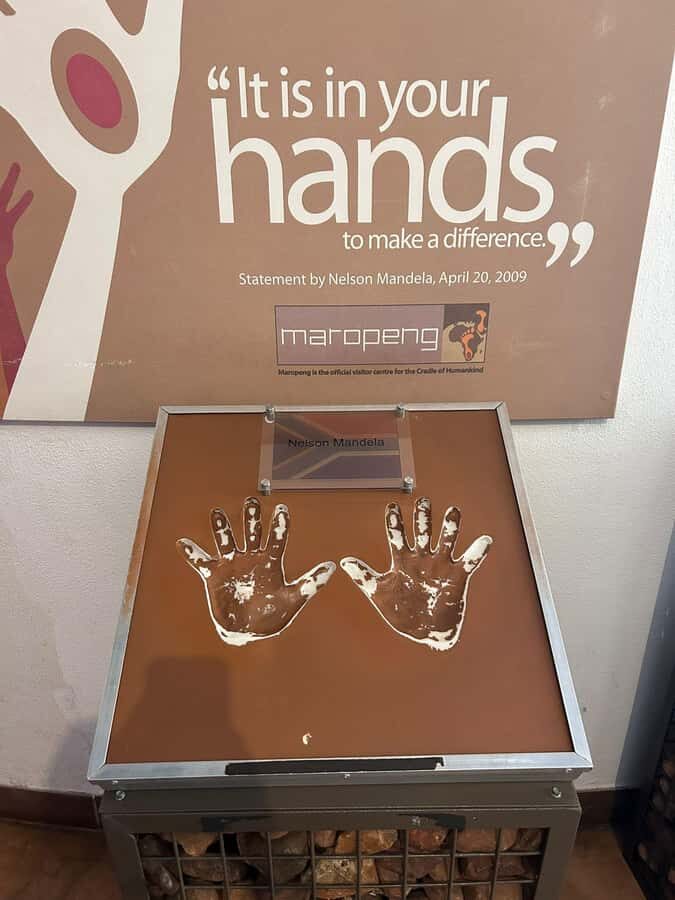
- Cradle of Humankind discoveries: learn how life and early technology fit together, including stone tools about 2 million years old and evidence tied to fire control over 1 million years ago
- Swartkrans fossil details: see why the site matters, including the reference to a collection of 270 burnt bones
- Lesedi Cultural Village cultural encounters: meet southern African tribal traditions connected to the Ndebele, Zulu, Basotho, Xhosa, and Pedi communities
- Dance show focus: a major portion of your time includes a traditional dance program (about 2 hours)
- Food moment at Nyama Choma: get a real tasting-style stop rather than just photos and souvenirs
Cradle of Humankind from Johannesburg: the drive and the payoff
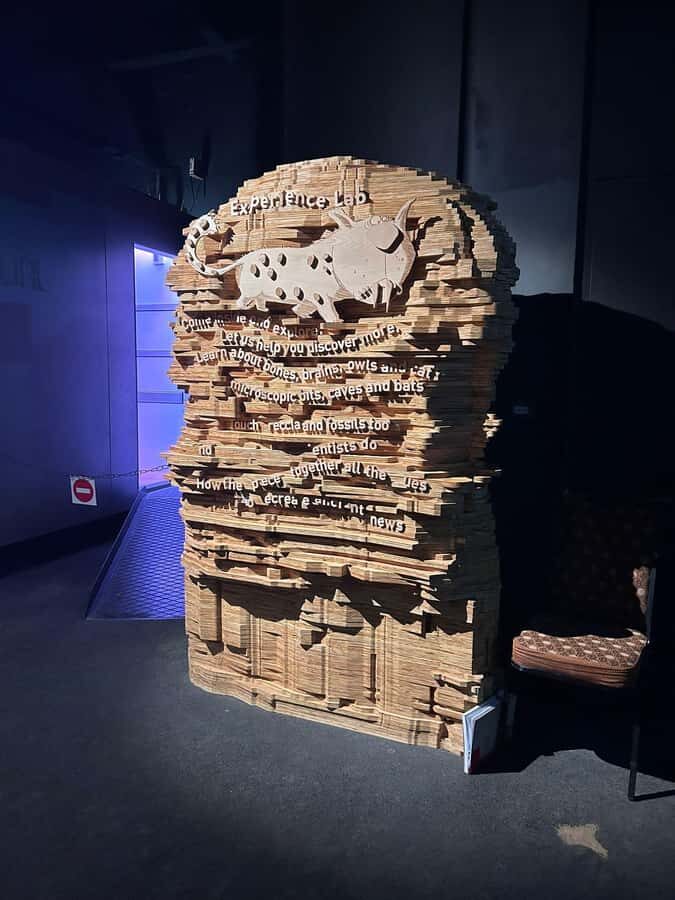
This is a classic Gauteng one-day outing for people who want more than zoo-and-malls Johannesburg tourism. You’ll leave from your hotel or guesthouse reception and then transfer out toward the UNESCO-area world of early human origins. The drive is about 65 minutes one way, which means you start learning fast: you’re not just “heading to a museum,” you’re going to a place that explains why this region became a global reference point for understanding the distant past.
What I like about this pacing is that it gives you enough time to get oriented before the visit begins. You’ll arrive with energy, not exhaustion, and you can treat the first stop as a set-up for the deeper walk and exhibits. Just keep expectations honest: you’re doing two major experiences in one day, so you’ll want to move at a calm pace and wear shoes you can rely on for walking.
You can also read our reviews of more tours and experiences in Johannesburg.

Swartkrans and early tech: fossils, burnt bones, and stone tools
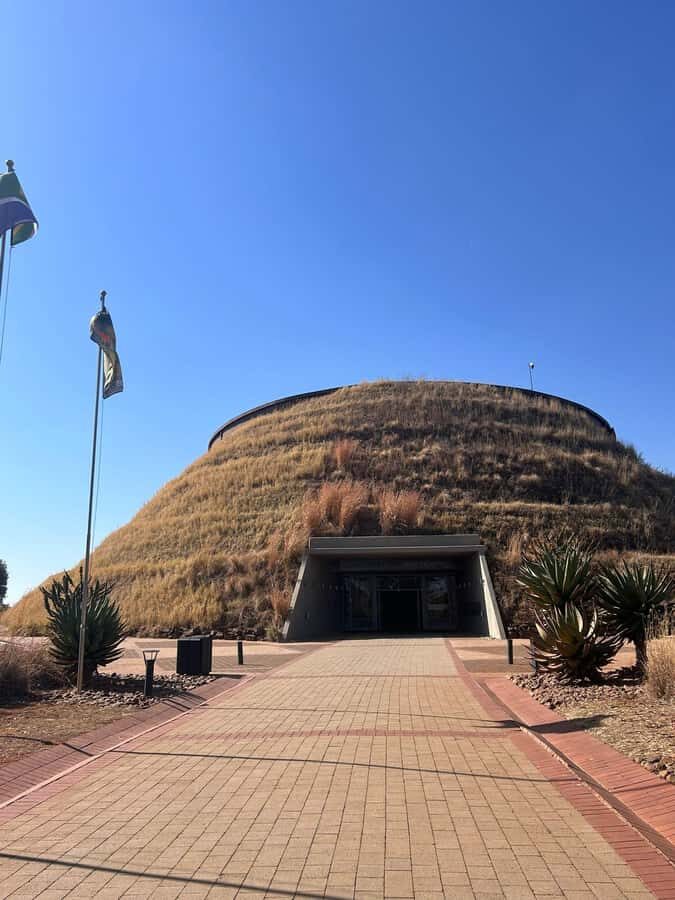
At the Cradle of Humankind, the tone shifts from modern life to deep time. The story centers on how early humans and their relatives likely learned, experimented, and improved survival skills. The information you’ll encounter is anchored in specific, concrete finds: fossils around 2 million years old, stone tools from roughly 2 million years ago, and evidence connected to mastering fire more than 1 million years ago.
One particularly striking detail tied to Swartkrans is the mention of a collection of 270 burnt bones. If you like science that has texture—dates, material evidence, and concrete claims—this is the sort of reference point that makes the story feel grounded rather than vague.
You’ll get a guided tour plus time to walk and absorb things at your own speed. There’s also a photo stop built in, so you can grab those before-your-brain overload shots. The big practical tip here is to pace yourself during the guided portion. If you try to take everything in at once, the details blur. Instead, pick one theme and cling to it—like early tools—or one “wow moment,” like the burnt-bone evidence. Your brain holds onto what it can organize.
If you’re the kind of person who hates sitting still, you’ll probably enjoy this stop. Between the guided visit, the walk, and self-guided time (about 1 hour), there’s room to stand, read, and move without feeling trapped.
The transfer break: why the 35-minute gap matters
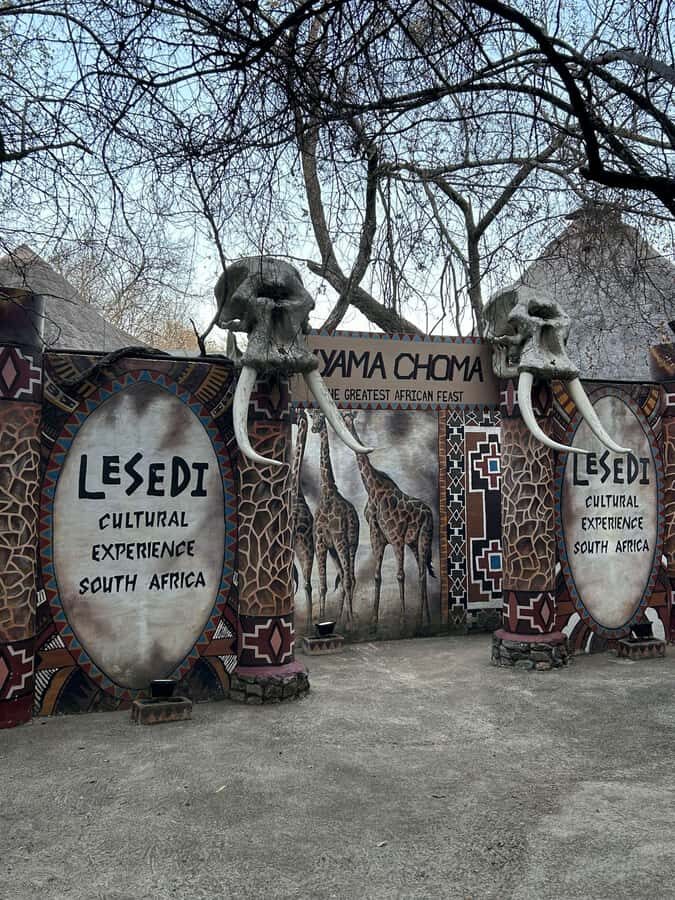
After the Cradle visit, you’ll have a transfer of about 35 minutes to Lesedi Cultural Village. This is short enough that you don’t lose momentum, but long enough to reset.
Use this gap strategically:
- Take water breaks while you can, because the second part has walking and a long dance program.
- Adjust your shoes and clothing. The second venue leans more toward open-air time.
The practical value of the transfer is that it helps you keep the day from turning into one nonstop blur. You’ll still be busy, but you’ll feel like the itinerary has chapters, not chaos.
Lesedi Cultural Village: tribal homes, dancing, and Nyama Choma
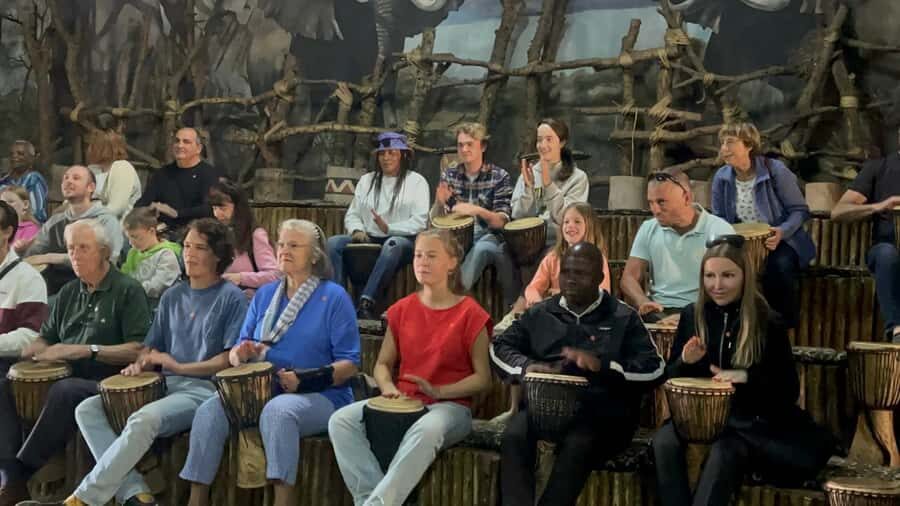
Lesedi is where the day turns social. The vibe is built around Southern Africa’s tribal heritage and the experience of hospitality, not just passive viewing. Instead of deep time fossils, you’re learning through movement, daily-life-style spaces, and a big dance moment.
A key part of what you should expect is traditional dancing, including a performance that runs about 2 hours. Even if you’re not a dance fanatic, this is the best way to understand how culture can be communicated without relying on long explanations. The rhythm and group energy do some of the teaching for you.
Food also matters here. The plan includes a Nyama Choma restaurant stop and meal-style timing (with dessert and food breaks listed in the flow). That matters for two reasons:
- It keeps the experience from becoming purely observational.
- It gives you a chance to try a South African staple while you’re still in the setting.
One thing to watch: the materials you provided say lunch and dinner are not included, but the itinerary flow lists lunch/dinner and dessert. So don’t assume. If eating matters to your budget, confirm what your specific departure includes before you arrive. I’d rather you verify once than be surprised later.
The cultures you’ll meet: Ndebele, Zulu, Basotho, Xhosa, and Pedi
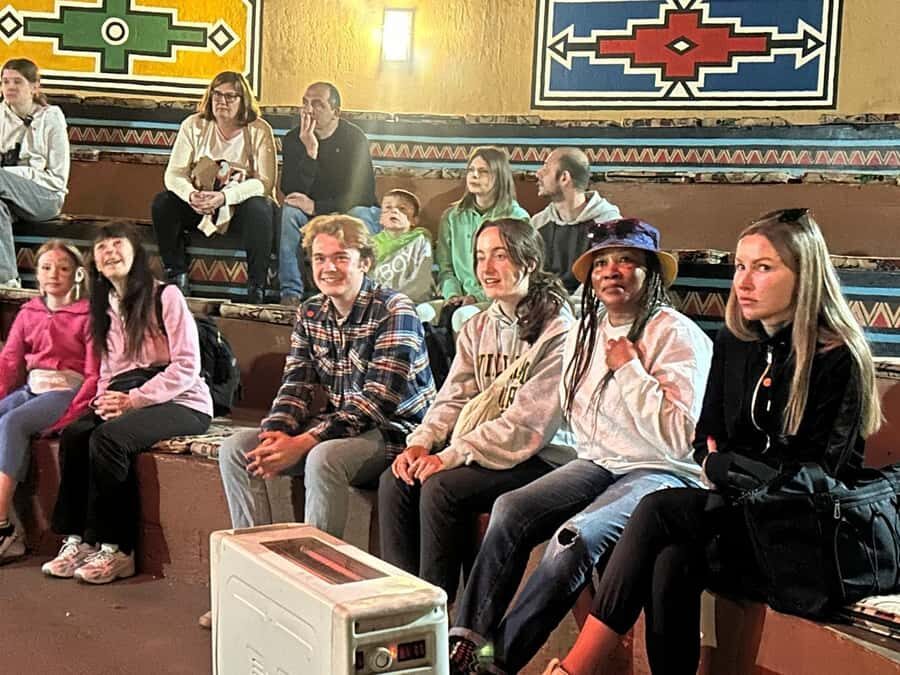
Lesedi’s pitch is straightforward: you discover African tribal traditions tied to the Ndebele, Zulu, Basotho, Xhosa, and Pedi. In real terms, that means you’ll be moving between spaces and explanations that connect those groups to the wider story of southern Africa.
Here’s how to get the most out of it. Don’t just treat it like a checklist of names. Instead, look for:
- How the village organizes different communities into distinct areas
- How the guided portion frames the traditions
- The role of dance as a language of community and celebration
Because the itinerary includes a guided tour plus walking time and photo opportunities, you’ll likely have short bursts where you can ask questions or observe details. Take advantage of those moments. If something doesn’t click on the first explanation, you’ll often get clarity later during the dance program or while you’re walking through the spaces.
Also, since you’re doing this right after the Cradle of Humankind, you’ll want to mentally switch gears. One venue is about evidence and time scales; the other is about lived identity and performance.
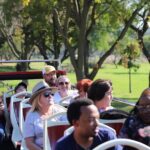
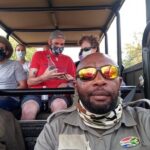

Timing, walking, and how to handle a tight day
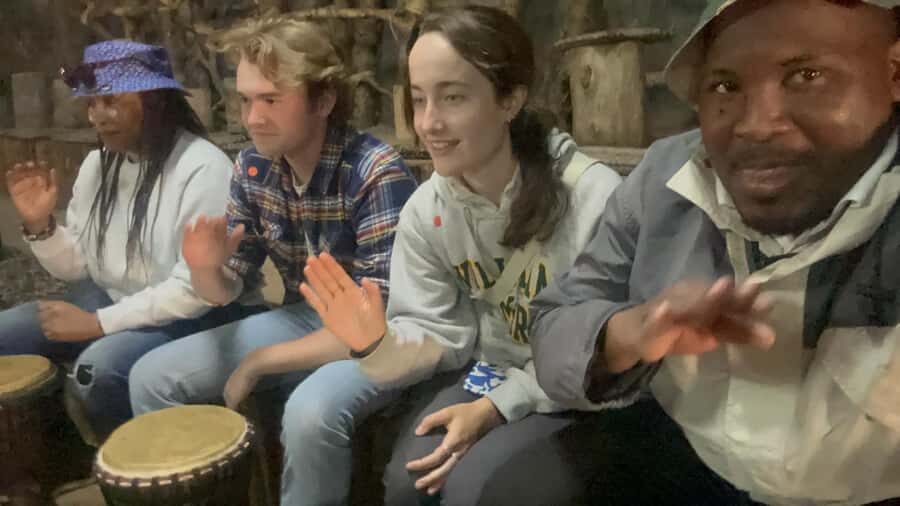
This outing runs about 6 to 6.5 hours total. That means you don’t have the luxury of wandering slowly through everything. You’ll be on a schedule: a guided Cradle tour with self-guided time, then another guided structure at Lesedi, a dance show, and several short stops for photos and breaks.
Bring comfortable shoes. That sounds basic, but it’s your main controllable factor for comfort. The plan includes walking at both sites. And there’s a specific note that the experience is not suitable for people with back problems, plus another note about wheelchair accessibility. That contradiction is exactly why your best move is to confirm your situation with the provider before booking. If you have any mobility constraints, ask how much walking the day typically involves and whether there are alternatives at each venue.
Group size isn’t stated in your info, so I can’t promise how crowded it will feel. Still, when you book a one-day combo like this, expect some waiting and some queue behavior—though the materials do mention skip-the-line access via a separate entrance.
Price value check: what $218 gets you (and what it doesn’t)
At $218 per person for about 6 to 6.5 hours, you’re paying for transport, entry into the two major stops, and a guided experience supported by bottled water. The included items are listed as entry tickets, transport to and from your hotel or guesthouse, and bottled water.
That package can be good value if you’d otherwise be paying for:
- separate transport out of Johannesburg
- individual tickets
- a guide to tie the story together
But two budget realities matter:
- Lunch/dinner are listed as not included in the provided details, even though the itinerary mentions meal-style timing at Lesedi. Confirm what’s included with your exact booking.
- Accommodations are also listed as not included, which makes sense for a 6-6.5 hour day trip.
One more small value point: the skip-the-line feature helps you start sooner and lose less time on arrival. With a day this tightly scheduled, small time savings add up.
Language and guide quality: what to verify before you go
The tour information says live guides are available in French, English, Portuguese, German, and Afrikaans. In theory, that’s great.
In practice, the biggest risk is that the language you expect isn’t the language you get. I’ve seen situations where a guide named Louis was involved but didn’t speak Portuguese, despite a request connected to Portuguese. That’s not something you should gamble on if your enjoyment depends on understanding the explanations.
What you should do:
- Confirm the guide language in writing before departure
- If your language is Portuguese, French, German, or Afrikaans, ask how it will be handled if that language isn’t available
- If you’re flexible, English is usually the safest hedge given how often it’s used in guiding
If you can follow English well, you’ll likely get solid value even with a different guide language. But if you want detailed interpretation in a specific language, verify it.
Should you book the Cradle of Humankind + Lesedi combo?
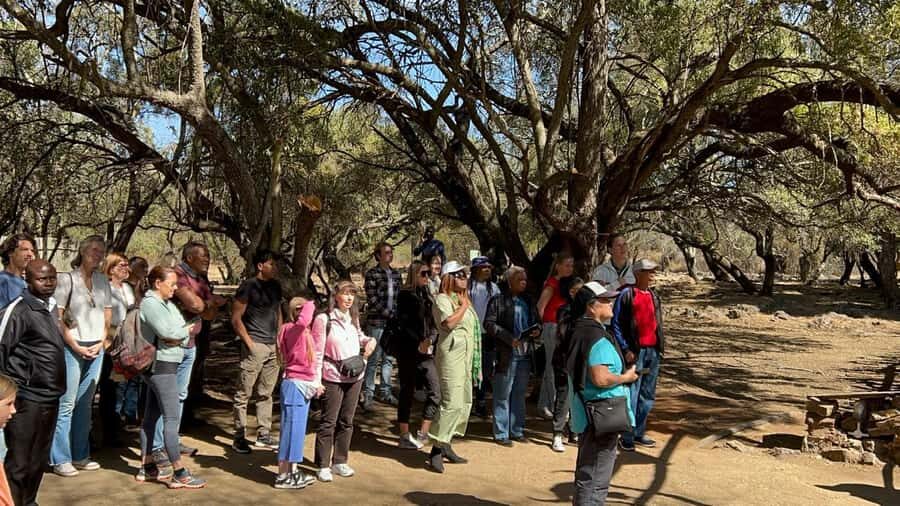
I think you should book if you want one Johannesburg day that covers both sides of South Africa’s identity: the deep-rooted science story of human origins and the living traditions of southern African cultures. It’s a strong pick for people who like clear structure—guided tours, set shows, and time to walk—rather than a free-for-all.
You might skip it if you:
- need a lot of sitting time (this day includes walking and a long dance program)
- have significant back issues or mobility limitations and don’t want to risk the mismatch between accessibility notes
- care deeply about getting the exact guide language promised and don’t want to verify it
If you do book, do two simple things: wear good shoes, and confirm meal inclusion and guide language in advance. Get those right, and this can be one of the most memorable day trips you’ll do in Gauteng—because you’ll leave with both wonder and understanding.
FAQ
How long is the Cradle of Humankind and Lesedi Cultural Village tour?
The duration is about 6 to 6.5 hours.
Where does the tour start?
The tour starts in Johannesburg, with pickup from your hotel or guesthouse reception.
What is included in the price?
Entry tickets, transport to and from your hotel or guesthouse, and bottled water are included.
Are lunch and dinner included?
Lunch and dinner are listed as not included, even though the itinerary mentions meal breaks and food timing at Lesedi. Confirm your exact departure details.
What languages are available for the live tour guide?
Live tour guides are listed in French, English, Portuguese, German, and Afrikaans.
What should I bring for the day?
Bring comfortable shoes, since there is walking at both venues.