REVIEW · MPUMALANGA
Half Day Kruger Open Vehicle Safari from Marloth Park
Book on Viator →Operated by Balanta Imagine Safaris · Bookable on Viator
This morning safari is built around one simple idea: more daylight at prime viewing times in Kruger. I like that it’s open-vehicle and guided, so you’re not stuck looking at wildlife through glass, and I like that the group is kept small (max 8), which makes it easier for the guide to manage where everyone sits. The main thing to think about is the extra Kruger conservation fees, which aren’t included in the price.
You start early, with pickup around 05h30, and you’ll get a planned meal break at a picnic site or rest camp. The tour asks you to have breakfast prepacked, which is a small detail, but it really helps keep the drive schedule smooth.
You’ll be in the park on a guided route designed to get you to waterholes and along different trails, then you’ll head back to your accommodation. If you want wildlife time without a full-day commitment, this format can be a smart fit.
In This Review
- Key highlights to notice before you go
- Why a 05h30 start matters for Big Five sightings
- Getting picked up in Marloth Park or Malelane (and how the timing affects your day)
- Open-vehicle safari comfort: how to enjoy close wildlife without fighting the day
- Kruger National Park: waterholes and trails that structure your sightings
- The breakfast stop: how to keep the morning smooth
- Price and real value: what you pay at booking vs what you’ll pay at the gate
- Guide quality that shows up in the details
- What to bring (so the open-vehicle morning doesn’t feel like a chore)
- How long is this really? Managing expectations for a “half-day” safari
- Who this safari fits best (and who might want something else)
- Should you book this Kruger open-vehicle safari from Marloth Park?
- FAQ
- What time does the safari start?
- How long is the safari?
- Where are pickups available?
- Is admission to Kruger included?
- What conservation fees do I need to pay?
- Is breakfast included in the price?
- What should I do about breakfast before the tour?
- How big is the group?
- What’s included in the price?
- What happens if weather is bad?
Key highlights to notice before you go
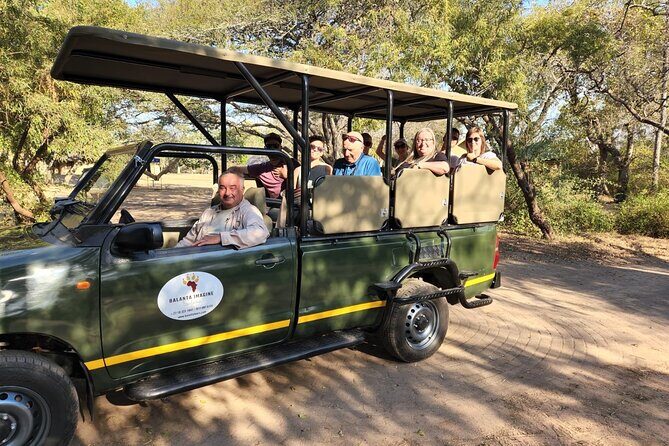
- Small group size (max 8): easier sight lines and less crowd pressure.
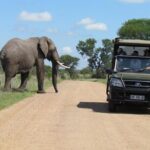
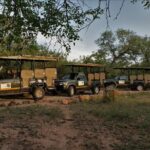
- Open safari vehicle: you’ll feel closer to animals while staying on a guided route.
- Early pickup at 05h30: you gain time for morning activity when wildlife is most active.
- Waterhole-focused plan: the guide uses waterholes to improve your odds.
- Breakfast stop at a picnic site or rest camp: built-in stretch and fuel for the drive home.
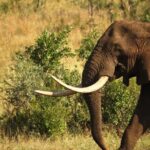
- Big Five target: the tour is specifically aimed at Africa’s best-known species.
Why a 05h30 start matters for Big Five sightings
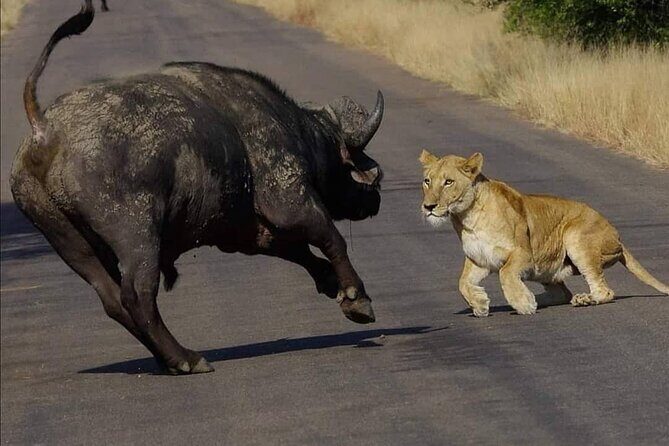
Starting at 05h30 sounds early until you realize it’s the point. In Kruger, early hours usually mean cooler temperatures and animals that are more likely to be moving and feeding. This tour is designed to use that window instead of wasting time with late-morning departures.
You’re also dealing with a practical reality: you’re traveling from Marloth Park or Malelane, and you’ll want daylight on your side before you’re even deep into the hunting-and-viewing routine. The payoff is that you’ll spend your morning actually in the park, not just getting there.
Another quiet benefit of the early rhythm is your day stays yours. This isn’t a “sleepy start and hope for luck” plan. It’s a controlled schedule: guided driving, waterholes, a break, then back to your accommodation.
A few more Mpumalanga tours and experiences worth a look
Getting picked up in Marloth Park or Malelane (and how the timing affects your day)
Pickup is offered in Marloth Park or Malelane starting at 05h30 from your accommodation. The guide then drops you back at your hotel or other accommodation at the end of the tour, so you don’t need to arrange a separate return plan.
This matters because open-vehicle safaris are time-sensitive. If you’re scrambling for rides or trying to sync with a bus schedule, you lose viewing time. With pickup handled for you, you can focus on the job of safari mode: being ready, being alert, and having your camera and binoculars where you can grab them quickly.
There’s also a helpful note for people staying a bit farther out. The safari can be run with pickup from Hazyview by an experienced guide, and pickup from Nelspruit can be arranged for an additional cost. If you’re choosing lodging, consider where you’ll actually be at dawn. That one decision can make the difference between relaxed and stressed.
Open-vehicle safari comfort: how to enjoy close wildlife without fighting the day
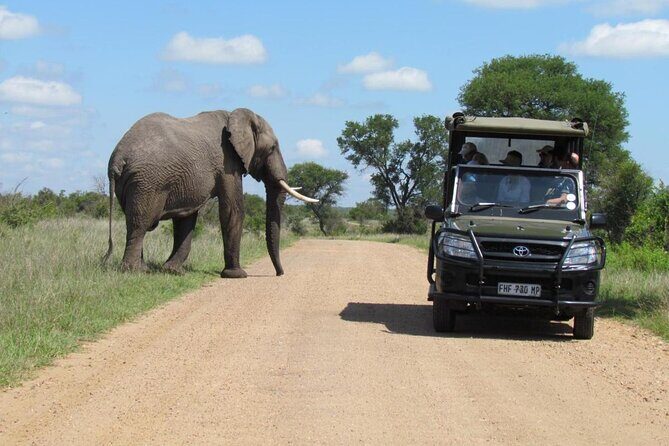
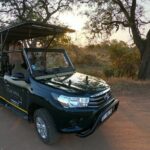
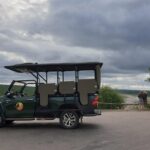
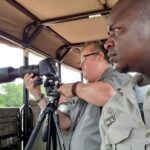
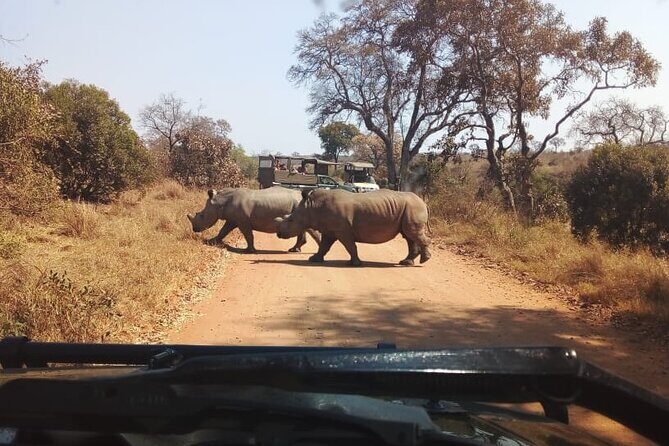
This is a guided open vehicle safari, and that changes the experience. You’ll generally get more natural views than you would from a closed vehicle, especially when animals are close to the track. The trade-off is that open-air means you’ll feel the weather—so plan for a cooler morning start.
The other comfort factor is control. You’re not wandering on your own. Your professional guide steers the driving and keeps the group moving along a route aimed at sightings. With a maximum of 8 travelers, you’re less likely to be stuck behind someone taller or blocked by last-minute shuffling.
From the feedback you can anchor your expectations around two guide traits. Aubrey is described as courteous and very aware of other road users, plus quick to spot animals with a sharp eye. Abraham is highlighted as an awesome guide and a reason a trip was excellent. That’s the kind of competence you want early in the morning—because it’s dark-ish, track positions matter, and timing slips fast.
Kruger National Park: waterholes and trails that structure your sightings
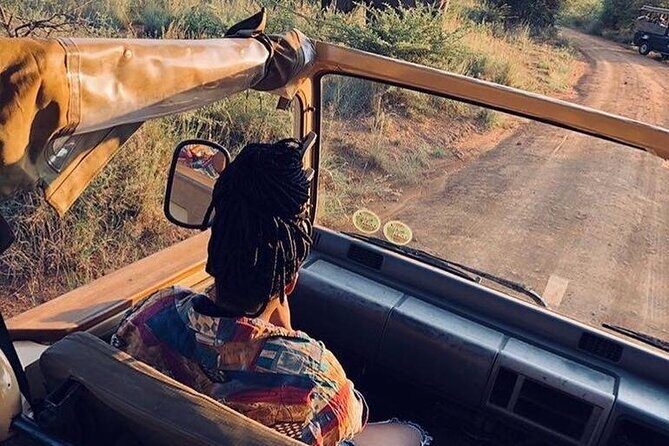
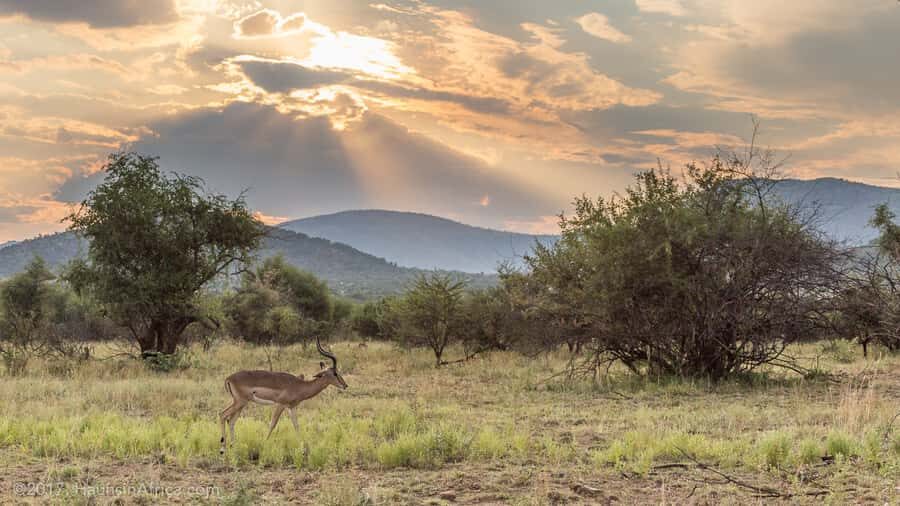
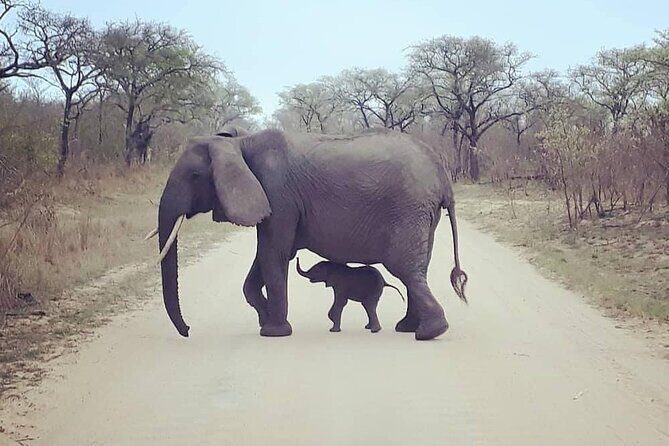
Inside Kruger National Park, the guide’s job is basically to buy you the best odds with the time you have. For this half-day safari, that usually means two things:
1) Waterholes where animals come to drink
2) Different trails to reposition when the action shifts
Your tour also includes admission ticket coverage (it’s marked as admission ticket free). That said, there’s an important cost line you shouldn’t ignore: Kruger Conservation fees are not included. For planning, those fees are R122 for South Africans and R484 for internationals.
Why does this route style matter? Because wildlife sightings aren’t evenly spread across the day. If the guide spends time in the wrong spots, you can lose hours of potential. A waterhole-focused strategy is valuable because it creates predictable opportunities, even though animals still decide what they feel like doing.
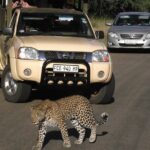
A note on realism: a guided Big Five experience is about increasing odds, not guaranteeing specific animals on a specific timeline. Still, the structure here—early start, waterholes, and guided repositioning—puts you in the category of safaris that feel like a plan, not a gamble.
The breakfast stop: how to keep the morning smooth
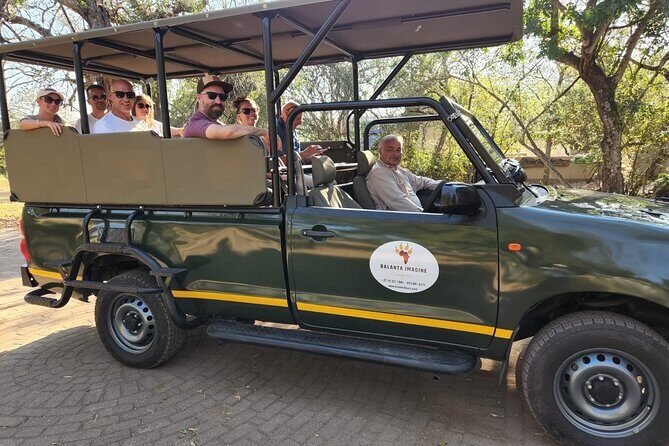
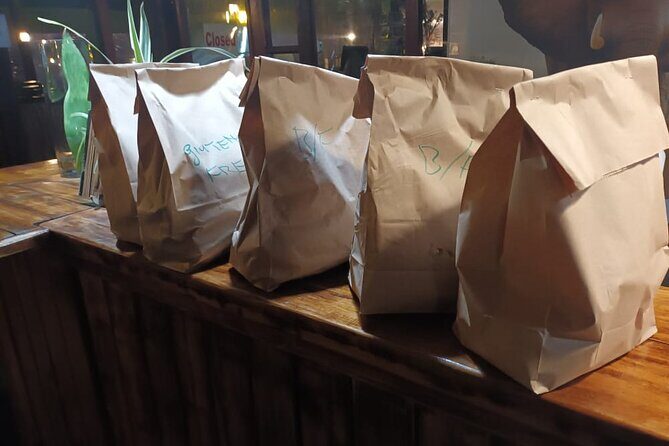
This safari builds in a meal break at a picnic site or rest camp where you can enjoy breakfast and stretch your legs. The key instruction is simple: ask for your breakfast to be prepacked.
That isn’t just a convenience. Early morning safaris often move fast, and prepacked breakfast means you’re not trying to assemble food while also getting ready to roll out. It keeps the day on schedule and prevents you from missing the next viewing window.
Also, breakfast is listed as not included, so you’ll want to arrange it yourself before pickup. If you’re staying in Marloth Park or Malelane and breakfast options are limited at dawn, prepack the night before. Then you’ll show up ready instead of hungry and flustered.
Price and real value: what you pay at booking vs what you’ll pay at the gate
At $79.82 per person, this safari sits in a price range that can be excellent value if you care more about time in the park than fancy extras. You’re paying for guided driving plus the logistics that keep you from figuring everything out at dawn.
What’s included:
- Fuel surcharge
- Professional guide
- Admission ticket free (as listed)
What’s not included:
- Breakfast
- Kruger Conservation fees: R122 (South Africans) or R484 (internationals)
So the real “all-in” cost is about more than the headline number. If you’re international, that R484 conservation fee is a meaningful extra, and you should plan for it upfront. If you’re local, it’s still a cost, just less painful.
Still, even with the fee, you may find the value holds because you’re getting:
- a tight morning window managed for you,
- a guide who’s focused on road safety and spotting wildlife,
- and a small-group setup that keeps the experience from feeling crowded.
If you compare this to longer tours that run the whole day, you’re also buying back your afternoon. That matters if you want to do other activities after safari.
Guide quality that shows up in the details
The most “make or break” part of an early safari is the guide. In this case, you’ll be traveling with an experienced, accredited guide (pickup is handled through a safari operator, Balanta Imagine Safaris, per the details you have).
The feedback names are useful here:
- Aubrey is described as a courteous driver who watches other road users carefully, with a sharp eye for spotting animals.
- Abraham is credited as a top guide and a key reason the experience worked so well.
Even if you don’t know either person personally, those descriptions point to what you want in the real world: safe driving, good communication, and the ability to spot wildlife without turning every sighting into a chaotic stop-and-go.
For your own planning, think of the guide as your multiplier. The same animal might be visible to you for two minutes, or it might be easy to miss. A skilled guide often turns “maybe” into “there it is.”
What to bring (so the open-vehicle morning doesn’t feel like a chore)
Because the tour is open-vehicle and starts early, I suggest you pack for comfort first, then convenience.
Bring:
- A layer for the early morning chill (you’ll feel it more on an open vehicle).
- Sunglasses and sunscreen for the return drive as it warms up.
- A breakfast you can eat quickly (since breakfast isn’t included, and the tour encourages prepacked food).
- Binoculars if you use them. If you don’t have your own, you might find it helpful to have even basic gear ready.
For camera strategy, keep it simple: have settings you trust before you leave. Sunrise-to-morning wildlife can mean quick moments, and you don’t want to spend your best sightings fighting menus.
Also, listen to the guide about where to position yourself in the vehicle and when to be quiet. With a small group, you can get better viewing if you don’t constantly shift or lean over other people.
How long is this really? Managing expectations for a “half-day” safari
Even though it’s called a half day safari, the listed duration is about 6 hours. That’s totally workable because it’s front-loaded: you start at 05h30 and you’ll be back to your accommodation after the morning plan plus the meal stop.
The upside of this duration is that it’s long enough to matter. You’re not just driving to a single spot and back. You’re in the park, using waterholes and trails, and you get a guided rhythm that supports sightings.
The drawback is you’ll want to be mentally ready for an early start. If you’re a late sleeper, plan your night accordingly. Nothing kills safari mood faster than being awake on short sleep and trying to look alert at first light.
Who this safari fits best (and who might want something else)
This tour is a strong match if you:
- want a Big Five-focused morning experience without committing to an all-day outing,
- prefer an open vehicle with a small group,
- appreciate guided driving that targets waterholes and helps maximize your odds.
It’s also a good fit if you’re staying around Marloth Park or Malelane and don’t want the hassle of figuring out park access and timing yourself.
You might consider a different option if:
- early mornings are a deal-breaker for your health or comfort,
- you’re traveling with needs that make long sitting and early departures tough,
- or you’re expecting everything to be totally all-inclusive. Breakfast and conservation fees are separate, so you’ll want to budget and plan.
Should you book this Kruger open-vehicle safari from Marloth Park?
I’d book it if you want a guided, small-group safari that prioritizes time where wildlife is likely to be active. The price is reasonable for a guided open-vehicle morning, and the conservation fee is predictable enough to plan around. Add the named guide strengths—Aubrey’s careful driving and quick spotting, Abraham’s strong guiding style—and you have good signals that the experience depends on competence, not luck.
Decide with two quick checks:
- Can you handle a 05h30 pickup without turning it into a stressful morning?
- Are you okay planning for breakfast not included plus the Kruger conservation fees?
If you answered yes to both, this is the kind of safari that feels efficient, focused, and worth your morning.
FAQ
What time does the safari start?
Pickup starts at 05:30.
How long is the safari?
The tour duration is listed as 6 hours (approx.).
Where are pickups available?
Pickup is offered from Marloth Park or Malelane. Pickup from Hazyview is also mentioned, and pickup from Nelspruit can be arranged for an additional cost.
Is admission to Kruger included?
Admission is listed as free, but Kruger Conservation fees are not included.
What conservation fees do I need to pay?
Kruger Conservation fees are listed as R122 for South Africans and R484 for internationals.
Is breakfast included in the price?
No. Breakfast is not included, and the tour makes a morning stop where you can enjoy your meal.
What should I do about breakfast before the tour?
The tour requests that you ask for your breakfast to be prepacked.
How big is the group?
The safari has a maximum of 8 travelers.
What’s included in the price?
The included items are fuel surcharge and a professional guide.
What happens if weather is bad?
The experience requires good weather. If it’s canceled due to poor weather, you’ll be offered a different date or a full refund.