REVIEW · MPUMALANGA
Kruger National Park Afternoon Sunset Safari Tour
Book on Viator →Operated by Safaria · Bookable on Viator
Kruger in golden light is a smart move. This afternoon Sunset Safari gets you into the park before the heat peaks, then keeps the pace easy while you search for big cats and other game on an open safari vehicle. I really like that you’re not just chasing animals; you’re also getting a proper sunset experience. Another win: you get practical comforts like blankets/ponchos, plus water and snacks to keep everyone going.
One thing to consider: you’ll be riding in an open vehicle, so it’s not a sit-still, climate-controlled experience. If thunderstorms roll through, you’ll want to use the provided rain gear and dress for shifting conditions.
In This Review
- Key highlights at a glance
- Why Kruger Sunset Safaris feel different (and often work better)
- Starting at 12:30 pm: the timing that balances heat and game
- Where you enter matters: Paul Kruger, Phabeni, Numbi, or Malelane Gate
- The open safari vehicle experience (comfort isn’t forgotten)
- What the guide does: tracking, commentary, and smarter searching
- The southern Kruger route: Skukuza and Pretoriouskop areas
- Your comfort break: using the pause the smart way
- Weather reality: thunder showers, cool evenings, and what to pack
- Summer months (September to April)
- Winter months (May to August)
- What’s included (and why those small things matter on safari)
- Price and value: how $138.10 fits with the Kruger entrance fee
- Who this sunset safari suits best (and who should rethink it)
- Quick practical tips to get the most from your sunset drive
- Should you book the Kruger National Park Afternoon Sunset Safari?
- FAQ
- How long is the Kruger National Park afternoon sunset safari?
- What time does the tour start?
- Is pickup offered?
- Is this tour private?
- What is included in the price?
- Are Kruger National Park entrance fees included?
- What weather gear should I bring?
- Is the safari suitable for children?
Key highlights at a glance
- Sunset timing, not midday sweating: depart from the meeting point at 12:30 pm and enter the park around 1:00 pm.
- Open safari vehicle + professional bush guide: wildlife spotting with commentary and track reading.
- Weather-ready comfort: blankets and rain ponchos on the vehicle help you stay outside longer.
- Small-group feel: minimum of 2 guests, and it’s a private tour/activity for your group.
- Binoculars and a sightings journal: included to help you look closer and remember what you saw.
Why Kruger Sunset Safaris feel different (and often work better)
There’s a reason sunset safaris are popular: animals often slow their pace and start moving more actively when the light changes. This tour is built around that reality. You’re not starting at sunrise, and you’re not trapped in the full force of early afternoon heat either. Instead, you get in during early afternoon, then spend the best part of the day scanning for wildlife as the day cools and the sky turns dramatic.
I also like how the tour frames the experience. It’s not “drive around and hope.” Your professional bush guide focuses on reading signs—tracks and signs in the bush—to guide where you’ll spend time. That makes your sightings feel more connected to what’s happening in the ecosystem rather than random luck.
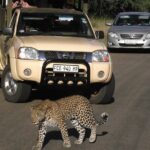
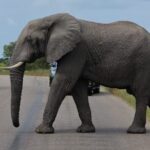
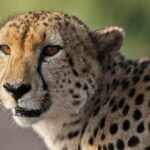
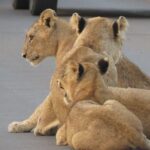
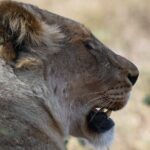
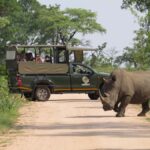
That said, nature still runs the schedule. Leopards, elephants, lions, and more are possible, but you should treat wildlife sightings as a “best chance” situation, not a guaranteed menu. The tour is still worth it even if you only get a few great moments—Kruger at sunset has a mood you can’t fake.
You can also read our reviews of more evening experiences in Mpumalanga
Starting at 12:30 pm: the timing that balances heat and game
The meet time is 12:30 pm, with departure from there set for 1:00 pm, and entry into Kruger planned for around 1:00 pm. The total safari runs about 5 to 6 hours. That timing matters for two reasons:
First, you’re avoiding the worst of the midday sun. Midday temperatures in Kruger can reach upward of 40 degrees during summer months (September to April), and afternoons can bring thunder showers. Starting later than the morning helps you step into that window with more energy and less sweat.
Second, you’re positioning yourself to catch animals at shifting light. In many safari moments, the “action” phase comes as the day cools and visibility changes. You get enough time in the park to take that seriously, without feeling like you’re spending your whole day trapped in the car.
If you’re the kind of traveler who wants a safari experience that still leaves you with energy for the evening, this is a strong format. You’ll be done the same afternoon/evening window, back at the meeting point.
Where you enter matters: Paul Kruger, Phabeni, Numbi, or Malelane Gate
This tour gives you a useful choice: you can access from Paul Kruger, Phabeni, or Numbi gate, or from Malelane Gate. That’s not just a logistics detail. It can shape your route and how the day feels, especially if you’re staying closer to one side of Kruger than the other.
In practice, I’d pick the gate that minimizes your own driving time and keeps you from arriving stressed. If you’re already tired from travel, the best safari is the one you start relaxed. If you’re planning around sightseeing elsewhere in South Africa, your gateway choice can also help you avoid wasting time on backtracking.
Once you’re through the gate, the guide will introduce the day’s bush activity and help you understand what you’re looking at—especially if it’s your first Kruger safari.
The open safari vehicle experience (comfort isn’t forgotten)
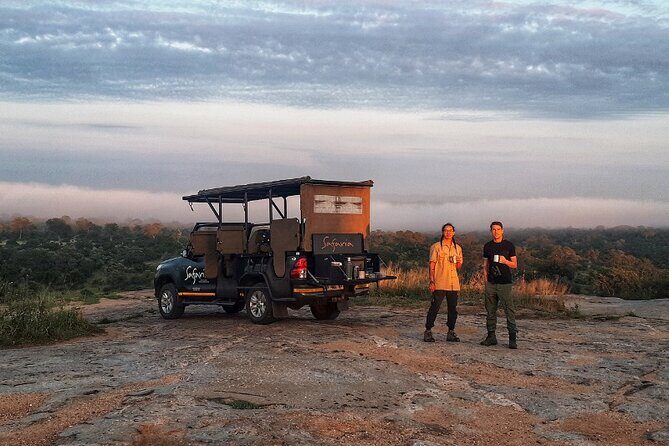
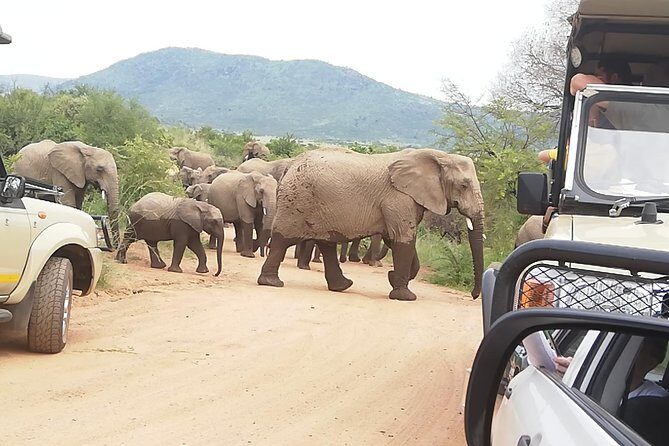
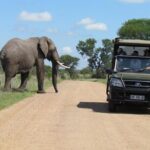
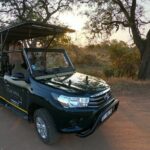
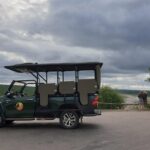
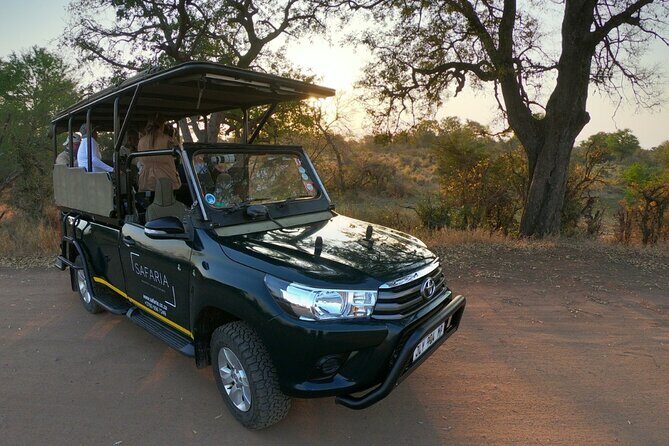
You’ll travel around the park in an open safari vehicle with a professional bush guide. Open vehicles are part of the magic: better views, more natural sounds, and that direct feeling of being in the landscape. But open also means you feel the weather. That’s why the tour includes blankets and rain ponchos on the vehicle.
I appreciate that the comfort planning is realistic. Kruger afternoons can shift quickly, and you might go from sunny to stormy without much warning. With blankets and ponchos available, you’re not forced to rush inside and lose the moment.
You also get bottled water during the safari. That sounds basic, but in hot conditions it’s one less thing to think about. The tour also includes a complimentary binocular, which is especially helpful if you didn’t bring your own or you’re sharing viewing time with someone who wants a better look.
What the guide does: tracking, commentary, and smarter searching
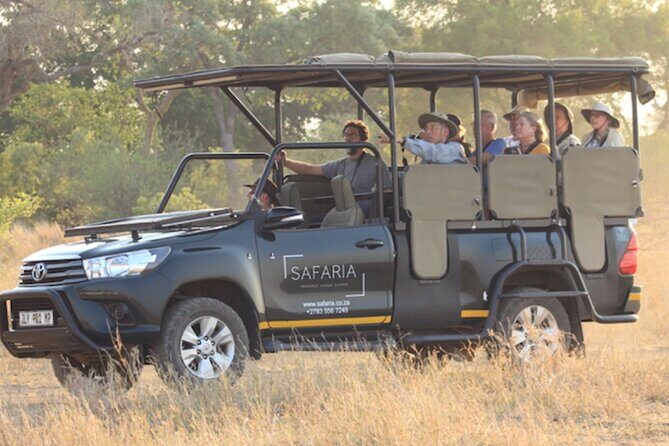
A sunset safari can be romantic, but it works best when you’re also learning how to “read” the bush. Your guide’s job here is to do exactly that. Before you even settle into long stretches of scanning, the guide introduces the park’s splendour and reads tracks and signs to build your game plan.
This is where I think the tour earns its keep. A good guide doesn’t just narrate animals you already see. They help you understand likely behavior—where animals might be moving, what signs suggest, and why the landscape matters. Even if you don’t catch every species on your wish list, you’ll still come away with a better sense of how Kruger functions.
Plus, your guide points things out from the vehicle. That helps you keep your attention without needing to constantly look down at your map or guess where to aim your camera.
A few more Mpumalanga tours and experiences worth a look
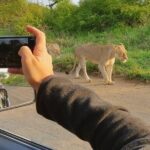
The southern Kruger route: Skukuza and Pretoriouskop areas
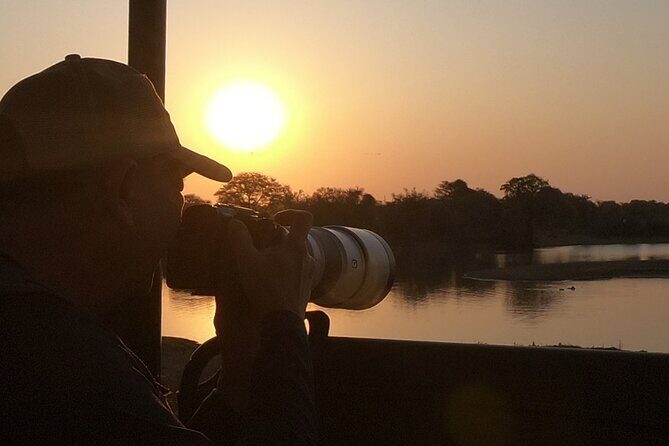
For a day that’s only a few hours long, the safari doesn’t try to cover the entire park. Instead, it focuses on the southern section, with time around Skukuza and Pretoriuskop. That choice makes sense. It’s hard to do “everything” on a single afternoon ride, and less driving usually means more time actually searching.
Here’s what you can expect from that setup:
- You’ll spend meaningful time in and around well-traveled areas rather than racing between distant zones.
- You’ll get a comfortable rhythm: scan, listen, stop, look again, and then move when the guide thinks it’s worthwhile.
- You’ll likely get a mix of open sightlines and bush edges, which can matter for spotting animals at different distances.
The tour also includes a comfort stop at one of the camps in the area. That’s not just a bathroom break. It’s a reset point so you can drink water, stretch, and recharge your eyes before the light shifts further into sunset.
Your comfort break: using the pause the smart way
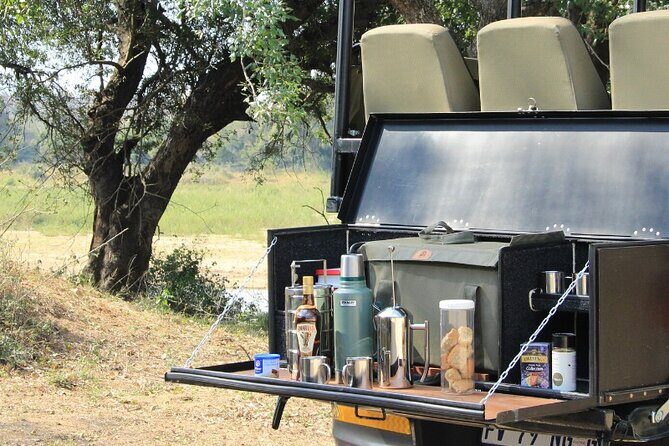
You’ll stop at a camp around the middle of the tour for a refresher/comfort break, then continue on to wrap up the drive back toward your meeting point. Even though this is short, it can make the difference between enjoying the safari and feeling tired by hour three.
Use the pause for the boring but important tasks:
- Hydrate before the last round of scanning.
- Check your camera battery and clean your lenses if needed.
- Re-check what you’re wearing (sun on the horizon can still burn, and cooler wind can surprise you).
If you’re traveling with kids, a break also helps keep attention from dropping. The tour is designed to be family-friendly, with children welcome and guided game viewing rather than a long, monotonous drive.
Weather reality: thunder showers, cool evenings, and what to pack
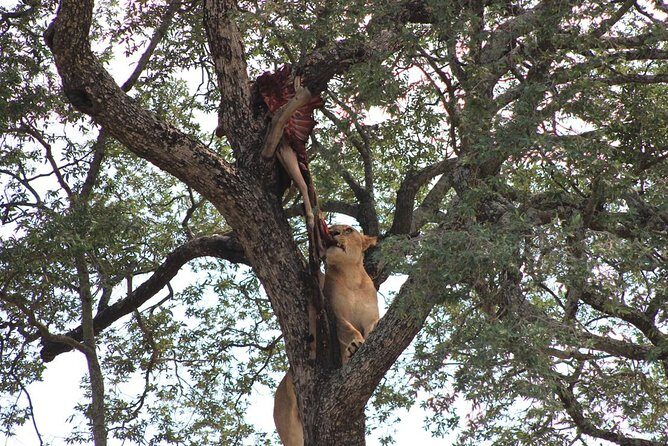
This safari explicitly plans for weather changes. Blankets and rain ponchos are provided, but what you wear still makes a big difference.
Summer months (September to April)
- Expect midday temperatures up to around 40°C.
- Afternoons can bring thunder showers.
- Wear cool functional clothing, preferably in dull darker shades to keep a low visual profile.
- Bring sunscreen and a good hat.
Winter months (May to August)
- Expect mostly blue skies and averages around 20–25°C.
- Mornings and late afternoons are cooler.
- Because you’re in an open vehicle, you’ll feel the chill more than on land.
- Long pants, a jacket, and a beanie help a lot (you’ll already be warm from midday, but open-vehicle wind changes that fast).
What to bring no matter the season:
- Camera
- Binoculars (you get a complimentary one, but having your own can help)
- Sunglasses
- Comfortable shoes
And yes, a real bush hat is a difference-maker here. The light at sunset is gorgeous, but it also means glare. Sunglasses plus shade equals better viewing.
What’s included (and why those small things matter on safari)
The included package is built around keeping you comfortable and helping you spot wildlife.
You get:
- A professional bush guide in an open safari vehicle
- Blankets and rain ponchos if weather changes
- Bottled water
- Complimentary binocular
- Personal safari sightings journal
- Snacking plus drinks like coffee and tea (listed as included in the highlights)
- Children 3 years and older are welcome
- Minimum of 2 guests, and your group participates only in this private tour/activity
I especially value the sightings journal. You’ll see a lot of movement and moments in a short block of time, and it’s easy to forget details later. A journal gives you a place to track what you saw, what time it was, and where you were focusing—so the safari sticks with you.
Also, the binocular inclusion is a smart touch. If you’re traveling light or you didn’t plan gear, it removes a common headache.
Price and value: how $138.10 fits with the Kruger entrance fee
The tour price is $138.10 per person, booked on average about 14 days in advance. What makes it decent value isn’t just the cost—it’s what you get for it.
At this price point, you’re paying for:
- Guided wildlife searching with an open-vehicle safari experience
- Weather protection (blankets and ponchos)
- Included viewing support (binocular)
- Basic comfort support (water plus coffee/tea/snacks)
But there’s one key extra cost you should plan for: the Kruger National Park conservation and entrance fee is not included. The KNP International fee is listed as R400 per person.
My practical advice: budget for both. If you only calculate the safari price, you’ll be surprised at the gate. If you add the R400 early in your planning, this afternoon format starts to look like a very fair deal for a guided, sunset-centered safari.
Who this sunset safari suits best (and who should rethink it)
This tour works well if you:
- Want the classic Kruger sunset mood without spending the whole day in the park
- Prefer a guided experience that uses tracking and signs, not just random driving
- Like open-vehicle viewing and don’t mind wind and changing weather
- Want comfort support (water, tea/coffee, snacks, blankets/ponchos)
It may be less ideal if you:
- Strongly dislike open vehicles or cold wind during winter evenings (the tour provides blankets, but you’ll still be outside on top of that)
- Need a rigid schedule with guaranteed animal sightings (Kruger is wild, and wildlife isn’t promised)
For families, it’s a friendly option since children 3+ are welcome and the format is shorter than full-day safaris. For first-timers to Kruger, the southern focus and guide-led searching are also a good introduction.
Quick practical tips to get the most from your sunset drive
Here’s how I’d set yourself up to enjoy every hour:
- Wear darker, dull colors and a hat to reduce glare and stand out less.
- Bring a light layer even in warmer months. Sunset can feel cooler once the sun drops.
- Plan your camera settings early. Don’t wait until the moment the light turns.
- Use the binocular right away, even before you see something. It speeds up your eye for distance.
- If it starts raining, don’t pack up. Use the ponchos and keep looking. The best sightings sometimes happen when the weather changes.
And one more mindset tip: focus on “what’s happening in the landscape,” not only on “big cat or nothing.” Kruger rewards patient watching.
Should you book the Kruger National Park Afternoon Sunset Safari?
If you want a Kruger safari that feels balanced—less heat pressure, a real sunset payoff, guided searching, and comfort measures that actually help—this tour is a strong choice. The included binocular and sightings journal are genuinely useful, and the guide-led track reading makes the experience feel purposeful.
Book it if your schedule allows a 12:30 pm start and you’re comfortable with an open safari vehicle. Skip it (or at least consider a different style) if you need climate-controlled comfort or you don’t want any chance of rain and wind.
Overall, for the price, you’re getting a guided, sunset-focused Kruger outing with enough extras that you’ll stay comfortable and engaged all the way through.
FAQ
How long is the Kruger National Park afternoon sunset safari?
It runs about 5 to 6 hours (listed as 5 to 7 hours approx.).
What time does the tour start?
Start time is 12:30 pm, with departure planned by 1:00 pm and entry into the park around 1:00 pm.
Is pickup offered?
Yes, pickup is offered.
Is this tour private?
Yes. It’s a private tour/activity, and only your group participates. The tour also notes a minimum of 2 guests.
What is included in the price?
Included items are a professional bush guide with an open safari vehicle, blankets and rain ponchos, bottled water, a complimentary binocular, a personal safari sightings journal, and children age 3+ are welcome.
Are Kruger National Park entrance fees included?
No. The KNP International conservation/entrance fee is R400 per person and is not included.
What weather gear should I bring?
The vehicle provides blankets and rain ponchos, but you should bring appropriate clothing: a hat, sunglasses, comfortable shoes, and consider layers for winter. The tour also recommends sunscreen and dull darker colors.
Is the safari suitable for children?
Children 3 years and older are welcome, and they must be accompanied by an adult. The information also notes that children over 6 years are welcome.