REVIEW · PRETORIA
History Bicycle Tour of Soweto
Book on Viator →Operated by Cycle in Soweto · Bookable on Viator
Soweto hits harder on two wheels. This 4-hour ride from the Hector Pieterson Museum mixes big apartheid-era storytelling with real street-level stops like Regina Mundi church and Nelson Mandela’s former home. I also like how the tour keeps it practical, with a small group and a local guide walking you through what you’re seeing. One key drawback to plan for: this is cycling in real heat, plus you’ll face some uphill on basic bikes.
You’ll leave Orlando West on a guided route that pauses at major education and memorial points, then finishes at Coffee and Cream cafe. If you’re hoping for a gentle cruise, or your bike needs to be in perfect condition, pay extra attention before you roll.
In This Review
- Key Highlights At A Glance
- Pedaling Into Soweto: Start at Hector Pieterson Memorial
- The Streets as a Timeline: From 1904 to Everyday Life
- Regina Mundi Church and the Squatter Camp Reality Check
- Orlando West High School: The 1976 Uprising Moment
- Nelson Mandela and Desmond Tutu House Sites: Why These Stops Matter
- Don’t Miss the Hector Pieterson Museum After the Ride
- Bike, Helmet, and Real-World Comfort: Heat and Hill Notes
- Coffee and Cream Finish Line: Ending With a Real Local Stop
- Price and Value: Is $40.91 Worth It?
- Who Should Book This Soweto Bike Tour
- Should You Book History Bicycle Tour of Soweto?
- FAQ
- How long is the History Bicycle Tour of Soweto?
- Where does the tour start?
- Where does the tour end?
- Is hotel pickup included?
- What’s included in the tour price?
- What are the main places you visit?
- Is the tour suitable for most people?
- How big is the group?
- What should I do after the bike tour?
Key Highlights At A Glance
- Small group size (max 10) keeps the ride personal and easier to manage on city streets.
- Start at the Hector Pieterson Memorial and build context before you ride deeper into Soweto.
- Orlando West High School stop focuses on the student uprising tied to 1976 and Hector Pieterson.
- Regina Mundi church and a squatter camp show the complex mix of faith, struggle, and everyday life.
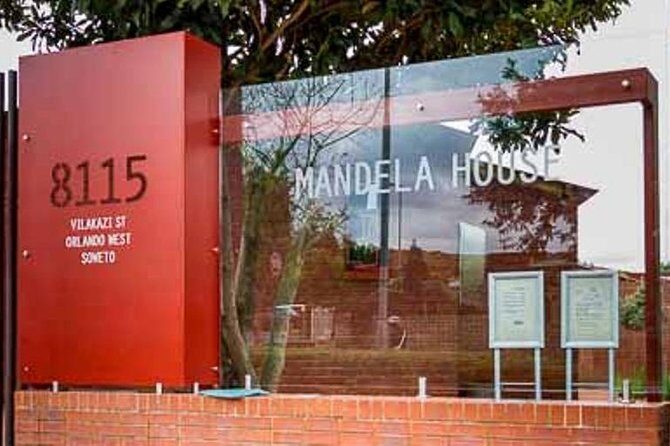
- Nelson Mandela and Archbishop Desmond Tutu house sites ground the tour in well-known leadership stories.
- Heat + uphill reality check: you’ll enjoy it more if you’re prepared to work a bit.
Pedaling Into Soweto: Start at Hector Pieterson Memorial
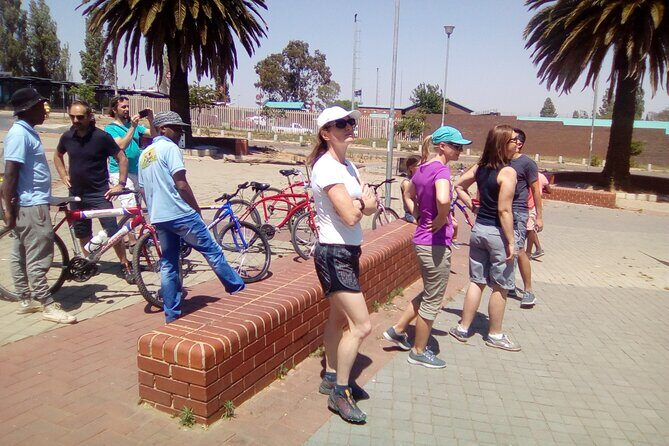
The tour begins at the Hector Pieterson Memorial in Orlando West, right at 8287 Khumalo Rd. That matters, because the ride doesn’t start with random landmarks. It starts with the story of the 1976 student uprising, so by the time you’re out on the streets you’re already oriented.
Once you’re mounted, your guide sets the stage for what you’re about to see. You’ll ride through Soweto’s setting and learn how the township was first established in 1904. That date is a good anchor. It reminds you this place is not just a single event or era. It’s a long timeline of policy, segregation, resistance, and daily survival.
You’ll also get a sense of the neighborhood you’re moving through. This is not a ride that hides behind walls or turns the area into a theme park. You’re in the township itself, so the “look and feel” is part of what you’re learning.
You can also read our reviews of more historical tours in Pretoria

The Streets as a Timeline: From 1904 to Everyday Life
What I like most about this kind of history tour is that it treats geography like a lesson. Instead of only talking, your guide uses the route to connect events to locations you can point at while you pedal.
As you move, you’ll hear the good, bad, and sad aspects of Soweto’s history—partly through major sites, and partly through “in-between” places. The tour includes stops such as a mineworkers’ hostel and an orphanage, plus several churches. These aren’t just objects to photograph. They’re clues about what life looked like under pressure: where people worked, where children went, and where communities gathered for hope and organization.
Even if some of the names and dates blur together (they can, because the story is heavy), you’ll still remember the feeling of passing real places where daily life has unfolded for decades.
Regina Mundi Church and the Squatter Camp Reality Check

You’ll also see Regina Mundi church, one of the well-known sites associated with community life and resistance during apartheid. A church like this can be easy to reduce to a single “symbol,” but from a bike tour you get more of the surrounding context: the neighborhood around it, the street pattern, and the way the area functions now.
Another stop that adds emotional weight is a squatter camp. This is one of those places where your guide’s explanations matter, because the point isn’t to shock you. The point is to show what housing insecurity and forced movement looked like over time, and how communities adapted.
On a practical level, these stops also give you time to slow down and absorb. After a stretch of riding, you’ll have those built-in pauses that help the history land instead of bouncing off.
Orlando West High School: The 1976 Uprising Moment
One of the tour’s most important stops is at Orlando West High School. This is where the tour focuses on the student uprising against apartheid in 1976, including the death of Hector Pieterson.
This is where you should expect your guide to slow down the story and connect it clearly to what you’re seeing. When you’re cycling through a neighborhood, it’s easy to treat it like scenery. Here, the tour does the opposite. It pulls the ride back into a specific moment in time.
If you want the history to click, keep your attention tight during this part. You don’t need to memorize everything. You just need to understand the cause-and-effect: student action, the reaction, and why Hector Pieterson became part of South Africa’s public memory.
Nelson Mandela and Desmond Tutu House Sites: Why These Stops Matter
The tour includes house sites connected to Nelson Mandela and Archbishop Desmond Tutu. That’s the “big name” section, and for good reason. These leaders are central to the narrative most people know, but on the ground you see the human scale.
Seeing house locations by bike gives you a different perspective than reading about them. You notice the neighborhood texture around the places. You understand that the leaders’ stories weren’t happening in a vacuum. They were unfolding in the real geography of Soweto and its political struggle.
It’s also a useful way to balance the tour’s tone. Yes, the history includes violence and injustice. But the route also shows community institutions, churches, schools, and the places where people organized and persisted.


Don’t Miss the Hector Pieterson Museum After the Ride
Here’s a nice structure: after the guided cycling ends, you can visit the Hector Pieterson Museum on your own. That gives you control over how long you stay with the material.
Some people need time to sit with exhibits. Others want to race through and get the broad strokes first. Either way, this setup works because you’re not forced to split your focus between pedaling, listening, and absorbing museum content all at once.
If you’re short on time, you can still do something smart. Walk through the parts you care about most related to 1976, then take a break before deciding whether to keep going.
Bike, Helmet, and Real-World Comfort: Heat and Hill Notes
This tour is rated around 3.9 with 7 reviews, and the comments line up around two things: the story is powerful, and the ride is not a smooth, cushy bike experience.
One review flags the heat hard. The advice was simple: bring a full hat, not just a cap, and cover up with strong sunscreen. That tracks with what you’d expect in South Africa during warm months. If you want to enjoy the tour instead of just surviving it, plan like it’s a workout.
Another review calls out uphill biking and basic bikes on older setups. That doesn’t mean you should fear it. It means you should show up ready to pedal. You’ll feel the effort in your legs, especially if the route includes sustained climbs.
One more caution comes from a low review that describes bikes with serious safety concerns: warped wheels, no brakes, and no gears, plus difficulty adapting child seats. That’s not what you want to hear, so treat it as your checklist moment:
- Check your bike before you start rolling.
- Test the brakes right away.
- Make sure the seat and fit are safe and comfortable, especially if you’re traveling with kids.
The tour does provide a helmet and use of bicycle, which is good. But gear provided doesn’t replace you doing a quick safety sanity check on arrival.
Coffee and Cream Finish Line: Ending With a Real Local Stop
The cycling portion concludes at Coffee and Cream cafe, and you return back to the meeting point area. I like finishing at a place like this because it gives you a decompression buffer.
After hours of emotionally heavy context, it’s normal to feel a little mentally packed. Food and a drink help you reset. And because the tour ends at a cafe, you’re not left hunting for a spot while you’re tired from pedaling and thinking.
Price and Value: Is $40.91 Worth It?
At $40.91 per person for about 4 hours, this is relatively affordable compared with many guided tours in major cities. You also get key inclusions: a local guide, bicycle use, and helmet. That’s meaningful value because you’re not paying separately for transport or equipment.
What you’re paying for, though, isn’t just mileage. It’s the ability to connect history to places while you’re physically moving through the neighborhood. When the guide’s explanations click, the tour becomes more than sightseeing. It becomes a story you can feel in your legs and your brain.
Where the value equation gets tricky is the bike condition variability noted in reviews. If bikes are in good shape on your date, you’ll likely feel like this is an excellent deal. If they’re not, the ride stops being fun and starts being stressful. Your best move is to be proactive on bike fit and brakes at the start.
Who Should Book This Soweto Bike Tour
I think this tour suits you if you:
- Want history with real street context, not just museum time.
- Enjoy active travel and can handle some uphill.
- Prefer a small group experience (max 10) where questions are easier to ask.
- Are comfortable riding a basic bike on neighborhood roads.
It might be a mismatch if you:
- Want a low-effort ride with minimal exertion.
- Have mobility limits that make cycling difficult.
- Are traveling with children and need strong confidence in bike safety fit.
Should You Book History Bicycle Tour of Soweto?
I’d recommend booking if you’re excited by the idea of learning apartheid-era history while you’re actually moving through Soweto. The mix of Hector Pieterson Memorial context, the Orlando West High School stop, and landmarks tied to Mandela and Desmond Tutu gives you a clear narrative thread.
But book with your eyes open. Bring a full hat and real sunscreen. Treat the bike check as non-negotiable. If you arrive and your bike feels unsafe, speak up immediately.
If you want your history grounded in places—churches, schools, hostels, and neighborhood streets—this is the kind of tour that can stay with you long after the ride ends.
FAQ
How long is the History Bicycle Tour of Soweto?
The tour lasts about 4 hours.
Where does the tour start?
It starts at the Hector Pieterson Memorial, 8287 Khumalo Rd, Orlando West, Johannesburg, 1804, South Africa.
Where does the tour end?
The tour ends back near the meeting point, concluding at Coffee and Cream cafe.
Is hotel pickup included?
No. Hotel pickup and drop-off are not included.
What’s included in the tour price?
Included are a local guide, use of a bicycle, and use of a helmet.
What are the main places you visit?
You’ll see sites including the Regina Mundi church, an Orlando West High School stop focused on the 1976 student uprising, a squatter camp, and house sites associated with Nelson Mandela and Archbishop Desmond Tutu. You’ll also have time to visit the Hector Pieterson Museum on your own after the tour.
Is the tour suitable for most people?
Most travelers can participate.
How big is the group?
There is a maximum of 10 travelers.
What should I do after the bike tour?
After the tour, you can visit the Hector Pieterson Museum on your own.