REVIEW · JOHANNESBURG
Lesedi cultural village:
Book on GetYourGuide →Operated by Itani Tours and Transfers. · Bookable on GetYourGuide
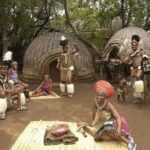
Lesedi Cultural Village is the kind of day trip that turns a map into people. You get a guided walk through tribal homesteads, plus songs and dance that help the culture feel real, not like a museum stop. The small-group size (max 6) also keeps the day from feeling rushed or lost in a crowd.
Two things I especially like: the up-close explanations of daily life and dress, and the way the day ends with a traditional performance that feels interactive. One possible drawback: you should be ready for about 45 minutes of light walking, and food isn’t automatically included unless you choose to purchase or take the provided tastings.
In This Review
- Key Things Worth Your Attention
- Lesedi Cultural Village Turns a Story Into a Walk
- Pickup and Drop-Off: Door-to-Door Without the Headaches
- The Intro Session: Get Your Bearings Fast
- Village Homesteads: Homes, Clothing, and Daily Life Explained
- Markets and Craft Time: More Than Just a Photo Stop
- Dance, Drums, and a Meal Moment
- Price and Value: What $84 Actually Buys You
- Who This Trip Fits Best (and Who Might Skip It)
- Practical Tips for a Smoother, Better Day
- Should You Book Lesedi Cultural Village?
- FAQ
- How long is the Lesedi Cultural Village experience?
- What is the price per person?
- Does the tour include pickup and drop-off?
- What does the tour include?
- Is food included?
- Is alcohol allowed?
- How much walking should I expect?
- What group size should I expect?
- What if I need to cancel last minute?
Key Things Worth Your Attention
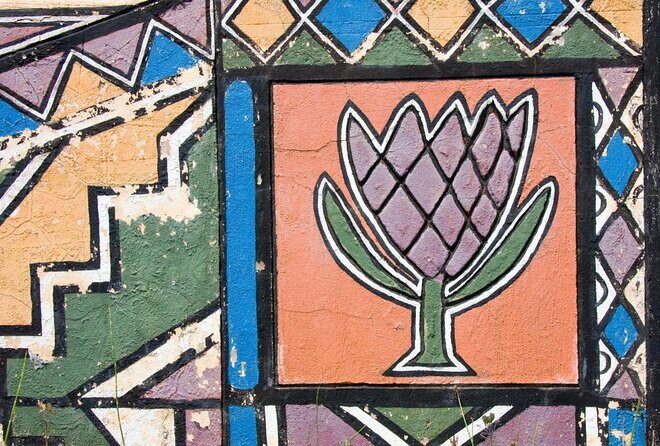
- A guided village walk that takes you through different cultural areas and building styles
- Dress codes and outfits explained for different occasions across the tribal groups
- Markets included in the flow, so you can browse arts and crafts and sample local food
- Traditional dance show runs long enough (about 2.5 hours) to actually catch the rhythm
- Small group of 6 helps you hear the guide and ask questions
- Thabelo stands out for clear storytelling during the drive and practical help when needed
Lesedi Cultural Village Turns a Story Into a Walk
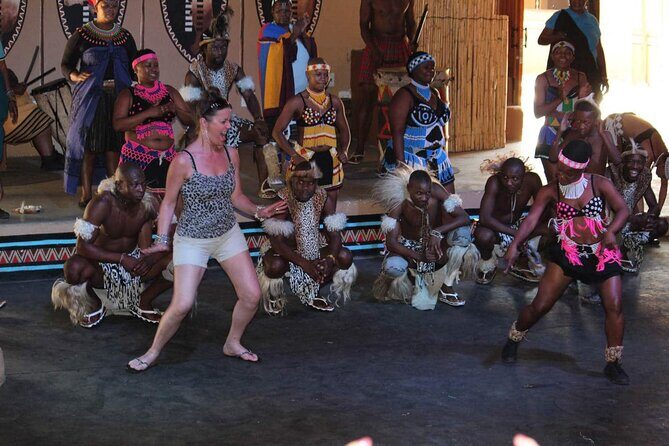
If you want South Africa that you can see with your own eyes, Lesedi Cultural Village is a smart one-day choice. It’s built around living culture: homes, routines, and ceremonies are shown in a way that’s meant to teach, not just entertain. And because it’s a guided experience, you’re not stuck guessing what you’re looking at.
The village format matters. A self-guided visit can leave you staring at buildings and missing the point. Here, you’re guided through the meanings behind what you see, from the design of homes to how people dress for different moments.
The big selling point for me is balance: you get the cultural “classroom” part, but it doesn’t stay theoretical. Songs, dance, and hands-on moments keep the day moving. That means you leave with more than photos. You leave with context.
You can also read our reviews of more tours and experiences in Johannesburg.


Pickup and Drop-Off: Door-to-Door Without the Headaches
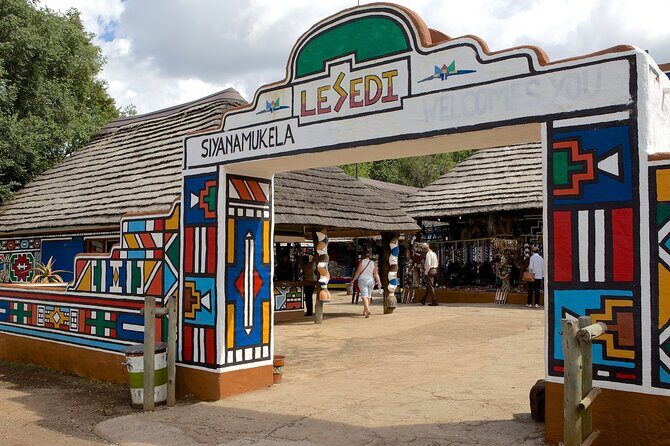
This trip is designed to be easy on your schedule. You get private transport and a driver guide, with pickup from multiple spots around Johannesburg-area hotels and malls. If you’re staying in places like Rosebank, Sandton, Fourways, Melville, or near OR Tambo, you’ll likely recognize at least one of the listed pickup points.
Why this is valuable: you don’t spend your morning negotiating rides or trying to figure out where to meet. You also get a smoother start, which matters on a day trip.
Another practical detail: you’re dropped back at one of the included locations, so you don’t need to plan a separate return.
The Intro Session: Get Your Bearings Fast
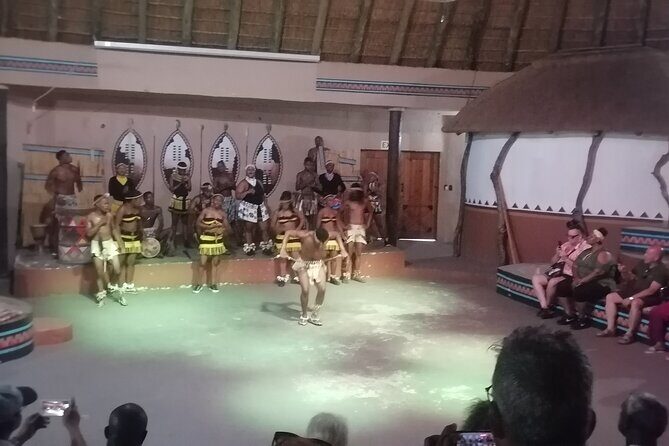
Before you wander, you’ll do an introductory session that sets the tone. This isn’t just a warm-up. It’s the part that helps you understand how different cultural groups organize their lives and identity.
From there, you’ll take a joyful, easy walk through the village sections. Expect a relaxed pace, not a fitness challenge, but still plan around about 45 minutes of light walking over the course of the visit.
The intro-and-walk combo is a big reason this experience works. You’ll see homes and outfits and learn what they mean while you’re still close enough to remember what you asked in the briefing.
Village Homesteads: Homes, Clothing, and Daily Life Explained
One of the strongest parts of Lesedi Cultural Village is how the tour connects physical spaces to everyday routines. You’re introduced to different home stead arrangements across tribal groups, including how the structures look and what role they play in daily life.
You’ll also learn about code dressing—what people wear, how outfits can signal occasions, and how dress fits into community life. The emphasis on specific outfits for different moments gives you something concrete to look for as you move from one area to another.
The guide also covers day-to-day living: how families function, how children are brought up, and how people care for each other. That’s the kind of information that’s easy to miss in typical sightseeing.
One more detail that I find important: the tour doesn’t only focus on the present. You’ll learn how groups celebrate after success, like after a good hunt or victory after war. It gives the performances at the end a stronger foundation, because you understand what they’re expressing.
Markets and Craft Time: More Than Just a Photo Stop
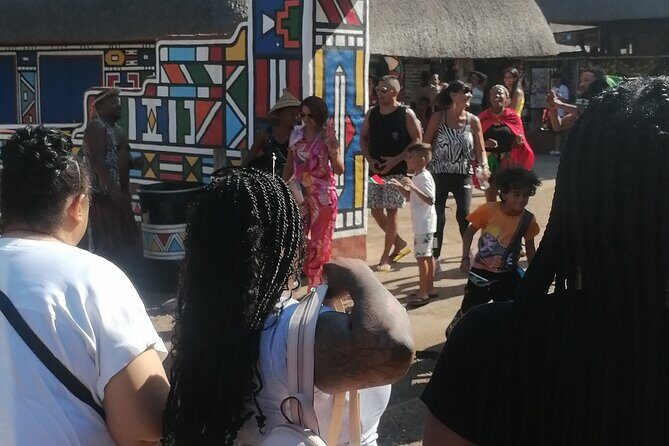
A big part of the experience is built around slowing down enough to engage. The flow includes time for a food market visit and an arts & crafts market visit. That’s where you can see local goods, browse, and get a sense of what people create and sell.
This matters because arts and food aren’t side quests here. They’re tied into the same cultural storytelling as the homesteads and performances.
You’ll also get a safety briefing before you head deeper into activities. It’s the kind of small step that helps everyone feel comfortable and keeps the day smooth.
If you want souvenirs, this is the most natural moment to shop. If you’re not that person, it still breaks up the day nicely so the tour doesn’t feel like one long lecture.



Dance, Drums, and a Meal Moment
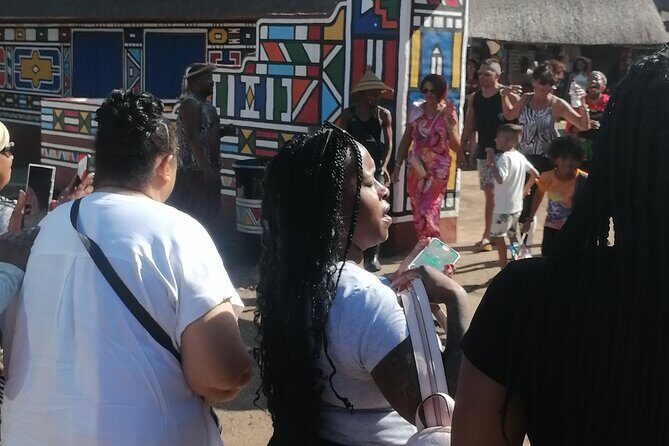
The traditional dance show is a centerpiece, and it has enough time (about 2.5 hours) that it doesn’t feel like a quick performance. You’ll hear songs and watch dances that are meant to communicate culture through movement and sound.
In the feedback connected to this experience, the performance also comes with interaction—people mention drumming and feeling involved rather than just spectating. Even if you’re not the music-making type, this part can be the most memorable because it’s participatory by nature.
Food is handled in a similar way: you have an option to taste the local meal and local drink. At the same time, the core tour information is clear that food and drinks aren’t automatically included for everyone, so you’ll want to decide what you want to eat during the market moments or when tastings are offered.
Some guests describe a simple but varied meal at the end of the experience. So if you’re hoping for a proper South African food moment, you can plan to spend a little extra for what you personally want—while still knowing that tastings are part of the day.
Price and Value: What $84 Actually Buys You
At around $84 per person, this is priced like a guided cultural experience with transport and admissions handled for you. You get private transport, a live English-speaking guide, and entry fees included. You also get one bottle of water per guest.
That’s the key value equation: you’re paying for organization and explanation, not just a location.
What’s not included is food and drinks. If you decide to have lunch, the meal cost is listed as $16 per person. That doesn’t make the tour expensive, but it does mean you should budget for eating if you want a full day meal rather than just tastings.
For me, the price feels fair if you want:
- a guided understanding of multiple cultural groups in one day
- a structured, small-group pace
- dance and market time without doing extra planning
If your main goal is only a short cultural dance show with no walking or learning, you might feel like you’re paying for more than you need.
Who This Trip Fits Best (and Who Might Skip It)
This works best for you if you:
- want a guided, structured introduction to different cultural groups
- like learning through stories, homes, and performance rather than just looking at buildings
- prefer small groups over big buses
- want a single day with multiple parts: markets, dancing, and cultural explanations
You might consider a different option if:
- you have very limited mobility or you don’t want to manage about 45 minutes of light walking
- you want only a quick performance and don’t care about the cultural context
It’s wheelchair accessible, and the village is described as secure and friendly. If you’re bringing a camera, you’ll have plenty of chances to use it—just follow whatever directions your guide gives on filming or photography in different areas.
Practical Tips for a Smoother, Better Day
This is where you can make the experience feel effortless.
- Bring a camera. It’s explicitly listed as something to bring, and there’s plenty to photograph: homesteads, outfits, and performances.
- Wear comfortable shoes. Even though the walking is described as light, you’ll be moving through the village and want traction.
- Plan to spend on food if you want more than tastings. Lunch is listed as an extra cost.
- Use the guide’s language skill. The tour is in English, and the day is built on explanations. If something isn’t clear, ask. The guide’s job is to connect the dots.
- If you’re picky about timing, remember the dance portion lasts about 2.5 hours. Build your day around that, not around a late-afternoon plan.
One last note: the guide Thabelo is repeatedly highlighted for helpful storytelling during the drive. That means you’ll likely learn more on the road to the village than you expected, which improves the overall value of the day.
Should You Book Lesedi Cultural Village?
Yes, I’d book it if you want a guided, small-group cultural day with homesteads, dress explanations, markets, and a long dance performance. The private transport and included entry fees remove a lot of friction, and the structure helps you understand what you’re seeing instead of guessing.
Skip it only if you’re looking for a very short stop, you dislike any walking at all, or you’re not interested in learning the context behind the performance. For many people visiting South Africa, this is the kind of day trip that feels like you actually met culture, not just scenery.
FAQ
How long is the Lesedi Cultural Village experience?
It’s listed as a 1-day activity.
What is the price per person?
The price is listed as $84 per person.
Does the tour include pickup and drop-off?
Yes. Pickup and drop-off are included, with multiple location options listed.
What does the tour include?
Included items are private transport, a driver guide, one bottle of water per guest, and entry fees to Lesedi Cultural Village. There’s also a guided tour and traditional dance show included in the schedule.
Is food included?
Food and drinks are not listed as included. The information says food and drinks are not included, and lunch—if you choose it—costs $16 per person. There are also options to taste the meal and local drink.
Is alcohol allowed?
No. Alcohol and drugs are not allowed.
How much walking should I expect?
There’s mention of 45 minutes of light walking.
What group size should I expect?
It’s a small group limited to 6 participants, and the tour is guided in English.
What if I need to cancel last minute?
The information states free cancellation up to 24 hours in advance for a full refund.