REVIEW · JOHANNESBURG
Apartheid Museum & Soweto Tour with Hotel Pickup
Book on GetYourGuide →Operated by Tsalanang Travel Tours · Bookable on GetYourGuide
Soweto teaches faster than any guidebook. This half-day with hotel pickup connects the big national story to real neighborhood life, with stops like the Apartheid Museum and a walk on Vilakazi Street. You’ll ride through Soweto and step out where history took place, so the day feels less like sightseeing and more like putting context on a map.
I especially like two things: the local-led guidance that makes the past feel human, and the way you get a mix of landmarks and street-level scenes. Even the small stops, like viewing Mandela House from outside, help you understand what matters locally versus what’s just famous on a brochure.
One consideration: there’s some walking, and the tour isn’t a good match if you have back problems or need wheelchair access.
In This Review
- Key takeaways before you go
- Why this Soweto tour feels different from a standard city stop
- The 5-hour flow that keeps the story moving
- The Apartheid Museum: where policies turn into lived experience
- FNB Stadium: the 2010 Final as a marker of modern South Africa
- Diepkloof and the housing story you only get by driving slowly
- Hostels, hospitals, and what scale looks like in real life
- Vilakazi Street: Nobel winners on a real neighborhood street
- Hector Pieterson Memorial: understanding the 1976 student uprising
- What’s included (and what’s not) so you can plan better
- Shoes, sun, and photo rules that affect comfort
- Price and value: is $91 per person worth it?
- Who should take this tour, and who should choose differently
- Should you book the Apartheid Museum & Soweto Tour with hotel pickup?
- FAQ
- How long is the Apartheid Museum & Soweto tour?
- What does the tour price include?
- Are meals included in this tour?
- Does the tour include Mandela House Museum or Hector Pieterson Museum?
- Is flash photography allowed?
- Is the tour suitable for wheelchair users or people with back problems?
- Can I cancel and get a full refund?
- Is there a reserve-and-pay-later option?
Key takeaways before you go
- Apartheid Museum turns 1948–1994 segregation into stories you can actually picture.
- A stop at FNB Stadium anchors modern South Africa to the 2010 World Cup Final.
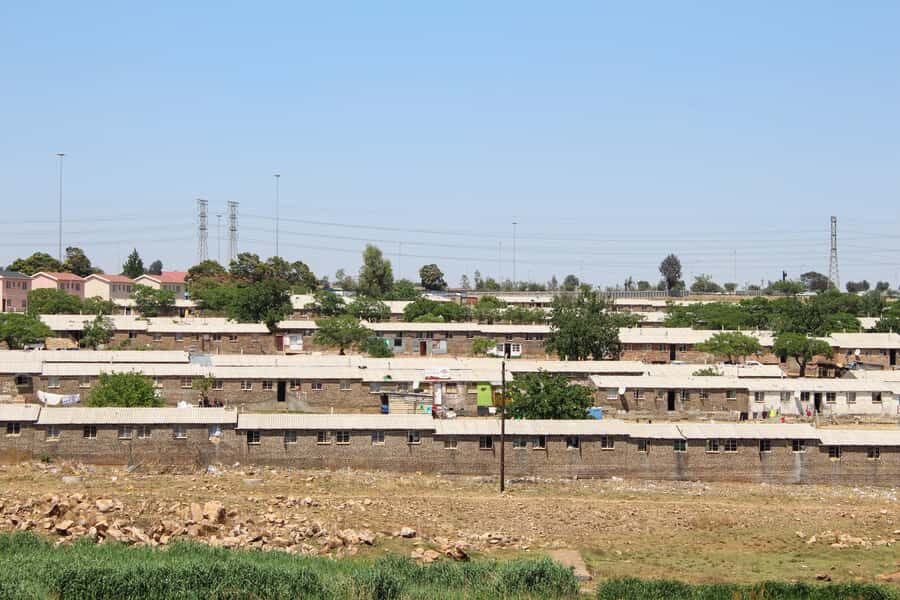
- You’ll pass Diepkloof housing areas and see how former migrant hostels became family units.
- The route includes major scale points like Chris Hani Baragwanath Hospital and the Soweto Towers.
- A walk on Vilakazi Street brings you to the neighborhood of Nobel Peace Prize winners.
- Guides like Neo, Thabang, Tsalanang, and Thembo share firsthand perspective, not just facts on a slide.
Why this Soweto tour feels different from a standard city stop

Soweto can be one of those places where your brain wants a simple story. This tour resists that urge—in a good way. You move through multiple layers: apartheid policy in a museum, public symbols like stadiums and towers, and the daily reality of where people live.
The best part is how the guide role matters. Several guides on this tour have been raised in Soweto and talk from personal experience. That shows in the details they choose to highlight, like how housing has changed over time, or what a street name and a memorial mean to locals.
And you don’t just watch from the car window. The walk on Vilakazi Street makes a difference. It’s one thing to read that Desmond Tutu and Nelson Mandela lived nearby; it’s another to pace the street and look at the neighborhood through that lens.
That mix is why I think this is a strong value choice for first-timers. You’re getting a concentrated route in about five hours, including museum entry and hotel pickup.
You can also read our reviews of more museum experiences in Johannesburg

The 5-hour flow that keeps the story moving
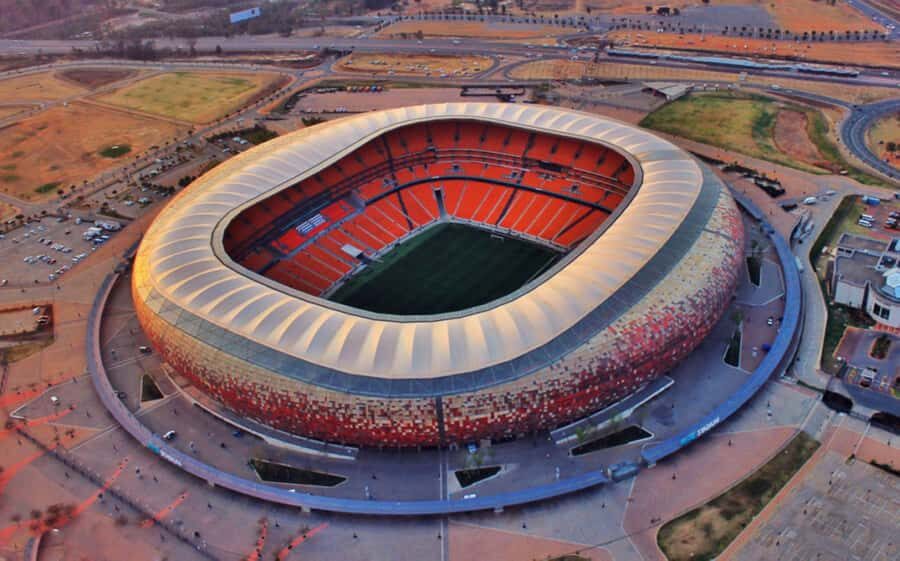
This is built like a timeline you can follow. Hotel pickup gets you into the area without fuss, then the day escalates.
Here’s the order you’ll experience in practical terms:
1) Start with pickup from your residence.
2) Visit the Apartheid Museum for the core context.
3) Head to key landmarks such as FNB Stadium.
4) Drive through Soweto with neighborhood explanations, including Diepkloof housing.
5) See major reference points like Chris Hani Baragwanath Hospital and the Soweto Towers.
6) Walk on Vilakazi Street and visit viewpoints such as Mandela House from outside.
7) Finish with an overview stop at Hector Pieterson Memorial before you return.
What makes this sequence work is that you don’t start with landmarks only. You start with cause and effect—how apartheid rules shaped where people could live, work, and move. Then the day’s sights start meaning something beyond their postcard look.
The Apartheid Museum: where policies turn into lived experience
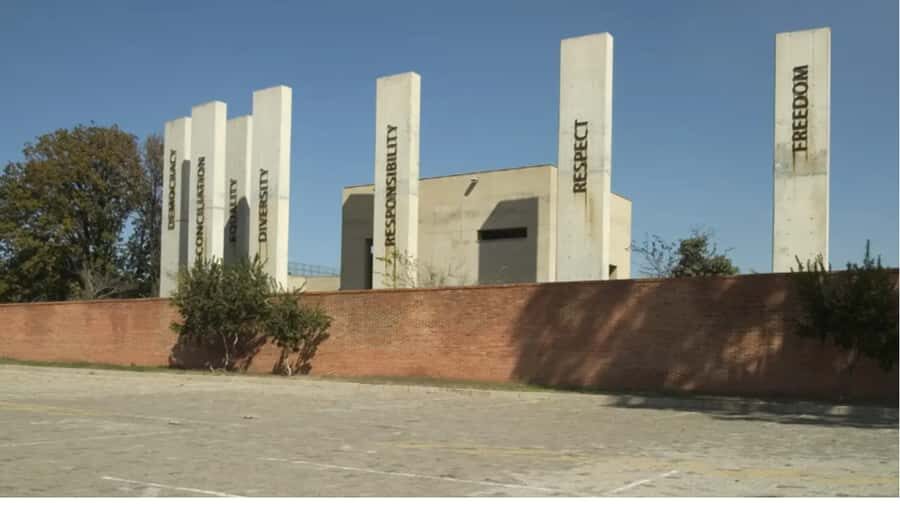
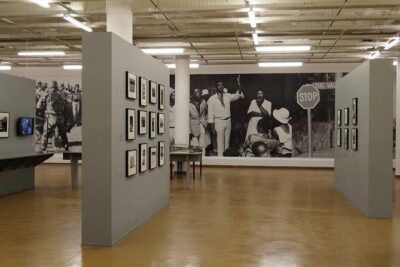
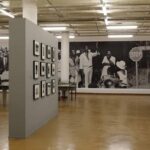
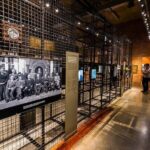
The Apartheid Museum is the heart of the day, and it’s not just because it’s famous. It’s because it gives you a framework. Apartheid wasn’t one law; it was a system that shaped identity, housing, education, and everyday freedom from 1948 until 1994.
You’ll walk through the museum with a guided focus on segregation policies and how they enforced separate lives. I like this approach for visitors because it stops you from treating history as abstract. By the time you leave, you can read the city differently.
A practical note: plan for museum time to feel substantial. If you’re the type who rushes through exhibits, slow down here. This museum is doing the heavy lifting of your understanding, and the rest of the tour makes more sense once you’ve got the baseline.
Also, museum conditions can vary with light levels and exhibit design. Bring your camera mindset, but remember that flash photography isn’t allowed.
FNB Stadium: the 2010 Final as a marker of modern South Africa
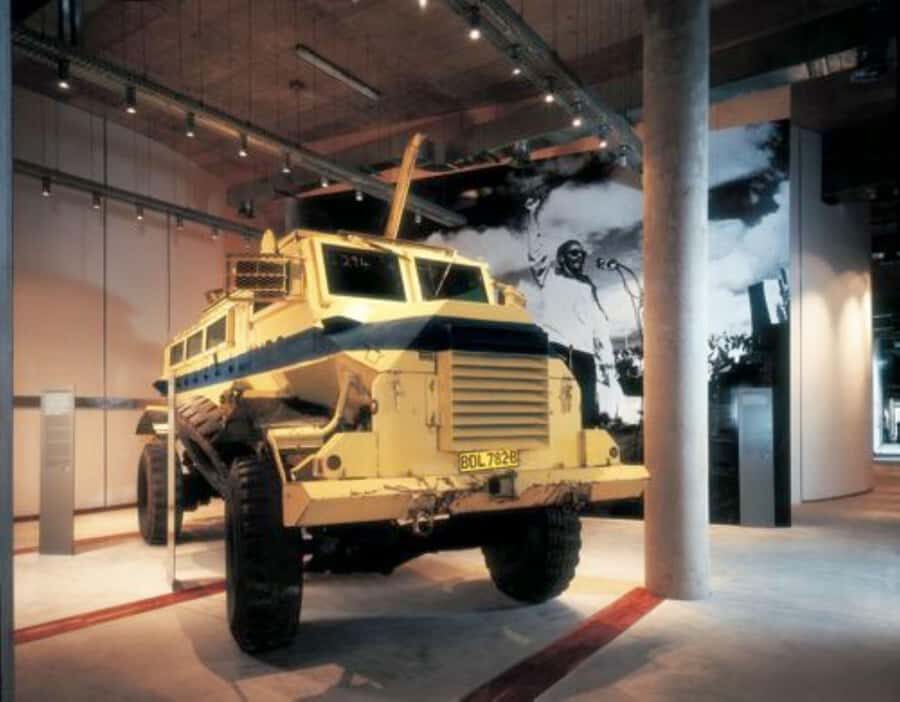
After the museum, the tour shifts tone—still serious, but more outward-facing. The stop at FNB Stadium connects Soweto and Johannesburg to a global event.
From the area around the stadium, you’ll see the kind of scale that comes with major sports infrastructure. The key detail here is that the stadium hosted the 2010 Soccer World Cup Final. That matters because it points to a different era: one where South Africa’s public life and international visibility changed after apartheid.
Is this the only meaningful stop? No. But it works as a counterpoint after the museum, showing how the country’s story isn’t stuck in the past. It also helps you notice how big events land on a place with deep local roots.
Diepkloof and the housing story you only get by driving slowly
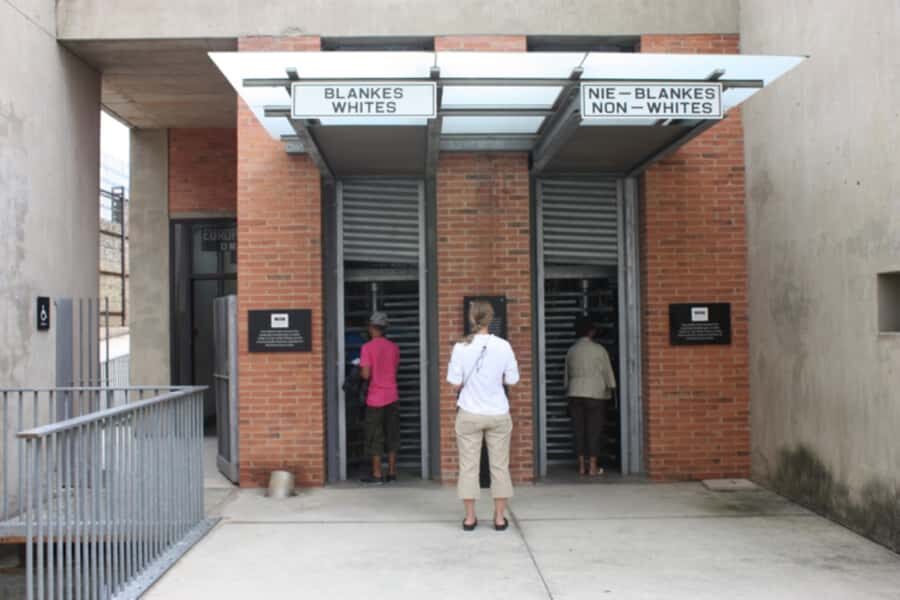
One of my favorite parts of this day is the way you roll through Diepkloof and talk about housing differences. You’re not just looking at buildings. You’re hearing how living arrangements have evolved, including the transformation of former migrant labor hostels into more informal family units.
That’s the kind of explanation that changes how you view what you see. You start to understand housing as a direct output of policy, economics, and migration patterns—then you see the results on the street.
This is also where a strong guide shows up. Some guides in this experience, like Thabang and Tsalanang, share firsthand reflections from growing up and living in Soweto. That makes the discussion feel grounded instead of textbook-like.
If you’re hoping to learn how Soweto is organized, this portion helps you get your bearings fast.


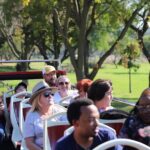


Hostels, hospitals, and what scale looks like in real life
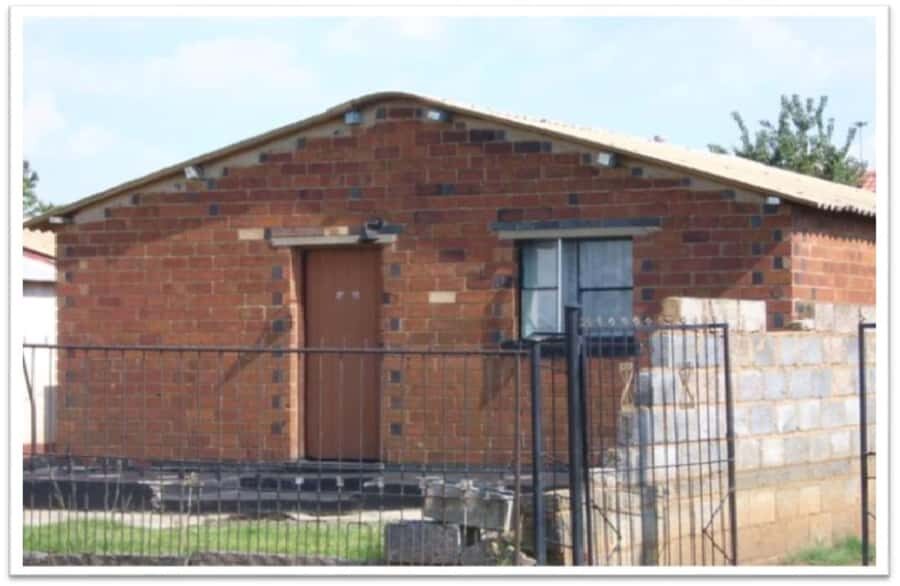
Between neighborhood housing and famous streets, you’ll pass a major anchor: Chris Hani Baragwanath Hospital. It’s one of the largest hospitals in the world, and you’ll see it as a kind of scale lesson. Big institutions like this shape the flow of people, jobs, and services around them.
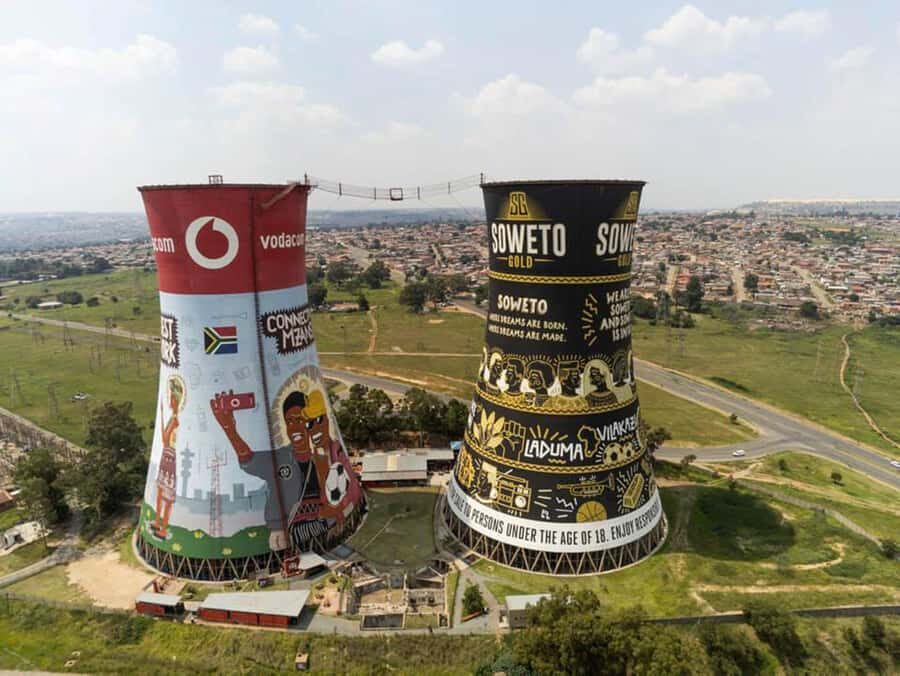
Then come the Soweto Towers, which are now a recognizable landmark. Towers can feel like background features on some tours, but here they function as a navigation point. More importantly, they help you connect the geography: where you are, what area you’re in, and what the city built around.
I like these stops because they remind you that Soweto is not only a place for memorials. It’s also a living, functioning urban area with services and visible infrastructure.
Vilakazi Street: Nobel winners on a real neighborhood street
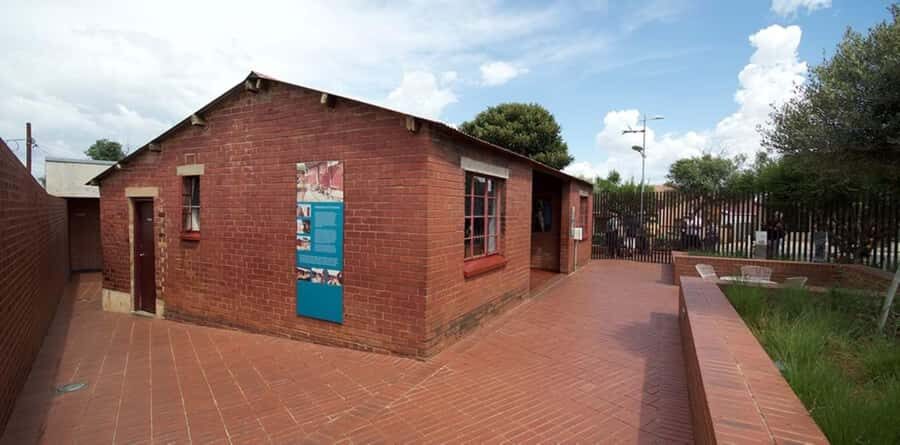
The walk on Vilakazi Street is a standout for good reason. This is one of those places where global names connect to a specific place you can stand in.
The key detail: Vilakazi Street is home to two Nobel Peace Prize winners, Archbishop Desmond Tutu and Nelson Mandela. During the walk, you’ll get a sense of why the street carries weight. It’s not only about what happened historically; it’s about the fact that history happened right here, next to everyday life.
This is also a good moment to slow down and look around. Watch how the street functions, where activity clusters, and how the neighborhood feels now compared with what you’ve been learning in the museum.
The tour also includes a look at Mandela House from outside. The wording matters: you’ll view it externally, and you won’t be doing the museum inside as part of this stop.
Hector Pieterson Memorial: understanding the 1976 student uprising
Toward the end of the day, you’ll head to the Hector Pieterson Memorial. This stop is focused on giving you an overview of the 1976 Soweto Student Uprising.
Memorials can sometimes feel like they’re asking for reverence, but what makes this stop work is that it’s explained in context. You’re not just seeing a marker; you’re connecting it to the events and the reason the uprising became a turning point.
This is also where you should bring your mindset down to human scale. Think about age, courage, fear, and consequences. Even if you’ve read the story before, the guided overview helps most people link the dates to the lived impact.
What’s included (and what’s not) so you can plan better

This tour includes:
- Hotel pickup and drop-off
- Entry to the Apartheid Museum
- Bottled water
- A live English guide
Not included:
- Meals and drinks
- Souvenir shopping
- Mandela House Museum
- Hector Pieterson Museum
That set of inclusions and exclusions shapes your day. Since meals aren’t included, I recommend you eat before pickup if you can. If not, carry a small snack for the ride. The tour is only five hours, but museum time plus driving plus a walk can still leave you hungry.
Also, if you’re the kind of traveler who loves adding extra museum tickets, you’ll want to know that this experience doesn’t include those two museum entries. You’ll see Mandela House from outside and get an overview at Hector Pieterson Memorial, without ticketed museum time at that location.
Shoes, sun, and photo rules that affect comfort
Soweto sun can be strong, and you’ll do at least some walking. The practical guidance here is simple: wear comfortable shoes, and bring a hat and sunscreen. Also, take the tour’s bottled water seriously, and plan to sip during breaks rather than at the end.
Photo rules are also worth noting:
- Smoking isn’t allowed
- Flash photography isn’t allowed
If you want photos, bring a camera you’re comfortable using fast, especially on the street walk. The best pictures often happen when you’re moving, not when you’ve stopped for a long time.
And if you’re sensitive to uneven ground or need more mobility support, consider your body first. This experience isn’t suitable for wheelchair users and isn’t set up for babies under 1.
Price and value: is $91 per person worth it?
At $91 per person for about 5 hours, the value comes from what you get bundled. You’re paying for hotel pickup, a live guide in English, and museum entry to one of the most important sites in South Africa for understanding apartheid.
If you tried to piece this together on your own, you’d still spend time coordinating transport and buying tickets. Here, the guide saves you that legwork and adds interpretation—especially through the kind of firsthand perspective guides like Neo, Thabang, Thembo, and Tsalanang provide.
Is it the cheapest option? Probably not. But it’s the kind of tour that can reduce confusion fast. You leave with a clearer mental map and a deeper sense of what you saw—because the guide threads the story together.
For me, that’s the main value: not just places, but meaning.
Who should take this tour, and who should choose differently
This is a great fit if:
- It’s your first time in Johannesburg and you want Soweto context quickly.
- You like tours with a human voice, not just a checklist of stops.
- You want both memorial sites and neighborhood geography in one morning/afternoon.
You might want to choose a different option if:
- You have back issues or mobility limits that make walking hard.
- You’re traveling with a wheelchair and need full accessibility accommodations.
- You’re looking for a pure sightseeing day with minimal emotional weight. This is a history-focused route, and the museum is central.
Should you book the Apartheid Museum & Soweto Tour with hotel pickup?
If you want to understand Soweto rather than just see it, I’d book this. The mix of the Apartheid Museum, the landmarks around FNB Stadium, the neighborhood perspective around Diepkloof, the street-level walk on Vilakazi Street, and the overview at Hector Pieterson Memorial gives you a tight, meaningful route in just five hours.
The tour also has a strong local guide factor. When guides like Thabang or Tsalanang share personal perspective, the day clicks. It feels grounded.
Just go in ready for comfort basics: comfortable shoes, sun protection, and patience with history that isn’t light. If you can do that, this one is a worthwhile use of your time in Gauteng.
FAQ
How long is the Apartheid Museum & Soweto tour?
It lasts about 5 hours.
What does the tour price include?
Pickup and drop-off at your residence, entry to the Apartheid Museum, and bottled water are included.
Are meals included in this tour?
No. Meals and drinks are not included.
Does the tour include Mandela House Museum or Hector Pieterson Museum?
No. You can view Mandela House from outside, and you’ll get an overview at Hector Pieterson Memorial, but those museum entries are not included.
Is flash photography allowed?
No. Flash photography isn’t allowed.
Is the tour suitable for wheelchair users or people with back problems?
No. It’s not suitable for wheelchair users, and it isn’t suitable for people with back problems.
Can I cancel and get a full refund?
Yes. You can cancel up to 24 hours in advance for a full refund.
Is there a reserve-and-pay-later option?
Yes. You can reserve now and pay later to keep your plans flexible.