REVIEW · JOHANNESBURG
Constitutional Hill and Soweto 5 hours tour.
Book on GetYourGuide →Operated by Itani Tours and Transfers. · Bookable on GetYourGuide
Constitutional Hill and Soweto hits hard and fast, telling Johannesburg’s story through places you can actually stand in. I love how the old prison setting turns segregation from an idea into something you can see in layout and daily reality, and I love the way Soweto stops (from Tutu House to Mandela’s home) connect the anti-apartheid movement to everyday life. A fair warning: this tour covers a lot in limited time, so if you want a slower, longer museum-style day, you may feel slightly rushed.
One reason I think this works so well is the pacing. You start with the Constitutional Court and the old jail on Constitutional Hill, then you’re quickly on the road for downtown sightlines like Nelson Mandela Bridge before the day shifts into Soweto’s story of resistance and community pride.
In This Review
- Key highlights to look for
- Why Constitutional Hill and Soweto Works in a Half-Day
- Constitutional Hill: Johannesburg’s Birth Told Through an Old Jail
- The Downtown Drive You Actually Want: Braamfontein and Nelson Mandela Bridge
- Diepkloof Photo Stop and Soweto Towers: Getting Oriented Without Wasting Time
- Tutu House and Mandela’s House: When the Story Becomes Personal
- Hector Pieterson Memorial: Remembering the Spark of Resistance
- Soweto Culture, Heritage, and Local Food: What You Should Expect (and What You Should Not)
- Price and Value: Why $62 Can Be Fair (If You Know What’s Included)
- Practical Tips for a Smooth 5-Hour Tour
- Should You Book This Constitutional Hill and Soweto Tour?
- FAQ
- How long is the Constitutional Hill and Soweto tour?
- Where are the pick-up locations?
- What does the tour include?
- Is the Mandela museum entry included?
- Is food included?
- Are Hector Pieterson Memorial entry fees included?
- Is the tour guided in English?
- What should I bring?
- Is the tour wheelchair accessible, and is it suitable for elderly travelers?
- FAQ
- How far in advance do I need to cancel for a full refund?
- Can I reserve now and pay later?
- Is this tour private or small group?
- When is the tour available?
Key highlights to look for

- Old jail layout and racial segregation you can see rather than just hear about
- Constitutional Court entry included, so you don’t have to figure it out on your own
- Soweto orientation stops like Soweto Towers that help you get your bearings fast
- Guided visits at Mandela’s House and the Hector Pieterson Memorial
- Pick-up and drop-off from several Johannesburg areas for less hassle
- English live guide in a private or small-group setup
Why Constitutional Hill and Soweto Works in a Half-Day
This is a smart “first look” tour if Johannesburg is one stop on a bigger South Africa trip. In about 5 hours, you get the arc: the city’s rise, apartheid’s machinery, and then Soweto’s role in pushing history toward change.
The real value is that you don’t just drive past landmarks. The tour’s built around key places with guided interpretation: the old jail at Constitutional Hill, then the Soweto sites where you’ll walk, view, and hear context. Even the short drive segments matter because they help connect the geography—how downtown and the townships sit within the same city story.
There’s also a practical comfort factor. Transport plus pick-up/drop-off from areas like Melrose, Rosebank, O.R. Tambo, Sandton, and Fourways means you spend less time negotiating taxis and more time learning. And with a live English guide, you can ask questions without guessing at meaning.
You can also read our reviews of more tours and experiences in Johannesburg.



Constitutional Hill: Johannesburg’s Birth Told Through an Old Jail
Constitutional Hill is where South Africa’s legal and political transformation becomes visible in stone and iron. The old jail was once treated like a notorious place of confinement, and now it’s home to the Constitutional Court. Standing in that repurposed space changes how you read the past—you’re not only learning history; you’re watching the present reuse it.
What makes the visit hit is the way the jail reflects apartheid-era separation. The prison was divided into different sections based on race—one for whites and another for blacks. Your guide can point out how that segregation shaped daily experience, not just the official policies. That kind of explanation helps you understand apartheid as a system with physical boundaries.
You also get an option to visit the Constitutional Court of the country. The tour includes entry fees for the Constitutional Court and is set up to help you skip the ticket line, which is one of those small things that saves time and energy. If you’re the type who hates waiting in queues while holding a day’s schedule together, this matters.
The Downtown Drive You Actually Want: Braamfontein and Nelson Mandela Bridge

Between Constitutional Hill and Soweto, you’ll cross part of central Johannesburg in a way that helps you “see the city.” The route includes driving through Braamfontein and over Nelson Mandela Bridge for about five minutes—more orientation than sightseeing, but it gives you a sense of scale.
You may also notice what looks like odd piles along the route: big heaps of sand from the gold mines. Even without a long explanation, it’s a visual reminder that Johannesburg’s growth wasn’t abstract. Mining left materials, money, and migration patterns—and those ripple effects show up in where communities formed and how the city developed.
This is also where you can ask your guide for a quick mental map. I like using short transit time for that, because Soweto is dense with meaning. Once you reach the township stops, you’ll get more out of the day if you already understand how downtown and Soweto fit into one urban story.
Diepkloof Photo Stop and Soweto Towers: Getting Oriented Without Wasting Time
When the tour reaches Soweto, you start with an orientation-style stop in Diepkloof. There’s a photo stop around ten minutes, which sounds brief, but it helps you connect the landmarks to the wider township area. If this is your first time in Soweto, that little pause gives you a way to ground yourself before you go deeper.
Then you’ll do another short stop at Soweto Towers. Again, it’s mostly about viewpoint and bearings—about five minutes for photos. These quick moments work best if you treat them like wayfinding, not your final stop. The payoff comes later when guided walking and tours give you the story behind the scenery.
One thing I appreciate about this structure is that it respects attention spans. You’re not stuck with long drives and long lectures back-to-back. You get short sight windows, then you shift into guided interpretation at the homes and memorials where the emotional weight lands.
Tutu House and Mandela’s House: When the Story Becomes Personal
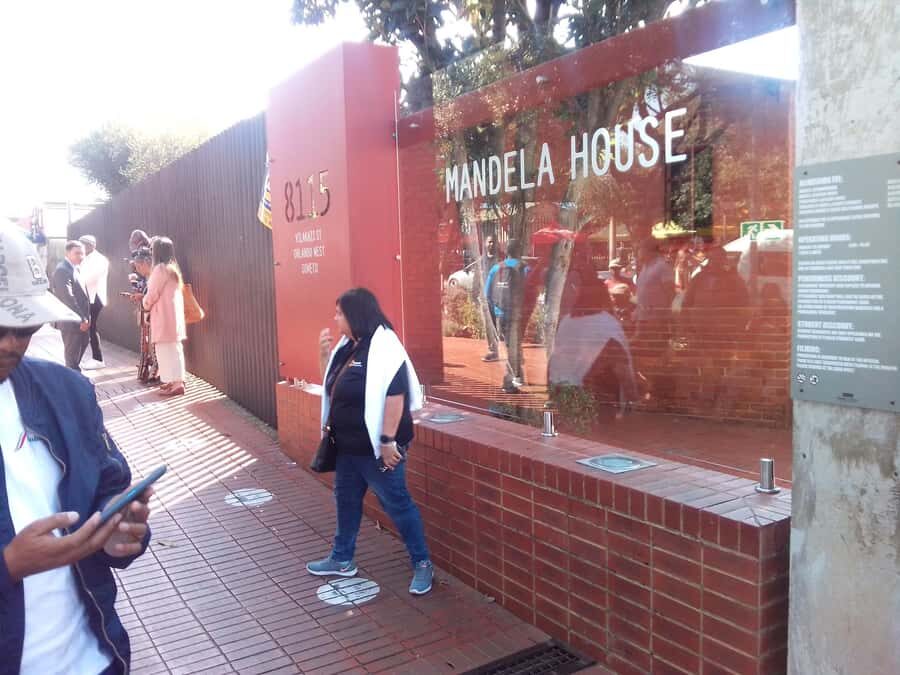
This part of the day is more intimate. You’ll walk about five minutes to Tutu House and then continue to Mandela’s House for a guided tour (about fifteen minutes). These visits matter because they’re not only about ideology—they’re about people living through history.
Mandela’s House gives you a chance to hear how the movement and its leaders existed inside real homes and daily routines. A guided visit is the difference between seeing a building and understanding what that building symbolizes in the broader story of apartheid resistance.
Tutu House adds another layer to the picture, bringing in the role of broader spiritual and community leadership during that era. Even if you know the basics, a guided explanation helps you see how different figures worked in different ways while facing the same oppressive system.
If you’re someone who prefers “show me why this matters” experiences, this is the segment that usually delivers. The pace is tight, but the guided tour format keeps you from losing meaning while you’re switching between locations.



Hector Pieterson Memorial: Remembering the Spark of Resistance
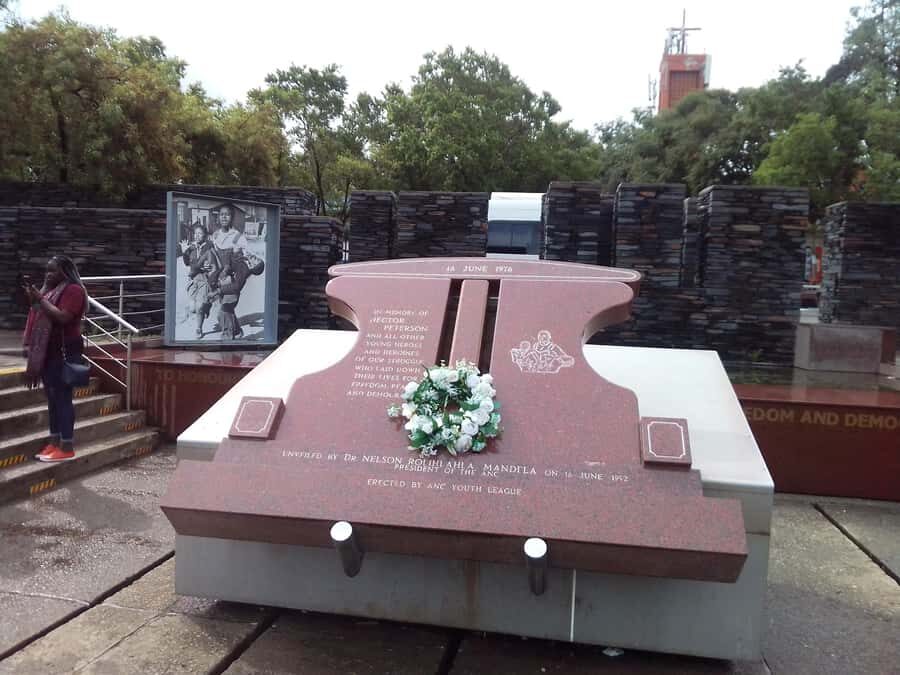
The Hector Pieterson Memorial is one of those places where you don’t want to race. The tour includes a guided visit of about fifteen minutes, and you’ll have additional time there as well. The format suggests the guide uses the memorial for more than one round of explanation and reflection—meaning you get context, then you get time to absorb it.
This memorial sits at the intersection of youth resistance and apartheid-era repression. Even when you’ve heard names before, a guided walk helps you connect the details to the larger pattern of protest and government response.
I also like that the memorial segment is placed after you’ve already learned a bit about the township’s role in apartheid struggle. By then, the memorial stops being an isolated event on a map and starts looking like a turning point within a wider community story.
Tip: wear comfortable shoes. You’ll want them for both walking and standing during guided interpretation.
Soweto Culture, Heritage, and Local Food: What You Should Expect (and What You Should Not)
The tour description includes learning about culture, heritage, and local food in Soweto. Since meals and drinks aren’t included, think of this as education and discussion time rather than a full food experience.
That said, even without a plated lunch, you can still learn how locals understand their heritage and daily life. A good guide can point out cultural context that you’d miss if you only focused on the big-ticket monuments.
If food is a major motivation for your trip, I’d plan to add an extra meal on your own after the tour. Since food and drinks aren’t included, you’ll likely want your own time to try something specific once you’ve finished the guided stops.
Price and Value: Why $62 Can Be Fair (If You Know What’s Included)
At about $62 per person for a one-day, roughly five-hour tour, this sits in the “good value if you use the included components” category.
Here’s what’s included: transport, a live English guide, pick-up and drop-off, entry fees to the Constitutional Court, and help to skip the ticket line. For Johannesburg, where getting from point to point can be time-consuming, transport plus scheduling support can turn this into a stress-free day.
What’s not included: entry fees to the Mandela museum and entry fees to the Hector Pieterson Memorial, plus food and drinks. This is the part you should watch. In other words, the guided segments may rely on additional tickets or fees depending on how the day is run. If you want clean budgeting, keep some extra cash or a card ready.
For me, the value equation looks like this:
- If you’ll use the included court visit and you want expert guidance without arranging your own transport, the price makes sense.
- If you’re hoping for a full day with all major museum tickets and meals included, you’ll likely need to budget extra.
Practical Tips for a Smooth 5-Hour Tour
To get the most out of this kind of half-day route, prepare like you’re going to be outside, walking briefly, and taking photos at multiple stops.
Bring:
- Comfortable shoes (you’ll walk, including a short walk to Tutu House)
- A sun hat and sunscreen
- Camera and a charged smartphone
- Passport (a copy is accepted)
- Cash and/or a credit card
- Personal medication, plus a plan for timing
Medication tip: you should notify your guide about your appropriate medication time. It’s a small step that helps everyone keep the schedule comfortable and safe.
Also keep your expectations realistic about age and pace. The tour notes it isn’t suitable for people over 95 years. If that applies to you, it’s worth asking about alternatives or a shorter walk-friendly option.
Finally, since pick-up options include places like O.R. Tambo and Sandton, choose the closest one to reduce transfer time at the start and end.
Should You Book This Constitutional Hill and Soweto Tour?
I’d book this if you want a strong Johannesburg overview with guided context, and you’re working with limited time. The included Constitutional Court entry, the focus on apartheid-era segregation at the old jail, and the guided visits at Mandela’s House and the Hector Pieterson Memorial give you more than typical “drive-by” sightseeing.
Skip it—or look for a longer, slower alternative—if you need lots of museum time, you’re sensitive to a packed schedule, or you strongly prefer all-included meals and fully covered entry fees.
One more reason I’d lean yes: the experience is built for questions. In at least one standout booking, the guide (Thabelo) created a comfortable setup where questions were welcomed, and the experience felt genuinely personal—even when the group size was tiny. That’s the kind of guide-energy that can turn a 5-hour tour into something you remember for a long time.
FAQ
How long is the Constitutional Hill and Soweto tour?
The tour lasts about 5 hours.
Where are the pick-up locations?
Pick-up options include Melrose, Rosebank, O.R. Tambo, Sandton, and Fourways.
What does the tour include?
It includes transport, a live English guide, pick-up and drop-off, entry fees to the Constitutional Court, and it helps you skip the ticket line.
Is the Mandela museum entry included?
No. Entry fees to the Mandela museum are not included.
Is food included?
No. Food and drinks are not included, so you’ll need to plan your own meal time.
Are Hector Pieterson Memorial entry fees included?
Entry fees to the Hector Peterson memorial are not included.
Is the tour guided in English?
Yes. The live tour guide is in English.
What should I bring?
Bring comfortable shoes, a sun hat, sunscreen, a camera, cash and/or a credit card, your passport (a copy is accepted), a charged smartphone, and your personal medication.
Is the tour wheelchair accessible, and is it suitable for elderly travelers?
The tour is wheelchair accessible. It is not suitable for people over 95 years.
FAQ
How far in advance do I need to cancel for a full refund?
You can cancel up to 24 hours in advance for a full refund.
Can I reserve now and pay later?
Yes, there’s a reserve now & pay later option.
Is this tour private or small group?
It can be private or small groups are available.
When is the tour available?
It’s valid for 1 day, and you should check availability to see starting times.