REVIEW · JOHANNESBURG
Elephant Sanctuary Tour From Johannesburg
Book on Viator →Operated by Mount Zion Tours and Travels (PTY) Ltd · Bookable on Viator
Elephants in Johannesburg deserve a closer look. This 6-hour sanctuary tour is set up for small groups, so you get real guide time as you learn about rescued elephants and the people caring for them. I like the pickup-and-drop-off convenience from select Johannesburg hotels and the fact the whole visit is guided on foot, not rushed through photo stops.
You’ll spend time in the forest area, meet the elephants in a controlled sanctuary setting, and learn what makes African elephants unique. You also get hands-on education, including elephant anatomy, and one reviewer even called out a driver named Willie as a friendly presence during the ride. The potential drawback is this is a managed sanctuary, not a free-roaming experience, so if you want elephants completely outside human structures, this setup may feel like less than you hoped.
In This Review
- Key Things I’d Focus On Before You Go
- Why This Johannesburg Elephant Sanctuary Tour Feels Different
- Getting There: Pickup, Air-Conditioned Minivan, and a 6-Hour Reality Check
- Walking the Sanctuary: Forest Intro, Stables, and What You’ll Notice
- Handler Time and the Conservation Story You Should Expect to Hear
- Interactions, Up-Close Moments, and the Ethics Question
- Elephant Anatomy Education: Why It’s More Than a Fun Fact
- Practicalities: What to Wear, What to Bring, and On-Site Drinks
- Price and Value: Is $226.75 Worth It?
- Who This Tour Suits Best
- FAQ
- How long is the Elephant Sanctuary Tour from Johannesburg?
- What’s the price per person?
- Does the tour include hotel pickup and drop-off?
- How big is the group?
- Is the sanctuary visit walking-based?
- What should I wear?
- Are meals included?
- Are alcoholic drinks included?
- What ticket format will I receive?
- Can I cancel for free?
- Should You Book This Tour?
Key Things I’d Focus On Before You Go
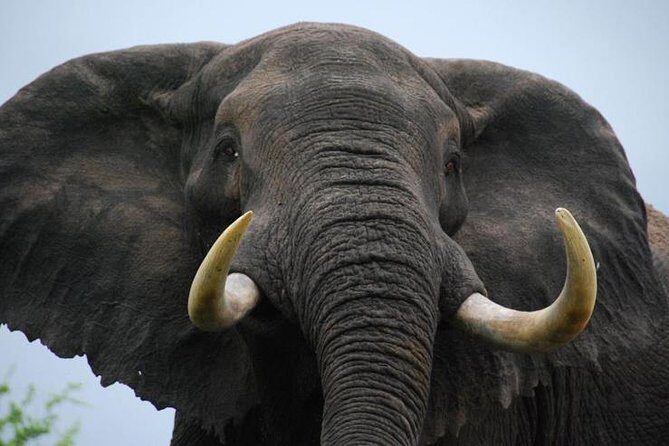
- Small group (max 7 travelers) means more attention from your guide and fewer people blocking your view.
- Forest-area introduction + stables viewing helps you understand sanctuary routines, not just meet-and-greet moments.
- Elephant handler relationship is part of the story, including what happens as elephants get older.
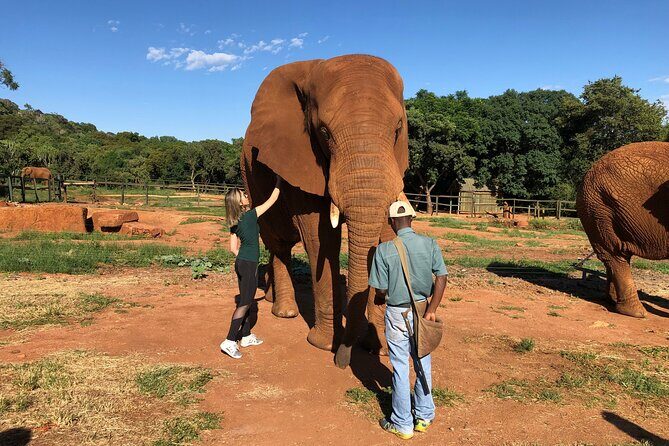
- Up-close interaction is included, and some visitors report experiences like touching, riding, and even receiving a kiss.
- Education on anatomy adds depth beyond simple watching.
- Practical visit tips matter here: flat shoes, sun hat, and your camera ready.
Why This Johannesburg Elephant Sanctuary Tour Feels Different
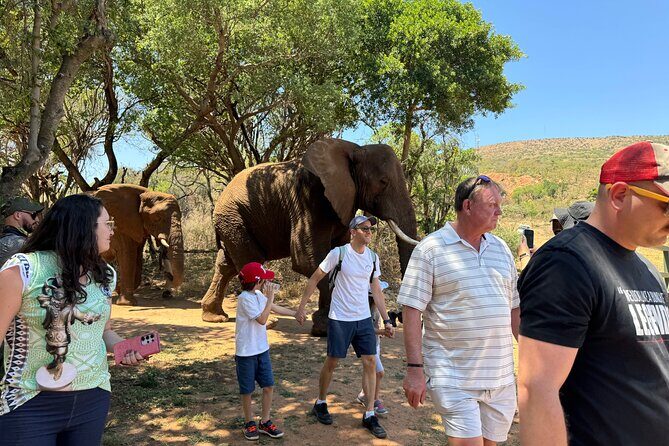
Elephants can be the kind of animal encounter that goes either way: short on meaning or heavy on spectacle. This tour is built around learning and conservation context, with a guided small-group walk through the sanctuary and time to meet the elephants where they actually spend their day. That structure helps you leave with a better sense of what a sanctuary does and why.
Two things I really like for your planning. First, the guide-led format keeps you from guessing what you’re seeing. Second, the visit is not only about elephants in one spot; you also get a look at their sleeping arrangements in the stables, plus areas where the elephants can move within the sanctuary setting.
One honest consideration: this is still a sanctuary. A review raised concerns about elephants not roaming freely and being trained or kept in a managed environment. If your top priority is seeing elephants living with zero human contact, you should go in with eyes open.
You can also read our reviews of more tours and experiences in Johannesburg.



Getting There: Pickup, Air-Conditioned Minivan, and a 6-Hour Reality Check
The tour starts in Johannesburg and runs about 6 hours total. You can choose departure times to match your schedule, and you’ll have hotel pickup and drop-off if you’re staying at select Johannesburg properties. The transport is by air-conditioned minivan, which matters in South Africa when heat can sneak up fast.
Because the day is built around a sanctuary visit, timing is mostly about getting you there comfortably and keeping the experience paced. Wear shoes you can walk in for a guided route on foot. Also, bring water or plan to buy what you need since food and drinks (including lunch) are not included.
If you’re worried about logistics, this is one of the calmer options. You don’t have to figure out directions or public transport mid-journey. That’s a real quality-of-life win when you’re spending part of a limited trip on one key activity.
Walking the Sanctuary: Forest Intro, Stables, and What You’ll Notice
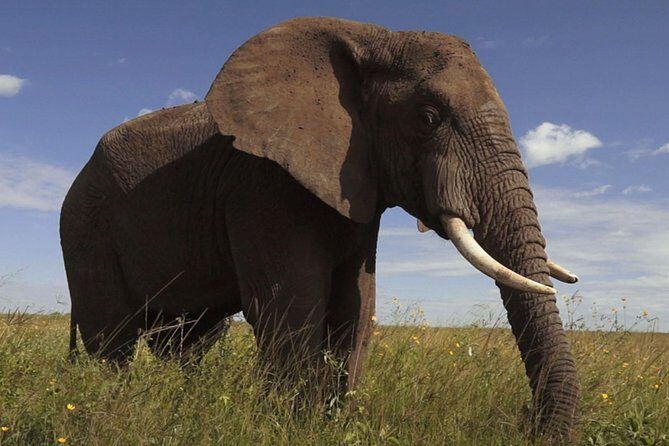
Once you arrive, the day is set up as a guided, on-foot experience through the sanctuary. You’ll start in a forest area where you’re introduced to the elephants. This is the part where you’ll notice behavior cues: how elephants respond to people, how calm (or alert) they seem, and what their handler routines look like in practice.
You’ll also see where elephants sleep, including viewing their stables. That’s more than a curiosity stop. It helps you understand sanctuary life is structured. Elephants aren’t just in an open “look at them” space; they have daily routines and housing as part of their care.
A bonus detail: on hot days, you may even see elephants swimming. That’s the kind of moment that makes the day feel more than educational. It reminds you elephants are still elephants, not just zoo exhibits.
Handler Time and the Conservation Story You Should Expect to Hear
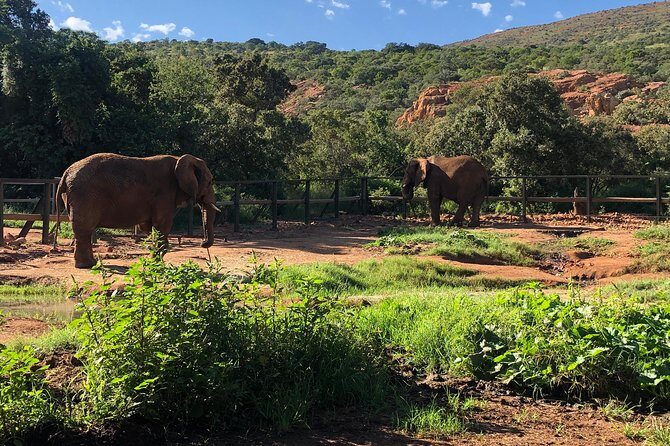
This tour doesn’t treat handlers as background staff. You’ll learn about the special relationship between the elephant handlers and their elephants, and you’ll hear the bigger plan for long-term care. The sanctuary aims to provide a temporary home for younger elephants and then release them into a more independent environment when they get older.
I like that the tour includes this “people + elephants” angle. It makes the encounter feel less like pure contact and more like caregiving done with an outcome in mind. You also get insights on elephant temperament—what to watch for, how elephants communicate, and why behavior can shift depending on routine.
One reviewer praised the depth of learning, including even the elephants’ anatomy. That education piece matters because it turns a close encounter into something you can actually interpret afterward, instead of just remembering big ears and a moment you couldn’t stop smiling about.
Interactions, Up-Close Moments, and the Ethics Question
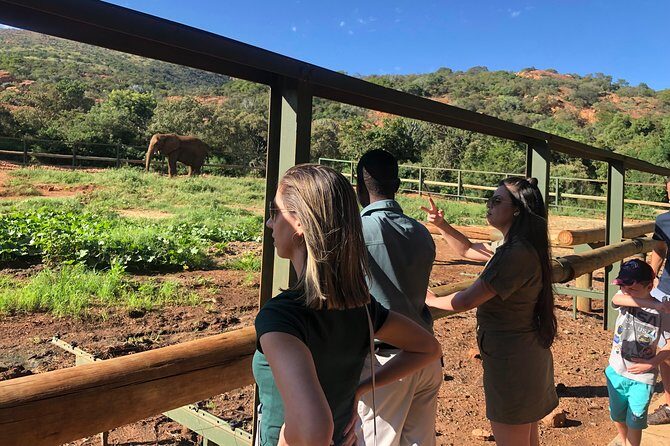
Let’s talk about interaction honestly, because it’s central here. The experience includes the chance to interact with the elephants as part of the guided sanctuary visit. One review said visitors could touch, ride, and even get a kiss. Another review said the facility was clean and staff were wonderful, with great picture help.
So yes, you may get close. You may also feel a twinge of concern if you were picturing elephants roaming freely with no human training involved. One review specifically challenged the idea of full freedom and suggested elephants were behind fences and worked on training behaviors. The provider’s response pointed out rescued elephants are brought in to live again after facing danger, abandonment, or injury.
Here’s the practical way to think about it before you book. This tour is best if you accept that elephants in a sanctuary will live in a managed environment and that human care can include structured handling. It’s less ideal if your personal line is that elephants must be fully free-range to justify a visit.
If you want to feel confident going in, pay attention to the tone of your guide. Listen for how they frame care, routines, and what the sanctuary is trying to achieve.



Elephant Anatomy Education: Why It’s More Than a Fun Fact
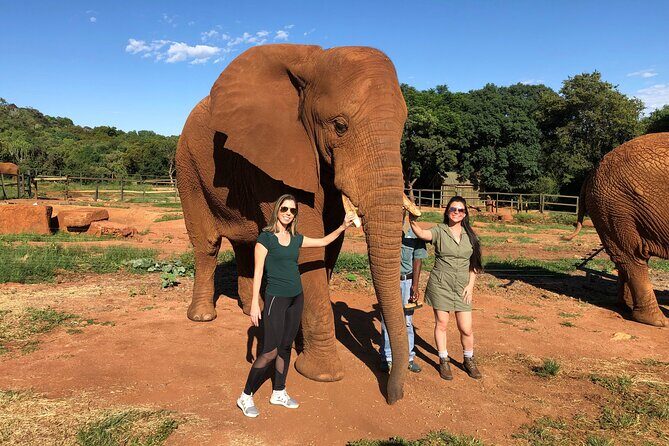
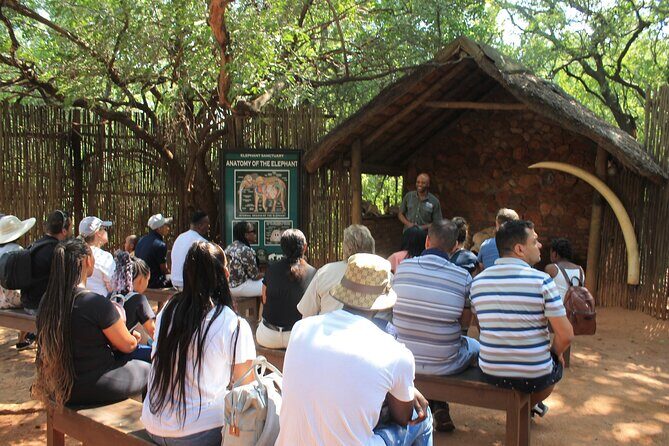
One of the strongest parts of the day is the education. You’ll learn about the anatomy of elephants and get guided explanations throughout the sanctuary walk. That might not sound like the headline, but it’s the reason the experience can feel memorable after the photos fade.
When you understand key anatomy basics, your brain starts reading the animal more accurately. You’re more likely to notice behavior that comes from physical structure—how they use their trunk, how their movements relate to strength and balance, and why certain cues might mean curiosity versus discomfort.
A review specifically mentioned learning even more details than they expected, plus the feeling of never being so close before. That combination—closeness plus explanation—is a good formula. It helps you keep the encounter respectful, and it helps you leave with a story you can actually tell.
Practicalities: What to Wear, What to Bring, and On-Site Drinks
This tour is smart casual, but I’d still treat it like an active walking day. Wear flat walking shoes. Bring a sun hat, since you’ll be outside and the day can include sunny heat. Bring your camera early, but also be ready to pause and watch before you shoot.
You can purchase drinks on-site. The tour notes a cash bar on the main deck before departure, so you can grab a drink there if you’d like. Alcoholic drinks are not included, and food and lunch are also not included—so plan your meal timing around the tour or bring your own plans for after.
Also note: there’s a mobile ticket. That’s helpful if you don’t want paper and want everything in one place on your phone.
Price and Value: Is $226.75 Worth It?
At $226.75 per person (with about 6 hours on the schedule), you’re paying for four things: guided time, small-group handling, transportation from Johannesburg, and close access with education built into the route.
This kind of encounter usually costs more than a general Johannesburg sightseeing tour because the sanctuary experience is labor-heavy and structured. The best way to judge value is to ask what you’ll actually remember. If you want a guided elephant day where you learn anatomy and sanctuary routines, then the price starts to make sense.
If you only want a quick photo and minimal explanation, you can probably find cheaper experiences elsewhere. But for this specific format—small group, on-foot guidance, stables and forest intro, plus a chance to interact—this is the kind of ticket that tends to feel worth it when you’re there for the full experience.
Who This Tour Suits Best
This is a good fit if you like guided wildlife days and want a small-group setting rather than a crowd. It also suits families who are prepared for an active walking component and a close animal encounter with handlers.
You’ll likely enjoy it most if you’re the type who asks questions. The tour is built around learning about African elephants, their anatomy, and how handlers support rescued elephants. If you want a day that mixes real education with memorable elephant time, you’ll probably feel satisfied.
If you’re very focused on elephants living completely free from fenced or structured settings, you should think twice. A review called out concerns about freedom and constant human contact. That critique doesn’t erase the positive parts, but it’s a clear warning sign for anyone with strict expectations.
FAQ
How long is the Elephant Sanctuary Tour from Johannesburg?
It’s about 6 hours.
What’s the price per person?
The price is $226.75 per person.
Does the tour include hotel pickup and drop-off?
Yes, pickup and drop-off are offered from selected Johannesburg hotels.
How big is the group?
The experience has a maximum of 7 travelers.
Is the sanctuary visit walking-based?
Yes. Guests are guided on foot through the sanctuary.
What should I wear?
The dress code is smart casual, and you should wear flat walking shoes and bring a sun hat.
Are meals included?
No food or lunch is included.
Are alcoholic drinks included?
Alcoholic drinks are not included, but drinks are available to purchase.
What ticket format will I receive?
You get a mobile ticket.
Can I cancel for free?
Yes, you can cancel up to 24 hours before the experience starts for a full refund.
Should You Book This Tour?
I think you should book if you want a guided, small-group elephant encounter with time in a forest area, a look at the elephants’ stables, and real education built in. The price may feel steep at first glance, but the day is designed to be more than a quick look—it’s a structured sanctuary visit with interpretation and close interaction.
I’d hesitate if your personal goal is seeing elephants fully free-roaming with no human structure. This is a managed sanctuary, and the ethics concerns raised by reviewers are worth taking seriously before you commit. If you can accept that reality and focus on rescued-animal care and education, this tour can be a strong choice for your Johannesburg itinerary.