REVIEW · JOHANNESBURG
Exhilarating 7 Day Kruger Safari Adventure – South to North
Book on Viator →Operated by Balanta Imagine Safaris · Bookable on Viator
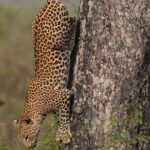
Big cats in Kruger, calmly done. This 7-day south-to-north safari gives you open-safari drives plus a real night safari with park rangers, all paced with time to eat, cool off, and reset. I like how the schedule spreads game viewing across southern, central, and northern Kruger instead of repeating the same scenery every day. I also like the small-group feel, capped at 20 people, so the day doesn’t turn into a moving traffic jam. One thing to consider: some key moments, like the first-day braai, can depend on good weather.
A big plus here is how human the guiding feels in the wild. The vibe is polite and attentive, and you get explanations that go beyond name-calling the animals. In one real-world example, the driver Thapelo was cheerfully waiting when a flight arrived late, which matters more than you’d think after a long travel day.
At $2,164.51 per person, this isn’t a cheap safari. Still, value looks decent because you get meals for most days and you cover a lot of park territory, including a closed-vehicle day up north. Just budget separately for Kruger daily conservation fees, which are not included.
In This Review
- Key things that make this Kruger safari worth your time
- South-to-north Kruger: how this route stays exciting
- Day 1–2 in southern Kruger: sunset drives and that first braai moment
- Day 3–4 in central Kruger: Tshokwane picnic and a ranger-led night drive
- Day 5 northward to Mopani/Shingwedzi/Punda Maria: the river drive feeling
- Day 6 between Punda Maria and Pafuri: closed-vehicle wildlife and extreme bird country
- Day 7 back to Johannesburg: spotting on the way out
- Price and value: what $2,164.51 really buys you
- Who should book this Kruger adventure
- Should you book Balanta Imagine Safaris for this 7-day Kruger run
- FAQ
- How long is the Kruger safari?
- Where does the tour start, and when do you end it?
- What’s the group size limit?
- What vehicles are used during the safari?
- Is there a night safari on this trip?
- Are meals included?
- Are Kruger conservation fees included in the price?
- What if weather is bad?
Key things that make this Kruger safari worth your time
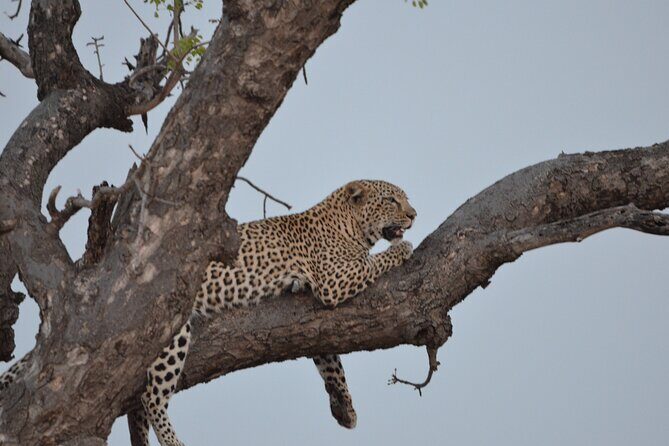
- South-to-north route that moves you through southern, central, and northern Kruger rather than staying in one pocket
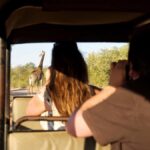
- Open safari vehicle drives at both morning and sunset times, when animals are most active
- A ranger-led night safari (8:00–10:00 pm) in central Kruger for a different side of wildlife
- Tshokwane picnic stop in an unfenced area, for that extra sense of space in the park
- Closed-vehicle wildlife viewing in the far north for Pafuri-area conditions and birdlife focus
- Meals included for six breakfasts, six lunches, and six dinners, which lowers your hassle factor
South-to-north Kruger: how this route stays exciting
This is the kind of Kruger trip that treats the park like a real place with different moods. In a week, you actually move from the southern camps into central Kruger, then push on toward the far north where the scenery and wildlife rhythms change. That matters because Kruger is huge, and the best sightings often come from being in the right area at the right time of day.
The daily plan is built around two big idea: morning drives and sunset drives. You get those because animals often feed at those hours, and the light is better for spotting and for photos that don’t look like blurry shadows. Between those drives, you’re not always racing; you get camp time, pool time, meals, and breaks where you can sit still without feeling guilty.
Group size is also part of the feel. With a maximum of 20 people, you’re more likely to get comfortable viewing positions and not spend every sighting craning your neck around strangers.
A few more Johannesburg tours and experiences worth a look
Day 1–2 in southern Kruger: sunset drives and that first braai moment
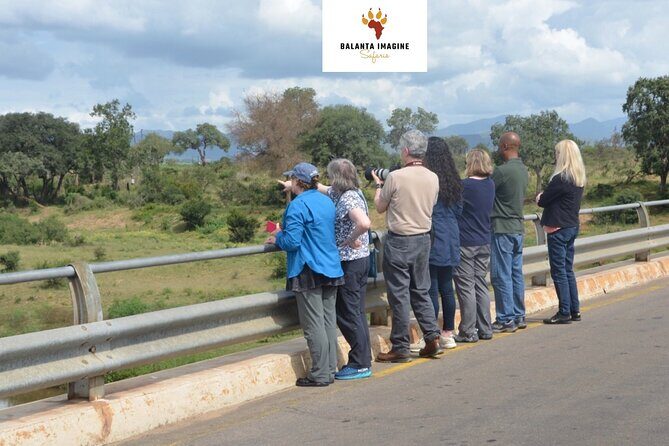
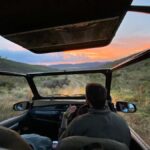
Day 1 starts in southern Kruger, with two nights based there. After check-in, you’ll have time for simple camp activities like nature walks, plus a proper lunch. Then comes a sunset drive from 3:30 pm to 6:30 pm on an open safari vehicle. This timing is classic for Kruger, because many animals start moving as the day cools off.
If weather behaves, you’ll also get a South African braai or barbecue dinner under African skies. If not, don’t panic. The plan is flexible enough that the focus stays on wildlife and camp life, not forcing a perfect sunset performance every night.
Day 2 keeps the momentum. You get a 3-hour morning safari game drive, again on an open safari vehicle. After that, breakfast and downtime kick in, and this is where the trip becomes comfortable. You can use the camp swimming pool, take easy strolls, or even sit and watch from camp if you’re near a waterhole.
Later, you’ll return to the game drive rhythm with a sunset drive that starts at 4:30 pm and runs for about 3 hours. Dinner follows, plus campfire stories to slow the night down after a full day outdoors.
A small note that can save you disappointment: sunset drives are scheduled times, but wildlife timing is not human timing. The guide can’t promise specific animals. What they can do is put you in the right places and keep the drives purposeful.
Day 3–4 in central Kruger: Tshokwane picnic and a ranger-led night drive
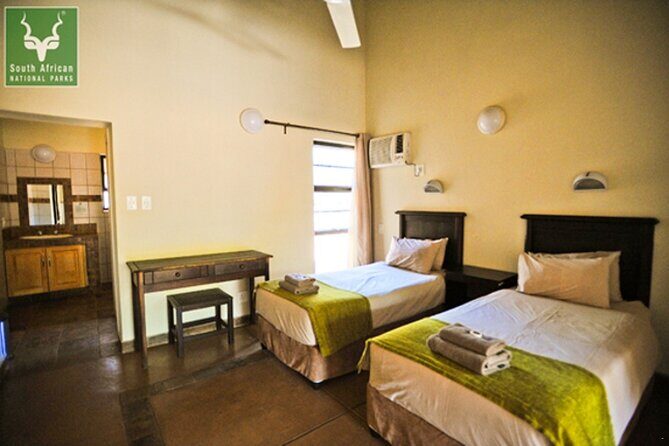
Day 3 is a real shift. After breakfast, you travel north into central Kruger for two nights, staying around one of these areas: Satara, Letaba, or Olifants rest camps (based on what’s available). The travel itself isn’t just transit. You get chances to see game as you move.
There’s also a memorable stop before you reach camp: lunch at Tshokwane picnic site, described as unfenced. That detail changes the feel. Even if you’re not doing anything dramatic, it makes you aware you’re in real habitat, not a viewing platform.
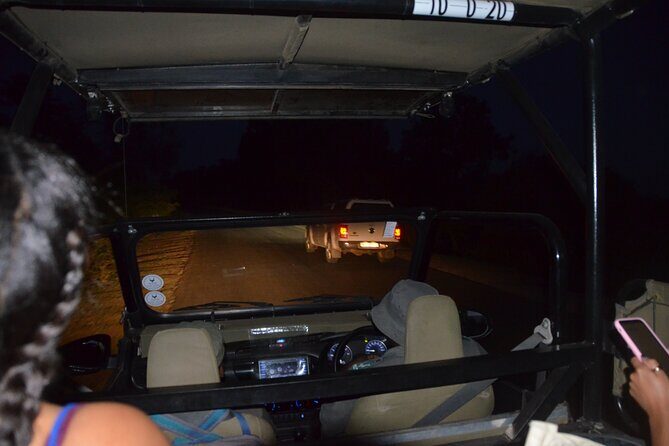
You check in around 2:00 pm, then dinner hits at about 6:00 pm. The highlight is later: a night safari game drive with park rangers, scheduled 8:00 pm to 10:00 pm. This is one of those Kruger experiences that adds variety fast. Daylight spotting is one skill; night spotting is another. Rangers also bring a different kind of field knowledge, and you’re in a guided setting built for safe, focused viewing.
Day 4 leans into the central zone again, especially where lion territories are known. You start with a morning safari game drive on an open safari vehicle, then enjoy breakfast back at Olifants Rest Camp.
Afterward, you head back toward Satara, with more opportunities to spot wildlife along the route. Back at camp you’ll get time to relax and have lunch, then another sunset drive on an open safari vehicle as the day winds down. Dinner follows, with another day of exploration in this central region.
What I like about this stretch is that it’s not just “more drives.” You get a morning rhythm, a midday break, and then sunset, plus the night safari that breaks the pattern.
Day 5 northward to Mopani/Shingwedzi/Punda Maria: the river drive feeling
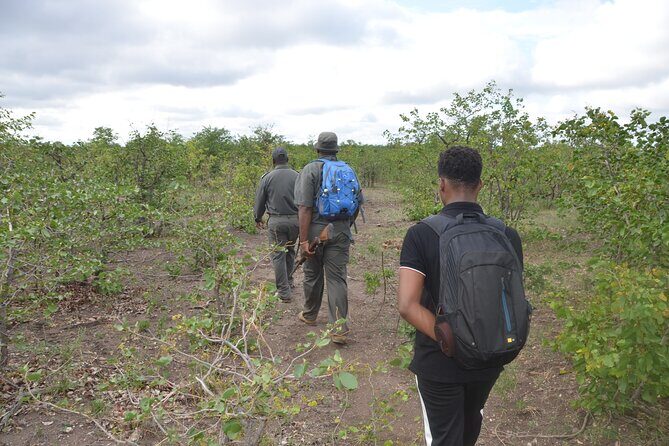
Day 5 is your handoff from central Kruger to the northern camps, where your last two nights are spent in one of these areas: Shingwedzi, Mopani, or Punda Maria.
If you land in Shingwedzi, you’re in Mopane country, and the vibe shifts. Your drive that day focuses on the Shingwedzi River, running south-easterly toward Kanniedood Dam. These river routes often attract animals because water and vegetation pull everything together.
The plan keeps your eyes open for species such as waterbuck, nyala, and kudu. Even when sightings come in waves, river country usually feels productive because tracks and movement can reveal what’s nearby, even if you don’t see everything instantly.
From a practical standpoint, day 5 works well because it’s not trying to compress everything into one “mega drive.” You transition regions, do targeted wildlife viewing, and then settle in for the final days rather than burning yourself out on the road.
Day 6 between Punda Maria and Pafuri: closed-vehicle wildlife and extreme bird country
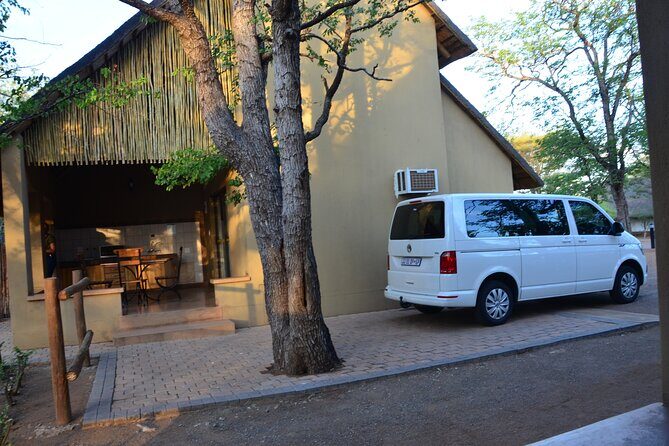
Day 6 is designed for the far north, with a clear change in viewing style. The focus is the area between Punda Maria and Pafuri, and this day is done in a closed vehicle.
Why that matters: closed-vehicle drives can help with comfort and control in conditions that might be windier or rougher. It can also be a good fit for long bird-watching moments where you want steadier viewing and fewer distractions.
Pafuri is special in the way the park geography shapes life. Pafuri Border Camp sits in the northernmost part of Kruger, near the confluence of the Luvuvhu and Limpopo rivers, close to the borders of Mozambique and Zimbabwe. That confluence acts like a natural divider, so wildlife movement patterns and birdlife can become distinctive.
This is described as an ecological zone known for diverse birdlife, and it’s presented as one of South Africa’s most remarkable bird viewing areas. If birds are your thing, day 6 is likely where you’ll feel the payoff.
If you’re more of a big-mammal person, you’ll still be looking. The closed-vehicle day doesn’t mean you only see birds. It just means the program is tuned for that northern feel.
A few more Johannesburg tours and experiences worth a look

Day 7 back to Johannesburg: spotting on the way out
Day 7 starts with breakfast, then it’s time to exit the park. Even as the trip wraps up, you’ll stay alert for wildlife along the route out.
The drive time is significant. You should expect around 16 hours and an arrival back in Johannesburg around 6:30 pm. That’s a long day, so plan for it like a pro: keep water handy, have snacks if you’re the type who gets snack-hungry on long roads, and don’t schedule anything intense the same evening unless it’s a friendly dinner close by.
By the end, you get a full-week “Kruger across the map” feeling. That’s what makes this tour different from short add-on safaris.
Price and value: what $2,164.51 really buys you
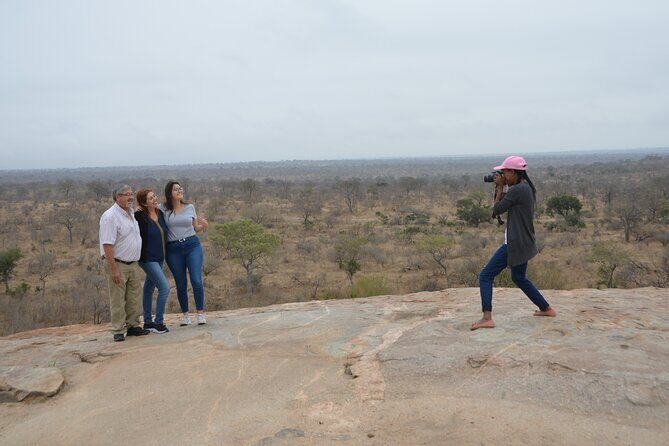
The listed price is $2,164.51 per person for the 7-day experience. Whether it’s a good deal depends on what you’d otherwise pay for if you planned this yourself.
Here’s what you’re effectively getting value for:
- A route that crosses multiple Kruger regions from south to north, instead of staying in one camp bubble
- Multiple open-vehicle game drives including set sunset and morning time blocks
- One night safari with park rangers during the 8:00–10:00 pm window
- Meals included for six breakfasts, six lunches, and six dinners, which reduces daily decision fatigue
- A small-group cap of 20 people, so your experience doesn’t feel like a bus tour
What you need to budget separately is the Kruger daily conservation fees: R484 for internationals and R122 for South Africans. Those fees are the one piece that can surprise people because they’re not baked into the tour price.
Also, remember that some moments are weather-dependent. Day 1’s braai is specifically described as contingent on favorable weather conditions, and the tour notes that it requires good weather overall. If weather is poor, the experience may shift to a different date or refund route.
Who should book this Kruger adventure
This safari fits well if you want:
- A big Kruger coverage in a week, with a south-to-north arc
- A mix of wildlife time plus camp time, so you’re not always “on”
- The chance to do both day drives and a night ranger drive
- A northern day that leans into birdlife at Pafuri, including a closed-vehicle approach
It’s also a solid choice if you like structure. The drives have set windows, meals are planned, and you’ll know what’s coming next most days. That kind of predictability is great for keeping your energy up for spotting.
If you’re the type who gets cranky about long travel days, day 7 is the only big test. Otherwise, the pacing balances active hours with downtime.
Should you book Balanta Imagine Safaris for this 7-day Kruger run
If your goal is to see a lot of Kruger without turning your trip into a logistics project, I’d say yes—this one makes sense. The mix of open-vehicle drives, a ranger-led night safari, and a closed-vehicle far-north day gives you variety across the week, not just more of the same.
I’d only hesitate if conservation fees or weather timing are a concern for your schedule, since those parts sit outside your control. Still, the overall structure is designed to keep the experience rewarding even when nature isn’t cooperating on cue.
FAQ
How long is the Kruger safari?
It’s listed as 7 days (approx.).
Where does the tour start, and when do you end it?
The experience starts in Johannesburg, South Africa, and you’re expected to arrive back in Johannesburg at around 6:30 pm on the final day.
What’s the group size limit?
The maximum group size is 20 travelers.
What vehicles are used during the safari?
Most game viewing is done from an open safari vehicle for scheduled drives, and day 6 is done in a closed vehicle for the Punda Maria to Pafuri area.
Is there a night safari on this trip?
Yes. There’s a night safari game drive with park Rangers scheduled for 8:00 pm to 10:00 pm.
Are meals included?
Meals included are six breakfasts, six lunches, and six dinners.
Are Kruger conservation fees included in the price?
No. Kruger daily conservation fees are not included. The listed amounts are R484 for internationals and R122 for South Africans.
What if weather is bad?
The tour notes it requires good weather. If it’s canceled due to poor weather, you’ll be offered a different date or a full refund.