REVIEW · PRETORIA
Gold Mine, Apartheid Museum and Soweto – “The Big 3”
Book on Viator →Operated by Shane Gouldie · Bookable on Viator
Mining tunnels and memories, in one day. This private Big 3 tour strings together three heavy-hitters in South Africa—Gold Reef City, the Apartheid Museum, and Soweto—so you get the story in one continuous sweep. It runs Thursday to Sunday, and the small group size means you can ask questions instead of just watching through glass.
I really like the way Shane Gouldie sets the tone. He grew up in a mining village, and his father and grandfather worked on a gold mine, so the gold-mining part isn’t just facts—it has family texture. I also like the balance of experiences: underground mining with a gold-pouring demo on one hand, and the Apartheid Museum’s documented reality on the other.
One thing to consider: the big sights are time-consuming and the entry fees add up. The price covers the vehicle, qualified guide, and bottled water, but the Apartheid Museum and mine admission are not included, so you’ll want to budget for R200 + R150 + optional Mandela House entry.
In This Review
- Key highlights you’ll feel on this Big 3 day
- A One-Day Big 3 Route That Actually Makes Connections
- Shane Gouldie: The Mining-Village Storyteller Behind the Day
- Stop 1: Gold Reef City Village Life, Underground Skip Lift, and Gold Pouring
- Stop 2: The Apartheid Museum and Why It Sticks With You
- Stop 3: Soweto Near Vilakazi Street—Township Life Without the Guesswork
- Stop 4: Mandela House—Enter for History or Photograph and Move On
- Price and What It Really Buys You (Including Entry Fees)
- Timing, Pickup, and How to Prep for a Full Day
- Who Should Book This (and Who Might Skip It)
- Should You Book the Big 3 Tour?
- FAQ
- What does the tour include?
- What’s the total duration of the Big 3 day tour?
- Is pickup included?
- Which admission fees are not included?
- How many people are in the group?
- When is the tour available?
Key highlights you’ll feel on this Big 3 day
- Small-group private tour (max 3 guests) with time for questions and a real chat with your guide
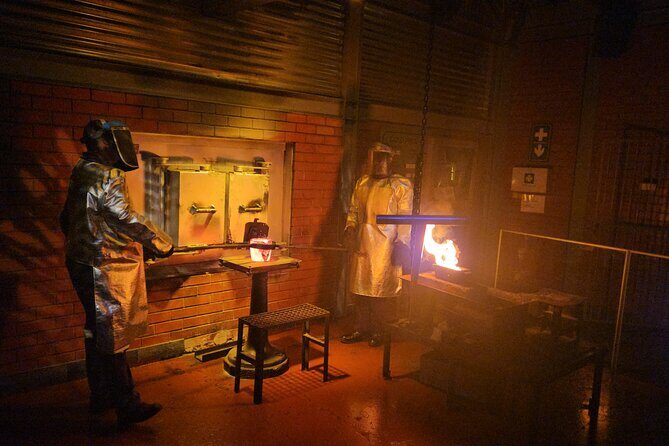
- Underground skip-lift mining at Gold Reef City, plus a gold pouring demonstration
- Apartheid Museum with named figures from the ANC and freedom fighters, including Mandela
- Soweto near Vilakazi Street for a township-life look and time to grab food or drinks
- Mandela House near Desmond Tutu’s area, with a low-pressure choice to enter or just photograph
A One-Day Big 3 Route That Actually Makes Connections
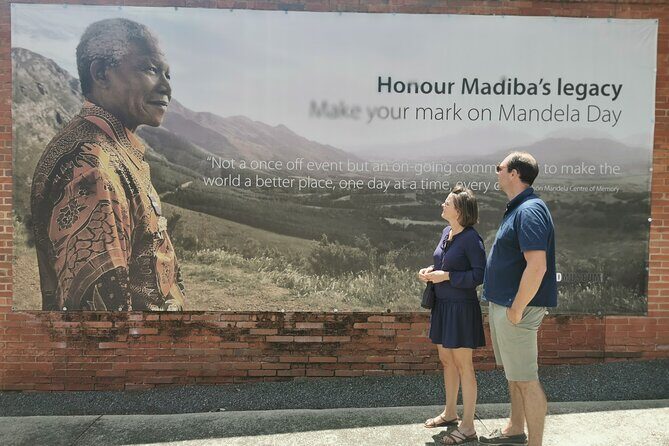
This is the kind of day plan that helps everything click. You start with the industrial engine that shaped wealth and labor in South Africa, then you move into the system that organized power and segregation, and finally you end in Soweto, where the country’s modern identity is impossible to ignore. Done right, that order gives you a cause-and-effect feeling instead of three separate stops.
I like that you’re not rushed between random attractions. The itinerary keeps each stop focused: Gold Reef City for mining life and underground work, the Apartheid Museum for documented history, Soweto for how people live, and Mandela House for a personal anchor to the story.
And because it’s a private tour (only your group), you can match the pace to your comfort. If you want more questions, you can ask them. If you need a breather after a heavy exhibit, your guide can pace the day.
You can also read our reviews of more museum experiences in Pretoria
Shane Gouldie: The Mining-Village Storyteller Behind the Day
Your experience runs through your guide, Shane Gouldie, and his background matters. He’s local, grew up in a mining village, and has a personal link to the work—his father and grandfather both worked on a gold mine. That gives you a different kind of tour voice. It’s not just dates and terminology; it’s lived context.
The reviews you’ll see for this tour highlight how much Shane cares about the place and how deep his knowledge comes through in everyday conversation. You’re also getting more than museum commentary. He’ll share his perspective on South Africa’s transitions, which can help you understand why the museum content lands the way it does.
With a max of three guests, the day feels less like a bus ride and more like a guided day out. It’s also practical: the guide can adjust questions, photo stops, and timing so the day doesn’t feel like a checklist.
Stop 1: Gold Reef City Village Life, Underground Skip Lift, and Gold Pouring
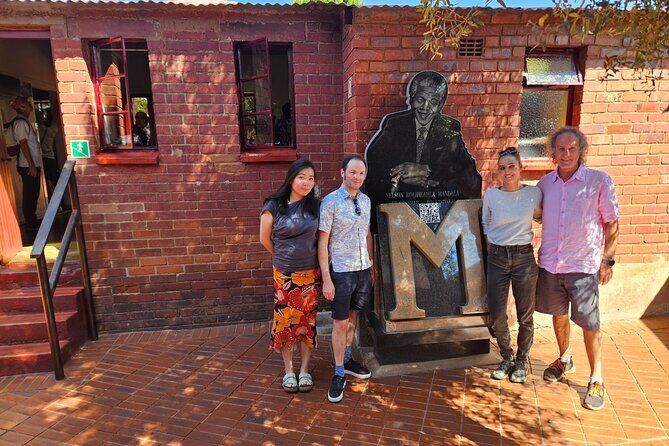
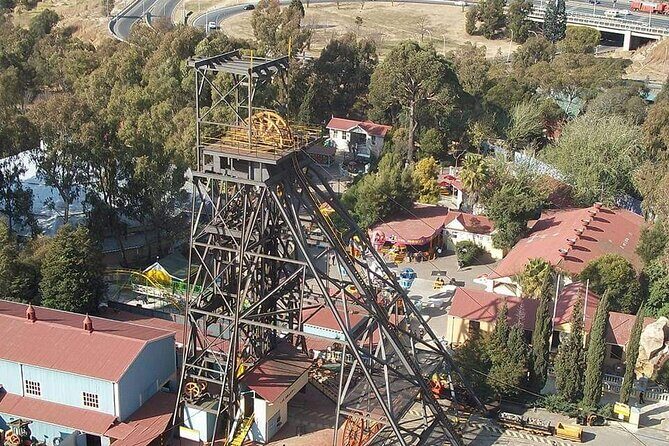
Gold Reef City is where the tour turns physical. You begin with a short video about the history of gold mining in South Africa. It’s a useful start because it frames what you’re about to see underground—who worked, what the work involved, and why the mining industry mattered so much.
Next comes the gold mine village section. You’ll visit a General Manager house and then some of the smaller houses and outbuildings. That contrast helps you see how mining shaped everyday living, not just industrial production. It’s one of those visuals that makes abstract inequality feel real.
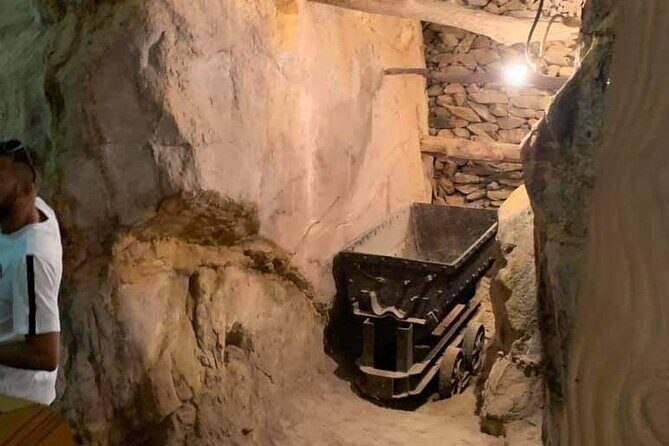
Then you go underground on a skip, basically a lift system used for mining. This is the part you’ll remember because it’s hands-on and it changes your sense of scale. Being underground in a working-style environment (even as a tourist visit) makes it easier to grasp the danger and effort behind the industry.
Finally, there’s a gold pouring demonstration. That’s the payoff moment where the story moves from hardship to outcome. Even if you’re not a “science” person, seeing gold being poured gives you a concrete end point to the history you learned earlier.
Time note: Stop 1 is about two hours, and admission is not included in the base price. So factor that into your budget and expect to spend the time there rather than just passing through.
Stop 2: The Apartheid Museum and Why It Sticks With You
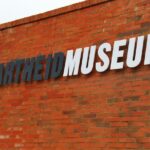
The Apartheid Museum is the emotional and intellectual anchor of the day. This is South Africa’s most popular museum visit, and it’s easy to see why: it’s structured like a serious historical tour, and it focuses on how apartheid worked through both systems and lived experiences.
You’ll see profiles of major ANC leaders and freedom fighters, including Nelson Mandela. You’ll also encounter military material and documentation of atrocities. The effect is meant to last. If you’re the type who likes to process things slowly, give yourself a moment after you leave.
One reason I think this stop is so valuable is its ability to connect. When you’ve just spent time learning about how labor and power were shaped by mining life, the museum helps you understand how the country organized control at a deeper level. The museum can feel intense, but that intensity is part of the purpose.
Time note: Stop 2 runs about two hours, and admission is not included. This is a stop where you may want to pause between sections to take notes or reflect, especially if the themes feel heavy.
Stop 3: Soweto Near Vilakazi Street—Township Life Without the Guesswork
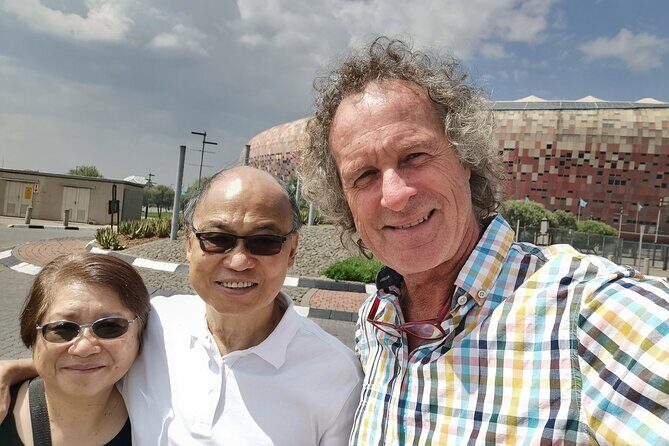
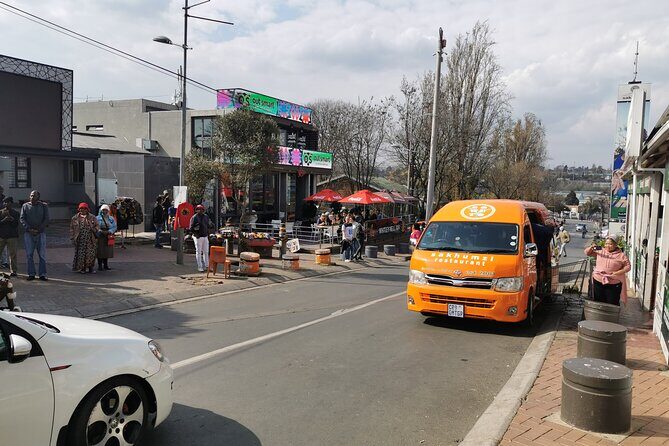
After the museum, the tour shifts from documented history into everyday reality. You’ll drive to Soweto and take a tour close to Vilakazi Street, which is known as a key area in the township.
Here, the goal isn’t “sightseeing” in the usual sense. It’s seeing how people live and getting a sense of the neighborhood pattern. You’re given a tour around the area near Vilakazi Street, and then you stop there so you can have something to eat or drink.
I like that Vilakazi Street time is built into the plan. It gives you a chance to reset your brain after the museum and to experience the township in a normal, human way. You’re not just walking past buildings; you can stop, grab a snack, and watch day-to-day life unfold around you.
Time note: Stop 3 is about one hour, and admission is free. The time is short, so if you want a longer Soweto experience, you’d likely need an additional day or a separate tour. But for a one-day “Big 3,” it’s a smart dose.




Stop 4: Mandela House—Enter for History or Photograph and Move On
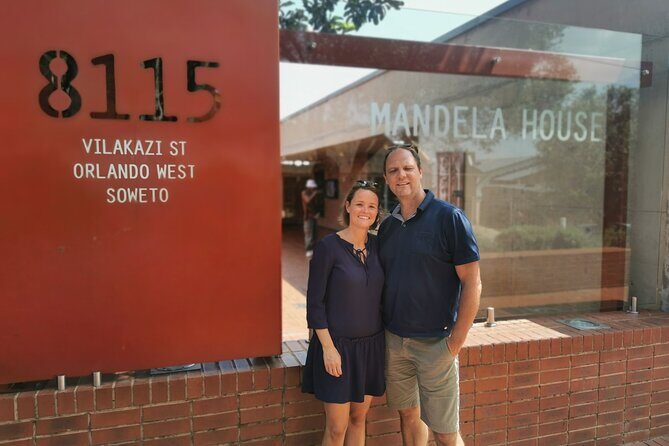
The final stop is Mandela House, and it’s placed in a meaningful setting. Your visit includes time to either go inside or simply see it from the outside and take photos. Mandela House is down the road from Archbishop Desmond Tutu’s area, so the neighborhood itself has symbolic weight.
You’ll have an option:
- Entry to go inside is R110
- If you choose not to enter, you can still view it from outside and photograph
If you enjoy museum-style learning, I’d lean toward entering because you’ve already built context through the mine history and the Apartheid Museum. By the time you arrive at Mandela House, you’re ready to put a human face and a personal environment to the broader political story you’ve been reading with your eyes all day.
If you’re feeling museum fatigue, photographing from outside is a reasonable fallback. You still get the anchor point—Mandela’s home and the sense of place—without adding another long indoor block.
Time note: Stop 4 is about one hour, and entry fees are not included unless you pay on-site for Mandela House admission.
Price and What It Really Buys You (Including Entry Fees)
At $62.66 per person, this tour sounds like a steal until you check the entry list. Here’s the reality: the base price covers the air-conditioned vehicle, a qualified guide, and bottled water, but you pay the major admissions separately.
Based on the fees listed:
- Gold Reef City admission: R200
- Apartheid Museum admission: R150
- Mandela House: R110 to enter (or view from outside, with a photo stop)
That means your total day cost depends on how many sites you enter. The mine and Apartheid Museum are core, and those are the two biggest ticket items. Mandela House is optional, and you can decide based on energy and interest.
What makes the pricing feel reasonable is the private structure. You’re not splitting a vehicle with a large crowd of strangers, and the guide’s time is focused on your group of up to three. Also, the guided storytelling reduces the chance of wasting time. Instead of figuring out what’s most important on your own, you’re learning the “why” as you go.
One practical detail: coffee and tea are not included. You do have time to get food or drinks in Soweto near Vilakazi Street, but you’ll want to budget for refreshments beyond the bottled water.
Timing, Pickup, and How to Prep for a Full Day
This tour typically runs 6 to 8 hours, and it’s only available Thursday to Sunday. That’s long enough to feel like a real day out, but you should plan it as your full-focus activity, not a side quest.
Pickup is offered, and it’s near public transportation. In plain terms: you can expect an organized start, but you should still confirm the exact pickup details ahead of time so you don’t lose minutes.
Because most of your day is inside attractions with strong content and structured visits, you’ll want to dress for comfort. Wear shoes you can stand in for stretches, and bring something light for air-conditioned spaces and cooler interiors underground-adjacent environments.
Also, bring a payment method for entrance fees. Since the mine, museum, and Mandela House admissions are not included, you’ll want to have the local currency available when you reach each stop.
Who Should Book This (and Who Might Skip It)
This tour makes a lot of sense if you want a one-day snapshot with guided context. I’d especially recommend it if you like your history taught through place—mining village structures, museum rooms with real documentation, and Soweto’s neighborhoods tied to specific landmarks.
It also fits well for people who appreciate small groups. When your guide is Shane Gouldie and he’s open to a personal chat about South Africa’s history and transitions, the private format adds real value.
If you’re the type who wants a slower, deeper Soweto exploration, you might find one hour near Vilakazi Street a short visit. In that case, you could still book the Big 3 day, but mentally plan to treat Soweto as a first look rather than a full exploration.
And if you know you strongly dislike intense museum content, the Apartheid Museum may feel like a lot. The museum is professional and well done, but it’s also heavy. You can’t really “lighten” that part of the day.
Should You Book the Big 3 Tour?
Yes, I’d book it if you want a guided day that connects three themes: industry, oppression, and everyday life. The standout reason to choose this version is the human storytelling from Shane Gouldie—especially his mining-family background—which makes the Gold Reef City stop feel more grounded and the day overall feel less like separate attractions.
I’d also book it if you like efficient planning. In one outing you get the underground experience, the most important apartheid narrative space, and a Soweto neighborhood walk plus the option to visit Mandela House. For first-timers in the region, that combination gives you a “map of meaning” that’s hard to recreate on your own.
Book it with one clear mindset: this is a serious day. You’ll see joy in daily life, and you’ll also face difficult history. If you’re okay with that, the Big 3 format is one of the most practical ways to understand South Africa in a single long day.
FAQ
What does the tour include?
The tour includes an air-conditioned vehicle, a qualified guide, and bottled water.
What’s the total duration of the Big 3 day tour?
The tour runs about 6 to 8 hours.
Is pickup included?
Pickup is offered.
Which admission fees are not included?
Gold Reef City admission, Apartheid Museum admission, and Mandela House entry (if you choose to go inside) are not included in the base price. The listed fees are R200, R150, and R110 respectively.
How many people are in the group?
This is a private tour with a maximum of three guests.
When is the tour available?
This tour is only available Thursday to Sunday.