REVIEW · JOHANNESBURG
Half Day Private Soweto and Apartheid Museum tour
Book on GetYourGuide →Operated by Thiya Tours and Safaris · Bookable on GetYourGuide
One sentence can change how you see a city. This private Soweto and Apartheid Museum half-day in Gauteng pairs township storytelling with a guided museum visit that explains the rise and fall of segregation and oppression, then gives you space to absorb what you’ve seen. I love how the tour balances everyday Soweto cultural heritage with the hard truths of apartheid, and I also like the way the museum tour is led by an English-speaking guide who keeps the story clear, not vague.
The main drawback is planning around value: at $104 per person, it’s pricey for South Africa, so you’ll want to confirm what’s covered for museum entry and any add-ons (the info you’re given doesn’t list ticket charges under Included).
In This Review
- Key takeaways before you go
- Why Pair Soweto Streets With the Apartheid Museum?
- The Half-Day Reality: What 5 Hours Really Means
- Soweto Stops: Two Nobel Laureates and the Township’s Story
- Meeting Locals Through Your Guide’s Lens
- The Apartheid Museum: Learning the System, Then Processing It
- Price and Logistics: Getting Value Without Surprise Costs
- What Makes This Tour Feel Like More Than a Drive-By
- Practical Tips That Keep the Day Smooth
- Who This Tour Fits Best (and Who Might Prefer Something Else)
- Should You Book Thiya Tours and Safaris?
- FAQ
- How long is the Half Day Private Soweto and Apartheid Museum tour?
- Is this tour private or shared?
- What language is the guide?
- What’s included in the price?
- Is lunch included?
- What do I need to provide before the tour?
- Is the tour wheelchair accessible?
- Can I cancel for a refund?
Key takeaways before you go
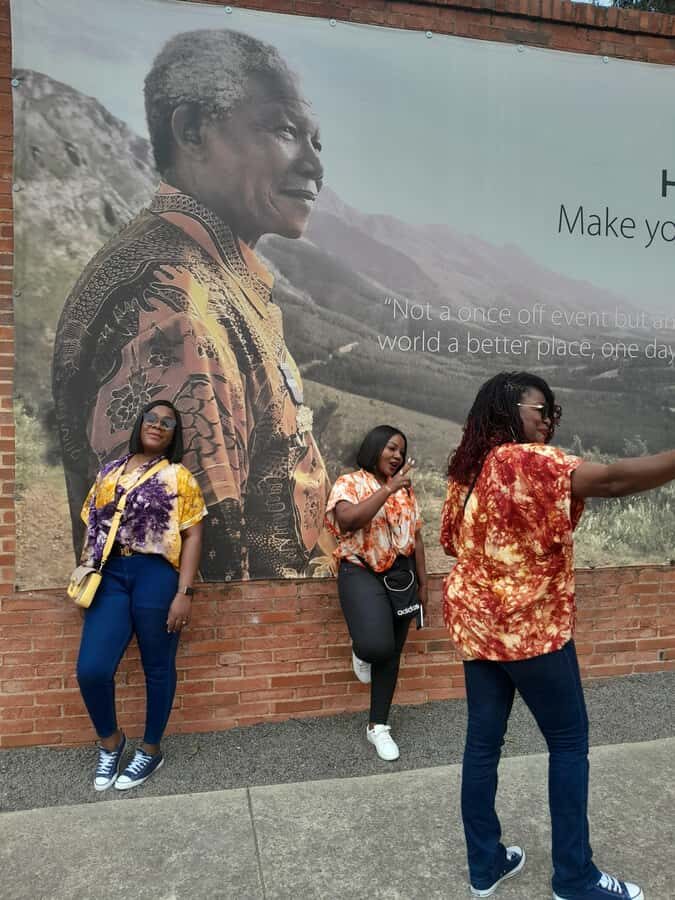
- Private, 5-hour format that fits a tight Johannesburg schedule without feeling rushed everywhere
- Soweto stops tied to the township’s role in resisting apartheid and shaping South Africa’s path forward
- English-speaking guides with strong storytelling skills (I’ve seen guides named Peter, Makhado, Tshedza, and Coster)
- Guided Apartheid Museum tour plus time set aside to reflect on difficult material
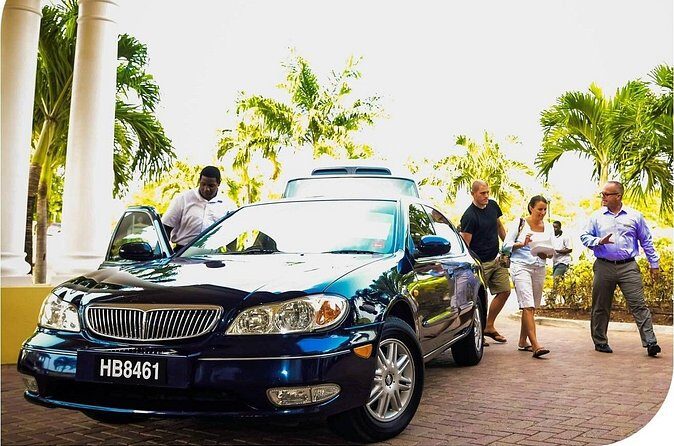
- Pickup and drop-off via an A/C vehicle, plus bottled water to keep the day comfortable
Why Pair Soweto Streets With the Apartheid Museum?
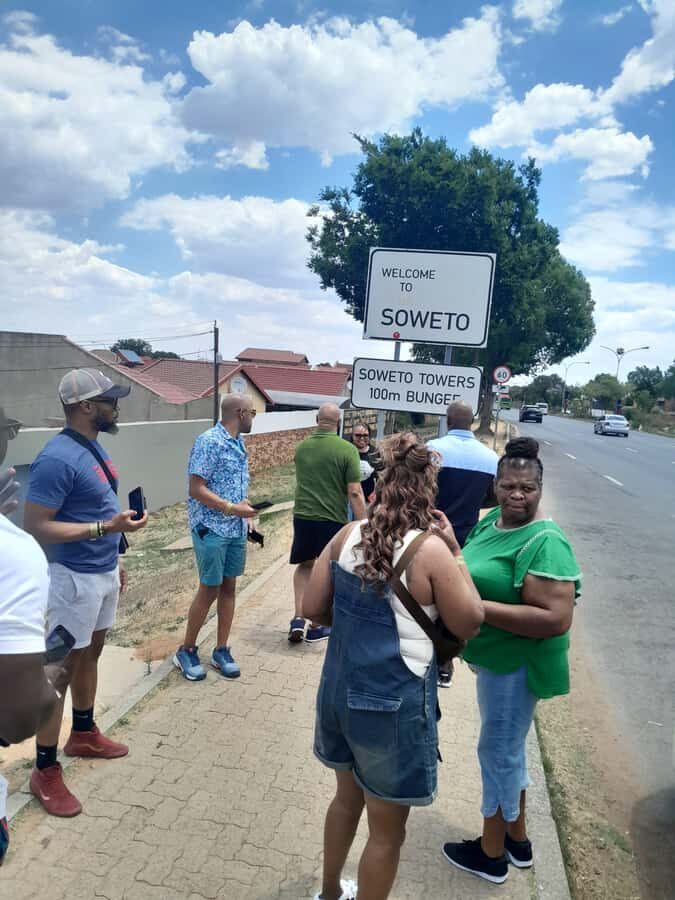
Soweto and the Apartheid Museum work best when you do them in the same trip. In Soweto, you’re in the neighborhoods where apartheid-era policies weren’t just theory—they shaped daily life. At the museum, you step into the larger timeline: how segregation hardened, how resistance grew, and how the system eventually collapsed.
I like that the day doesn’t treat the museum as the whole story. You get township context first, so museum exhibits land with more weight. It’s the difference between reading about a battle and visiting the ground where it happened.
You can also read our reviews of more private tours in Johannesburg


The Half-Day Reality: What 5 Hours Really Means

This is a 5-hour private outing with hotel pickup and drop-off. That duration is long enough to see several Soweto-related sites and still make time for a guided museum visit, but it’s short enough that you need to treat it like a focused hit, not a slow wander.
Because it’s private, you’re not stuck in a big group shuffle. You can move at the pace your guide sets, and you’re more likely to get direct answers. You’ll also ride in an air-conditioned vehicle, with bottled water included, which helps when you’re doing this as part of a longer day in Johannesburg.
One thing to plan around: lunch isn’t included. If you go in hungry, you’ll feel that gap more than you would on a tour that includes a meal. Eat before pickup or plan to grab something right after you’re dropped off.
Soweto Stops: Two Nobel Laureates and the Township’s Story

Soweto is not just a place on the map—it’s a central chapter in South Africa’s apartheid-era resistance. The tour is designed around multiple township sites that tell parts of the tragic story, and also the story of how people fought back and endured.
You’ll also get to see why Soweto is known for more than protest history. The tour aims to show the cultural heritage of South African townships, so you’re not only looking at symbols of suffering. You’re learning how community life, identity, and history sit side-by-side with that painful past.
The tour also notes that Soweto was home to two Nobel Prize laureates. You’ll likely hear how global recognition connects with local struggle—how the world paid attention, and how that attention mattered. (Your guide can point you to the names and context in a way that fits the sites you visit.)
Meeting Locals Through Your Guide’s Lens
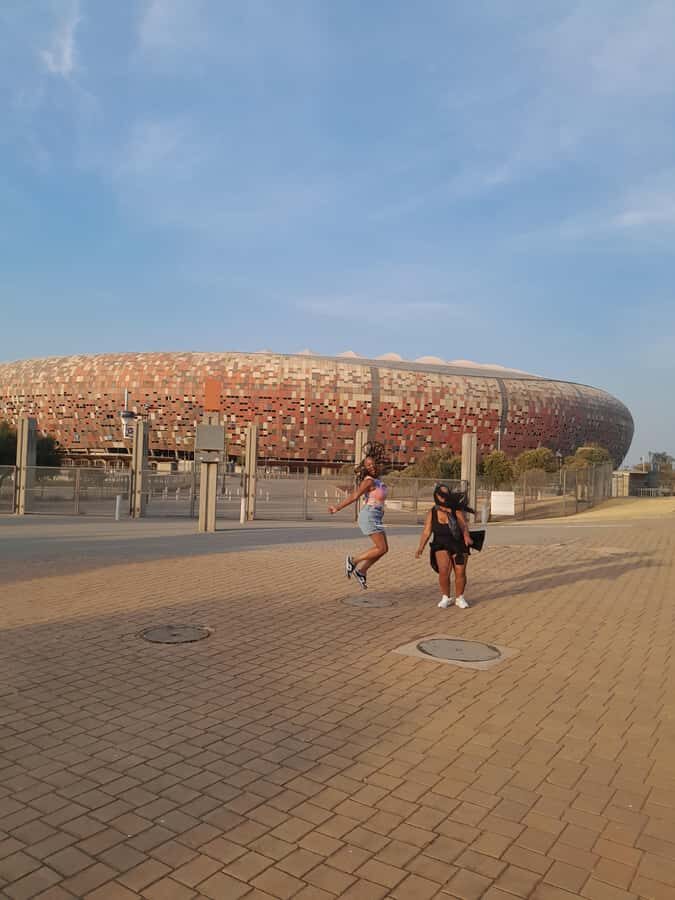
A huge part of making Soweto meaningful is the human angle. This tour is built to connect you with friendly locals and to help you learn from the people and places you visit—not just from facts read off a wall.
In practice, that means your guide’s storytelling style matters a lot. Some guides have a way of making the timeline understandable without turning it into a school lecture. I’ve seen guides like Tshedza praised for balancing history with current affairs and even a little humour, and I’ve heard similarly strong feedback about Coster for story-first explanations. Makhado has also been noted for getting visitors to places they wouldn’t likely find on their own, and Peter has been described as friendly and strong on Johannesburg history while guiding museum time smoothly.
What you should take from this: choose the tour because you want interpretation, not just transportation. A good guide will help you connect the dots between what you see in Soweto and what you face inside the museum.
The Apartheid Museum: Learning the System, Then Processing It
The Apartheid Museum visit is guided and focused on the rise and fall of South Africa’s segregation and oppression. Expect the tour to be structured around an overarching story, so you leave with a clearer mental timeline rather than a list of disconnected exhibits.
You should also know the museum is emotionally heavy. The day is planned with room for you to contemplate what you witnessed inside, process your shock, and then walk away with relief—knowing you’re seeing truth reflected in the place where it mattered and where power was challenged.
That reflection time is not an afterthought. It’s one of the reasons I like this pairing. If you try to do the museum with no context, you might just absorb images. If you do it after Soweto, your brain has extra hooks for understanding why the system worked and why resistance grew.
You can also read our reviews of more museum experiences in Johannesburg



Price and Logistics: Getting Value Without Surprise Costs
At $104 per person for a 5-hour private tour, this isn’t the cheapest option you can find in Johannesburg. You’re paying for a few things that add real value when you’re short on time: private English-speaking guiding, hotel pickup/drop-off, and an A/C vehicle with bottled water.
But here’s the smart part: the tour info lists inclusion items like transport and guide, yet it doesn’t clearly list museum ticket charges under Included. So you’ll want to confirm ahead of time whether Apartheid Museum entry is included in your price.
There’s also a practical lesson from real-world confusion: one visitor reported uncertainty about entry fees and whether Nelson Mandela-related access (like the Mandela house) was part of what they expected. You don’t need to panic—just do one simple thing: ask the operator to spell out exactly which entrances are covered and which are pay-on-arrival.
Lunch isn’t included either. That’s normal for short tours, but it’s worth planning so you don’t feel stuck. If you have the ability, eat early and keep your afternoon open for a meal after the drop-off.
What Makes This Tour Feel Like More Than a Drive-By
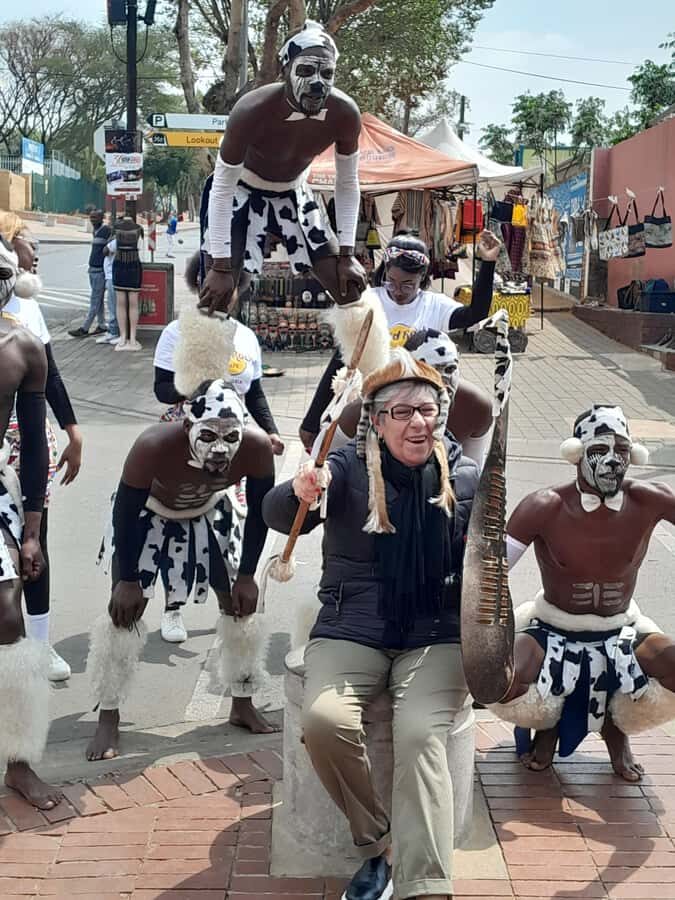
This experience leans toward meaning. The tour isn’t presented as a quick photo stop. It’s designed to help you understand segregation and oppression as lived reality, and to connect that history to the township culture you’re shown in Soweto.
The best versions of this kind of tour tend to share one trait: your guide doesn’t just provide facts—they help you interpret what those facts mean. When guides are praised for storytelling (Tshedza, Coster, Peter, Makhado), that’s usually why. They help you keep perspective while still respecting how difficult the content is.
Also, the tour is explicitly framed around meeting people and learning the local way of seeing history. That’s one reason the Soweto part matters. The museum explains a system; Soweto shows where that system landed.
Practical Tips That Keep the Day Smooth
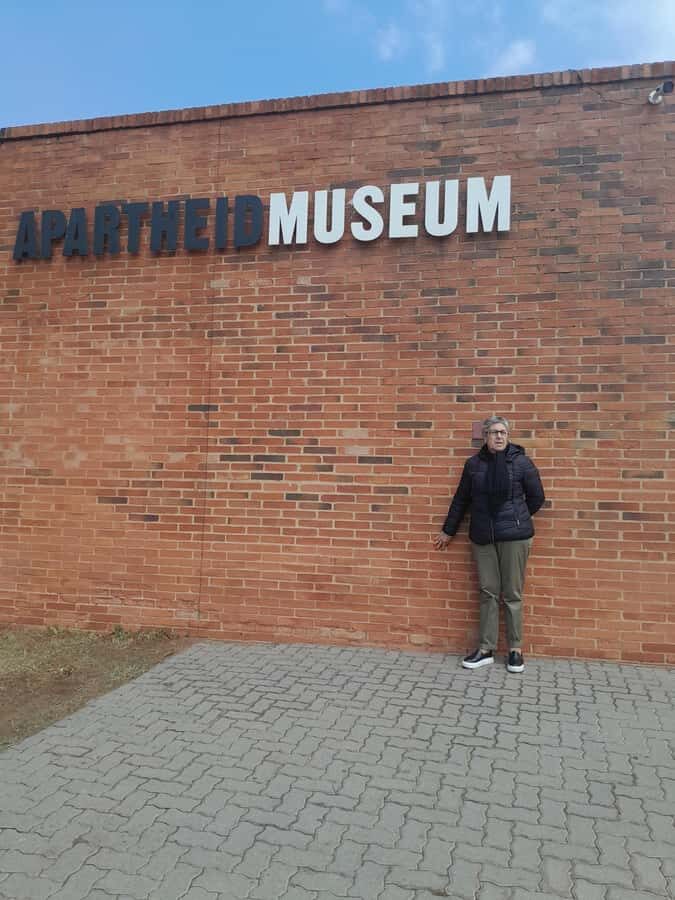
If you want a day like this to go smoothly, focus on a few practical points:
- Send your hotel name for pickup. The operator notes that travelers must provide it. If you forget, pickup can get messy fast.
- Plan for no lunch. Eat before pickup or plan to eat soon after your return.
- Clarify museum entry and any extra sites. The provided info doesn’t list entry fees in Included, so confirm directly.
- Give yourself a little patience. This day can involve coordination across areas of Johannesburg, so a smooth start isn’t guaranteed.
On the comfort side: bottled water is included, and your transport is in an air-conditioned vehicle. For a 5-hour day, those small comforts matter.
Who This Tour Fits Best (and Who Might Prefer Something Else)
This private Soweto and Apartheid Museum tour is a strong fit if you:
- want a guided way to understand apartheid’s timeline and impact
- like history explained clearly, with context you can carry outside the museum
- prefer a private group format with pickup and drop-off
- value interpretation from an English-speaking guide
It’s also listed as wheelchair accessible, which is a big deal for visitors planning a meaningful Johannesburg day without accessibility headaches.
If you’re the kind of traveler who wants total freedom to wander for hours, this may feel structured. The whole point is a focused half-day with set components: Soweto stops, then a guided museum tour, then time to reflect.
Should You Book Thiya Tours and Safaris?
If you’re looking for a private Johannesburg experience that connects Soweto township context to the Apartheid Museum story, I think this is worth serious consideration. The price buys you a guided structure, A/C transport, and an English-speaking guide who can turn what you see into understanding.
My recommendation comes with one condition: don’t assume ticket fees or add-on access are automatically included just because you’re paying a tour price. Confirm museum entry and any other Mandela-related site access (if that’s part of the plan) before the day starts.
If you do that, you’re setting yourself up for exactly what this tour aims to deliver: clear explanations, strong local storytelling, and time to process the heavy material in a respectful way.
FAQ
How long is the Half Day Private Soweto and Apartheid Museum tour?
The tour lasts 5 hours.
Is this tour private or shared?
It’s a private group tour.
What language is the guide?
The guide provides the tour in English.
What’s included in the price?
Included items are air-conditioned vehicle, private transportation, bottled water, an English speaking guide, and pick up and drop off at your hotel.
Is lunch included?
No. Lunch is not included.
What do I need to provide before the tour?
You need to provide the name of your hotel for pickup.
Is the tour wheelchair accessible?
Yes. The activity is listed as wheelchair accessible.
Can I cancel for a refund?
Yes. Free cancellation is available if you cancel up to 24 hours in advance for a full refund.