REVIEW · JOHANNESBURG
Johannesburg Apartheid Museum and Soweto
Book on Viator →Operated by Pure diamond tours · Bookable on Viator
Johannesburg hits you fast, then stays with you. What makes this tour work is the pacing: you start with key Mandela-era landmarks across the city, lock in context at the Apartheid Museum, and then spend time in Soweto’s streets and memorial spaces. I like that it’s structured enough to help you connect the dots without feeling rushed, and I also like that your guide turns the day into a conversation, with Q&A that makes the history easier to hold onto.
The one thing to watch is lunch. The plan includes lunch during the Soweto part of the day, but at least one previous participant said the advertised lunch didn’t happen, so it’s smart to confirm expectations ahead of time.
In This Review
- Quick hits before you go
- Value and pacing: is $60.42 worth a full Johannesburg day?
- Con Hill, Ferreira gold mine, and Mandela landmarks in Johannesburg CBD
- Johannesburg Apartheid Museum: your context anchor
- Soweto in two focused hours: Deepkloof, Orlando Towers, Vilakazi Street
- Hector Pieterson Square: short stop, real emotional impact
- Guide-driven Q&A: why Martin, Albert, and Mark shaped the day
- Getting the most out of the 8-hour format
- Price, tickets, and what’s actually included
- Who this tour is best for (and who should think twice)
- Should you book Johannesburg Apartheid Museum and Soweto?
- FAQ
- How long is the Johannesburg Apartheid Museum and Soweto experience?
- How much does the tour cost?
- Are tickets included for the Apartheid Museum?
- Is pickup offered, and where is the meeting point?
- Is this tour private?
- Is lunch included?
- What should I know about cancellations and weather?
- What fitness level is needed?
Quick hits before you go
- Mandela landmarks first: You’ll see sites like Mandela’s office and Mandela’s bridge early, so the museum feels less abstract.
- Apartheid Museum time is protected: Museum admission is included, with about two hours to take it in without sprinting.
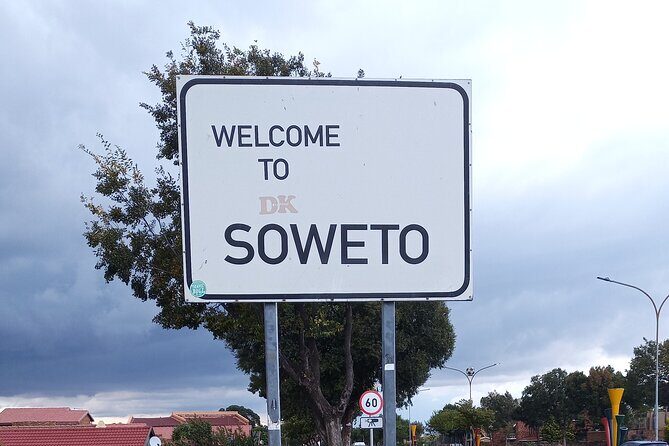
- Soweto stops with clear focus: Deepkloof, Orlando Towers, Vilakazi Street, and Hector Pieterson Square are all part of the same story arc.
- Private-group feel: Only your group joins, which usually makes questions and adjustments easier.
- Guides make or break the day: Past guides like Martin, Albert, and Mark are praised for safety, timing, and answering questions well.
Value and pacing: is $60.42 worth a full Johannesburg day?
At about $60.42 per person for roughly 8 hours, this tour sits in the “serious day, not a half-week project” category. You’re paying for more than transport—you’re paying for guided interpretation that helps you connect three layers of place:
1) Johannesburg’s city landmarks tied to Mandela’s story,
2) the Apartheid Museum as your framework for what you’re seeing, and
3) Soweto’s everyday geography and memorial sites.
That structure is the value. A self-guided day could be cheaper, but it’s harder to know what matters most, what to notice, and how to piece it together. Here, the guide’s job is to make the day make sense, and the reviews put that at the center of the experience.
You also get practical perks: pickup is offered, and it’s set up as a private tour/activity, meaning it’s tailored to your group instead of a crowded free-for-all. If you want a day that covers a lot without feeling like you’re speed-running tragedy, this format is a good fit.
You can also read our reviews of more museum experiences in Johannesburg

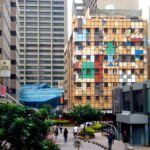
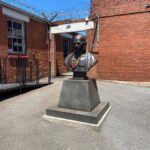
Con Hill, Ferreira gold mine, and Mandela landmarks in Johannesburg CBD
Your day starts in the Johannesburg area, with pickup arranged around 1217 Olifantsfontein Rd, Olifantsfontein 410-JR, Thembisa, 1683. From there, you’ll move through a mix of viewpoints and major points tied to Nelson Mandela’s era—plus the Johannesburg CBD.
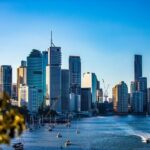
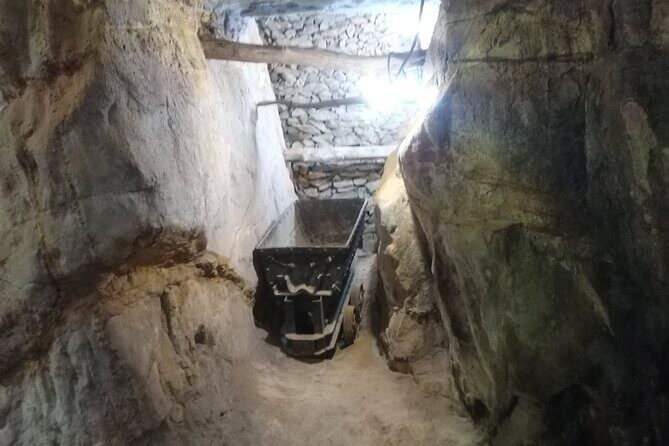
The stops you should expect in this opening stretch include Con Hill, the old Ferreira gold mine, Mandela’s office, Mandela’s bridge, and time in/near the Johannesburg CBD. Two hours here can sound tight, but the goal is not to “tour Johannesburg.” It’s to get you oriented and grounded in the geography of modern J’burg and the landmarks that connect to the Mandela story.
Why I think this matters:
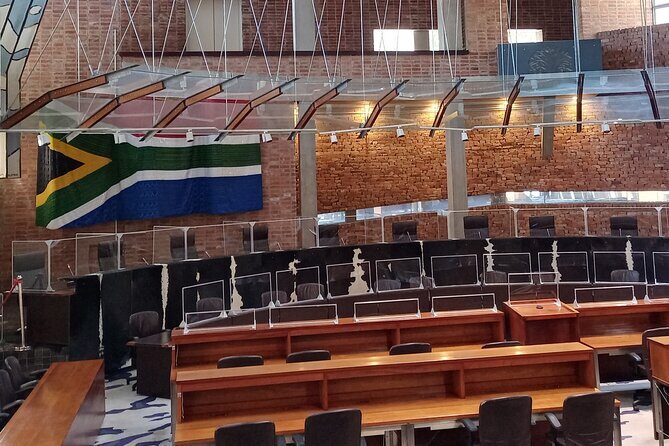
- Con Hill helps frame how the city connects to incarceration and power in the apartheid era.
- The old Ferreira gold mine points to how the economy and labor system shaped daily life and inequality.
- Mandela’s office and Mandela’s bridge give you physical reference points before you hit the museum, which makes the museum content easier to follow when you see related themes.
Practical note: this section is “seeing lots of named places,” so come prepared to walk a moderate amount and keep your camera ready. If you’re the type who likes to read every sign, you may want to ask your guide what to prioritize so your time stays useful.
Johannesburg Apartheid Museum: your context anchor
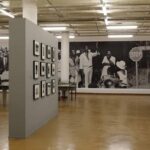
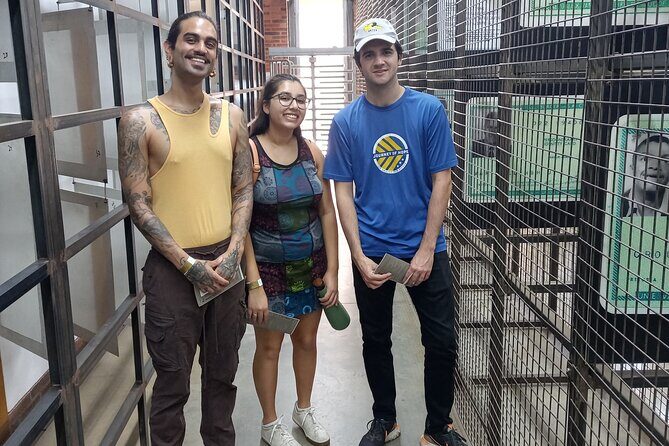
This is the core of the day. You’ll spend around two hours at the Apartheid Museum, with admission included. The museum time is where the tour earns its keep: it’s where you translate what you saw outside—city landmarks and Mandela-related sites—into a clearer understanding of the system that governed apartheid, and how Johannesburg’s history connects to it.
The museum segment is also where your guide’s role tends to become most noticeable. Good guiding here isn’t just reciting dates. It’s pointing you toward what to focus on and helping you understand how the museum’s themes connect to what you’ll see later in Soweto.
A balanced way to approach the museum:
- Don’t try to absorb everything at once. Aim to understand how the pieces relate: political control, social life, and the long arc that led to change.
- Keep a couple of questions in mind before you go in. For example: what were the daily impacts, and how did resistance shape what people could do?
Time matters. Two hours is enough to get the big ideas if you move with intention. If you’re slower paced and want to read everything cover-to-cover, you might need more time than you’ll get here—but the guide and the overall day structure are built to keep you moving.
Soweto in two focused hours: Deepkloof, Orlando Towers, Vilakazi Street
After the museum, you head to Soweto for another two-hour block. The stops listed for this part include Deepkloof, Orlando Towers, Vilakazi Street, and lunch (with the stop tied into the Soweto segment).
Here’s how this portion feels when it’s working well: it gives you a sense of place—what Soweto looks and feels like—without trying to make it a full-day neighborhood exploration. That’s valuable if you’re on limited time and still want real context.
What you’ll likely get from each stop:
- Deepkloof: a local neighborhood reference point that helps you understand everyday Soweto beyond the headlines.
- Orlando Towers: a major visual landmark, often tied to how the built environment reflects history and policy.
- Vilakazi Street: a street-level stop that can help you grasp the cultural and historical weight of everyday life in Soweto.
- Lunch: a practical reset in the middle of the day.
One consideration: lunch. The tour plan includes lunch during the Soweto portion, but one review noted the lunch didn’t happen as advertised. If food timing matters to you, send a message ahead and confirm what’s included, what time lunch happens, and whether it’s guaranteed.
Hector Pieterson Square: short stop, real emotional impact
Your Soweto time also includes Hector Pieterson Square. This is one of those places where the value isn’t in the number of minutes—it’s in what the site represents. Even without turning it into a “speech,” your guide can help you understand why it’s remembered and how it fits into the bigger history you’ve just studied at the museum.
Because this stop is memorial-focused, I recommend treating it with a slower pace than the rest of the day. Keep your voice low, take a moment to look, and ask your guide what detail is most important to notice here. If you’ve been wondering how history connects to real people, this is where it often clicks.



Guide-driven Q&A: why Martin, Albert, and Mark shaped the day
You’ll get the most out of this tour if your guide is strong—and the reviews give you good reason to expect that. Names that come up in feedback include Martin, Albert, and Mark, plus a driver praised for friendliness and knowledge.
Here’s what the highest-praise guides seem to do:
- Make history understandable, not just narrated. One participant specifically highlighted that Martin answered questions well and kept the day engaging.
- Keep you comfortable and safe through the full day. Another review stressed comfort and safety, with smooth timing.
- Stay adaptable. Albert is described as cordial and adaptable about plans, even on the day itself.
One practical tip from the reviews: if you want everything tight, message and schedule a call well ahead so the details are clear. On a day with multiple named landmarks, good pre-alignment reduces the chance of confusion about timing or expectations.
Also, don’t underestimate the simple power of punctuality here. A guide who gets you to stops on time helps you keep the rhythm of the day: Johannesburg landmarks → museum anchor → Soweto context → memorial stop. When timing slips, the emotional and educational value can shrink.
Getting the most out of the 8-hour format
A day that’s planned for about eight hours means you’ll be moving. It’s not a “sit on a bench and contemplate” tour. You should expect some walking and standing at each stop, and you’ll benefit from shoes you can rely on.
The tour notes moderate physical fitness for participants, so you don’t need to be an athlete. But you should be comfortable with uneven streets and short walks between points.
Weather matters too. The experience notes a good weather requirement. If weather turns, you can be offered a different date or a full refund, so build flexibility into your schedule.
A few practical suggestions that match how this day actually plays:
- Bring a water bottle and keep it accessible.
- Wear sun protection if it’s bright.
- Have a light layer if evenings turn cooler.
- Keep some questions ready for your guide while you’re on the move, not only during museum time.
Price, tickets, and what’s actually included
Here’s the part that helps you judge value quickly:
- Apartheid Museum admission is included.
- Other admissions are listed as free, including the Johannesburg city component and the Soweto part.
- The overall price covers the guided day, transportation (with pickup offered), and a structured routing that connects the sites.
For many travelers, museum admission alone can feel like the “real spend,” so having it included reduces decision fatigue. The bigger value, though, is how the tour builds the day around the museum and then uses Soweto to give you real-world place context.
At $60.42 per person, it’s priced for a serious cultural day without being out of reach for a single-day budget. If you’re considering doing this in pieces by taxi and independent museum time, factor in the cost and headache of coordinating transport and making sure you’re seeing the sites that add up to a coherent story.
Who this tour is best for (and who should think twice)
This tour is a strong match if you want:
- a single-day introduction to Johannesburg and Soweto focused on apartheid-era understanding,
- a guided approach with Q&A and clear interpretation,
- a route that includes major Mandela-linked landmarks, the Apartheid Museum, and key Soweto sites.
It’s especially good for first-time visitors who don’t want to guess what to prioritize.
Think twice if:
- you need guaranteed lunch to be part of your schedule with no exceptions, since lunch is listed but there’s a reported mismatch in at least one experience,
- you’re very sensitive to walking time, since the day is active and requires moderate fitness.
Should you book Johannesburg Apartheid Museum and Soweto?
Yes, you should book if you want a guided, structured day that helps you understand apartheid-era Johannesburg in a way that stays connected from start to finish. The strongest reasons to go are the focus on the Apartheid Museum with included admission, the Mandela landmark setup that makes the museum easier to process, and the guide styles praised for timing, safety, and Q&A.
Just do two things to avoid disappointment: confirm lunch expectations ahead of time, and reach out in advance so your guide has time to line up the day details clearly. If you handle those two items, this is a high-value way to see a lot without losing the thread.
FAQ
How long is the Johannesburg Apartheid Museum and Soweto experience?
It runs for about 8 hours.
How much does the tour cost?
The price is $60.42 per person.
Are tickets included for the Apartheid Museum?
Yes. Admission to the Apartheid Museum is included. Other admissions for the city and Soweto portions are listed as free.
Is pickup offered, and where is the meeting point?
Pickup is offered. The meeting point listed is 1217 Olifantsfontein Rd, Olifantsfontein 410-JR, Thembisa, 1683, South Africa, and the tour ends back at the meeting point.
Is this tour private?
Yes. It’s a private tour/activity, and only your group participates.
Is lunch included?
Lunch is listed as part of the Soweto portion. One review noted that the advertised lunch did not occur, so it’s worth confirming what to expect ahead of time.
What should I know about cancellations and weather?
You can cancel for a full refund up to 24 hours in advance. The experience requires good weather; if it’s canceled due to poor weather, you’ll be offered a different date or a full refund.
What fitness level is needed?
The tour notes a moderate physical fitness level.