REVIEW · JOHANNESBURG
Johannesburg: Mandela Legacy Day Tour
Book on GetYourGuide →Operated by Africa Moja Tours & Safaris · Bookable on GetYourGuide
Mandela’s story starts in everyday Johannesburg. This 9-hour Mandela Legacy Day Tour strings together key sites where you can see the man behind the title, from a safe house in the 1960s to the places tied to his imprisonment and release. I like that the route is structured, so you leave with a clear timeline, not just scattered facts. I also love the physical details—original items connected to Mandela, plus the museum stops that explain what those places meant.
You’ll be moving through several significant locations with a live English guide, entry fees included, and an audio guide option in English. One possible drawback: food isn’t included, so plan for a snack plan of your own and wear comfortable shoes for a long day on your feet.
In This Review
- Key things to know before you go
- Liliesleaf Farm to Mandela Foundation: starting with the hidden places
- Mandela’s briefcase and Nobel medal: why the artifacts hit harder than photos
- Constitutional Hill prisons: learning the names behind the bars
- Chancellor House in Ferreirasdorp: the legal work people forget
- Mandela House (1946–1962) and the return after 1990
- Apartheid Museum exhibitions: turning places into understanding
- Price and value for a $183, 9-hour guided day
- Who this tour suits best (and who should skip it)
- Getting the most out of the day
- Should you book the Johannesburg Mandela Legacy Day Tour?
- FAQ
- How long is the Johannesburg Mandela Legacy Day Tour?
- What does the price include?
- Is food included?
- What languages are available?
- What should I bring?
- Is the tour suitable for everyone?
- What are the main stops on the tour?
- What are the cancellation and payment options?
Key things to know before you go
- Liliesleaf Farm starts the story at a real safe house used by the ANC in the 1960s.
- The Mandela Foundation is about objects and offices, including original items such as Mandela’s briefcase and Nobel Prize medal.
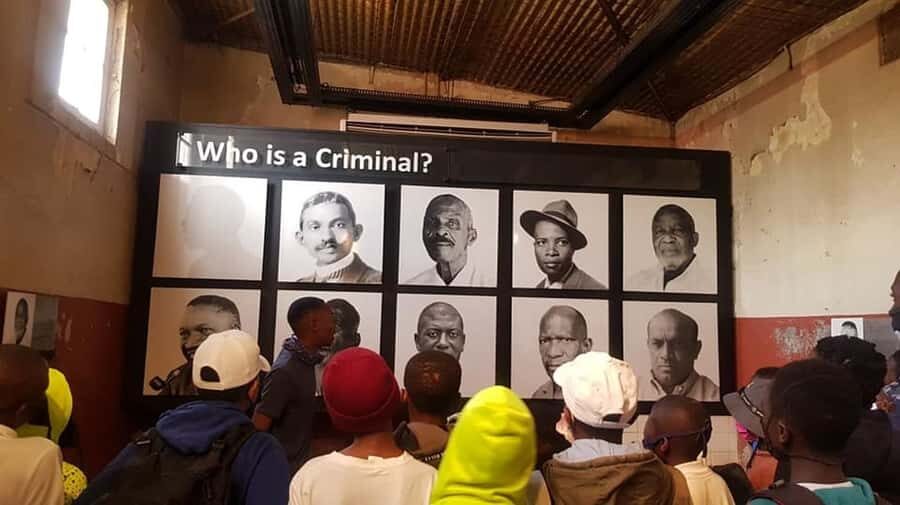
- Constitutional Hill connects people, not just dates, with names like Mandela, Gandhi, Winnie Madikizela, and Joe Slovo tied to imprisonment.
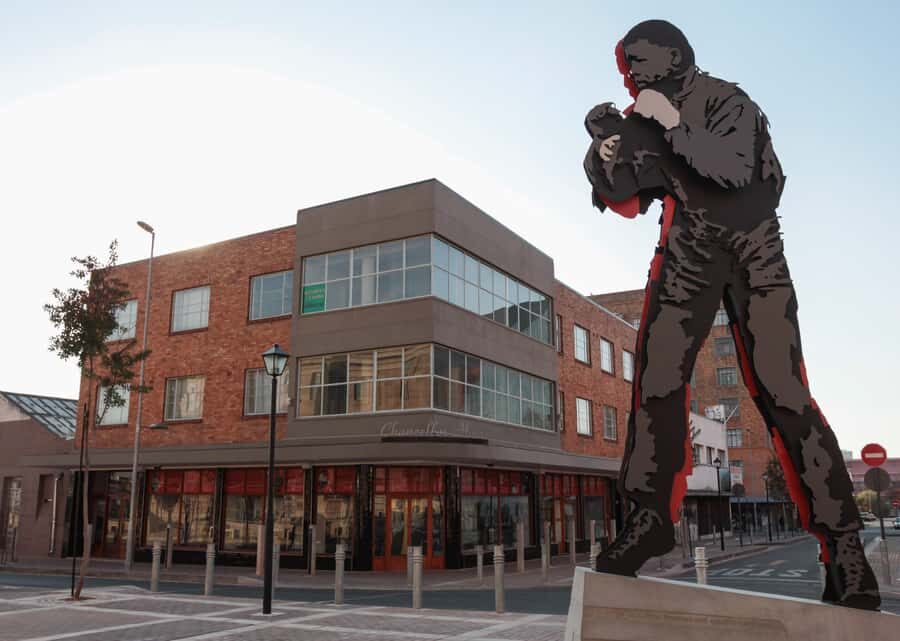
- Chancellor House adds legal history, once home to Mandela and Oliver Tambo’s first black law firm, in a three-story building in Ferreirasdorp.
- The day ends at the Apartheid Museum, where the exhibitions help you put everything into broader context.
Liliesleaf Farm to Mandela Foundation: starting with the hidden places
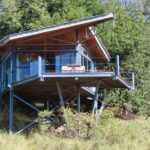
Most “Mandela tours” jump straight to big monuments. This one begins with something quieter but powerful: Liliesleaf Farm, in northern Johannesburg. You’re shown a site used in the 1960s as a safe house for the African National Congress, which immediately changes how you picture activism. Instead of thinking only about speeches and slogans, you start thinking about secrecy, planning, and risk.
Then the tour moves to the Nelson Mandela Foundation, described as the last offices Mandela occupied before his passing. That matters, because it’s not just a stop that looks historic from the outside—it’s a place that connects the later life of a leader to the work and priorities that came before. The pace here is usually steady: you’re traveling, stopping, listening, and absorbing, with enough time to focus on the meaning of what you see.
Practical note: the day is scheduled around multiple locations, so you’ll want to keep your energy up. Bottled water is included, and you’ll appreciate that when the stops involve a bit of standing and walking.
You can also read our reviews of more tours and experiences in Johannesburg.


Mandela’s briefcase and Nobel medal: why the artifacts hit harder than photos
One of the most compelling parts is what the Mandela Foundation puts in front of you. You get to see original pieces of history associated with Mandela, including his briefcase, his Nobel Prize medal, and his Xhosa mountain attire.
Here’s why I think this works so well: artifacts anchor a story you might otherwise treat like a distant biography. When you look at personal items, you’re forced to imagine an individual life with texture—belongings, clothing, and tools—rather than a headline figure. Even if you’ve read about Mandela before, seeing items tied to him makes the timeline feel more human.
This is also where a strong guide makes a real difference. Some groups have had guides like Richard, praised for being organized and for sharing lots of information in a way that keeps you engaged. On a day like this, organization isn’t boring—it’s what stops the story from turning into a blur of locations.
If you want a second layer, there’s also an English audio guide included. That can be handy when you’re standing in a gallery and want to pause, re-listen, or focus on a specific label without feeling rushed.
Constitutional Hill prisons: learning the names behind the bars
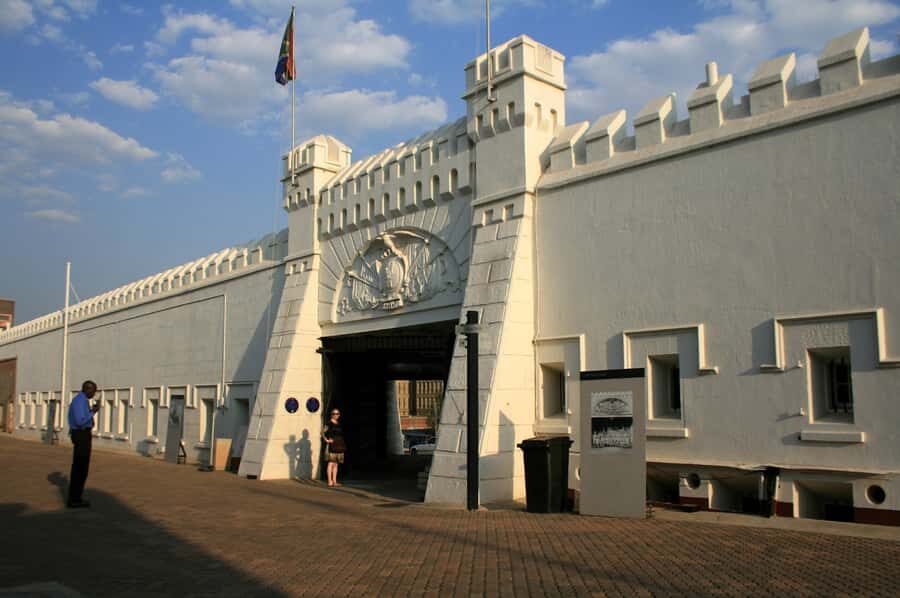
After Liliesleaf Farm and the Mandela Foundation, the tour heads to Constitutional Hill. This stop is heavy in tone, and that’s appropriate. It’s tied to imprisonment for Mandela and many others—so you’re not just learning about a leader, you’re meeting a group story.
The tour includes key figures such as Mahatma Gandhi, Winnie Madikizela, Joe Slovo, and others imprisoned there alongside Mandela. Names like these are powerful because they overlap with broader anti-colonial and anti-apartheid narratives. Instead of treating South Africa’s struggle as a single line, you start seeing how different movements and people intersected.
I also appreciate that the tour doesn’t rely only on abstract explanation. Constitutional Hill is a place you can stand in and imagine the realities of confinement, and the surrounding context helps connect why legal systems and prisons became part of political power.
If you’re sensitive to difficult topics, plan for it. This is a day about oppression and resistance, and the emotional weight can sneak up on you. Comfortable shoes and a calm mindset help.
Chancellor House in Ferreirasdorp: the legal work people forget
From Constitutional Hill, you’ll head to the Chancellor House in Johannesburg, located in the Ferreirasdorp area. This building once served as home to Mandela and Oliver Tambo’s first black law firm in South Africa, and the tour highlights that it’s a three-story structure.
That detail matters because it widens what you think “the struggle” looks like. Many people picture activism as marches and speeches. This stop reminds you that legal strategy was part of the fight—using law to challenge power, defend rights, and build cases that could change what was possible.
The three-story setup is a practical advantage for understanding the space. When you can see the building’s structure and scale, it helps you picture how a working firm operated day to day. And because this is tied to both Mandela and Oliver Tambo, it reinforces the idea that Mandela’s leadership was also about collaboration.
If you like when tours connect themes, this is one of those stops where the theme shifts in a useful way: from survival and imprisonment to legal advocacy and institution-building.
Mandela House (1946–1962) and the return after 1990
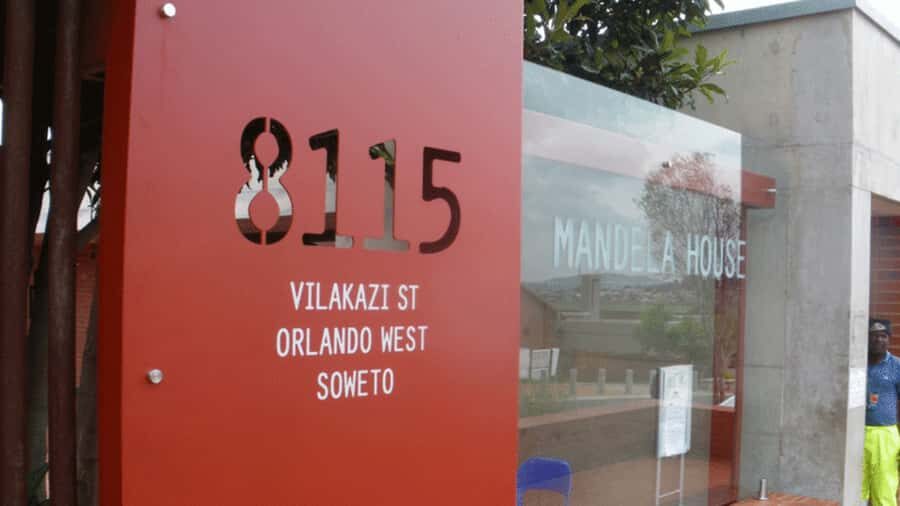
Next comes Mandela House, where Nelson Mandela lived from 1946 to 1962 with his family. This isn’t just a location marker. It helps you remember that even during political upheaval, there was a daily life—family life, routines, and the reality of living with pressure.
The stop also connects to the nearby Tutu house, the residential home of Archbishop Desmond Tutu. Having these two residential stories close together is helpful because it keeps the narrative grounded in people, not only politics.
The tour also points out something that changes the mood: this is where Mandela returned after his release from prison in 1990. That detail pulls the day from the long struggle into a turning point. Suddenly, you’re not only looking backward at what the system did—you’re looking forward to what freedom made possible.
One practical consideration: residential sites can involve more careful walking and slower sightseeing. This is still a 9-hour tour, so keep an eye on your timing and energy.


Apartheid Museum exhibitions: turning places into understanding
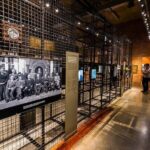
To finish, the tour explores the Apartheid Museum exhibitions. By this point, you’ve already visited safe places, offices, prisons, and homes. That makes the museum stop more useful than it would be on its own. You’re not just looking at displays—you’re testing your understanding against what you’ve already seen.
I like ending with a museum because it gives you the “why” behind the “where.” The exhibitions help you link different parts of the story into something you can carry home: the systems, the consequences, and how people resisted.
This is also a good place to slow down. If you find yourself standing in front of something and wanting to think longer, you usually can. Take that moment. A day like this is a mix of instruction and reflection, and museums are where the reflection becomes clearer.
Price and value for a $183, 9-hour guided day
At $183 per person for a 9-hour tour, you’re paying for more than a driver and a list of stops. You’re getting pickup and drop-off, a live English guide, entry fees, and bottled water. Those items add up fast in Johannesburg, especially when multiple sites have their own admission costs.
The big value is the combination of sites that cover different aspects of Mandela’s story: underground activism (Liliesleaf Farm), late-life work (Nelson Mandela Foundation), imprisonment (Constitutional Hill), legal advocacy (Chancellor House), family life and return (Mandela House), and the museum’s wider explanation (Apartheid Museum).
Is it expensive? Compared with hopping on a low-cost local bus route, yes. Compared with paying for several admissions and trying to piece the story together yourself, it’s a fair deal—especially if you care about getting the context right.
Who this tour suits best (and who should skip it)
This is a strong fit if you want a guided, structured day that traces Mandela’s journey to democracy through major Johannesburg-linked locations. It’s also a good choice if you appreciate artifacts and place-based storytelling, not just general commentary.
You may want to choose a different option if you’re pregnant, since the tour is listed as not suitable for pregnant women. Also, because it’s 9 hours with multiple stops, it’s smart to bring comfortable shoes and plan for a long day.
Getting the most out of the day
A few small habits make this tour easier and more meaningful:
- Keep your questions simple: ask how each site connects to the next one.
- Use the English audio guide when you want extra detail without waiting for the group to move on.
- Pace yourself at the heavier sites like Constitutional Hill and the museum, where your brain may need time to process what you’re seeing.
If your guide is someone like Emmah, who’s been recognized for delivering an impressive, well-informed tour that felt personal and thoughtful, you’ll likely feel the story connect emotionally as well as intellectually. That kind of guiding style can turn a history day into a day that stays with you.
Should you book the Johannesburg Mandela Legacy Day Tour?
I’d book this tour if your priority is a clear Mandela timeline anchored by specific sites: Liliesleaf Farm, Mandela Foundation, Constitutional Hill, Chancellor House, Mandela House, and the Apartheid Museum. The blend of homes, prisons, legal work, and artifacts gives the day balance, and the included entry fees make it practical.
I’d think twice if you can’t handle emotionally heavy content or if a 9-hour walk-and-stand day won’t work for you—especially if you’re pregnant. Otherwise, this is one of those trips where you leave with both context and names, not just photos.
FAQ
How long is the Johannesburg Mandela Legacy Day Tour?
The tour lasts 9 hours.
What does the price include?
It includes pickup and drop-off, a tour guide, entry fees, and bottled water.
Is food included?
No. Food and drinks are not included.
What languages are available?
The live tour guide is in English, and the audio guide is also in English.
What should I bring?
Wear comfortable shoes.
Is the tour suitable for everyone?
It is not suitable for pregnant women.
What are the main stops on the tour?
Key stops include Liliesleaf Farm, the Nelson Mandela Foundation, Constitutional Hill, Chancellor House, Mandela House, and the Apartheid Museum.
What are the cancellation and payment options?
You can cancel up to 24 hours in advance for a full refund, and you can reserve now and pay later (pay nothing today).