REVIEW · JOHANNESBURG
Johannesburg & Soweto (Half-day Tour)
Book on GetYourGuide →Operated by Kharivhone SA Exclusive Historical and Cultural Tours · Bookable on GetYourGuide
Soweto hits you fast. In just 5 hours you’ll see Freedom Square and the sites tied to South Africa’s struggle, then roll into central Johannesburg for a clear sense of how the city has changed. What I like most is the tight route that connects major moments—1955 to 1976 to the post-apartheid era—without making you bounce around.
I also like the human angle built into the stops: Regina Mundi Church and the nearby learning points help you understand what these places meant to real people. One thing to keep in mind: with this half-day format, you may spend a lot of time driving, so your enjoyment depends on how okay you are with a faster pace rather than long, in-depth stays.
In This Review
- Key tour takeaways
- Why This 5-Hour Soweto and Johannesburg Route Makes Sense
- Chris Hani Baragwanath Hospital: More Than a Landmark
- Freedom Square and the Freedom Charter Moment (1955)
- Regina Mundi Church (The People’s Parliament) and the Struggle
- Hector Peterson Museum: Where 1976 Becomes Real
- Vilakazi Street and Nobel Laureate Homes: The Post-Struggle Story
- The Reality of Time: Driving, Stops, and How to Get Your Money’s Worth
- Your Guide, Language Options, and How Questions Help
- What’s Included vs. What You Pay For (Price Clarity)
- Rain-or-Shine and Simple Rules to Know
- Is This the Right Tour for You?
- FAQ
- How long is the Johannesburg & Soweto half-day tour?
- What does the tour cost?
- Is food included in the tour price?
- What stops are included on the route?
- Is the tour offered rain or shine?
- What languages are the live tour guides available in?
- Is this tour private and wheelchair accessible?
- Is pickup from my hotel included?
- Are alcohol or drugs allowed during the tour?
- Is cancellation free up to a certain point?
- Can I reserve now and pay later?
- Should You Book This Soweto and Johannesburg Tour?
Key tour takeaways
- A history route that links 1955, 1976, and today through specific, named landmarks
- Freedom Square + Freedom Charter context so you’re not just looking at buildings
- Regina Mundi Church as the People’s Parliament—a powerful education stop
- Hector Peterson Museum focused on the student protests that reshaped politics
- Vilakazi Street cultural storytelling plus views of Nobel Peace laureate homes
- Private-group pacing with a live guide in multiple languages
Why This 5-Hour Soweto and Johannesburg Route Makes Sense
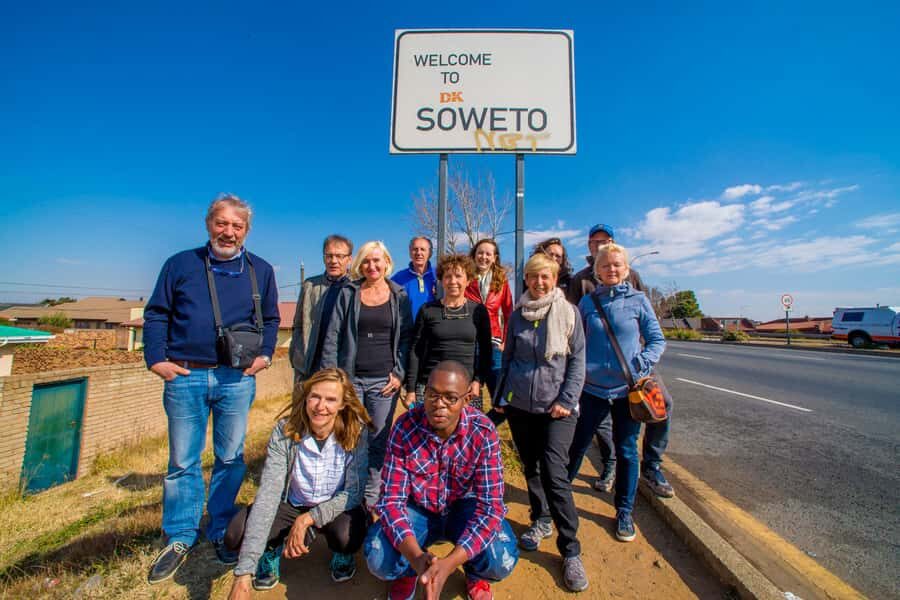
Johannesburg is often called the City of Gold (or Jozi/Egoli/Joburg), but the real value of this tour is how it moves from Soweto outward into the broader city story. You’re not just ticking off sights. You’re being handed the timeline in the places where it happened, with short stops that you can actually absorb in a single afternoon.
Because it’s a half-day, the pace is purposeful. You’ll cover a lot of ground, and yes, there’s driving between stops. The upside is that you get the essentials—major struggle sites in Soweto, then a look at the Nobel Peace laureate homes in the same area—without turning the day into a full marathon.
If you hate rushing, this might feel short. If you like a structured “see the key points” outing (and you’re good at asking questions), it’s a smart use of time.
A few more Johannesburg tours and experiences worth a look

Chris Hani Baragwanath Hospital: More Than a Landmark
The tour starts in Soweto with a stop at Chris Hani Baragwanath Hospital, described as the biggest hospital in the Southern Hemisphere. That size detail matters because it frames Soweto not only as a political symbol, but as a place where everyday life and public services operate at scale.
Here’s what you’ll likely take in with a good guide: how institutions like major hospitals fit into the broader South African story—health, community needs, and the reality of living in a dense, high-pressure environment. Even if you’re not going deep into medical history, the sheer scale helps you grasp why Soweto is more than a photo stop.
Tip for getting value: ask your guide what this hospital means for the local community. A well-run tour treats even a non-museum stop as part of the bigger narrative.
Freedom Square and the Freedom Charter Moment (1955)
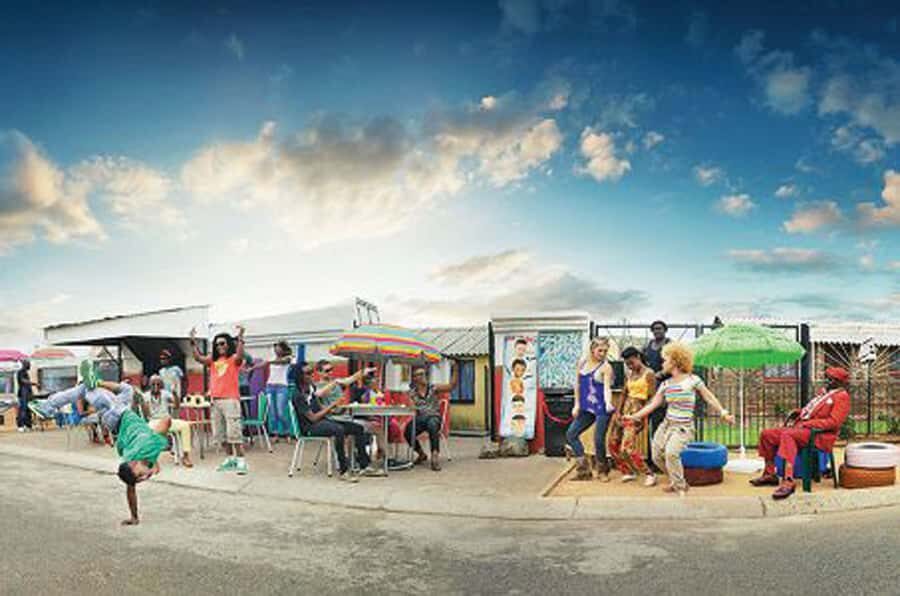
Next comes Freedom Square, tied to the adoption of the Freedom Charter in 1955. This is one of those locations where context changes everything. Without context, it can look like a historic site. With context, it becomes the blueprint of a political vision.
This is where the guide-led portion really matters. You’ll want to listen for how the Freedom Charter shaped ideas about rights and governance, and how that links to the later events in Soweto—especially the 1976 student protests. The tour structure is built so you don’t treat 1955 and 1976 like separate chapters.
If you’re the type who likes to connect dots, you’ll appreciate that the route is planned to do that—Freedom Square first, then the learning points that follow.
Regina Mundi Church (The People’s Parliament) and the Struggle

Then you’ll visit Regina Mundi Church, also known as The People’s Parliament. That nickname tells you this isn’t just an old church. It’s presented as a place where community voices and resistance gathered meaning—spiritual life braided with political courage.
A stop like this rewards attention. Even in a shorter tour, you can pick up what made the church matter to people during the struggle in South Africa. The tour also lists a focus on learning about the history of the struggle, and this is one of the strongest places for that explanation to land.
Practical expectation: because it’s a religious site and a memorial learning space, keep your tone respectful and your pace calm. You’re there to understand, not to race for photos.
Hector Peterson Museum: Where 1976 Becomes Real
After that, you’ll head to the Hector Peterson Museum, which focuses on the 1976 student protests that changed the face of South Africa’s politics. This is a major turning-point topic, and the museum stop is your “see it and understand it” moment in the tour.
What I like about this part of the itinerary is that it’s not vague. The tour clearly names the year and the event type—student protests—and that helps you know what you’re looking for as the guide explains and you move through the exhibits.
If you’re visiting for the first time and your South Africa timeline feels fuzzy, this is where it starts to click: 1955’s political vision meets the youth-led unrest of 1976, and then the story carries forward into the post-apartheid era.
Important note for expectations: museum time can feel compressed on a 5-hour schedule. If you want a longer read, bring your questions and use your guide to point out the key connections.




Vilakazi Street and Nobel Laureate Homes: The Post-Struggle Story
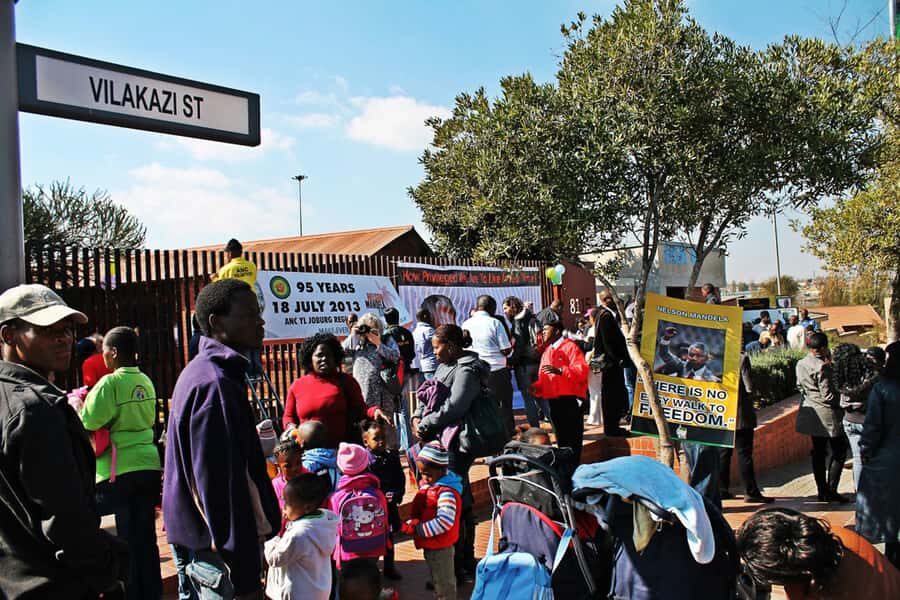
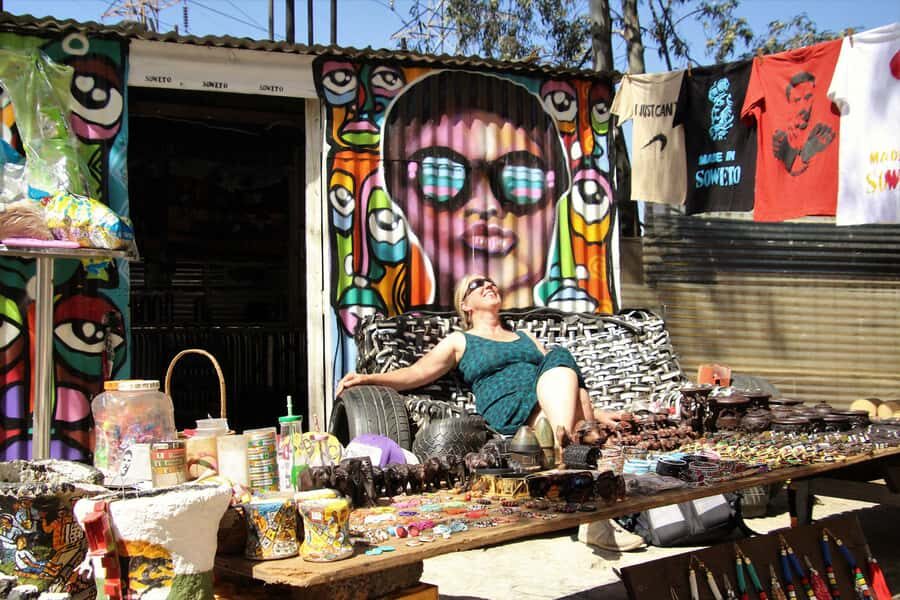
The tour then shifts toward Vilakazi Street, described as a place of cultural embrace. This is where the story expands beyond struggle sites and into the symbolic weight of leadership and reconciliation.
You’ll also do sightseeing connected to the houses of Nobel Peace Laureates Nelson Mandela and Desmond Tutu, located on the same street. That detail helps the visit feel more grounded: it’s not “random historic homes,” it’s a specific street where major names are tied to the same physical geography.
What to look for on this section: don’t only scan buildings. Listen to the guide’s explanation of why these figures matter and how their presence fits the broader narrative of South Africa’s change. With the right guide, the tour helps you connect the moral arc—from protest and demands for freedom to leadership recognized worldwide.
One small practical reality: street-based sightseeing can also mean you’ll be observing from the outside. That’s normal here, and it’s part of why a guide’s framing is so important.
The Reality of Time: Driving, Stops, and How to Get Your Money’s Worth
A half-day tour is always a tradeoff: you get more locations, but you don’t get museum-level attention at every stop. One prior booking described the day as spending a good portion of time in the car, with short stops rather than a deep exploration of Soweto.
That’s not a dealbreaker, but it’s a consideration. If your goal is “slow travel,” this format won’t fully satisfy. If your goal is “I want the main points and the story,” it can be a good match.
How you can make it work:
- Ask questions early so the guide’s answers shape how you look at each site
- Use each stop to connect the theme (Freedom Charter → 1976 → change) rather than collecting random facts
- If you care most about one stop (like the museum), be ready to spend most of your attention there and let the other locations act as supporting chapters
Also, because pickup and drop-off are included, you’ll likely spend part of your time getting to and from the sights—worth it if you’re staying centrally and don’t want to plan transport.
Your Guide, Language Options, and How Questions Help
This is a live-guided tour with English, Zulu, Sesotho, and Xhosa available. That matters more than it sounds. A guide who can explain in plain language—and switch languages when helpful—can turn “I saw a church and a museum” into “I understand why these places mattered.”
You’ll also get time during the tour to ask for local cuisine recommendations. Food isn’t included, so your best move is to ask your guide where to grab something nearby after the tour ends.
In at least one instance, the guide Emmanuel was praised for being attentive and for sharing answers based on experience. That’s exactly what you want in this type of route: someone who can answer your follow-up questions without turning it into a lecture.
What’s Included vs. What You Pay For (Price Clarity)
The price is $112 per person for a 5-hour experience. On paper, that can sound pricey for a short outing—until you look at what’s baked in.
Included:
- Hotel pickup and drop-off
- A live tour guide (with multiple language options)
- Time at key struggle-related sites (including Freedom Square, Regina Mundi Church, and Hector Peterson Museum)
- Skip-the-ticket-line access
- Focused learning about the origins of the struggle and cultural storytelling on Vilakazi Street
Not included:
- Food and drinks
So the value calculation is mostly about convenience + guided context. If you’d otherwise spend time organizing transport, waiting around, and then trying to understand the history without local framing, the $112 starts to make sense.
My practical advice: budget for a meal after. Even if you plan a light snack, treat food as separate so you don’t get stuck hungry while the day is still going.
Rain-or-Shine and Simple Rules to Know
This tour runs rain or shine, so plan clothing that can handle wet weather. It’s a city-and-stops format, meaning you’ll likely be getting in and out of the vehicle and moving between locations.
There are also straightforward restrictions: no alcohol and no drugs. For most people, that’s not a problem, but it’s good to know so you’re not surprised by tour conduct rules.
Finally, the tour notes that it’s wheelchair accessible. If mobility is a concern, it’s still wise to communicate your needs ahead of time through your booking channel, since site layouts can vary.
Is This the Right Tour for You?
Book this tour if:
- You want a single afternoon route that covers major Soweto and Johannesburg history points
- You like guided context that links events across time (Freedom Charter to 1976 to the post-apartheid era)
- You’d rather pay for a guide and pickup than manage transport and interpretation yourself
- You’re okay with a fast-paced half-day where driving takes up time
Skip or consider alternatives if:
- You’re hoping for a long, slow, deeply paced Soweto experience with extended time in each site
- You strongly dislike being on a schedule with limited stop duration
If you’re somewhere in the middle—time-limited but curious—this format is likely a good match.
FAQ
How long is the Johannesburg & Soweto half-day tour?
The tour duration is 5 hours.
What does the tour cost?
It costs $112 per person.
Is food included in the tour price?
No. Food and drinks are not included. You can ask your guide for local cuisine recommendations during the tour.
What stops are included on the route?
The tour includes Chris Hani Baragwanath Hospital, Freedom Square, Regina Mundi Church, Hector Peterson Museum, and sightseeing connected to Nelson Mandela and Desmond Tutu homes on the same street.
Is the tour offered rain or shine?
Yes. The tour takes place rain or shine.
What languages are the live tour guides available in?
The live tour guide is available in English, Zulu, Sesotho, and Xhosa.
Is this tour private and wheelchair accessible?
Yes, it’s listed as a private group tour, and it is wheelchair accessible.
Is pickup from my hotel included?
Yes, hotel pickup and drop-off are included. Wait in your hotel lobby 15 minutes before your scheduled pickup time.
Are alcohol or drugs allowed during the tour?
No. Alcohol and drugs are not allowed.
Is cancellation free up to a certain point?
Yes. You can cancel up to 24 hours in advance for a full refund.
Can I reserve now and pay later?
Yes. The offer includes reserve now & pay later, meaning you can book your spot and pay nothing today.
—
Should You Book This Soweto and Johannesburg Tour?
Yes—if you want the key story beats without wasting time planning. For most people, the combination of hotel pickup, a live guide in multiple languages, and stops like Freedom Square, Regina Mundi, and the Hector Peterson Museum makes the $112 feel like a practical shortcut to understanding Johannesburg and Soweto.
If you’re the type who needs lots of time inside each place, adjust your expectations for a half-day pace. But for a first visit—or a history-focused afternoon—this route is a solid, value-driven way to see the essentials in order.