REVIEW · PRETORIA
Pilanesberg camping Safari from Johannesburg
Book on Viator →Operated by DJM Adventures T/A South Africa Adventures · Bookable on Viator
Two days in Pilanesberg feel like real Africa. This overnight safari from Johannesburg packs dawn and dusk game drives, campfire meals, and long time in the park without wasting hours on transit. I like that the trip runs with small-group energy, and guides such as Darren and Shade are mentioned again and again for steering you toward wildlife.
What I really like is the time on safari. You’re scheduled for multiple guided drives across Day 1 and Day 2, plus early-morning and late-day sessions when animals often move more. I also appreciate the setup at camp: classic canvas tents, communal facilities, and dinner served in a traditional, outdoors way.
The main drawback to consider is comfort. The tents are rustic, and the showers/toilets are communal and separate from your tent, so you’ll want to pack for cold nights and practical evenings with a headlight.
In This Review
- Key highlights worth knowing
- Pilanesberg Overnight Safari: Why This Route Makes Sense From Johannesburg
- Getting Picked Up Early, Then Staying Out Longer
- Day 1: Coffee, First Game Drive, and That Campfire Dinner Feeling
- Night in Canvas: How Rustic Camping Works (and How to Not Be Miserable)
- Day 2: Sunrise Drives, Long Safari Time, and a Better Predator Odds Window
- Camp Life: Meals, Firelight, and the Social Side of a Small Group
- Guides and Wildlife Spotting: Where You Actually Benefit
- Price and Value: What You’re Really Paying For at $611.14
- Who Should Book This Safari Camping Trip From Johannesburg
- Should You Book This Pilanesberg Camping Safari?
- FAQ
- How long is the Pilanesberg camping safari?
- What time is pickup from Johannesburg on Day 1?
- What time is the wake-up on Day 2?
- How many and what types of game drives are included?
- What animals are you aiming to see?
- What is the tent like, and are bathrooms private?
- Are meals included?
- Are alcoholic drinks included?
- What should I bring for the trip?
- What’s the group size limit?
Key highlights worth knowing

- Dawn and dusk game drives aim for better chances with predators like lions
- Small group size (max 8) keeps things flexible and helps guides focus
- Canvas safari tents give you the real camping feel, with communal showers/toilets
- Mix of open and closed vehicles helps you balance wildlife views with driving cover
- Early starts from Johannesburg maximize daylight and reduce wasted time
Pilanesberg Overnight Safari: Why This Route Makes Sense From Johannesburg
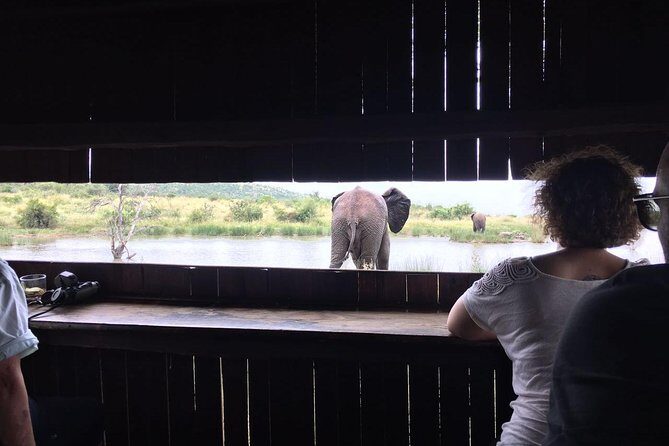
If you want a safari that feels like a proper getaway, but you only have a short window, Pilanesberg is a smart choice. The park is about a 3-hour drive from Johannesburg (round-trip transportation is included), so you spend more time hunting wildlife than sitting on the road. And because you sleep inside the safari rhythm, you’re not rushing back and forth the same day.
Pilanesberg is also a park where the game drives can feel intense in a good way. You’re not just “passing through.” The schedule is built around long blocks in the reserve, with additional drives across the two days. That matters because wildlife sightings aren’t guaranteed. The best you can do is give yourself enough hours in the right habitat—and this itinerary does.
There’s another practical win: you’re in a small group (maximum 8). That can change the feel of the trip. It’s less like a big bus safari and more like you’re with a guide who can shift attention based on what the road and radio chatter are telling them that day.
A few more Pretoria tours and experiences worth a look
Getting Picked Up Early, Then Staying Out Longer
Your Day 1 starts with pickup around 6:00am from your hotel. After that, the transfer to the reserve is about 2 hours, and then you’re in the park with coffee and your first wildlife search. That coffee-and-kickoff detail sounds minor, but it’s useful. It helps you get your bearings fast before you’re out scanning bushes for movement.
What you’re buying with this structure is daylight. The itinerary also includes an early wake-up on Day 2 at about 5:30am for a morning game drive. If you’ve ever tried to do a safari without a dawn run, you know how much you miss. Predators and grazing animals often show up differently in the morning light, and guides tend to steer toward activity windows.
The schedule also includes a long “second half” on each day. Day 1 includes a longer session in the reserve (about 5 hours) followed by an additional shorter drive in the afternoon (about 2 hours). Day 2 repeats the rhythm with an early drive (about 3 hours) plus another long drive later (about 6 hours). In plain terms: you’re not doing a safari that feels like a quick look. You’re doing the real work of searching.
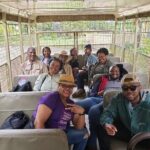
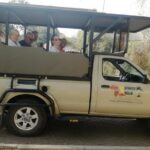
One note on the vehicle mix: the trip includes 2 open-vehicle game drives (3 hours each) and around 10 hours in a closed vehicle. In practice, that usually means better viewing moments when the animals are closer, plus more comfort and protection when conditions are colder or you’re traveling more. Your view may change between drives, but the overall time hunting is the point.
Day 1: Coffee, First Game Drive, and That Campfire Dinner Feeling
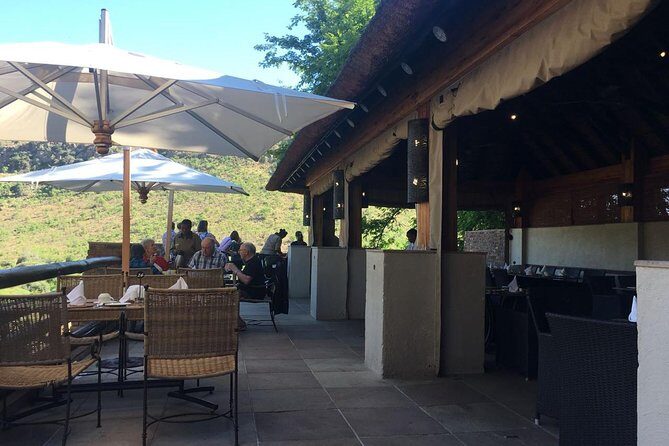
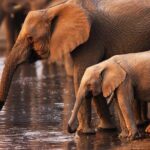
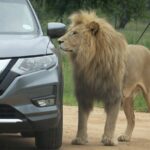
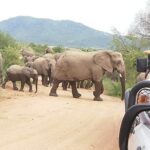
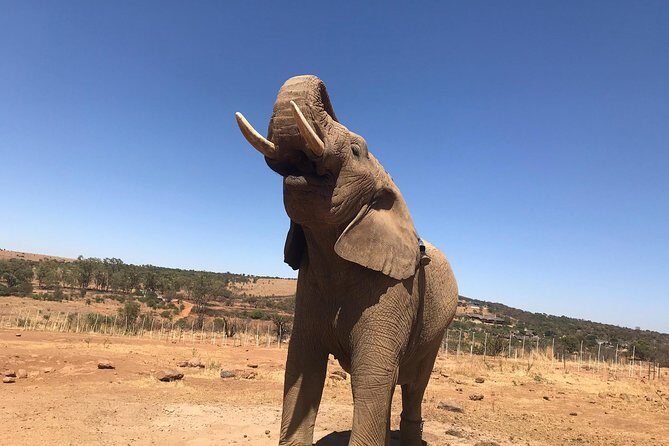
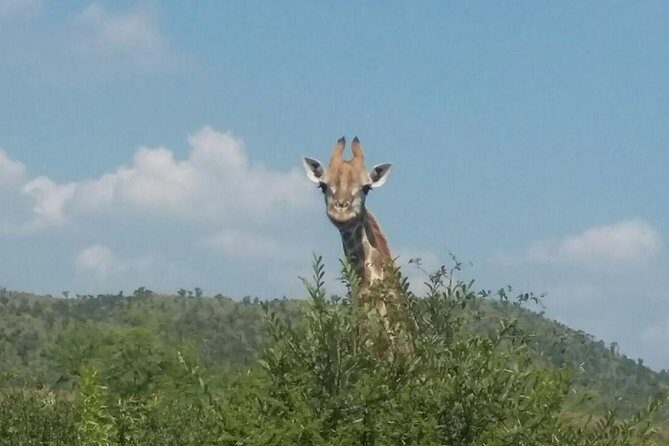
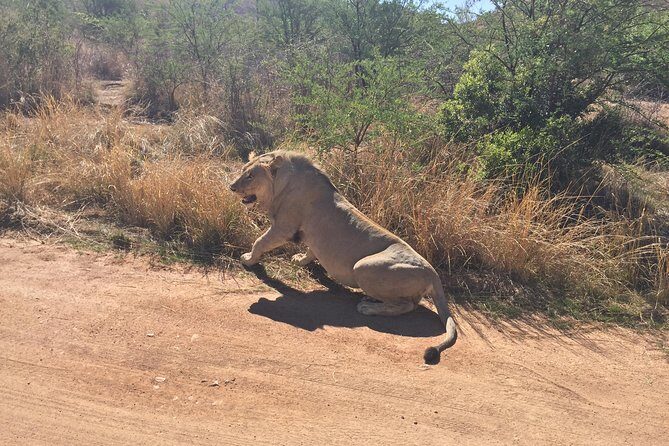
Day 1 is built to ease you into the reserve and then keep you rolling. After your 6:00am pickup, you arrive, have a cup of coffee, and head out on the first safari. You’re typically looking for animals including lion, elephant, rhino, giraffe, zebra, wildebeest, and hippo. Even if you don’t tick every box, that is a strong target list—and Pilanesberg has plenty of the kinds of habitat where these species can show up.
The first main drive is scheduled for roughly 5 hours in the reserve, and you generally return to camp around 3:00pm. That timing gives you a break before the next push. Then there’s another game drive in the late afternoon for about 2 hours, which is key for animal movement later in the day.
By the time you’re back at camp, you’re not just “hanging out.” The plan is for a traditional meal around the campfire. And the highlights also call out dinner served under the stars. That combination is part of the value here: you get the wildlife part in daylight, and then you get the outdoors, social camp energy at night.
A small but important comfort detail: the operator asks you to bring a headlight for the evenings. That’s not just a suggestion for drama. Camp routines are dark, and having a light makes things easier for walking, finding your gear, and keeping your head in the right place.
Night in Canvas: How Rustic Camping Works (and How to Not Be Miserable)
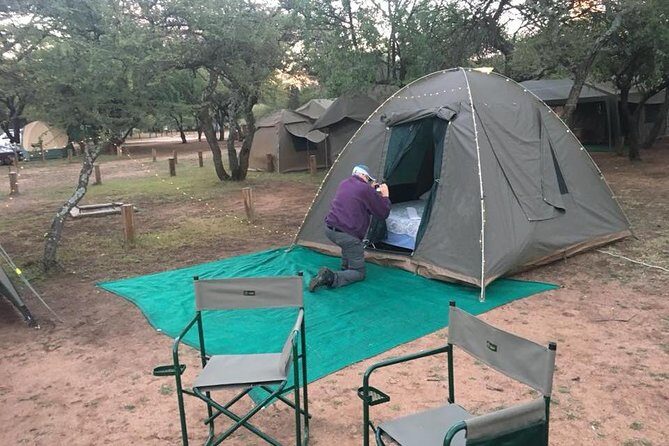
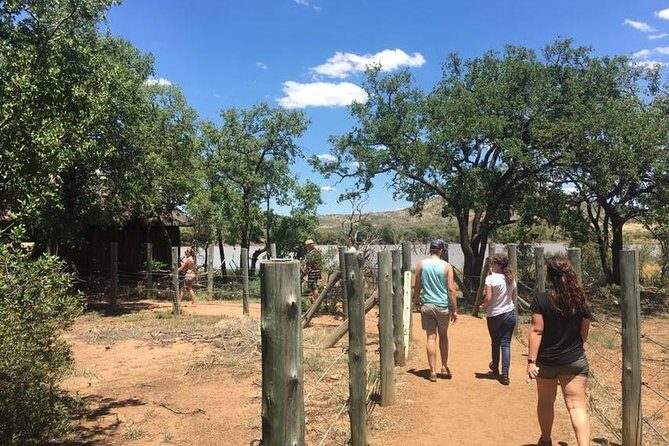
Sleeping in a safari tent is one of the big reasons to pick this trip. The tents are classic canvas safari setups, but the experience is still practical. Showers and toilets are communal and separate from the tents. That’s totally workable, but it’s the kind of detail you want to plan around rather than discover at night.
You’ll also want to pack for temperature swings. The trip specifically notes that warm jackets are required for the night drives, and one of the reviews mentions going in the dead of winter with the tent feeling like glamping, but still needing warm clothing. Translation: you’ll be outside at night, and evenings in South Africa can get cold fast.
Night comfort tips that follow the info you’re given:
- Wear layers you can get off and on quickly after the game drive.
- Bring a small headlamp so you’re not relying on others.
- Plan to spend time outdoors around camp (fire, conversation), since that’s part of the schedule.
Also, the trip includes dinner and breakfast, so you’re not trying to improvise meals after a long day in the vehicle. That’s a quiet win for value. You’re paying for a guided experience with meals handled, which reduces your “decision fatigue” after fatigue sets in.
Day 2: Sunrise Drives, Long Safari Time, and a Better Predator Odds Window
Day 2 starts early—wake-up around 5:30am—and then an early morning game drive for about 3 hours. This is where the itinerary really leans into the idea that timing changes what you might see. Morning drives often bring better visibility and fresh animal movement. If predators are in the area, early hours can be when you hear about it, spot tracks, or catch an animal in motion.
After that morning drive, you enjoy a hearty breakfast before heading out again for another safari lasting about 6 hours. The plan is to leave the park around 3:00pm and then get you back to Johannesburg by about 6:00pm.
So the total “search time” is substantial, and it’s spread across the day in a way that gives you more than one chance. That matters because one drive rarely tells the whole story. Wildlife viewing is a rolling puzzle: animals move, other vehicles react to sightings, and the guide’s job is to keep you in the right places at the right moments.
The trip also emphasizes dawn and dusk game drives specifically to increase chances of spotting lions. You’re not promised a lion sighting, but you are given two of the most reasonable windows to look for them.


Camp Life: Meals, Firelight, and the Social Side of a Small Group
One of the standout themes in the feedback is how the camp experience supports the safari instead of competing with it. People talk about spending plenty of time on safari, but they also mention the host setup as welcoming and organized for small groups. Reviews include praise for hosts like Craig and guides like Shade and Darren, and there’s a repeated sense of friendliness and comfort—especially for a camping-style trip.
Expect the evenings to feel outdoors. The plan includes traditional dinner around the campfire. Some reviews also mention a relaxed vibe with card games and drinks around the campsite (alcohol is noted as available to purchase, so it’s not included by default). That means the camp isn’t just a place to sleep. It’s part of the safari atmosphere.
One practical angle: communal showers/toilets can feel like the “big adjustment” for some people. If you’re traveling with someone who hates shared facilities, it might be a dealbreaker. If you can handle basic camping logistics, you’ll likely appreciate the simplicity. It feels closer to what a local camping safari style is like, rather than a “hotel inside a tent” version.
Guides and Wildlife Spotting: Where You Actually Benefit
This is the part that separates a “safari tour” from a good safari day. With this experience, the guides’ wildlife instincts and communication style show up in the feedback. Darren gets praised for being knowledgeable and for picking up animal cues while driving with windows down—he spots scent cues before you might notice. Shade gets praise for kindness and thoughtful guiding, including tailoring what the group wanted to do and see.
Even better, the group size helps the guide do that tailoring. With a max of 8 travelers, you can get more focused attention when the guide chooses to stop. That makes a difference because wildlife viewing is all about timing and patience. If people are constantly shifting directions or asking the same questions every 10 minutes, your attention gets split. In a small group, your focus tends to stay on the road ahead.
There’s also a balanced reality check: one review flagged disappointment due to a late guide arrival and not starting in a proper safari vehicle until later. That kind of operational snag matters. If you’re the type who hates any loss of time on a schedule, you might want to keep a little patience in your back pocket. Still, the overall rating and recommendation rate are strong, so this appears to be the exception rather than the pattern.
Price and Value: What You’re Really Paying For at $611.14
At $611.14 per person, you’re paying for a lot more than a bed and a vehicle ride. You’re paying for guided safari time across two days, which is the hardest resource to recreate on your own. You’re also paying for included meals (dinner, breakfast, and lunch on both days), plus round-trip transportation from Johannesburg.
Here’s the value math that matters:
- The itinerary builds in long blocks in the reserve across both days, including early morning.
- You get a mix of vehicle types (open and closed), which can affect comfort and viewing.
- You get overnight accommodation in a canvas tent with camp setup and guidance, not just a night in a random lodge.
- Alcohol isn’t included, but other core costs around the day are handled.
The price can feel high compared to “DIY safari” ideas you might google. But most DIY plans collapse when you factor in transport logistics, park access planning, and the cost of securing enough guided drive time to make sightings more likely. This trip packages those challenges into one straightforward schedule.
So for the money, the question is simple: do you want an organized two-day safari that prioritizes game drive hours and camp life? If yes, it’s a reasonable deal.
Who Should Book This Safari Camping Trip From Johannesburg
This experience tends to fit best if you:
- Want a classic camping safari feel with canvas tents and firelight dinner.
- Like early mornings and are willing to wear warm layers at night.
- Prefer a small group and appreciate guides who can adjust based on what you want to see.
- Value structure: pickup, meals, and the driving schedule are handled.
You might want to skip it if you:
- Need private, in-tent bathrooms. Facilities are communal and separate from the tent.
- Want a fully “luxury” stay. This is rustic by design.
- Get extremely annoyed by any schedule delays. Most reviews sound smooth, but one disappointment mentions a late start and vehicle mismatch.
Also, most travelers can participate. That’s a good sign for overall suitability, but you should still consider how you handle long days and early wake-up times.
Should You Book This Pilanesberg Camping Safari?
I’d book it if your top priority is time on safari, not fancy accommodations. This is one of those trips where the structure does the heavy lifting: early starts, long drives, dawn/dusk focus, and a proper camping-night experience with meals included. The best part is that the guide team gets consistent praise, including for wildlife spotting skills and customizing what the group wants.
If you’re sensitive to cold nights or communal facilities, read the tent details again before you decide. Pack smart with warm layers and a headlight, and you’ll be set.
If you want an overnight safari that feels like you stayed in the bush—not just passed through—this one is a strong choice for a Johannesburg departure.
FAQ
How long is the Pilanesberg camping safari?
It’s an overnight experience with a total duration of about 2 days.
What time is pickup from Johannesburg on Day 1?
Pickup from your hotel is at 6:00am.
What time is the wake-up on Day 2?
You’re woken up at about 5:30am for the early morning game drive.
How many and what types of game drives are included?
The trip includes a mix of open and closed vehicle game drives, with two 3-hour open vehicle drives plus a longer stretch in a closed vehicle.
What animals are you aiming to see?
The schedule targets animals such as lion, elephant, rhino, giraffe, zebra, wildebeest, and hippo.
What is the tent like, and are bathrooms private?
You sleep in classic canvas safari tents. Showers and toilets are communal and separate from the tents.
Are meals included?
Yes. Dinner and breakfast are included, and lunch is included for both days.
Are alcoholic drinks included?
No. Alcoholic drinks are available to purchase.
What should I bring for the trip?
Bring a headlight for the evenings. Warm jackets are required for the night drives.
What’s the group size limit?
The tour has a maximum of 8 travelers.