REVIEW · JOHANNESBURG
Soweto & Johannesburg and Apartheid Museum
Book on GetYourGuide →Operated by Jeff Tours And Transfers · Bookable on GetYourGuide
One road turns into a living lesson: Soweto & Johannesburg. This tour pairs real neighborhoods with the forced choices of apartheid-era politics, so you see people and places, not just dates. I like how the route brings in Vilakazi Street and the Mandela sites without feeling like a textbook.
I especially love the way the day is built around contrasts you can see, from the density of Hillbrow to quieter Soweto streets like Diepkloof. You also get a viewpoint stop—Munro Drive—so the story isn’t only about hardship; it’s also about place, scale, and perspective.
One consideration: it’s a full day. Stops are timed and the city driving adds up, so if you’re hoping for lots of free wandering or long lunch browsing, this needs a bit of expectation management.
In This Review
- Key things to know before you go
- Soweto and Johannesburg: why this route has impact
- Pickup, van ride, and early context in Hillbrow
- Braamfontein and Newtown: street-level history without museum-only thinking
- Munro Drive viewpoint: why that elevated pause helps
- Diepkloof in Soweto: the contrast you can actually witness
- Vilakazi Street and the Mandela House Museum: where names become places
- Orlando West area sights: hospital, towers, and Soccer City
- African tradition medicine stop: understanding muti shops respectfully
- Apartheid Museum: make time for the 2-hour guided experience
- Price, value, and lunch planning for $92
- Should you book this Soweto and Johannesburg day trip?
- FAQ
- How long is the Soweto & Johannesburg and Apartheid Museum tour?
- What’s included in the price?
- Where does pickup happen?
- What languages is the tour guide available in?
- Is the tour wheelchair accessible?
- Is the tour suitable for infants?
Key things to know before you go
- Munro Drive Viewpoint for elevated, wide-angle orientation over the area
- Hillbrow’s density (listed as the most populated area in Johannesburg by square meter) sets the tone early
- A stop connected to African tradition medicine that’s meant to be practical, not spooky
- Vilakazi Street and Mandela House focus on the people behind the headlines
- Hector Pietersen memorial adds a personal anchor to the 16 June 1976 uprisings
- Apartheid Museum is given real time (2 hours) so you’re not sprinting
Soweto and Johannesburg: why this route has impact
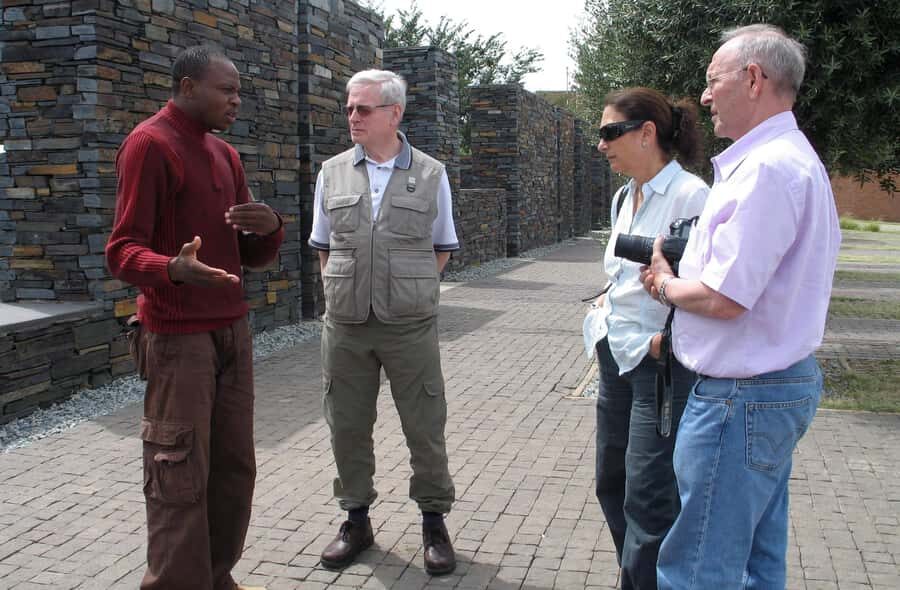
Soweto is where apartheid didn’t stay theoretical. You feel it in the way the neighborhoods are arranged, in the stories tied to specific corners, and in the memorials that still hold meaning. The Johannesburg side matters too: you get the urban reality that surrounded the policies—jobs, movement, and power all mixed together.
What I like about this format is that you don’t just hear about resistance; you get pulled toward the everyday. The tour aims to look past the 16 June 1976 uprising as a single dramatic moment and point you toward the longer resistance politics that shaped life before and after.
It’s also a good way to get your bearings fast. You see downtown Johannesburg areas, then transition into Soweto, which helps you understand how the city connects rather than treating it like two separate worlds.
You can also read our reviews of more museum experiences in Johannesburg

Pickup, van ride, and early context in Hillbrow
The day starts with hotel pickup and multiple drop-off options across Johannesburg and nearby areas. That matters because traffic and timing in Gauteng can be unpredictable, and this route is built around a smooth start.
Once you’re in the van, there’s a short ride and then the first guided stop: Hillbrow. This area is often described in terms of density, and this tour specifically frames it as Johannesburg’s most populated area by square meter. Even if you’ve seen crowded neighborhoods before, this is the kind of concentration that makes you notice how every inch gets used.
From Hillbrow, the tour keeps moving through the city’s fabric: Braamfontein, then Newtown. If you’re the type who likes to understand how cities function, this early push helps you connect the dots before the day becomes emotionally heavy.
Braamfontein and Newtown: street-level history without museum-only thinking
Braamfontein is guided for about 20 minutes. That’s not a long stop, but it’s enough time to learn what to pay attention to—street layout, activity patterns, and the way the area sits in relation to the rest of Johannesburg.
Then you hit Newtown, guided for another 20 minutes. Newtown is often visited as a cultural/urban area, and in this tour it works as a bridge. You’re moving from one Johannesburg district identity to another, which helps you understand that the apartheid story didn’t happen in a vacuum.
You’ll also get a bit of broader Johannesburg context with a guided stop around Johannesburg itself (about 20 minutes). The point here is orientation. You don’t want to arrive at Soweto still wondering what part of the city you’re standing in.
Munro Drive viewpoint: why that elevated pause helps
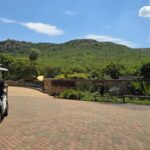
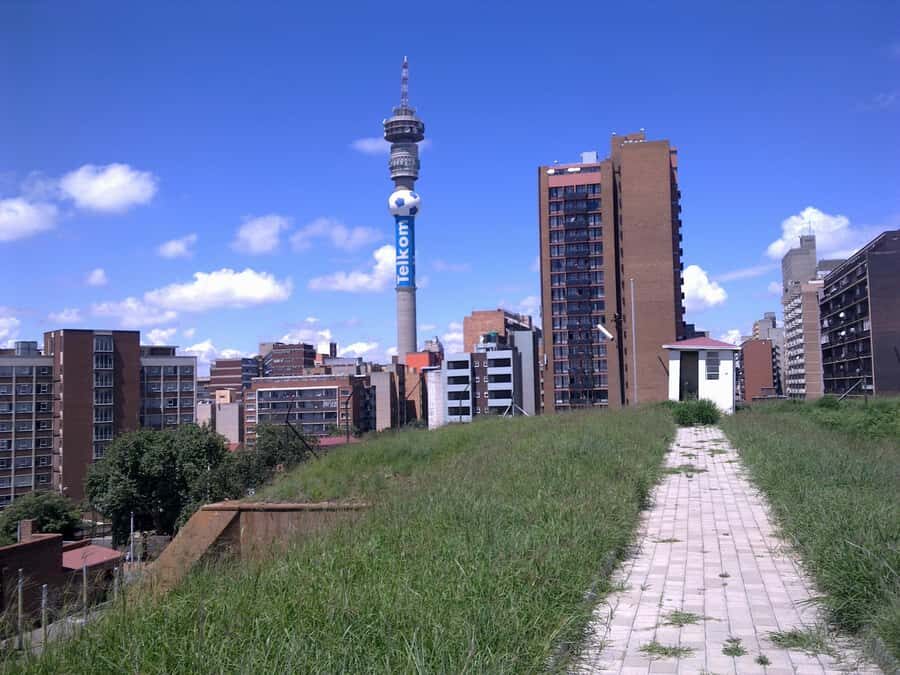
One of the highlights is Munro Drive Viewpoint, where you get elevated views and a clearer sense of the surrounding area. I love viewpoint stops on emotionally intense tours because they reset your brain.
From up there, you can see scale and spacing—how neighborhoods relate to each other across distance. That matters when the tour later uses specific places like hostels and informal settlements, because you start understanding geography as more than a backdrop.
Also, even a short viewpoint stop gives you time to look, breathe, and take photos thoughtfully. If your day tends to move too fast, this is one place that slows things down on purpose.
Diepkloof in Soweto: the contrast you can actually witness
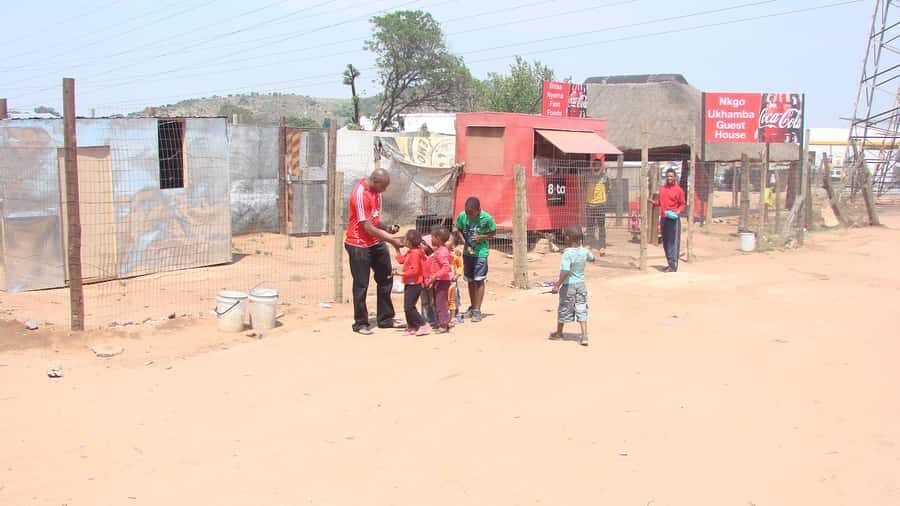
The most substantial neighborhood time on this tour is Diepkloof in Soweto, with about 1 hour guided. The tour sets up the day’s core idea here: you compare life in places shaped by apartheid under pressure—like informal settlement shacks and hostel life—against the upper-class suburb of Diepkloof in Soweto.
This isn’t presented as shock tourism. It’s framed as contrast with meaning. You’re meant to notice how policy and power show up in housing, space, and daily routines.
There’s a practical way to get value from this stop. Slow down your attention: look at what people are doing, not only what buildings look like. When the guide connects those observations back to resistance politics, the history becomes more tangible.

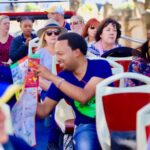
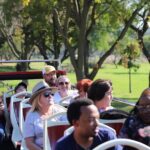


Vilakazi Street and the Mandela House Museum: where names become places
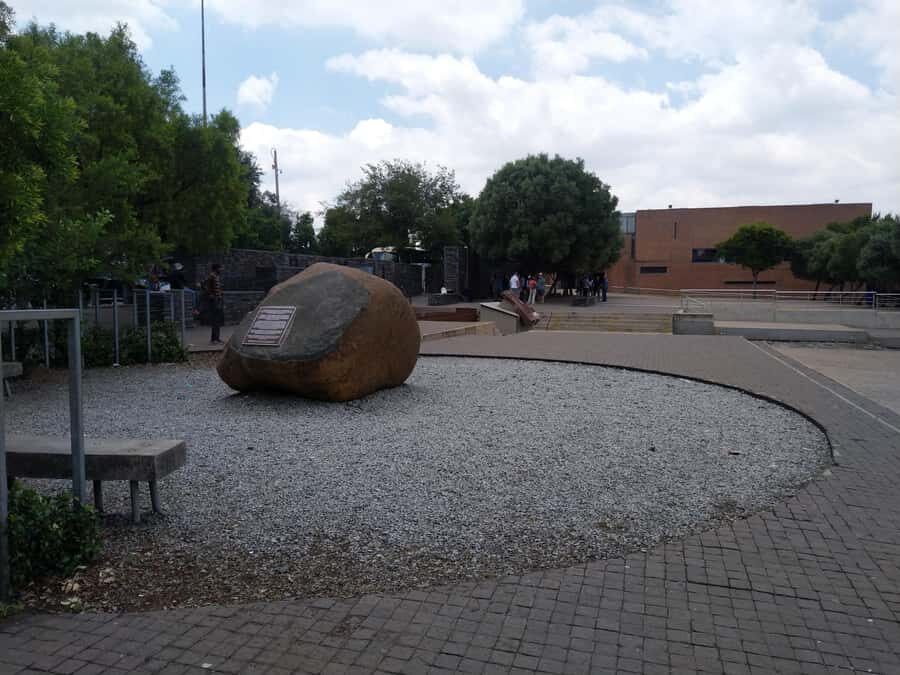
Next comes Vilakazi Street in Orlando West for about 1 hour guided. This is one of the most important moments of the day because it connects the broader apartheid narrative to specific people and sites.
The tour includes a visit to the Nelson Mandela House Museum, which is timed as part of this block. You’ll also see the Hector Pietersen memorial in the same general storyline. Pietersen’s name is tied to the 16 June 1976 uprisings, and the memorial helps keep the emotional weight from turning into vague history.
There’s one more stop that matters here: drive past Bishop Tutu’s house is listed as part of the route. Even if you don’t get out and walk the property, passing that location adds another layer—how leadership, moral authority, and public visibility shaped the post-uprising era.
If you want to make this hour count, come ready to ask yourself a simple question while you’re walking: what kind of courage does a person show in daily life, not only in speeches? The Mandela and Pietersen elements push you toward that thought.
Orlando West area sights: hospital, towers, and Soccer City
The route also includes several major Orlando West and Johannesburg landmarks you’ll encounter as part of the drive and guided segments. These include Baragwanath hospital, Orlando towers, and Soccer City (named that way on the tour).
Why include these stops when the day is already loaded with heavy history? Because they ground the story in ongoing life. Hospitals and large stadiums aren’t just infrastructure; they’re part of how communities function after all the political upheaval.
Orlando towers also gives you a visible marker in the skyline. When you later think about Johannesburg’s density and spatial planning, these kinds of landmarks help you keep the mental map straight.
This portion is less about one deep museum-style experience and more about building an accurate picture of what people’s lives look like beyond memorial moments.
African tradition medicine stop: understanding muti shops respectfully
One of the highlights is a stop connected to African tradition medicine, described as an African tradition medicine stop / muti shop. This is your chance to see a part of local belief systems and everyday healthcare practices that aren’t usually included on standard sightseeing days.
I’d approach this stop with two rules: stay curious and stay respectful. If you ask questions, do it calmly and let the guide handle the framing. The goal isn’t to turn it into a debate; it’s to understand how people explain well-being, healing, and prevention in a local context.
This stop also plays nicely with the rest of the tour. After you’ve seen how apartheid policy shaped material life, this is a reminder that culture and identity are also forms of resilience.
Apartheid Museum: make time for the 2-hour guided experience
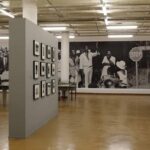
The anchor of the day is the Apartheid Museum, with about 2 hours guided. Plan to treat this as the emotional peak, not a quick add-on.
Why 2 hours matters: it’s enough time to absorb the story at a walking pace. You’ll want that time because the museum’s themes connect to what you’ve already seen outside—housing contrast, memorials, leadership, and the 16 June 1976 uprisings as part of a longer struggle.
One real-world consideration: museum opening days can affect your experience. There’s at least one caution in the provided info that the museum was closed on a Monday for a booking, and the guide adapted by focusing on a prison visit instead. So if your travel dates include Mondays, I’d confirm opening hours right before you go.
Also, don’t treat the museum as a single storyline. I recommend you pay attention to the way policies get translated into ordinary life. That’s where the museum earns its place on the itinerary.
Price, value, and lunch planning for $92
The price is $92 per person for an 8-hour guided experience with hotel pickup and drop-off included. That’s a fair deal in this part of the world because transportation and guided time do real work here—especially in a route that mixes districts, viewpoint time, memorial stops, and a museum.
Two inclusions help the value:
- Entrance fees to the Apartheid Museum and Nelson Mandela House Museum
- The fact that you’re not stuck figuring out how to sequence all these locations on your own
Lunch is listed as on the guest account, so you’ll want to budget for it separately. This is one of those days where being hungry mid-story can dull the impact, so I suggest you eat before the heaviest parts, even if that means a quick snack earlier.
Tipping isn’t included, and the tour recommends 5% to 10% at the end of the tour. If you found your guide particularly helpful with clear explanations, this is the time to show it.
Should you book this Soweto and Johannesburg day trip?
I think you should book if you want:
- A structured day that mixes Johannesburg neighborhoods with Soweto memorial and culture sites
- The Apartheid Museum experience with real time to think, not a rush-through
- A guide-led route that helps you interpret what you’re seeing, especially in the contrast between informal settlement life and suburb conditions like Diepkloof
I’d pause before booking if you:
- Hate long days with limited free time at each stop
- Need lots of open-ended photo time and unplanned detours
- Are traveling on a day that could conflict with museum opening hours (especially Mondays)
If you do book, keep your day simple: wear comfortable shoes, bring water, and be mentally ready for a museum and memorial experience that lands emotionally. This tour is built to connect place to policy, and that kind of connection takes your full attention.
FAQ
How long is the Soweto & Johannesburg and Apartheid Museum tour?
It lasts 8 hours total.
What’s included in the price?
Hotel pickup and drop-off are included, along with entrance fees to the Apartheid Museum and Nelson Mandela House Museum. Lunch is on your account, and gratuities are not included (a tip of 5% to 10% is recommended).
Where does pickup happen?
Pickup is available from several locations, including O.R. Tambo International Airport, Fourways, Kempton Park, Rosebank Mall, Johannesburg CBD, Randburg, Pretoria, Sandton Sun, and Sandton City.
What languages is the tour guide available in?
The live guide is available in English and French.
Is the tour wheelchair accessible?
Yes, it is listed as wheelchair accessible.
Is the tour suitable for infants?
It is not suitable for babies under 1 year.