REVIEW · JOHANNESBURG
Soweto Township Tour
Book on GetYourGuide →Operated by WILDHEART ECOTEER (Pty) Ltd · Bookable on GetYourGuide
Soweto’s story hits hard, then sticks with you. This 150-minute Heritage Walk in Soweto ties together Hector Pieterson Memorial with everyday neighborhood life, using a local guide to connect history, culture, and even birdwatching along the way. I especially like the Vilakazi Street stop and the way the guide turns landmarks into real conversations, not just photos.
The biggest thing to plan for is Mandela House costs. The tour includes a guided visit, but museum-style entry fees are not clearly guaranteed in the package, so it can add up once you’re there.
In This Review
- Key things to know before you go
- Hector Pieterson Memorial to Soweto proper: walking with purpose
- Vilakazi Street: where history and Nobel Peace Prize names share a sidewalk
- Mandela’s House: a must-see stop with possible extra ticket cost
- Orlando West to more Soweto streets: street art, small businesses, and real stories
- Birdwatching on a heritage walk: yes, you’ll actually look up
- Food and culture: traditional music, dance, and optional host-family meals
- Responsible tourism in Soweto: what your fee is trying to do
- Price and value for 150 minutes: is $43 fair?
- What to expect from the guide and how to get the best day
- Should you book this Soweto Township Tour?
- FAQ
- How long is the Soweto Township Tour?
- Where do I meet the guide?
- Is this tour a private group?
- What languages does the guide speak?
- Is food included?
- Does the tour include birdwatching?
- What should I bring?
- Are children under 3 free?
- Can I cancel and get a refund?
Key things to know before you go

- Start at Hector Pieterson Memorial so the whole walk has context from minute one
- Vilakazi Street in Orlando West links to Nobel Peace Prize laureates on one famous strip
- Two guided Soweto walking portions help you see more than one slice of daily life
- Birdwatching opportunities add a nature layer to a cultural route
- Optional host-family meal may be available, with dietary needs supported
- Private group format keeps the pace flexible and question-friendly
Hector Pieterson Memorial to Soweto proper: walking with purpose
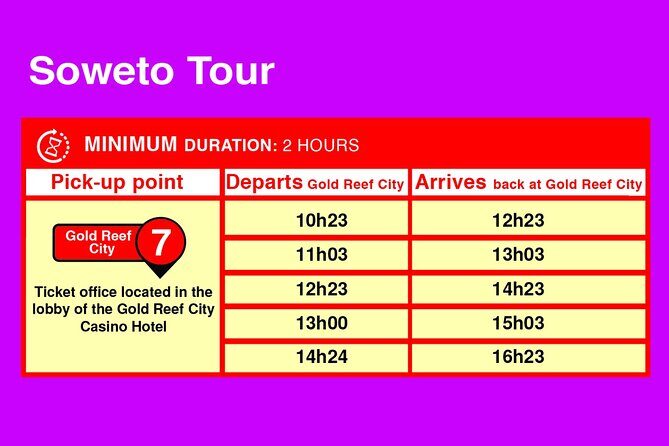
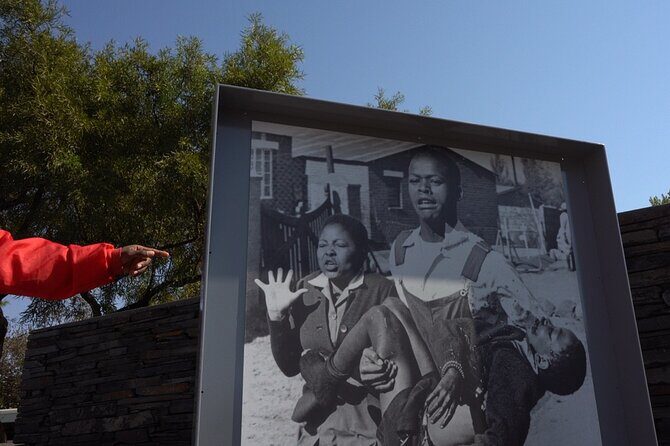
The tour begins at the entrance door of the Hector Pieterson Memorial, and that matters. You’re not starting with street art and snacks. You’re starting with the reason Soweto became a symbol in South Africa’s freedom journey. From there, the guide sets a tone that’s respectful and practical, including a safety briefing right away so you know what to watch for and how to move through the neighborhood.
You then shift into guided walking through Soweto’s cultural and historic sites. The route is built to do two things at once: give you a clear timeline through key places, and show you how the community lives today, not just how it used to live. That balance is where this tour earns its value. If all you want is a quick photo lap, you’ll feel it. If you want meaning with momentum, you’ll like the pacing.
One more smart detail: the tour is framed as a Heritage Walk with attention to local flora and fauna. So even though you’re mainly on a human story route, you’ll have chances to pause for birds and other signs of local ecology.
You can also read our reviews of more tours and experiences in Johannesburg.



Vilakazi Street: where history and Nobel Peace Prize names share a sidewalk
Vilakazi Street is one of those places where you can feel the weight of recognition, but you still see it at human scale. The stop is in Orlando West, and the guide explains why this street is so important: it’s home to two Nobel Peace Prize laureates. Even if you only know Nelson Mandela by name, the guide connects the dots so the street’s fame doesn’t float off into trivia.
What I like about this kind of visit is that it forces you to slow down. You’re not rushing from building to building. You’re learning how specific lives intersect with a place, and then you connect that to the wider Soweto story. It’s a good moment to ask questions, too, because your guide has set up context already at the start of the tour.
Practical tip: bring your curiosity. This stop works best when you’re willing to ask simple questions like how the neighborhood has changed over time or what locals feel proud of now. If you ask those things in the moment, the guide can tailor answers to your interests—history, art, or community life.
Mandela’s House: a must-see stop with possible extra ticket cost
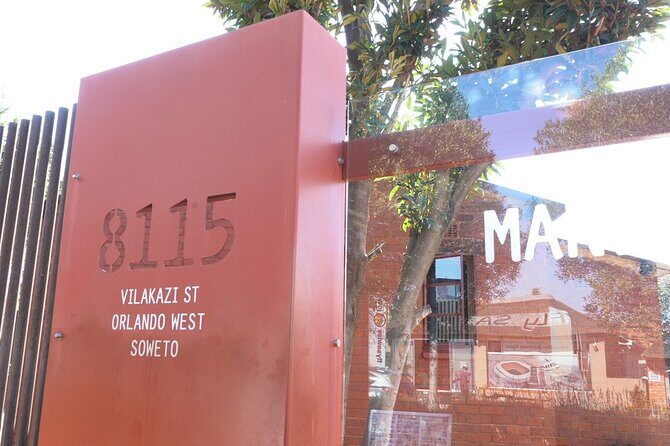
Next on the route is Mandela’s House, with a guided tour. This is the kind of stop that many people find emotionally direct, because it puts a major figure into a specific, lived-in setting. You’ll want to treat it like more than a museum stop—listen for the guide’s emphasis on context and everyday reality.
Here’s the one drawback to plan for: don’t assume entry is fully included. The tour package says entry fees to attractions or museums are not included unless explicitly stated, and one common frustration people run into with Mandela House-type visits is added ticket cost on the day. So if you’re watching your budget, check before you go or be ready to pay on-site.
If you do end up paying extra, it can still be worthwhile. The payoff is understanding how the freedom story connects to real locations—and how Soweto shaped the bigger Johannesburg story that hosted Africa’s first World Cup and the G20 Summit.
Orlando West to more Soweto streets: street art, small businesses, and real stories
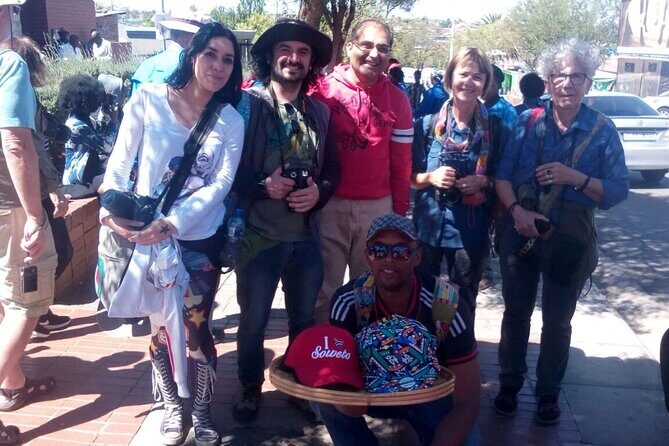
After Vilakazi Street, the tour keeps moving through Soweto with another guided walking portion. This second walk is where the neighborhood feels like a living place instead of a curated list. You’ll pass creative hubs and heritage sites, and you’ll also get time for daily neighborhood life—street art, small businesses, and the kinds of conversations that make Soweto feel current, not frozen in 1976.
This is also where interaction with residents and local artists becomes part of the experience. The tour is designed around those connections, not just observation from the sidewalk. That means the guide can steer you toward respectful questions and help you understand what you’re seeing beyond the obvious.
One detail I appreciate: the tour is offered as a private group. That’s not just a comfort perk. It can make a difference in how much attention you get at each stop and how easily the guide can adjust the pace if you want more time on art, or if your questions pull you slightly off the planned route.
If you’re someone who likes structure, this tour still gives it—just not in the rigid, clock-punching way. Expect thoughtful stops, then walking, then more story.
Birdwatching on a heritage walk: yes, you’ll actually look up
Not every city walking tour gives you permission to look at the sky. This one does. It includes birdwatching opportunities and is framed around local avian diversity and abundance, which means the guide may pause and point out birds you might otherwise miss.
Why that’s smart: it changes your rhythm. Soweto’s story is intense, and pausing to notice birds and other wildlife becomes a pressure release. It also adds a sense of place that’s not only about politics and monuments. You’re seeing the neighborhood as an ecosystem, not just a stage.
Also, it helps you understand a key idea: communities don’t live in museum air. They live alongside nature. So even if you’re not a birder, treat this part like a chance to slow down and pay attention.
If you want to maximize this, keep water handy and don’t wear layers you’ll hate carrying. Birdwatching pauses are short, but you’ll feel them more if you’re uncomfortable.


Food and culture: traditional music, dance, and optional host-family meals
The tour includes participation in cultural experiences such as traditional music, dance, and cuisine. That sounds broad, but it’s practical because the experience is tied to community partners. In other words, you’re not just watching performances like a show. You’re learning through culture.
Food is the one area where you need to read your exact option carefully. The tour says food and drinks aren’t included unless indicated as part of an optional meal. The tour may offer an authentic meal prepared by a local host family, and dietary needs are supported.
In particular, one highlighted example was a vegan meal prepared by a host named Barbara. That’s a good sign for you if you have dietary restrictions—you’re not expected to tough it out with only what’s convenient for others. Still, confirm ahead so your meal matches what you can eat.
Also remember why this matters beyond taste. The tour’s model includes support for responsible tourism, including a portion of your fee contributing to local initiatives and supporting families directly. A meal isn’t just a perk; it’s part of the economic impact of the day.
Responsible tourism in Soweto: what your fee is trying to do
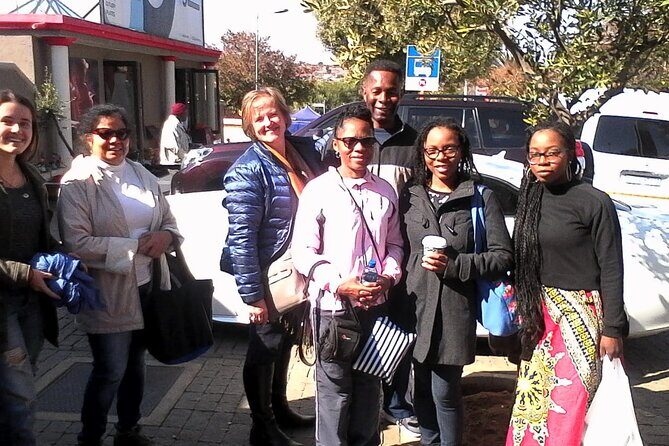
This tour is run by Wildheart Ecoteer, with a responsibility-first approach. You’ll see that theme show up in two places: community interaction and support for local development. The idea isn’t vague. Your presence is meant to contribute positively to community initiatives and regional economic growth.
That’s where tours like this can feel different from generic “walk and take photos” options. The guide isn’t just explaining history; they’re also helping you connect with living culture—local artists, small businesses, and residents who are shaping Soweto now.
Is it perfect? No tourism model is. But the structure here—especially the host-family meal option and local initiative support—makes it easier for you to feel your participation has a point.
Price and value for 150 minutes: is $43 fair?

At around $43 per person, the math depends on what you compare it to. You’re paying for more than a guide walking with you. You’re paying for a guided interpretation of major landmarks (including Hector Pieterson Memorial and Mandela’s House on the route), plus interactions with community members and cultural experiences like music and dance.
You also get birdwatching opportunities and the option for a meal with dietary support. Those aren’t guaranteed for every heritage walk at this price level, and they add real time and texture to the day.
Where the value can shift is the Mandela House issue. If entry fees are added on the day, your total cost goes up. Even so, the experience can still be good value because the guide’s job is to make connections that you might miss alone.
If you want to squeeze the most value from your $43, do this: go in ready with questions. Ask about what locals feel proud of today, how creative hubs work, and what the 1976 youth uprising means in everyday terms. When you engage, the tour stops being a list and becomes a conversation.
What to expect from the guide and how to get the best day
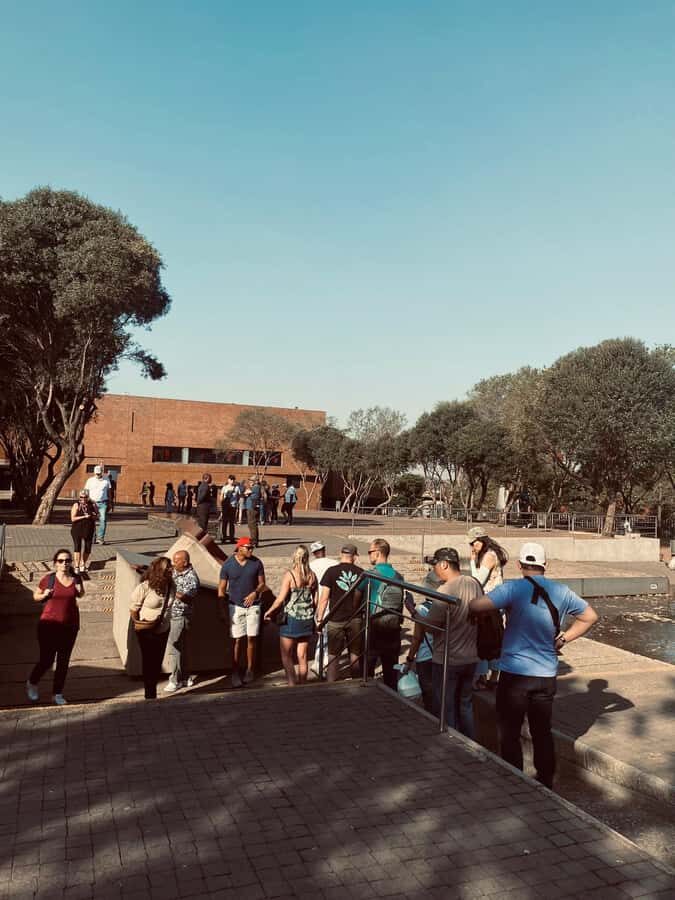
The tour runs with a live guide in English and Zulu, and it’s designed as a private group. That matters because English-only tours can miss nuance when locals switch between languages. With this format, you’re more likely to get clear explanations and smooth communication.
You’ll also want to understand pacing. This is a walking heritage experience, so wear shoes you trust. The day is short—about 150 minutes total—so the guide is likely to keep momentum. Bring a realistic expectation: you can ask questions, but you can’t expect a slow, sit-down lecture at every stop.
One small but useful practical note: the tour asks you to bring water. That’s not about comfort theater. Walking in Soweto takes energy, and pauses for stories and birdwatching can make you forget to hydrate.
If you’re serious about seeing street art and creative spaces, tell your guide early. The tour is flexible to focus on your interests—history, art, or community life. In a private format, that flexibility becomes real.
Should you book this Soweto Township Tour?
Book it if you want a guided Soweto experience that treats the neighborhood like a living community, not just a set of famous monuments. The strongest reasons to choose it are the Hector Pieterson Memorial start, the Vilakazi Street Nobel Peace Prize connection, and the chance to interact through culture, art, and community life.
Skip or reconsider if your main goal is “I want to do a very low-cost checklist” and you hate the possibility of extra museum entry costs at stops like Mandela’s House. Also be clear with yourself about the walking pace, since this is built as a short heritage walk rather than a long, bus-and-stop tour.
If you go with the right mindset—curious, respectful, and ready to ask questions—you’ll likely leave with a clearer picture of Soweto’s past and what shapes it today.
FAQ
How long is the Soweto Township Tour?
The tour lasts about 150 minutes.
Where do I meet the guide?
You meet your guide at the entrance door of the Hector Pieterson Memorial.
Is this tour a private group?
Yes, it runs as a private group.
What languages does the guide speak?
The tour offers a live guide in English and Zulu.
Is food included?
Food and drinks are not included unless your chosen option includes an optional meal. The tour may include an authentic host-family meal with dietary needs catered to.
Does the tour include birdwatching?
Yes. Birdwatching opportunities are included as part of the heritage walk, with chances to spot local bird diversity.
What should I bring?
Bring water.
Are children under 3 free?
Yes. Children under age 3 enjoy the tour free of charge.
Can I cancel and get a refund?
Yes. You can cancel up to 24 hours in advance for a full refund.