REVIEW · JOHANNESBURG
3-Day Johannesburg Tour with Pilanesberg National Park Safari
Book on Viator →Operated by Solly · Bookable on Viator
Johannesburg can feel like two cities in one. This 3-day tour ties together politics, culture, and wildlife with a smart, time-saving route through the places that shaped modern South Africa.
I especially like how the day-by-day plan mixes major museums with real neighborhoods, so the story is about people and choices, not just dates. I also like that the safari side is handled with open-top 4×4 wildlife viewing, not a short drive-by.
One thing to consider: day one and day two are packed, so expect long hours on the go, plus time spent standing and walking at several memorial sites.
In This Review
- Key takeaways before you go
- Johannesburg and Soweto, stitched together with meaning
- Constitution Hill and the city core: where the story starts
- Soweto essentials: Mandela’s block, 1976 memory, and Freedom Square
- Maropeng visitors center: fossils that add a science layer
- Lesedi Cultural Village: culture as a lived schedule, not a costume show
- Pilanesberg National Park safari: Big Five time in real vehicle hours
- Price and what $485.95 buys you in the real world
- Guide quality matters: Solly and the “attention to detail” factor
- Timing, group size, and the pace you’ll feel
- Who should book this tour (and who might want something else)
- Should you book this 3-day Johannesburg + Pilanesberg safari?
- FAQ
- What time does the tour start?
- How long is the tour?
- Is pickup and drop-off included?
- What’s included in the price?
- Are meals besides lunch included?
- What sights will I see in Johannesburg and Soweto?
- What do I see at Maropeng?
- What safari vehicle and wildlife viewing can I expect at Pilanesberg?
Key takeaways before you go
- Constitution Hill gives you the human side of the long road to democracy, starting with the prison story.
- Soweto landmarks on the same loop means you can connect Nelson Mandela’s life to the 1976 uprising sites.
- Maropeng fossils include famous hominid finds like Little Foot and Mrs Ples, adding a science stop to the cultural focus.
- Lesedi Cultural Village is structured around multiple cultures, with a Zulu warrior meet-and-walk and a dance show in an air-conditioned vehicle schedule.
- Pilanesberg Safari is built for big sightings, including a chance at the Big Five from safari vehicle time in the reserve.
- Small-group feel is supported by a cap of 30 people, which helps keep the day from feeling chaotic.
Johannesburg and Soweto, stitched together with meaning
This tour is designed for people who want more than “see the sights” in Johannesburg. You get the big storyline: the struggle for rights and equality, the legacy of apartheid, and the lived reality in Soweto. Then you swap gears for fossils and culture, and finish with wildlife in a safari setting that’s genuinely different from the city.
The flow works because it doesn’t treat Johannesburg like a checklist. You’ll move from Constitution Hill (a former prison linked to key figures) to Constitutional-era storytelling at the museum level, and then into Soweto where the names and events stay personal. After that, the tour shifts to something lighter but still meaningful: cultural traditions at Lesedi and early human history at Maropeng. The finale is pure South Africa contrast—Big Five chances in the wild.
A few more Johannesburg tours and experiences worth a look

Constitution Hill and the city core: where the story starts
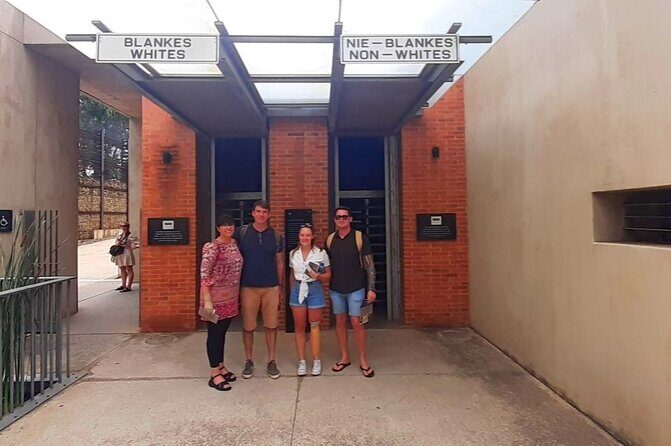
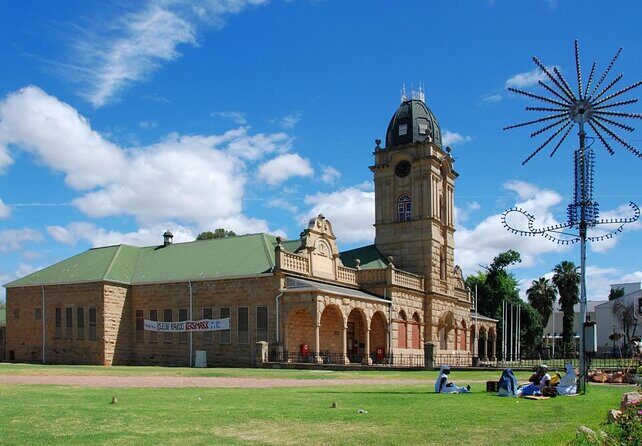
Your day opens at Constitution Hill Human Rights Precinct, described as a living museum that traces South Africa’s journey to democracy. The site matters because it’s not a neutral building. It’s a former prison connected to major political figures such as Nelson Mandela, Mahatma Gandhi, Joe Slovo, and Winnie Mandela. Even if you already know some of the broad history, being inside this kind of place often makes the timeline feel real in a way that reading alone doesn’t.
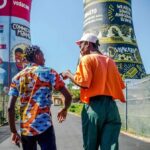
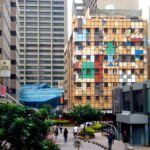
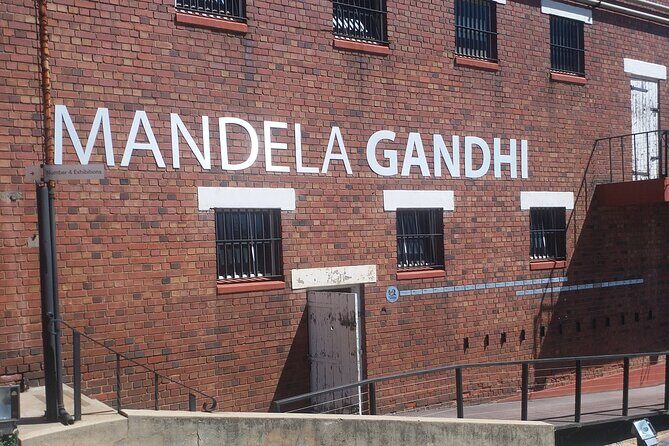
From there, the route threads through Johannesburg’s center. You’ll pass key downtown landmarks and learn the story behind places like the Nelson Mandela Bridge. You’ll also stop near Gandhi Square, including a briefing about Gandhi’s connection to South Africa and the symbolism of Gandhi and Mandela together in the space.
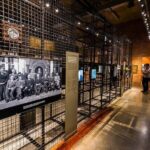
Then you head to Apartheid Museum, noted as a leading museum focused on 20th-century South Africa and the rise and fall of apartheid. This is one of those stops where you may want to pace yourself. Two hours is enough to get the main arc, but it’s also long enough that you’ll benefit from taking breaks when you feel overwhelmed. If you tend to move fast in museums, you might not catch every detail; if you tend to slow down, you’ll likely enjoy the time.
Practical note: this portion of the tour is historically heavy. Wear comfortable shoes, and plan to give your brain a breather between stops even if your schedule doesn’t.
Soweto essentials: Mandela’s block, 1976 memory, and Freedom Square

Soweto is where the tour becomes personal. You’ll spend time on Vilakazi Street, often highlighted as the only street in the world associated with two Nobel Prize winners—Nelson Mandela and Desmond Tutu. That’s a neat fact, but the bigger value here is what the tour does with it: it points you toward how leadership and community life intertwined in real neighborhoods.
You’ll also link Vilakazi Street to Nelson Mandela’s home. The address for 8115 Vilakazi Street is part of the experience details, and it’s presented as the place Mandela lived between 1946 and 1964. Standing in the area where a major political figure lived helps turn history into geography. The photos you take here will feel less like postcards and more like context.
Next comes the Hector Pieterson Museum and Memorial, a memorial to Hector Pieterson, a 12-year-old boy who died during the Soweto uprising in 1976. The key detail is the date—June 16, 1976—and the tragedy of young students being caught in violence. This stop is short, about 30 minutes in the plan, so you’ll want to be ready to absorb quickly.
The tour also references Freedom Square as part of the Soweto experience set. Even when you don’t read every panel or exhibit, Freedom Square typically helps you connect the dots between the uprising, the international attention it drew, and the role of youth in political change. If you prefer guided interpretation, this is one of the moments where a strong guide makes a big difference.
Maropeng visitors center: fossils that add a science layer
After the Johannesburg-and-Soweto emotional arc, the tour shifts into early human history. You get access to exhibits at the Maropeng visitors center, with a focus on fossils of hominids, specifically named examples like Little Foot and Mrs Ples.
This is a smart contrast move. A lot of city tours stop at museums and memorials, then call it a day. Here, you also get a science component that reminds you: human stories have deep roots. Whether you’re a history buff or not, this kind of fossil exhibit is often easier to enjoy because it’s visual and tangible—you can see what’s been discovered and understand what researchers learned from it.
If you’re traveling with kids or with anyone who’s more into “facts and objects” than “politics,” this part can be a lifesaver. It keeps the itinerary from becoming only heavy themes.
Lesedi Cultural Village: culture as a lived schedule, not a costume show
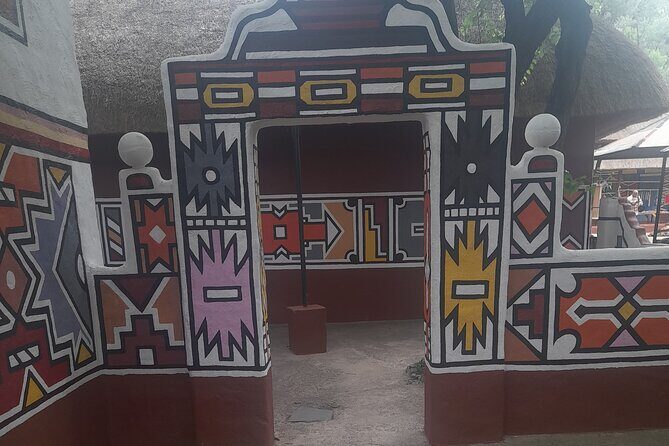
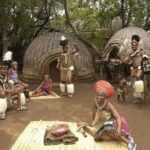
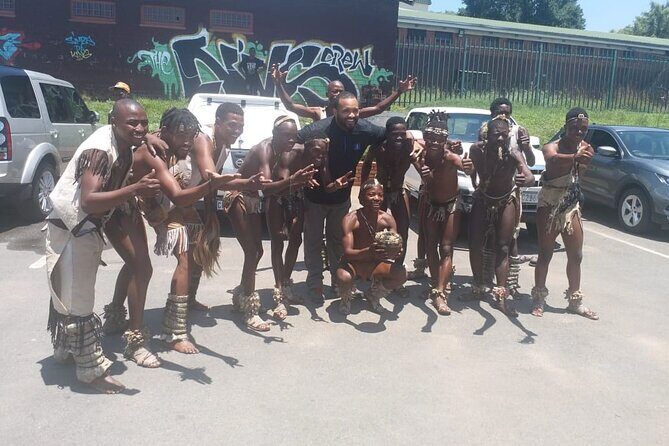
Day two centers on Lesedi Cultural Village, described as celebrating cultural traditions from multiple Southern African communities. The format is practical: you ride in an air-conditioned vehicle, do a walk across village spaces, and meet a Zulu warrior as part of the experience.
What I like about this setup is that it’s structured. You’re not thrown into a vague performance. You get a sequence: walk through areas, learn the context behind the culture as you go, then watch a cultural dance show. The plan also includes tasting local food after the tour, which matters because it gives you a sense of daily life rather than only watching artistry.
A good question to ask yourself: do you want culture explained in plain language with time to ask questions? If yes, this kind of village tour is a strong fit. If you want purely hands-on interaction (like workshops) rather than guided visiting, you might find it more “guided experiences” than “do-it-yourself.”
A few more Johannesburg tours and experiences worth a look
Pilanesberg National Park safari: Big Five time in real vehicle hours
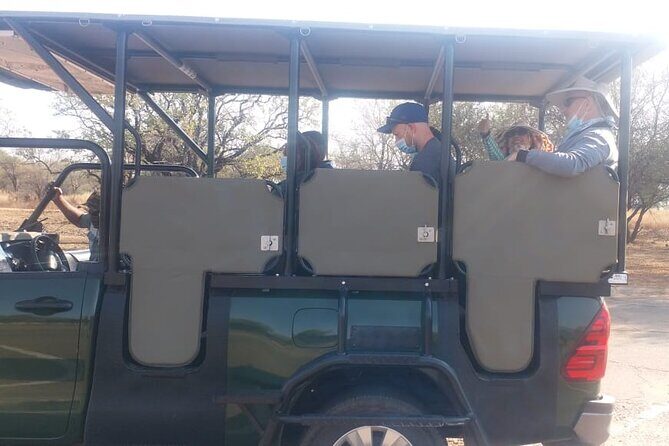
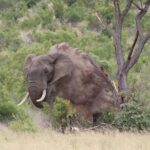
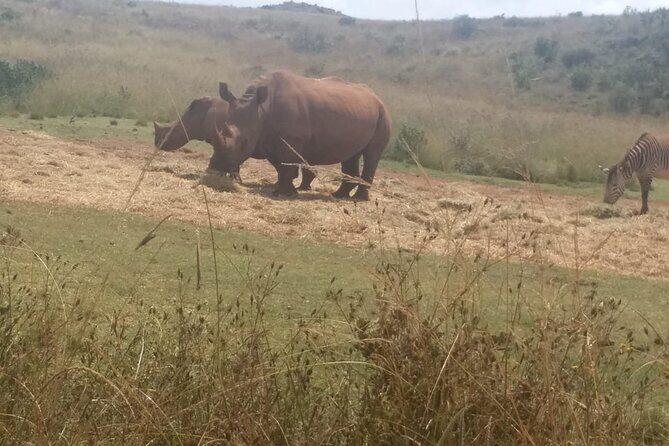
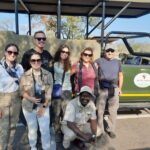
The finale is where the tour changes pace dramatically. Pilanesberg National Park is the wildlife day, and it’s presented as a long outing—about 9 hours. The big promise is a chance to see Africa’s Big Five. Even if you don’t get every animal, the value is that you’re in a reserve where sightings are possible, not stuck on the edge with a quick drive.
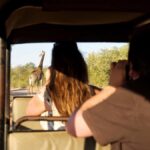
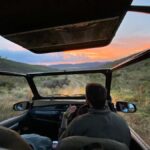
You’ll travel through the reserve in an open-top 4×4 safari vehicle, which is the right choice for photography and for feeling close to the moment. If you’ve ever been on a closed vehicle, you know how much harder it is to get clean shots and how much more muffled everything feels. Open-top drives tend to bring the landscape and the action into your view in a more direct way.
One practical consideration: bring what you need for comfort on a long wildlife day. In many safari settings, you’ll feel the sun more than you expect, and you’ll likely want to keep layers in mind for early or late timing. Pack for the weather you have, then plan on using your camera even when the animals are far—because distance can flip quickly.
Price and what $485.95 buys you in the real world
At $485.95 per person for roughly 3 days, the big question is: do you get enough “doing” to justify it? In this case, you’re paying for three things at once—city history, cultural experiences, and a long wildlife safari—plus transport.
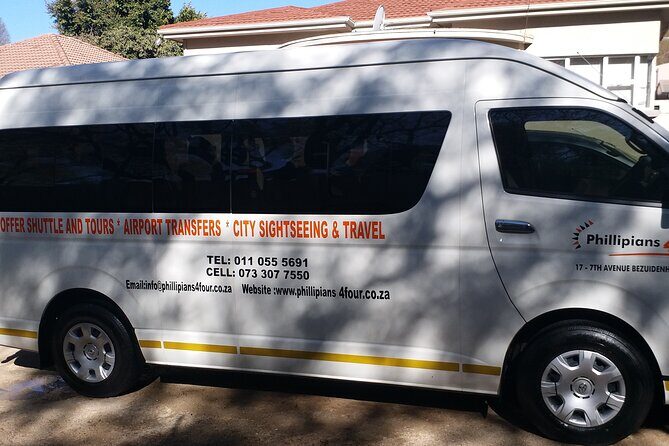
What helps the value is that the package includes pickup and drop-off from your hotel, plus all fees and taxes and a bottle of water for each client. You also get lunch included, which saves you from finding food while you’re switching between museums, memorials, and neighborhoods.
Meals other than lunch aren’t included, and alcoholic drinks aren’t included. That’s not unusual, but it’s worth planning for. If you know you’ll want breakfasts or dinners out, budget for them separately so the tour price doesn’t feel like a surprise later.
When I think about tour value in South Africa, I also look at how hard you’d have to work to recreate this on your own: museum admissions across multiple sites, transportation between neighborhoods, a cultural village day, fossil exhibits, then a full-day safari transfer and vehicle time. This package bundles all of that into one schedule, so you’re mostly paying for convenience and guidance.
Guide quality matters: Solly and the “attention to detail” factor
One name shows up in the feedback: Solly, repeatedly praised as friendly, patient, and knowledgeable, with attention to detail across history, culture, and safari interpretation. I put weight on this because the itinerary includes places that can feel intense or confusing if you’re just reading signage.
A good guide helps you connect the dots fast. For example, at Constitution Hill and the Apartheid Museum, the context you get while moving through the space can shape how you interpret what you’re seeing. In Soweto, the way you’re briefed about Mandela’s home area, Vilakazi Street significance, and Hector Pieterson’s memorial can change it from “a stop” into “a story you can retell.”
If you’re the type who likes to ask questions, a guide who stays patient makes the whole trip smoother, especially when the group has mixed ages or interest levels.
Timing, group size, and the pace you’ll feel
This tour starts at 9:30 am and runs for 3 days. Group size is capped at a maximum of 30 people, which is helpful for keeping things from turning into a long line. Still, the schedule is active. Day one stacks multiple major stops back-to-back in the city and Soweto, then day two adds a full cultural village block, and day three is a near full-day safari outing.
Plan for “busy but worth it.” If you like slow travel and long unstructured breaks, you may feel rushed on the first day. If you prefer guided days that cover major ground, this itinerary style usually feels efficient rather than exhausting.
Who should book this tour (and who might want something else)
This is a strong match if you:
- Want a history-and-culture grounding in Johannesburg and Soweto without juggling transport planning
- Enjoy structured interpretation at museums and memorials
- Want a science stop via Maropeng fossils, not only city sightseeing
- Are excited for a long safari day with a real chance at Big Five viewing
It may be less ideal if you:
- Want lots of free time to wander on your own each day
- Struggle with intense memorial content and prefer gentler sightseeing
- Are hoping for meals fully handled beyond lunch (you’ll plan some food yourself)
Should you book this 3-day Johannesburg + Pilanesberg safari?
I’d book this if you want a trip that feels like three different South Africa experiences stitched into one practical schedule: democracy history in Johannesburg, Soweto’s key landmarks with memorial gravity, and a wildlife finale at Pilanesberg.
Book it with confidence if you like guided days and you value transport + admissions + safari time bundled together. Just be honest with yourself about pace. This is not a “light and lazy” itinerary, so bring stamina, comfortable shoes, and a camera you’re ready to use from start to finish. If you want a single package that hits the big themes—then finishes with real nature time—this one fits the bill.
FAQ
What time does the tour start?
The tour starts at 9:30 am.
How long is the tour?
It’s listed as an approximately 3-day experience.
Is pickup and drop-off included?
Yes. Pickup and drop-off from your hotel is included, and pickup is offered.
What’s included in the price?
The tour includes lunch, all fees and taxes, a bottle of water for each client, and hotel pickup and drop-off.
Are meals besides lunch included?
No. Meals and alcoholic drinks aren’t included.
What sights will I see in Johannesburg and Soweto?
You’ll visit places including Constitution Hill Human Rights Precinct, the Apartheid Museum, Vilakazi Street, the Nelson Mandela House area at 8115 Vilakazi Street, and the Hector Pieterson Museum and Memorial.
What do I see at Maropeng?
You’ll have access to exhibits at the Maropeng visitors center, including fossils of hominids such as Little Foot and Mrs Ples.
What safari vehicle and wildlife viewing can I expect at Pilanesberg?
You’ll travel through the reserve in an open-top 4×4 safari vehicle, with the chance to see Africa’s Big Five.