
REVIEW · JOHANNESBURG
Contrast Tour Including Sandton, Alexandra, Johannesburg and Soweto
Book on Viator →Operated by Atamela Tours · Bookable on Viator
Two blocks can change everything in Johannesburg. This Contrast Tour pulls you from Sandton’s high-gloss streets straight into Alexandra, with a fully narrated ride guided by a local who explains what you’re seeing.
I especially like that it’s not just looking. You’ll visit two shanty homes and interact with residents to understand how people cope with daily hardship like no water and very cramped living conditions.
One consideration: the subject matter is emotionally tough. And there’s at least one report of a tour not running due to a missing guide, so I’d verify your exact booking date before you go.
In This Review
- Key things to know before you go
- Sandton Meets Alexandra: Why This Tour Feels Different
- The 10:00 Start and How the 6 Hours Usually Flow
- Atamela Tours and the Small-Group Advantage
- Riding Through Sandton: Seeing Wealth Without the Guesswork
- Alexandra (Alex): Two Shanty Home Visits and the Real Constraints
- Johannesburg City Center: Keeping the Story Connected
- Soweto: From Contrasts to Reconciliation
- The Guide Factor: When You Get Thuli, You’re in Good Hands
- Price and Value: Is $165.19 a Fair Deal?
- What to Bring (and How to Show Up Respectfully)
- Who This Tour Suits (and Who Might Skip It)
- Should You Book the Contrast Tour?
- FAQ
- What is the duration of the Contrast Tour?
- What time does the tour start?
- How much does the tour cost?
- What’s included in the price?
- What isn’t included?
- Is the group size limited?
- Do I need a printout or ticket to join?
- Can kids join?
- Where does the tour start and end?
- Is it easy to get to the meeting point?
- What if my plans change?
Key things to know before you go

- Sandton to Alexandra in one drive: you’ll see extreme wealth and extreme need back to back
- Two home visits: you’re not just passing by; you’re meeting people where they live
- Fully narrated, local-led: explanations are part of the experience, not an afterthought
- Small group (max 6): easier questions and a calmer pace
- Snacks and soft drinks included: helpful on a half-day in the city
- Soweto is part of the route: the story continues beyond the neighborhoods of contrast
Sandton Meets Alexandra: Why This Tour Feels Different

Johannesburg is one city with multiple lives. This tour makes that idea concrete fast. You start in Sandton, a wealthy area where daily life looks different at street level—then you head into Alexandra, known locally as Alex, and the contrast becomes impossible to ignore.
What I like is that the tour doesn’t treat inequality as scenery. It frames it as lived reality—people dealing with limitations, systems, and history that still shape everyday life. The ride is fully narrated, so you’re not stuck guessing what you’re looking at or why it matters.
And then there’s the human part: you’ll interact with residents during visits to two shanty homes. That turns the day from a photo trip into a conversation with context.
You can also read our reviews of more tours and experiences in Johannesburg.



The 10:00 Start and How the 6 Hours Usually Flow

This is a 6-hour experience starting at 10:00 am. You should think of it like a focused half-day route: drive, talk, stop, and move again. You’ll spend time in several areas—Sandton, Alexandra, Johannesburg city center, and Soweto—so the day has a clear “story arc,” even though the exact sequencing of each smaller stop can vary by timing and local conditions.
The tour uses a vehicle, and you’ll have a guide with you throughout. That matters because Johannesburg traffic and distances can make self-guided timing stressful. Here, the route planning is handled for you.
A practical tip: because meals aren’t included, plan on having lunch before or after. Bring a little patience if you arrive hungry; snacks and soft drinks are included, but they’re not a full meal replacement.
Atamela Tours and the Small-Group Advantage
This tour is operated by Atamela Tours. Group size is capped at 6 travelers, which tends to change the vibe. With fewer people, it’s easier to ask questions and get answers that match what you’re actually wondering, not what the guide guesses a crowd will want to hear.
You also get a mobile ticket, which is a small thing but helpful. You won’t be hunting for paper confirmations at the last minute.
The included basics are solid for the price point: vehicle, guide, snacks, and soft drinks. Fuel and meals are not included, so you’ll want to budget for food separately.
Riding Through Sandton: Seeing Wealth Without the Guesswork
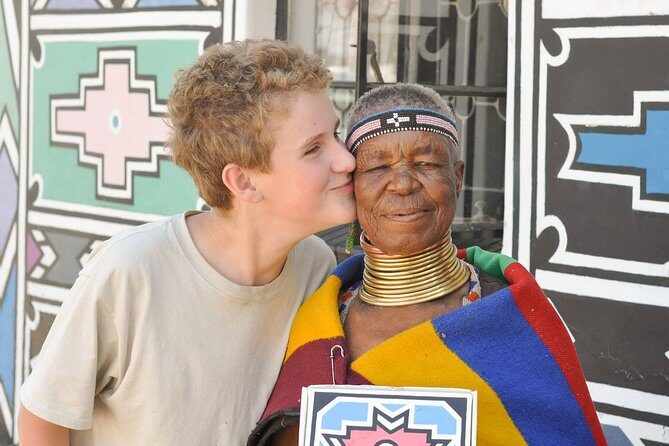
Sandton is where Johannesburg looks polished. You’ll drive through it as the tour sets up the contrast theme in plain terms. The guide’s narration helps you read what you’re seeing—how a neighborhood’s wealth changes street life, housing styles, and the way people experience safety and opportunity.
This part works best if you’re willing to look beyond the obvious. Sure, Sandton looks like money. But the tour pushes you to notice what wealth enables: more space, more services, and the ability to plan. Even if you’ve visited other wealthy districts around the world, Sandton’s role in Johannesburg’s inequality is a specific story.
A drawback here is subtle: if you expect a list of famous landmarks, Sandton can feel more like a “glance and learn” section. The payoff is that the narration sets up what comes next, especially Alexandra.
Alexandra (Alex): Two Shanty Home Visits and the Real Constraints

Leaving Sandton, the change can feel immediate. Alexandra is called Alex by residents, and that familiarity is part of what the guide brings into the day. This neighborhood isn’t treated like a problem set. It’s treated like a community with routines, relationships, and coping strategies.
You’ll visit two shanty homes and interact with residents. The tour specifically highlights extreme conditions such as no water and very cramped space. Those details aren’t just facts to collect. They help you understand why daily life can be physically exhausting and stressful, even when people are determined to move forward.
This is also where I’d slow down mentally. Don’t treat the visit like a charity photo moment. Think of it as learning how people manage scarcity—how they organize their day, where they find normalcy, and what resilience looks like at street level.
One practical consideration: these conditions are likely to be challenging, so come ready to be respectful, quiet when needed, and mindful about what questions you ask. If you’re the type who gets uncomfortable with poverty in close range, this segment may feel like a lot.



Johannesburg City Center: Keeping the Story Connected
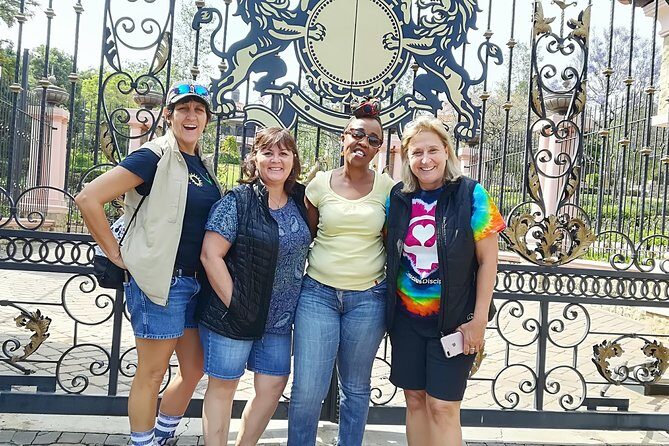
After Alexandra, you move through Johannesburg city center. This isn’t just for “filling time.” It helps connect the dots between neighborhoods. City center scenes often reflect how money, government, services, and infrastructure affect movement through the city.
The guide’s narration is key here. Without context, city center can blur into traffic and buildings. With context, it becomes a link: you see how different areas plug into the same city systems, and how unequal access can shape everything from housing to jobs.
If you’re someone who likes a clear timeline, you’ll likely appreciate how the tour uses the ride to keep the narrative coherent. If you’re more into specific stops, this section may feel more like “see and listen” than “walk around and explore.”
Soweto: From Contrasts to Reconciliation
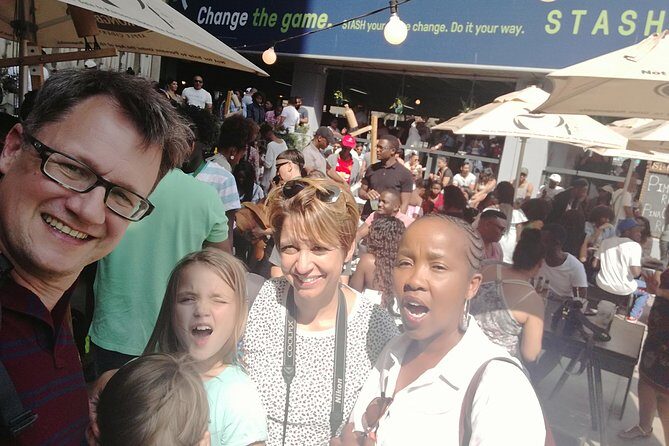
Soweto rounds out the experience. You’re still in the same contrast framework, but the meaning shifts. The tour frames how freedom and reconciliation were won at a high price—so you’re not just looking at inequality, you’re also seeing how communities transformed under pressure.
This part is valuable because it stops the story from ending at deprivation. The day becomes more about identity, struggle, and agency, not just hardship. You’re reminded that neighborhoods like Soweto aren’t defined only by what lacks; they’re also defined by people, culture, and history.
The route matters too. By the time you reach Soweto, you’ve already watched the geography of inequality unfold. That makes the final segment land harder—in a thoughtful way, not a gimmick.
The Guide Factor: When You Get Thuli, You’re in Good Hands
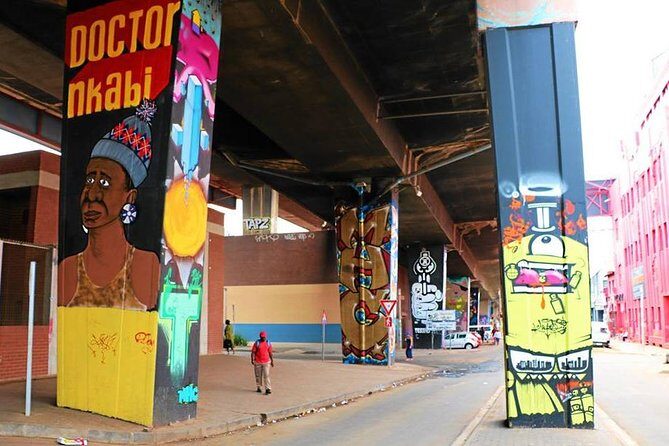
A recurring theme in the feedback is a specific guide named Thuli. When Thuli leads the tour, people describe the experience as more informative and more revealing than the usual “checklist” sightseeing.
Two details come up again and again: Thuli speaks German (useful if you’re planning to travel with someone who prefers German) and she’s described as energetic and engaged, with clear, well-grounded political positions. That combination can be great if you want your tour to make sense of current realities, not just repeat general statements.
That also means the tour may ask you to think, not just listen. If you’re the type who likes sharp opinions supported with explanation, this is a strength. If you prefer a strictly neutral tone, you should know that the guide may bring strong interpretations to the discussion.
Also, there’s one cautionary note from a German report claiming the guide didn’t appear and the tour didn’t run as expected. I can’t confirm anything beyond what’s written, but it’s a good reminder to double-check your booking for the correct day and time and be ready to contact the operator if plans look off.
Price and Value: Is $165.19 a Fair Deal?
At $165.19 per person for about 6 hours, this tour isn’t a budget “drive-by.” You’re paying for three things: a guided narrative, vehicle transport, and entry/admission coverage for the experience format.
Here’s what you get that helps the value math:
- Vehicle included
- Guide included
- Fully narrated format
- Snacks and soft drinks included
- Admission ticket included
What you don’t get:
- Meals
- Alcoholic drinks
So the best way to judge value is to compare it to what it would cost you to do the same itinerary with a safe, knowledgeable local guide handling routing and context. If you want the neighborhoods connected into one story—Sandton to Alexandra to Soweto—this price can feel fair because the guide work is the product.
If you’re only interested in taking photos or doing a light overview, it may feel expensive. The tour earns its cost when you’re ready for questions, conversation, and a realistic portrayal of Johannesburg.
What to Bring (and How to Show Up Respectfully)
This tour includes snacks and soft drinks, but you’ll still want to think like it’s a day in the city with stops in areas that may feel physically different from what you’re used to.
I’d bring:
- A small amount of cash for any personal purchases after the tour (since meals aren’t included)
- Comfortable shoes for walking during home visits or stops
- A respectful mindset for interacting with residents in very constrained living spaces
Most importantly, come prepared for the contrast to be uncomfortable. That discomfort is part of the point—learning how inequality looks when it’s measured in water access, space, and daily routine.
Who This Tour Suits (and Who Might Skip It)
This is a strong choice if you want more than the usual city highlights and you care about understanding how Johannesburg still works on unequal terms. The combination of narration, local guiding, and home interactions makes it ideal for people who like context and real conversation.
You’ll probably enjoy it most if:
- You’re curious about how apartheid-era changes still echo in neighborhoods today
- You like guided explanations and structured storytelling
- You’re comfortable engaging respectfully with residents
You might want to consider another option if you dislike heavy social themes or you’re looking for a relaxed, purely scenic outing. Alexandra in particular is likely to feel intense because the tour focuses on extreme poverty and cramped conditions.
Should You Book the Contrast Tour?
I’d book it if you want a guided, story-led route that explains Johannesburg’s inequality in a human way—Sandton’s wealth, Alexandra’s constraints, and Soweto’s deeper meaning. The small group size and the chance to interact during two shanty home visits are the standout reasons to choose this over a typical city drive.
But I’d hesitate if you’re hoping for an easy day, or if emotional heaviness would drain you instead of teach you. Also, because there’s at least one report of the tour not running due to a missing guide, confirm your details for your exact date before you set out.
If you go with the right expectations—respectful, curious, and ready to listen—this tour can be a powerful way to understand Jozi beyond postcards.
FAQ
What is the duration of the Contrast Tour?
The tour lasts about 6 hours.
What time does the tour start?
It starts at 10:00 am.
How much does the tour cost?
The price is $165.19 per person.
What’s included in the price?
Included are the vehicle, a guide, snacks and soft drinks, and an admission ticket.
What isn’t included?
Meals and alcoholic drinks are not included.
Is the group size limited?
Yes. The tour has a maximum of 6 travelers.
Do I need a printout or ticket to join?
No. It uses a mobile ticket.
Can kids join?
Children must be accompanied by an adult.
Where does the tour start and end?
It starts at Johannesburg, Johannesburg, Greater Johannesburg, Gauteng at Atamela Tours and ends back at the meeting point.
Is it easy to get to the meeting point?
The meeting point is listed as near public transportation.
What if my plans change?
You can cancel for a full refund up to 24 hours before the experience’s start time.