REVIEW · JOHANNESBURG
Enlightening Elephants And Monkeys Sanctuary Guided Day Tour
Book on Viator →Operated by Solly · Bookable on Viator
Elephants and monkeys, sorted with zero hassle. I love the door-to-door hotel pickup and the fact that your guide adds real context to what you’re seeing, not just a quick drive-by. I also like the structure: you get focused time with elephants, then monkeys, instead of rushing everything. One watch-out: lunch isn’t included, so you’ll want to plan for food before you go.
About 90 minutes outside Johannesburg, this is built for an easy day out. You’ll ride in an air-conditioned vehicle, meet your guide on arrival, and spend around four hours inside the sanctuary area, with admission tickets included as part of the package.
The trade-off for that convenience is that you’re on a schedule for an 8-hour day. This is a guided group experience (max 25 people), and good weather matters since the tour requires it.
In This Review
- Key things I’d circle on your calendar
- Why this Hartbeespoort sanctuary day trip feels like a win
- Johannesburg to Hartbeespoort: how the day stays controlled
- Monkey Sanctuary first: what to expect at the Hartbeespoort stop
- The elephant encounter: behavior and anatomy you can actually use
- Bush Babies Monkey Sanctuary: free-living primates in context
- The guides and pickup flow: what makes the day feel smooth
- Price and value: what you’re paying for at about $228
- What to bring and how to pace your day
- Who this tour suits best (and who might want to pass)
- Should you book this Johannesburg elephant-and-monkey guided day?
- FAQ
- How long is the guided tour?
- What’s included in the price?
- Is lunch included?
- Do they offer pickup in Johannesburg?
- How big is the group?
- What happens if the weather is bad?
Key things I’d circle on your calendar

- Pickup from Johannesburg and return door-to-door: less stress than self-driving, and the timing is handled for you.
- Two dedicated viewing blocks: about 2 hours with elephants and 2 hours with monkeys.
- Guide-led elephant behavior and anatomy cues: you learn what you’re looking at, including how elephants stand and what that means.
- Monkeys in a natural, freer environment: the monkey sanctuary is positioned next to the elephants’ setting.
- Small-group feel: capped at 25 travelers for a more controlled, manageable day.
- Bottled water and an A/C vehicle: small comfort wins that matter on a full day.
Why this Hartbeespoort sanctuary day trip feels like a win
If your goal is close animal encounters without the headache of navigating unfamiliar roads, this kind of guided day tour is exactly your friend. You get the convenience of Johannesburg pickup and drop-off, plus a guide who steers the day with explanations you wouldn’t get if you were going on your own.
The value is not only in seeing African elephants and free-living monkeys, but in how the tour teaches you to read animal behavior. That’s why this feels more rewarding than a simple sightseeing stop. You’re not just watching. You’re being pointed toward the details that help everything make sense.
There’s also a strong practical angle here: admission tickets and bottled water are included. That means fewer add-ons, fewer surprise costs, and less decision fatigue once you’re already out for the day.
You can also read our reviews of more guided tours in Johannesburg


Johannesburg to Hartbeespoort: how the day stays controlled
The trip starts in Johannesburg, then heads out roughly 90 minutes to the Hartbeespoort Dam area. You’ll travel in an air-conditioned vehicle, and pickup is offered from hotels, guesthouses, and residences.
For me, this matters because it removes a big chunk of friction. Self-driving in South Africa can be rewarding, but it can also eat your energy when you already planned a long day around animals. With pickup and drop-off included, you can focus on being present once you arrive.
The tour runs about 8 hours total. That’s a full day, so I’d treat it like one: comfortable shoes, water planning (you do get bottled water), and a realistic expectation of timing. The group is capped at 25 people, which is big enough to be social but small enough for guidance and pacing.
Monkey Sanctuary first: what to expect at the Hartbeespoort stop
This day is organized so that the monkey sanctuary area comes right alongside the elephant sanctuary experience. You arrive, meet your guide, and then you settle into the sanctuary flow.
Even though the order is described as starting with the monkey sanctuary area, the day’s guided time splits into two big blocks: about two hours for elephants, then two hours for monkeys. In practice, that means you’re switching gears between two different animal “modes” and letting your guide explain what to look for in each setting.
What I like about this arrangement is that it reduces guesswork. You’re not wandering and trying to figure out which area to prioritize. Your guide keeps you moving through the experience at a pace that makes sense for your time there.
Also, since the monkey sanctuary is described as next door and focused on primates given freedom in a natural environment, you’re not dealing with a sterile, one-note zoo vibe. You’ll be walking into a space where animals are living in a freer way than typical captive setups.
The elephant encounter: behavior and anatomy you can actually use
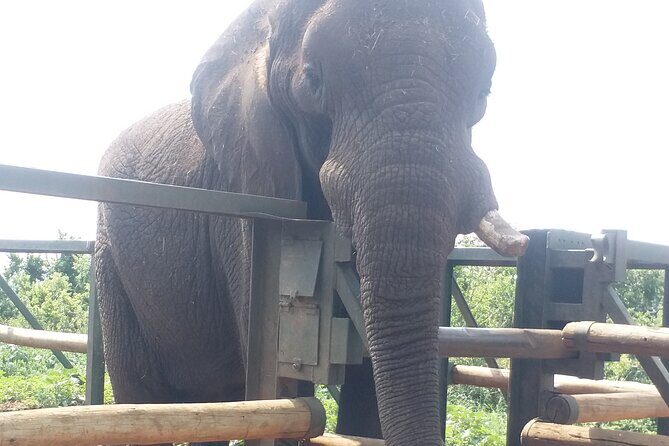
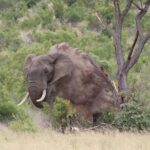
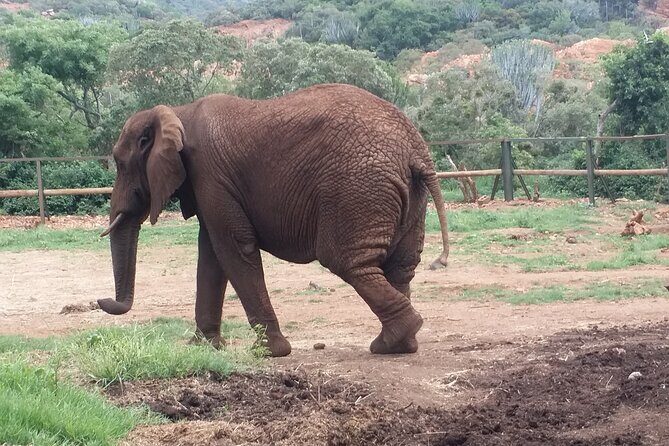
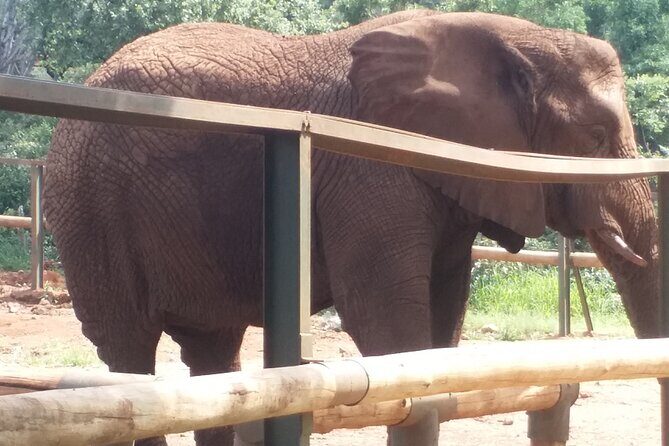
Your elephant time is the core of the day, and the guide role is where the experience gains depth. During the elephant portion (about two hours), you’ll get explanations on elephant habits, family structures, and how elephant dynamics work.
The guide also calls out anatomy and physical context, including the height at which an elephant stands. That kind of detail changes how you see things, because you stop thinking of elephants as distant shapes and start reading posture, distance, and movement in a more informed way.
From the same guided approach, I also pick up on the tour’s conservation angle. The sanctuary setting is presented as letting elephants live their best lives, and the point isn’t just closeness for photos. It’s learning how these animals live and interact, then connecting that to why sanctuaries matter.
A quick note on “how close” you’ll feel: the experience is designed for getting close at the Elephant Sanctuary at Hartbeespoort Dam, but exact viewing distance isn’t spelled out. What you can count on is that it’s guided and time-based, with about two hours specifically set aside for elephants.
Bush Babies Monkey Sanctuary: free-living primates in context
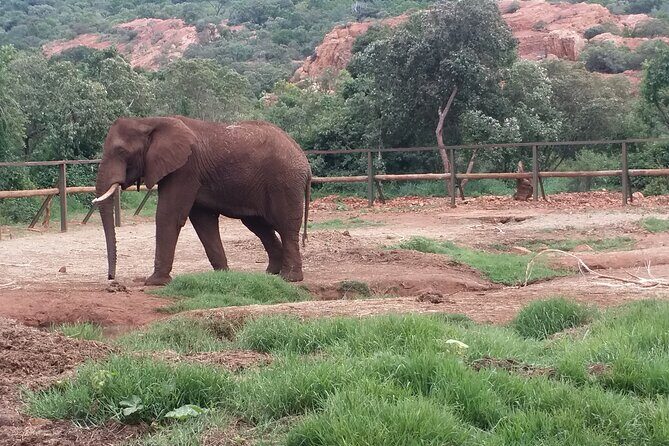
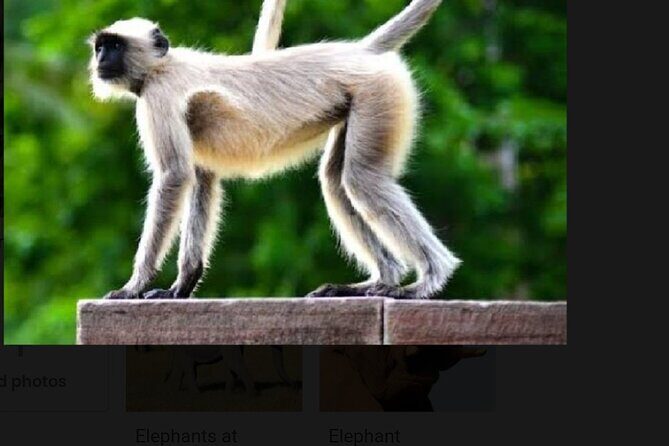
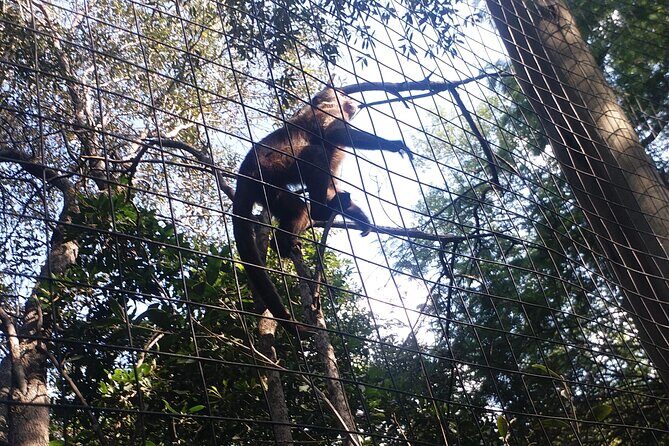
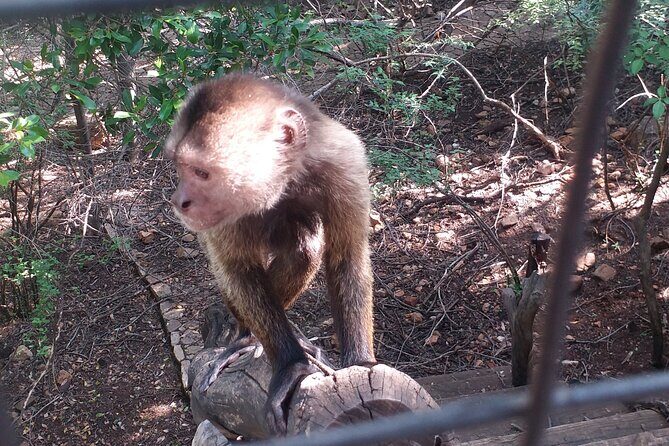
After the elephants, you switch to monkeys in their natural environment at the Bush Babies Monkey Sanctuary. This is described as free-living monkeys in a wild setting, where the primates are given freedom rather than being staged.
What makes this part work well on a guided tour is context. Without explanations, you might focus only on motion and noise. With guidance, you’re more likely to notice what different primates are doing and why they’re doing it, even if you can’t fully translate behavior on your first pass.
You’ll typically spend about two hours here. That’s a good amount of time because primate activity can be intermittent. If you’ve ever watched animals and thought the action only happens when you look away, you’ll appreciate having a guide-directed block of time instead of a rushed stop.
Also, because the elephant and monkey experiences sit close together, the transition feels smooth. You don’t burn time changing locations or doubling back, which keeps your day focused on animals rather than logistics.
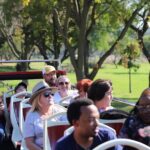
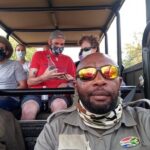

The guides and pickup flow: what makes the day feel smooth
Two specific examples from the experience stand out: one pickup was handled by Brian, with the ride described as safe and punctual. On-site guidance was provided by James, who was described as funny and very well informed.
Even if you’re not paired with the same staff, I’d still treat those details as a signal. This tour clearly emphasizes communication and reliable timing, not just “show up and hope.” You’ll likely feel that in the flow from Johannesburg pickup to arrival and throughout your guided stops.
What you should care about most as a reader is how much mental load the tour removes. When pickup and drop-off are handled clearly, and the guide is on time, you spend less energy worrying and more energy watching and learning.
Price and value: what you’re paying for at about $228
At $228.37 per person for an approximately 8-hour guided day, it’s not a budget impulse buy. But it’s also not just a ride out to a viewpoint.
Here’s what that price covers based on the tour details:
- guided elephant and monkey sanctuary time
- admission tickets included
- air-conditioned vehicle
- bottled water
- all fees and taxes
- pickup offered from Johannesburg hotels, guesthouses, and residences
What’s not included:
- lunch
- coffee and/or tea
- snacks
To me, the best way to judge value is this: you’re paying for structured animal time plus guidance that explains behavior, family dynamics, and anatomy. If you were to recreate that day on your own, you’d still be paying for transportation, admissions, and your own time hunting down the right explanations.
So, the money makes more sense if you want the “learn while you watch” part, not only the viewing part. If you’re the type who prefers to wander independently with no guide, you might feel the cost more sharply. If you enjoy learning and want the day to run without stress, the price is easier to justify.
What to bring and how to pace your day
Since lunch is not included, I’d treat food as your main planning item. Plan a meal strategy before pickup or be ready to purchase food after the sanctuary blocks. The tour does include bottled water, but that doesn’t replace thinking about snacks if you tend to get hungry during long days.
Also, since the experience requires good weather, have a practical mindset about rain or poor conditions. If the weather turns, you’ll be offered a different date or a full refund, so you won’t be stuck with a ruined outing and no options.
On the clothing side, the tour runs several hours outdoors at sanctuaries. I’d go with comfortable, practical footwear and sun protection habits you already trust, because you’ll be spending your time on foot.
Who this tour suits best (and who might want to pass)
This is a strong fit if you want:
- guided explanations of elephant behavior and anatomy
- close, time-based encounters with elephants and primates
- a Johannesburg departure that’s simple and not self-drive dependent
- a day plan that stays organized, with a small group cap
It may be less ideal if:
- you strongly dislike guided group pacing
- you need lunch included as part of the package
- you’re traveling during a period where weather is often poor and you won’t be able to adjust plans
If you’re traveling as a couple or small group and you want a meaningful, educational animal day without handling the route, this is the kind of tour that tends to land well.
Should you book this Johannesburg elephant-and-monkey guided day?
I’d book it if you value structure and learning as much as the animal encounters. The guided approach is the main reason this feels worth it: you’re not just seeing elephants and monkeys, you’re being taught what to notice, including family and behavior patterns and physical context like how elephants stand.
I’d think twice if you’re counting on lunch being included or if you’re booking during uncertain weather and won’t be able to shift dates. With those two considerations handled, this tour is a solid, practical way to experience Hartbeespoort Dam’s sanctuaries in a single, well-managed day.
FAQ
How long is the guided tour?
The experience lasts about 8 hours.
What’s included in the price?
All fees and taxes are included, along with an air-conditioned vehicle, bottled water, and admission tickets.
Is lunch included?
No. Lunch is not included, and coffee and/or tea and snacks are also not included.
Do they offer pickup in Johannesburg?
Yes. Pickup is offered from Johannesburg hotels, guesthouses, and residences.
How big is the group?
The tour has a maximum of 25 travelers.
What happens if the weather is bad?
This experience requires good weather. If it’s canceled due to poor weather, you’ll be offered a different date or a full refund.