REVIEW · PRETORIA
Half Day Soweto and Apartheid Museum Guided Tour
Book on Viator →Operated by Thiya Tours and Safaris · Bookable on Viator
Hard truths, strong storytelling, and street-level context. I love how the Apartheid Museum turns abstract policy into faces, photos, and artifacts you can sit with for a full 2 hours. Paired with a drive through Johannesburg landmarks, it gives you the why behind what you’re about to see in Soweto.
I also like the Soweto route, because it mixes major names with everyday places on Vilakazi Street and in Mandela’s home. In the Mandela House Museum, you get a guided walk through the house and exhibits, plus time for inside photos. You finish the tour with a briefing tied to the 1976 student uprising, which helps the story land instead of fading.
The main drawback is timing: this is about five hours, so some stops are brief drive-bys rather than long visits. Also, lunch and drinks beyond bottled water aren’t included, so plan where to eat before or after.
In This Review
- Key things I’d watch for before you go
- A half-day route that actually connects the dots
- Johannesburg warm-up: Houghton Estate, Munro Drive, and what those stops mean
- Entering the Apartheid Museum: 22 exhibition areas and a smart 2-hour pace
- Diepkloof, Baragwanath Hospital, and the cooling towers: Soweto beyond the headline
- Vilakazi Street and Mandela House: where you’ll feel the story in your body
- The 1976 uprising memorial briefing: the moment history stops being abstract
- Price and logistics: is $85.06 actually good value?
- Should you book this Soweto and Apartheid Museum tour?
- FAQ
- How long is the Half Day Soweto and Apartheid Museum Guided Tour?
- Is pickup included?
- What museum admissions are included?
- What’s included in the tour price besides transportation?
- Is lunch included?
- What is the cancellation window?
Key things I’d watch for before you go
- Private guide, private time: your group only, with a focused pace rather than constant regrouping.
- Two “anchor” museums: the Apartheid Museum (2 hours) plus Mandela House (guided, 30 minutes).
- Johannesburg-to-Soweto contrast built in: Houghton Estate, Munro Drive, and the Soweto stops come in a logical flow.
- Institutional stops that add texture: Diepkloof Park, Chris Hani Baragwanath Academic Hospital, and the cooling towers area.
- Real street context on Vilakazi Street: the Nobel Laureates connection is part of the route, not just trivia.
- Photo opportunities in meaningful places: inside shots at Mandela House and panoramic views from the cooling towers.
A half-day route that actually connects the dots

This tour works when you want more than a checklist. You start in the Johannesburg area with orientation points, then you move into Soweto where the story becomes physical: streets, buildings, schools, and public institutions. You’ll spend your longest time inside the Apartheid Museum, which sets the historical frame for everything else you see outside.
The format also helps you avoid a common problem: you get the context first, and then you can look at places with sharper eyes. One minute you’re driving past recognizable landmarks; the next you’re thinking about forced segregation and resistance. The result feels less like sightseeing and more like understanding how people lived through the system.
You can also read our reviews of more guided tours in Pretoria


Johannesburg warm-up: Houghton Estate, Munro Drive, and what those stops mean
You begin with pickup at your hotel, then a general introduction that helps you get your bearings fast. This matters here because Johannesburg can feel like a blur if you’re not sure what you’re seeing. With a guide running the day, the drive stops become teaching moments instead of scenery.
Houghton Estate is your first “names-and-place” stop. Mandela lived in the neighborhood, and the tour notes that his most famous residence is in the area where he died in December 2013. That’s a big shift from cold museum learning to a real geography of memory. Even if you don’t stop for long, seeing how the route includes Mandela’s home area tells you this isn’t only about what happened to people—it’s also about who they became.
Then you head to Munro Drive, described as a national monument built by Italian prisoners of war captured in World War II. There’s also a scenic angle: views over the northern suburbs and the world’s largest man-made subtropical forest. I like this stop because it adds an uncomfortable truth: even when you’re learning about apartheid-era oppression, the region has older layers of history and migration. It reminds you that South Africa didn’t start being complicated in 1948.
Finally, the tour drives past FNB Stadium, currently the largest football stadium in Africa, tied to major moments of the 2010 FIFA World Cup. It’s brief, but it’s also useful. You get a sense of modern South Africa operating on a global stage, even while the day is anchored in apartheid’s impact.
Entering the Apartheid Museum: 22 exhibition areas and a smart 2-hour pace
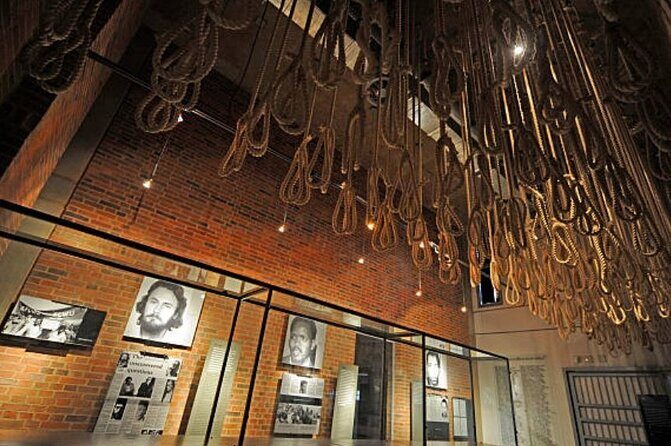
Your core stop is the Apartheid Museum, with admission included and about 2 hours on-site. The museum is organized into 22 individual exhibition areas, and the description emphasizes film footage, photographs, text panels, and artifacts that center human stories. That mix is important for practical reasons: if you rely only on text, it can blur. If you rely only on visuals, the timeline can feel jumpy. Here, you get both.
What to expect during your time there:
- You’ll move through separate areas that cover different periods of apartheid rule.
- You’ll see provocative audiovisual content and real artifacts, not just high-level summary panels.
- You’ll likely find yourself slowing down in certain rooms, because the museum is designed to make you confront what segregation meant day-to-day.
Here’s how I’d pace the 2 hours so you don’t get overloaded. Start by choosing one or two themes you care about most, like forced work and movement restrictions, resistance, or how laws were enforced. Then let the rest of the rooms fill in the gaps. You don’t need to read every line cover-to-cover to get the full impact—you just need enough structure to connect the story.
If your guide speaks with clarity, you’ll benefit even more. In the guides that have delivered strong experiences on this route, the common thread is explanation that turns objects into meaning. If you can ask a quick question mid-visit, do it. It’s the easiest way to transform “I saw it” into “I understand it.”
Diepkloof, Baragwanath Hospital, and the cooling towers: Soweto beyond the headline
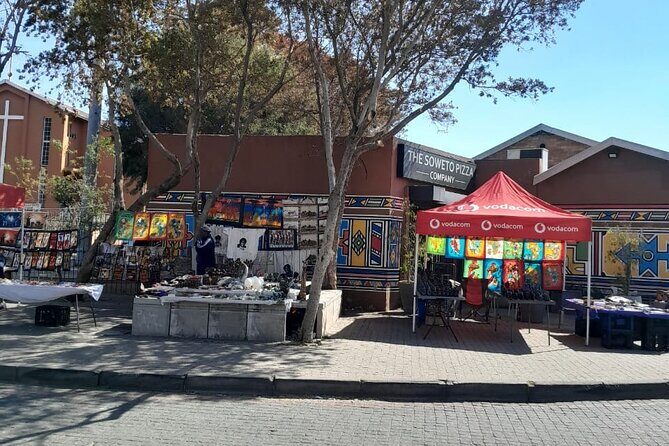
After the museum, the day shifts from indoor timeline to outdoor texture. Some stops are short, so you have to use them as context clues. You’re building an image of Soweto as a place with professionals, public services, and landmarks—not only as a symbol.
Diepkloof Park is framed as a warm welcome to Soweto, split into sections. The tour description highlights Diepkloof Extension as an upmarket area where many professionals live. The details also point out house styles—formal, owner-built, larger homes—and ownership patterns by Black lower and upper middle class. Even in a quick pass, that’s useful. It complicates the stereotype that township life is only one kind of hardship. People were also building homes, careers, and stability inside a constrained system.
Then you drive past Chris Hani Baragwanath Academic Hospital. This is not a quick “pretty building” stop. It’s described as a major public hospital—about 3rd largest in the world—with around 173 acres, approximately 3200 beds, and about 6,760 staff members. When you know the scale, it changes how you view the area. Healthcare isn’t an afterthought here; it’s a major employer and a key service. Even if you only see it from the road, the point lands.
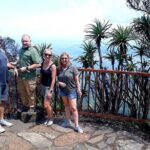
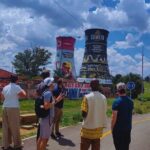
The next landmark is the cooling towers, now used as an entertainment center. The tour notes a bungee jump and a barbecue restaurant, plus the big draw: panoramic views from the top of the 100m-tall towers. This is a rare moment where you get both perspective and modern life in the same place. And because you can look out over the township, it’s a good mental reset after the museum’s weight.
If you’re sensitive to height or crowds, plan your time accordingly. But if you can handle stairs/elevators and want a wide view, this is one of the most memorable visual moments on the route.
Vilakazi Street and Mandela House: where you’ll feel the story in your body
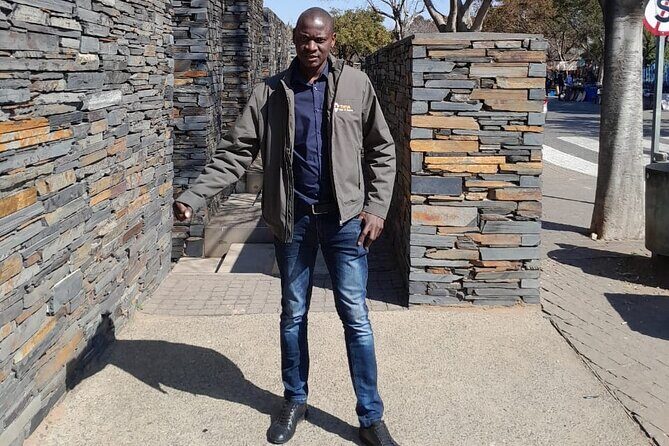
Vilakazi Street is described as the thriving heart of Soweto, and the tour points out a standout fact: it may be the only street in the world with two Nobel Laureates as residents—Nelson Mandela and Archbishop Emeritus Desmond Tutu. That detail matters because it links apartheid-era leadership to the neighborhood’s present identity. It’s not just about what was done to people; it’s also about what people built afterward.
You also get a practical stop tied to the street: near the Mandela House Museum sits Sakhumzi Restaurant, known for a Soweto-style buffet. The description lists traditional dishes like umngqusho (samp and beans) and mogodu (tripe). The tour doesn’t say you must eat there, but it does give you a real food anchor in the middle of the day. If you’re trying to avoid hunger during intense museum time, this kind of nearby option helps you plan.
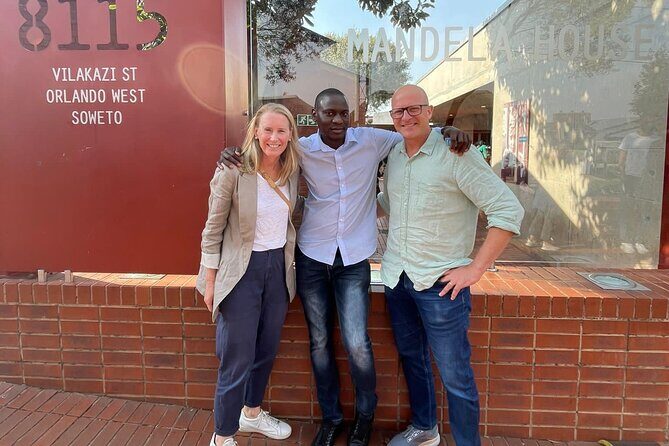
Next comes Mandela House. You get a site guide for a short guided tour of the house, a home once owned by Nelson Mandela. You’ll also get time for pictures from inside the house. The exhibits and interpretation are described as using sound, film, and interpretive panels, plus guided tours. That’s a smart combination for a shorter visit: it gives you emotional and factual context without turning into a 3-hour marathon.
What I like most about Mandela House as a stop is the way it changes your relationship with the past. After the Apartheid Museum, your brain is trained to think in systems and laws. Mandela House pulls the focus toward one person’s life and decisions—without letting you forget the broader context.
You can also read our reviews of more museum experiences in Pretoria


The 1976 uprising memorial briefing: the moment history stops being abstract

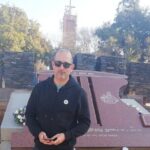
Towards the end, you get a briefing connected to the 1976 Soweto student uprising. The tour description says the briefing is tied to a museum named after one of the victims, a thirteen-year-old boy, and that it stands as a symbol of resistance against the brutality of the apartheid regime. You’ll also pass the memorial as the guide explains what happened and why it mattered.
This is the part of the day that often sticks because it’s about a turning point driven by young people. Even if you don’t spend long here, the guided explanation helps you understand why the uprising is referenced so often in South Africa’s story. Without that context, it can feel like a date you’ve heard before. With context, it becomes a lived event with consequences.
It also loops back to Vilakazi Street’s Nobel connection. Mandela and Tutu are often discussed in terms of leadership and reconciliation. The uprising briefing adds the missing middle: it shows how pressure built from below and how resistance shaped what became possible.
Price and logistics: is $85.06 actually good value?
At $85.06 per person for about 5 hours, this is a fair price if you care about using time well. The big value items are:
- Air-conditioned vehicle and private transportation
- Bottled water
- Admission included for the Apartheid Museum and Mandela House Museum
Those museum admissions can turn into real costs if you book them separately. On top of that, you’re not just going to one site—you’re moving through multiple meaningful locations across Johannesburg and Soweto, with a guide handling explanations.
What to watch:
- Lunch is not included, and neither is coffee/tea. The day is packed with heavy content, so if you wait too long to eat, you’ll feel it.
- Some stops are short (drive-by or brief viewing), so this isn’t the right choice if you want long time in every neighborhood.
- You’ll use a mobile ticket, which is convenient, but you’ll still want your phone charged and ready.
My practical planning advice: eat something before the tour if you can, or plan to use the Vilakazi Street area for food after. Wear comfortable shoes—Soweto and museum interiors both involve a fair bit of walking, even when the stop times are short.
Should you book this Soweto and Apartheid Museum tour?
I’d book it if you want a well-paced overview with real context, not just a drive through landmarks. The strongest reason to go is the combination of the Apartheid Museum’s 2-hour, structured experience with Mandela House’s guided house visit, then a set of Soweto stops that connect the story to place.
I’d skip (or pair with extra time) if you’re the type who wants extended time in every stop. Since the route runs about five hours, you’ll be doing more “guided moments” than “hours of wandering.”
One last thing: on a route this emotional and detailed, a good guide really changes the day. The best experiences on this tour are tied to guides who explain clearly and keep the pacing steady. If you can, choose the option that gets you a strong, engaging guide for your group.
FAQ
How long is the Half Day Soweto and Apartheid Museum Guided Tour?
The tour is listed at about 5 hours.
Is pickup included?
Yes. Pickup from your hotel is offered.
What museum admissions are included?
Admission is included for the Apartheid Museum and Mandela House Museum.
What’s included in the tour price besides transportation?
The tour includes an air-conditioned vehicle, private transportation, and bottled water.
Is lunch included?
No. Lunch and coffee/tea are not included.
What is the cancellation window?
You can cancel up to 24 hours in advance for a full refund. Cancellations made less than 24 hours before the experience start time aren’t refunded.