REVIEW · JOHANNESBURG
Johannesburg: Pan-African Cooking & Dinning Experience
Book on GetYourGuide →Operated by Honest Travel Experience · Bookable on GetYourGuide
A home dinner in Johannesburg beats a restaurant run. This Pan-African cooking and dining experience strings together a market ingredient hunt, hands-on cooking, and an evening meal with storytelling that’s meant to feel personal. I like that you’re cooking real dishes (not just watching), and I also like the focus on what goes into food—spices, nutrition, and homegrown ingredients. One drawback to consider: timing can be tight, and in at least one case pickup and the market stop ran late, so I’d plan with a little buffer in your evening.
In about four hours, you go from buying ingredients to cooking a starter and main, then sitting down for a shared meal around the table. You’ll choose a vegan (organic) option or a meat option, so you can match the menu to your preferences without feeling like you’re on the side.
It’s also built for conversation. The chef shares a personal culinary journey and you’re welcome to add your own stories, which can make the night feel more like hosting than a class. Just know it’s a small group setup with English/French instruction, so if you’re extra shy, you can still participate by working at the cooking station.
In This Review
- Key things to know before you go
- Starting in Sandton: Pickup, timing, and what the 4 hours really feel like
- Market tour in Johannesburg: Where the cooking story begins
- The welcome at a local home: Tasks, drinks, and vegan-meat options
- Cooking Pan-African dishes: Starter and main, step by step
- If you’re a spice skeptic
- Dining and storytelling: Wine, beer, and the chef’s personal journey
- Nutrition talk and homegrown food: Why this isn’t just recipes
- Price and value: Is $102 worth it?
- Who should book this Johannesburg night, and who might skip it
- Practical tips so you get the best night
- Should you book the Pan-African Cooking & Dining Experience?
- FAQ
- How long is the Johannesburg Pan-African cooking and dining experience?
- Where does pickup happen?
- Is there a vegan option?
- What do I do during the experience?
- Does the price include transportation and food?
- Are extra alcoholic drinks included?
- What languages are offered?
- Is the experience wheelchair accessible?
- What’s the cancellation policy?
Key things to know before you go
- Market first: You start with a guided visit to an open-air market or a supermarket, depending on the day.
- A real home kitchen: You cook at a local home, not in a studio classroom.
- Two-part meal you’ll make: You prepare a starter and main course together.
- Choice of meals: Options include vegan (organic) and meat.
- Food plus nutrition talk: You’ll discuss healthy eating and homegrown food.
- Dinner with stories: You eat alongside local wines or beers while the chef shares their path.
Starting in Sandton: Pickup, timing, and what the 4 hours really feel like
This experience is organized around hotel pickup in Sandton (and pickup within about 10 km of the city center). That’s a real convenience in Johannesburg, where hopping between neighborhoods on your own can turn into a time-sink.
The listed duration is 210 minutes to 4 hours, which sounds neat on paper. In practice, the flow depends on how smoothly the group moves from pickup to the market to the home kitchen. One thing I’d do as a practical traveler: keep your evening flexible, and be ready for the start time to drift if the schedule runs behind.
On the plus side, having pickup and drop-off built in means you don’t have to figure out transport after dark. And since the experience includes a welcome drink and then wine or beer with dinner, it’s a smart setup if you’d rather not call rides between stops.
You can also read our reviews of more cooking classes in Johannesburg
Market tour in Johannesburg: Where the cooking story begins
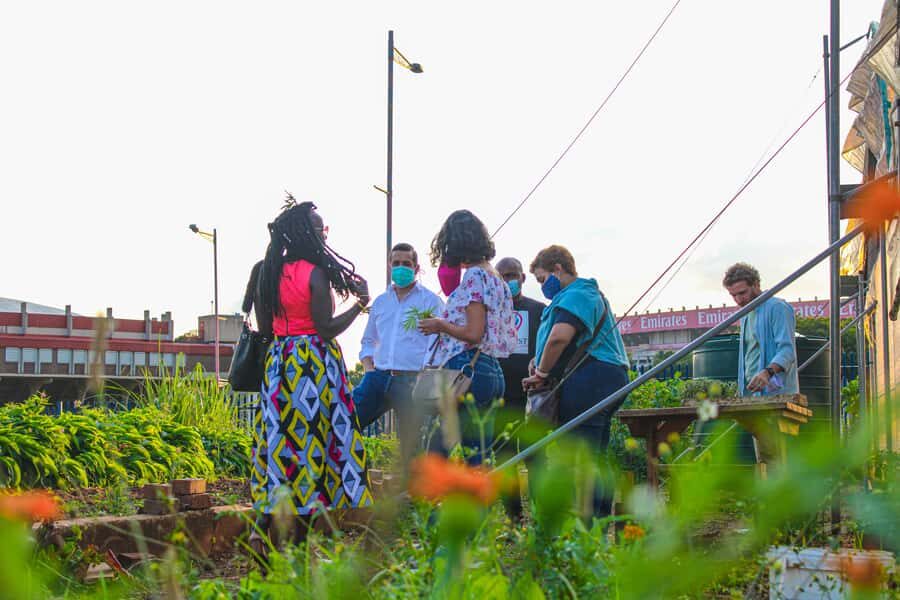
Your evening starts with a market visit led by the chef. Depending on the day, that’s an open-air market or a supermarket. Either way, you’ll walk through ingredients that shape the meal—things like spices and local produce—while the chef connects them to how people actually cook and live.
This is one of the most valuable parts of the night because it changes how you’ll remember the food. Instead of tasting and forgetting, you learn what you’re looking at: what something is, why it’s used, and how it affects flavor. For many people, that’s the difference between a fun meal and a lesson you can repeat later.
One more reason I like this market-first approach: it gives you context. If you’re coming to South Africa for more than a quick bite, the market helps you understand the pantry logic behind what you’ll cook next.
The welcome at a local home: Tasks, drinks, and vegan-meat options

After shopping, you head to a local home for the cooking portion. When you arrive, you’re greeted with a welcome drink—either locally produced wine or juice—followed by a quick tour and some house rules.
Then you get pulled into the cooking process. This isn’t a sit-and-watch class. You’ll be assigned hands-on tasks, which keeps the group moving and helps you learn by doing.
You can also choose between a vegan (organic) menu and a meat option. That matters because Pan-African cooking styles often rely on sauces, spice blends, and technique, not just a single ingredient. If you pick vegan, you should expect to still build flavor the same way—by learning the combinations and steps, not by substituting randomly.
A practical note: the experience lists alcohol as not allowed, yet it also includes a welcome bottle of wine to share and wine with dinner. In real terms, treat it as a hosted meal where any alcohol served is part of their program, not something you’re expected to bring.
Cooking Pan-African dishes: Starter and main, step by step
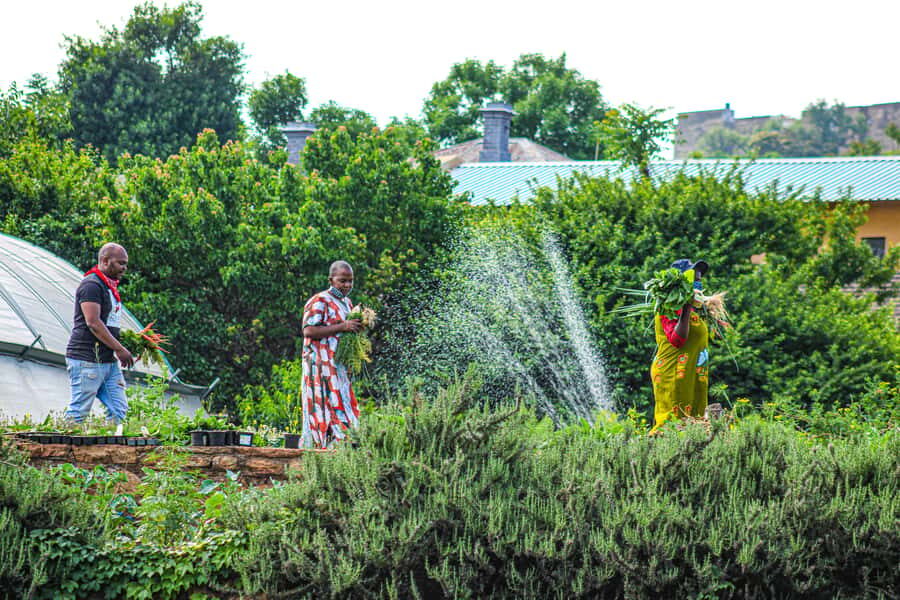
This is the core of the experience: you cook with the chef using step-by-step guidance. The plan is built around authentic Pan-African dishes, including a starter and a main course.
What I like about this setup is that it teaches technique, not just recipes. The descriptions focus on learning how flavors and methods come together—from seasoning to cooking steps—so you’re not stuck memorizing a list. And the menu is framed as Pan-African, meaning you’re meant to recognize diversity across the continent rather than think of African food as one single style.
Some sessions may include outdoors grilling elements over wood fires or a concrete oven setup, depending on the night and the chef. You might also notice multiple pots going at once, which fits the “make it together” vibe and speeds up the group meal.
If you’re a spice skeptic
You’re going to taste spice, and you’ll learn how the flavors behave. The highlight list specifically calls out talking about nutrition and healthy eating, plus homegrown food. That’s helpful if you’re cautious about what’s “healthy” versus what’s just tasty.
And if you want to leave with skills you can use later, ask questions while you’re cooking. The best moments usually happen when you’re standing at the counter chopping or mixing and the chef can answer in real time.






Dining and storytelling: Wine, beer, and the chef’s personal journey
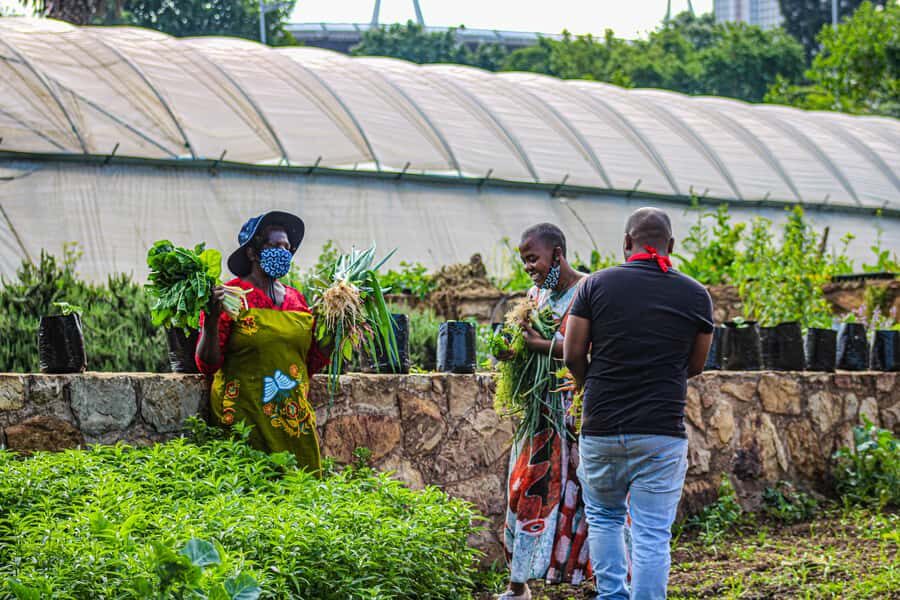
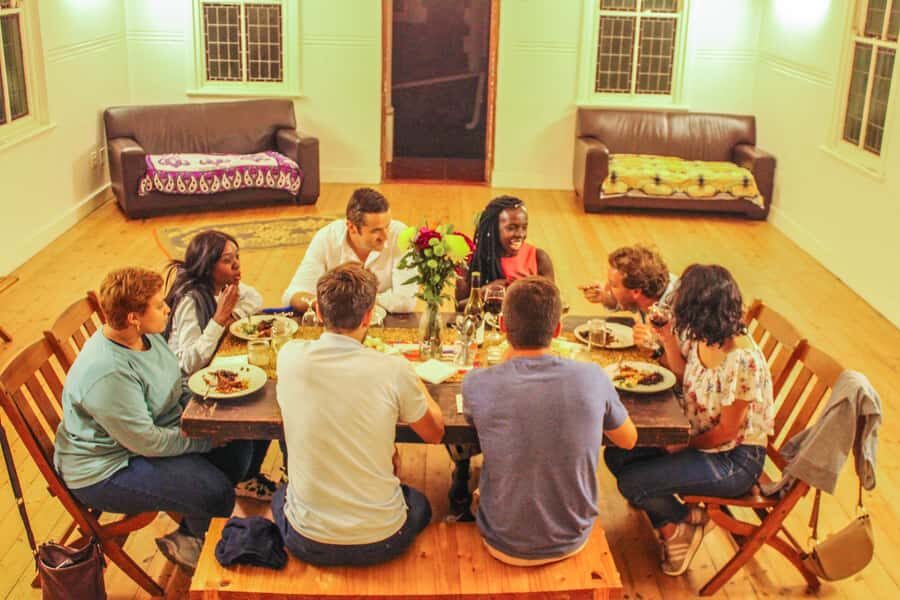
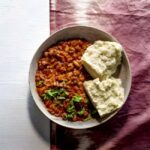
Once the cooking is done, you sit down and eat what you made. The meal is served family-style around a table, along with local wines and beers. It’s the part of the evening where you slow down and actually enjoy the food, instead of chasing the next step.
Storytelling is a formal part of the program. The chef shares a personal story and their culinary journey, and you’re welcome to share your own experiences too, but you’re not required to. In many African cultures, stories pass down food knowledge and identity, and this dinner honors that idea.
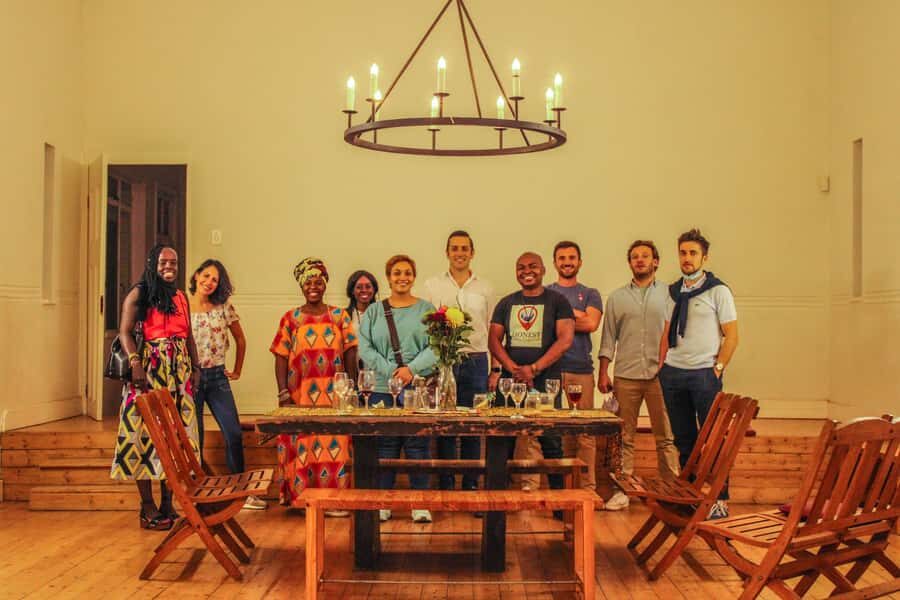
This is also where the experience can go from “cooking class” to “cooking memory.” One session led by Chef Tee is described as creating a warm, at-home vibe, with candlelight and lively conversation as part of the meal. Another example shared by diners is Chef Nonhlanhla (called Noni) Godole, where the cooking included wood fire techniques and the evening felt more like friendship than instruction.
Even if your chef has a different style, the structure stays similar: cook together, then connect over the table.
Nutrition talk and homegrown food: Why this isn’t just recipes
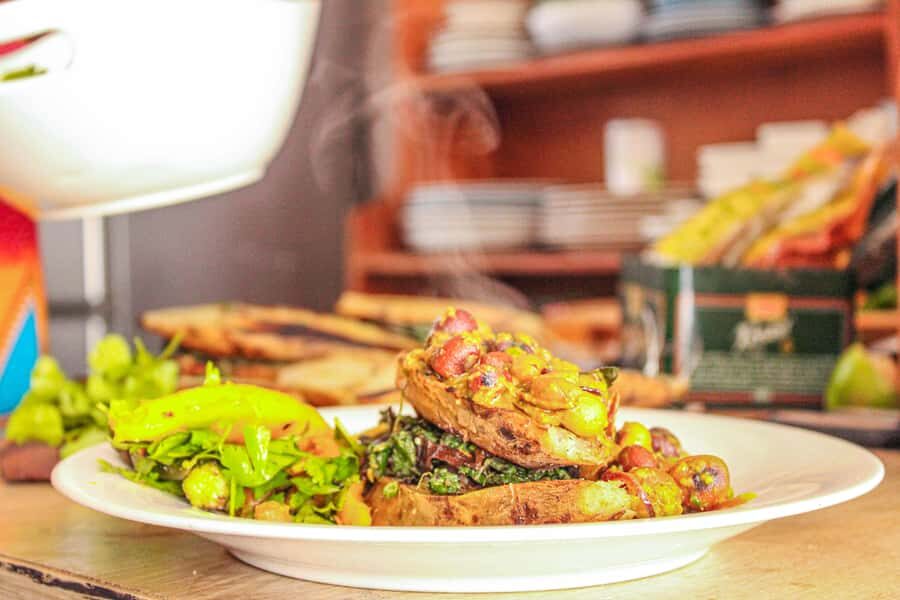
A lot of cooking classes stop at the how-to. This one adds a layer: you’ll discuss nutrition, healthy eating, and homegrown food.
That might sound like a lecture, but the way it’s framed makes it practical. If you’re learning which ingredients matter and why people choose certain flavors, it’s easier to judge what you’re eating and adapt it later. It also helps you understand that “traditional” cooking often isn’t about being fancy—it’s about using what grows nearby and making meals that work for daily life.
If you’re traveling with food goals—trying vegetarian meals, eating with higher fiber, or just learning what “healthy” means locally—this angle gives you something to take home.
Price and value: Is $102 worth it?
The price is $102 per person for about 3.5 to 4 hours, which includes a lot of the “hidden costs” that make cooking classes feel expensive. You get pickup and drop-off, the chef, all cooking materials, and the dining portion.
You also get a welcome bottle of wine to share, and the dinner includes local wines and beers. Extra alcoholic drinks aren’t included, so if you plan on drinking heavily, you’ll want to budget separately. But the core of value here is the combination: market learning + cooking instruction + shared meal in a real home.
Where the value can shift is timing and quality of the market stop. One downside described in an outlier experience: a late pickup pushed the market portion into a less satisfying setting and the cooking didn’t fully match expectations about spice teaching. That isn’t universal, but it’s why I’d treat the night as something you should schedule with buffer time and clear expectations.
When everything runs smoothly, the experience is excellent value because you’re not paying just for a meal—you’re paying for the context and the process.
Who should book this Johannesburg night, and who might skip it
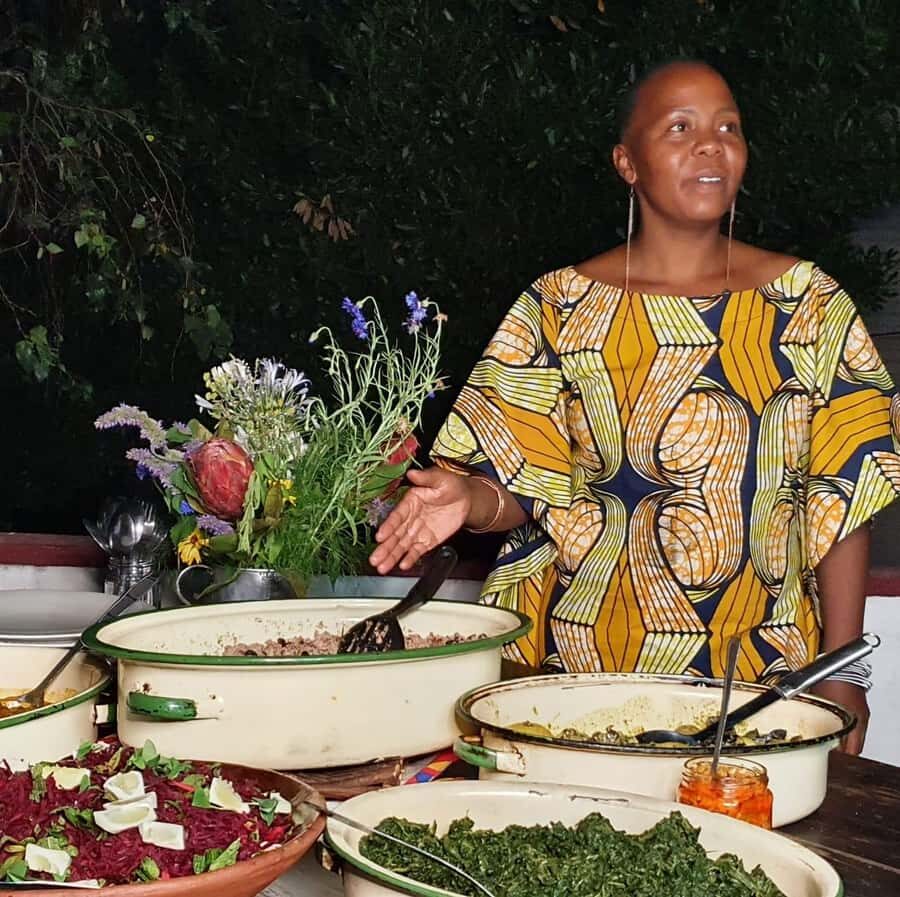
This is a strong match if you want more than restaurant food. You’ll enjoy it if you like hands-on learning, you want to understand ingredients in a real local setting, and you enjoy conversations with the chef.
It also works well for:
- Solo travelers who want easy social time without trying too hard
- Couples looking for a date that feels local and warm
- Friends or families who want a shared activity with food at the center
It may be less ideal if you hate schedule uncertainty or you expect a strict, clockwork itinerary with zero delays. Also, if your main goal is deep, technical spice breakdown with lots of precision, you may want to ask the chef directly how the spice portion will be handled during your evening.
Practical tips so you get the best night
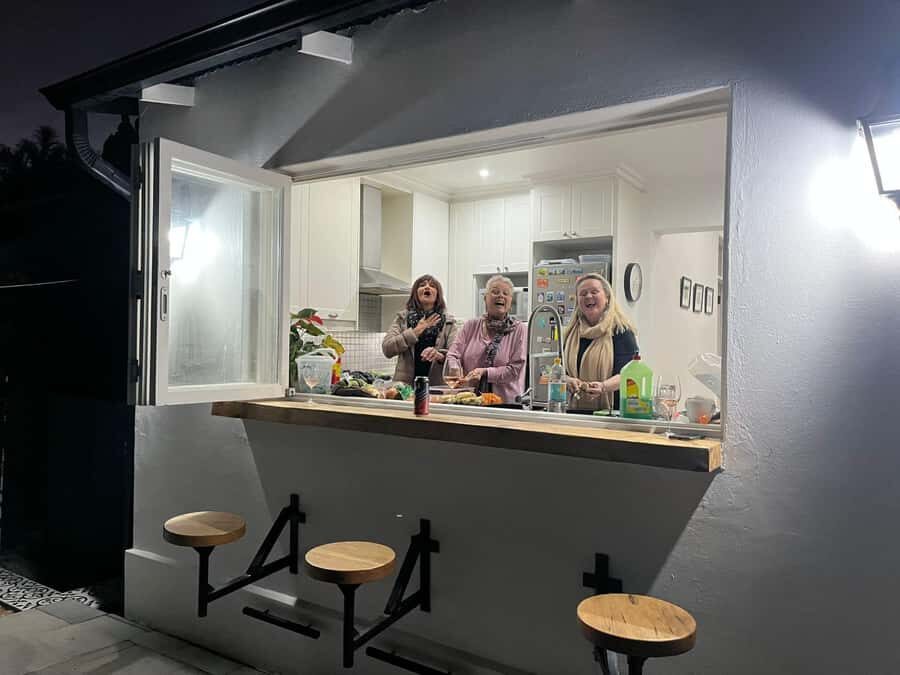
Here’s how to set yourself up for success based on how these meals typically run.
- Confirm your food option early: Choose vegan (organic) or the meat option ahead of time so the kitchen can plan properly.
- Plan for a late day rhythm: The experience is scheduled for about four hours, but allow cushion if pickup slips.
- Bring curiosity, not hunger alone: The market stop and cooking tasks matter most if you’re asking what ingredients are doing.
- Use the language advantage: Instruction is in English and French. If you speak either, you’ll likely get more out of the stories and the hands-on guidance.
And one last tip: treat it like a shared meal in someone’s home, not like a demo. The more you participate in the cooking steps, the more the “class” turns into an experience you’ll remember.
Should you book the Pan-African Cooking & Dining Experience?
I’d book it if you want a real Johannesburg home dinner with market context, a hands-on kitchen role, and a chef who connects food to identity through stories. At $102 for a few hours with pickup, cooking materials, and the full meal included, it’s a fair deal when the schedule runs on track.
I’d hesitate only if your schedule is ultra tight or you’re expecting a highly scripted spice lesson with zero wiggle room. In that case, add buffer time and make sure you’ve selected the correct vegan or meat option so the chef can focus on cooking, not menu adjustments.
If you do book, go hungry, show up ready to chop and taste, and ask questions while you’re cooking. That’s where the night turns into more than a meal.
FAQ
How long is the Johannesburg Pan-African cooking and dining experience?
It runs about 210 minutes to 4 hours.
Where does pickup happen?
Pickup is included from Sandton, and pickup is also available within 10 km of the city center.
Is there a vegan option?
Yes. You can choose a vegan (organic) option or a meat option.
What do I do during the experience?
You’ll join a market ingredient tour, cook together (including a starter and main course), and then dine with local wines and beers.
Does the price include transportation and food?
Yes. Included are pickup and drop-off, all cooking materials, the chef, and the dining experience, plus a welcome bottle of wine to share.
Are extra alcoholic drinks included?
Extra alcoholic drinks are not included.
What languages are offered?
The instructor speaks English and French.
Is the experience wheelchair accessible?
Yes, it is listed as wheelchair accessible.
What’s the cancellation policy?
You can cancel up to 24 hours in advance for a full refund.