REVIEW · JOHANNESBURG
Zulu Food Cooking & Dining Experience with a local Chef
Book on GetYourGuide →Operated by Excape Travel Agency · Bookable on GetYourGuide
Maboneng smells like street food history. This Zulu cooking and dining experience pairs a neighborhood walk in Johannesburg with a hands-on kitchen lesson, then ends with a sit-down Zulu lunch that tastes like it comes from real family cooking. You’ll meet local food vendors, hear cultural stories from your host, and cook traditional techniques with a local chef.
I especially like the way the day connects Zulu food to the place where people live and shop. Two standout moments for me are the market-and-vendor time during the stroll and the actual cooking session with shared laughs, questions, and practical technique tips.
One possible drawback: timing and kitchen setup can vary. One recent group noted the kitchen wasn’t fully cleaned afterward and that food wasn’t always finished at the same pace, so a few dishes may not stay as hot as you’d hope.
In This Review
- Key Points You’ll Want Before You Go
- Where This Zulu Cooking Day Fits in Joburg (Maboneng, Not a Museum)
- Beginning at the Host’s Home in Maboneng
- The Neighborhood Stroll: Meet Vendors, Learn the City’s Food Rhythm
- Back in the Kitchen: Two Hours of Real Zulu Technique
- What the Chef Teaches You to Do
- The Lunch: Zulu-Inspired Food You Can Actually Imagine Eating Again
- What You’re Really Buying for $85
- Who This Experience Suits Best (And Who Might Want Something Different)
- The Little Details That Make It Feel Human
- Price vs. What You Get: A Quick Reality Check
- Should You Book This Zulu Cooking Experience?
- FAQ
- Where does the experience start and end?
- What’s included in the cooking session?
- How long is the hands-on cooking?
- Is lunch included?
- Are alcoholic drinks included?
- What languages are spoken during the experience?
- Can I reserve now and pay later?
Key Points You’ll Want Before You Go
- Maboneng walk with food vendors, not just a photo stroll
- Two hours of hands-on cooking with a local chef
- Zulu-inspired lunch served right after the cooking work
- History + community stories from your host at their home
- Extra practical help, including printed recipes and pronunciation tips (English/Zulu)
- $85 value when you want real food skills, not only a meal
Where This Zulu Cooking Day Fits in Joburg (Maboneng, Not a Museum)
If you want one day in Johannesburg that feels like you’re living the city—not just passing through—this is a strong choice. The starting point is your host’s home in Maboneng, in the heart of the Maboneng Precinct area. From there, you walk the neighborhood, meet local vendors, and then return for the cooking lesson.
This kind of format matters. A cooking class that stays inside a classroom can teach recipes, sure. But when it’s paired with a real neighborhood stroll, you start to understand why certain flavors, ingredients, and techniques show up where they do. You get context before you pick up the knife.
You can also read our reviews of more food & drink experiences in Johannesburg

Beginning at the Host’s Home in Maboneng
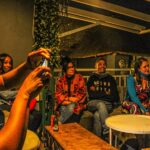
Your day kicks off with a warm welcome at the host’s home. You’re not starting in a hotel lobby or a storefront. You start where people actually live and cook. That sets the tone fast: relaxed, friendly, and geared toward conversation.
You’ll also get a welcome drink. Small detail, big effect. When the group settles in calmly, it’s easier to ask questions during the walk and the cooking session.
From the start, you should expect a mix of stories and practical guidance. One guest specifically called out conversation and a history lesson during the neighborhood time, with a host who shared what local community work is trying to do in Maboneng. Even if you only catch part of the story, it frames the food as something tied to people and place.
The Neighborhood Stroll: Meet Vendors, Learn the City’s Food Rhythm
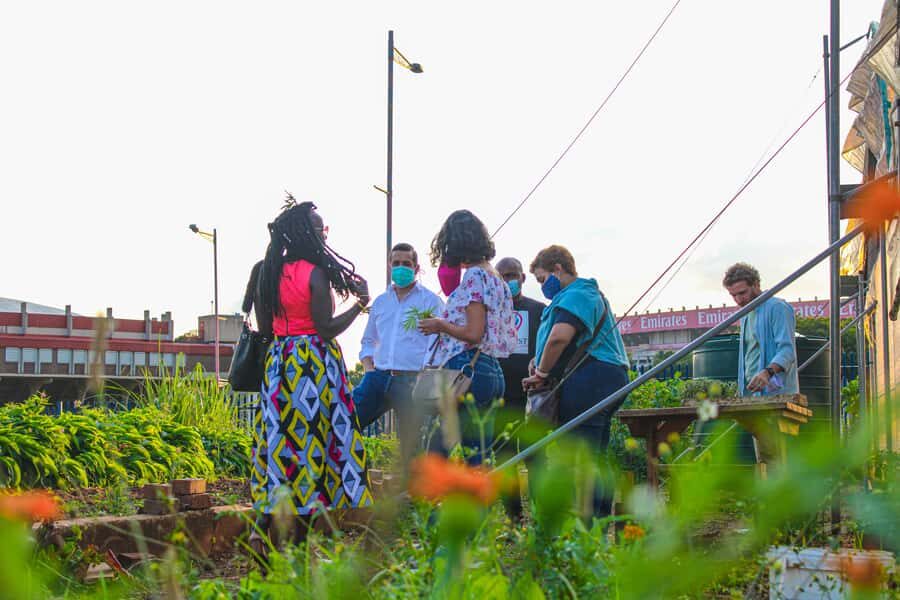
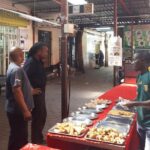
Next comes the stroll through Maboneng Precinct with stops that go beyond sightseeing. The plan includes a leisurely walk to a local supermarket area, but the point isn’t grocery browsing. It’s about seeing how food vendors and local supply shape everyday meals.
This is the part you’ll feel in your senses. You’ll see the everyday flow of the neighborhood and you’ll get chances to interact with food vendors. That’s where you begin to connect ingredients to culture instead of treating them like components on a menu.
Practical note: wear comfortable shoes. You’re doing a walk before the cooking. Also, keep a little room in your mind for questions. This experience is built for chatting.
Back in the Kitchen: Two Hours of Real Zulu Technique
Then you return to the cozy kitchen for the hands-on cooking. This is the core of the experience, and it’s clearly meant to be active. You get instructions and you cook, not just watch.
The teaching style is practical and social—more like a shared afternoon than a stiff lesson. Expect laughter and back-and-forth conversation while you work. You’ll also get cultural insights and stories as part of the cooking flow, not as a separate lecture that interrupts momentum.
One review highlighted that the host/chef printed recipes and helped with pronunciation. That’s surprisingly useful. Even if you already know Zulu-inspired dishes, getting the names and the language rhythm right helps when you try to recreate the food later.
What the Chef Teaches You to Do
The information here focuses on technique and cooking process, not on exact step-by-step menus. Still, you can expect traditional methods and a proper cooking sequence, with time to practice.
One guest mentioned chef Bongani doing BBQ-style chicken and grilled sausage that stood out as phenomenal. So if you’re someone who wants grilled, savory comfort food as part of a Zulu-forward meal, you’re likely to be happy with the result.
A few more Johannesburg tours and experiences worth a look

The Lunch: Zulu-Inspired Food You Can Actually Imagine Eating Again
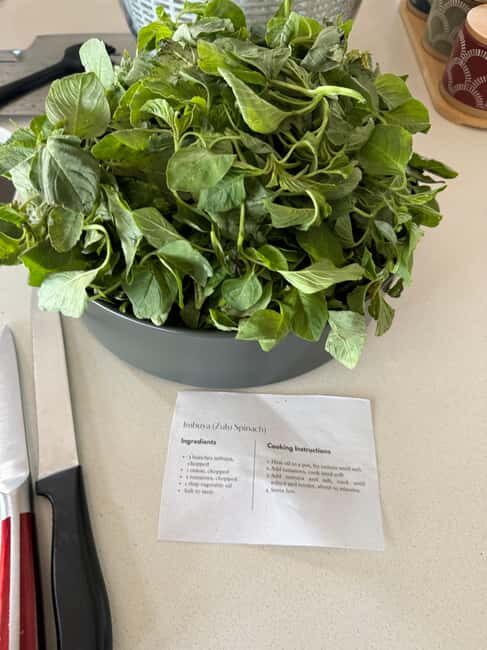
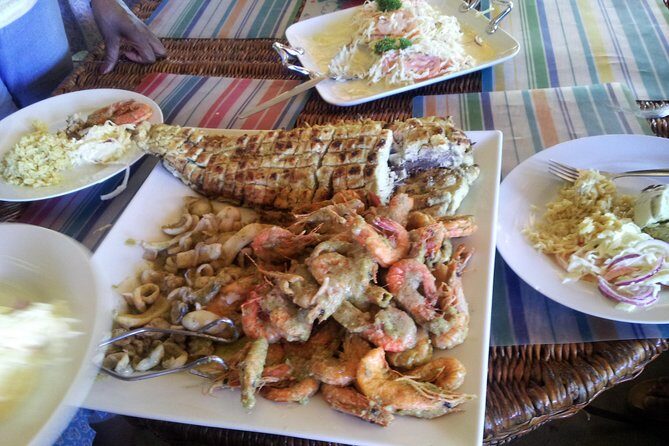
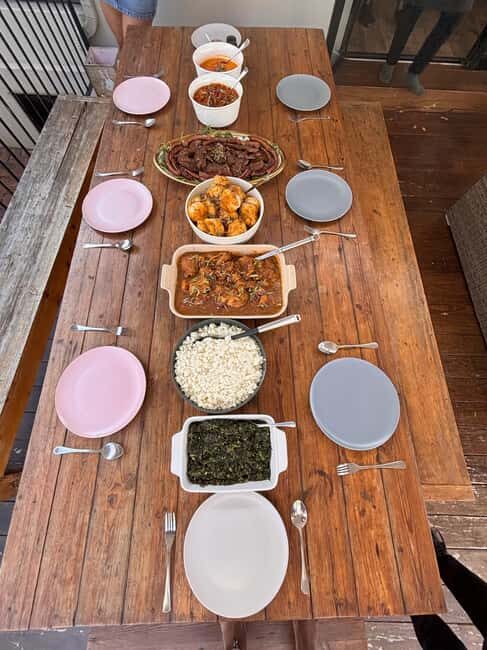
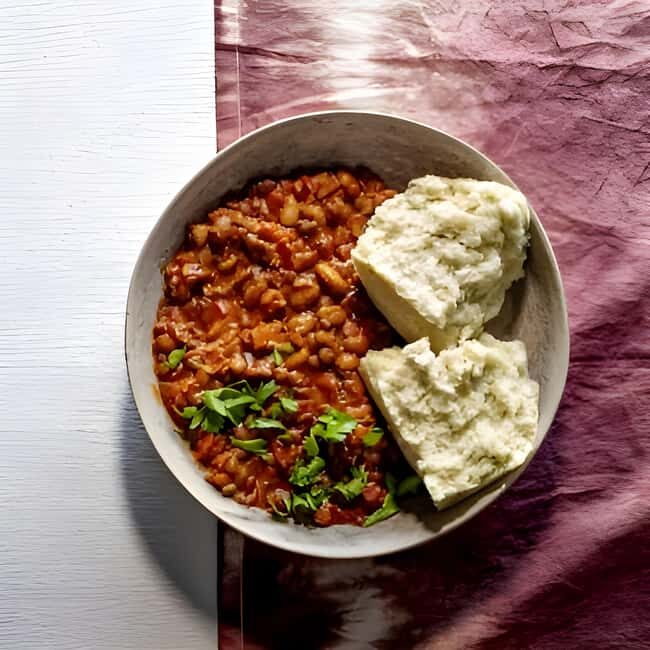
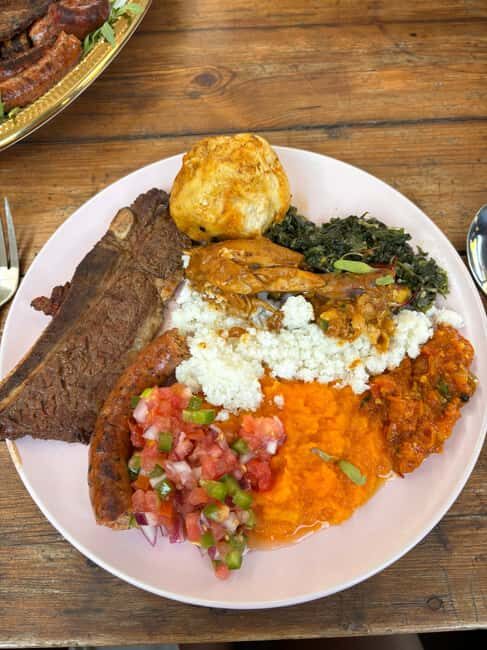
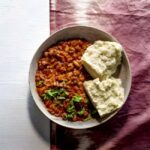
After cooking, you sit down to savor the lunch: a carefully crafted Zulu-inspired meal. This is where the day clicks. You’ve made the food. Now you eat it while your brain remembers the steps you just learned.
This format tends to work for a simple reason. Skills stick when you connect them to taste right away. You’re not cooking once and eating later in a different setting. It’s one continuous experience: learn, cook, taste, talk.
Guests also noted that the food quantity can be generous. One person said they ate so much they could hardly wait to feed friends back home. That’s a good sign if you’re worried a cooking class might end with a modest portion.
What You’re Really Buying for $85
At $85 per person, you’re paying for more than ingredients and a meal. You’re paying for:
- guided shopping time with vendors (the walk)
- chef-led hands-on instruction (the kitchen session)
- a hosted cultural day (the stories, the welcome, the sitting down)
- the final lunch you helped create
Cooking classes can range from basic demo meals to skill-building sessions. This one leans toward skill-building because you’re in the kitchen for around two hours of hands-on cooking. If you want a souvenir that isn’t just photos—something you can reproduce—this is the kind of value that makes sense.
But be honest about expectations. This is hosted, not industrial. One group noted the kitchen wasn’t perfectly prepped and that dishes didn’t all finish hot at the same moment. If you’re very sensitive to meal timing and kitchen tidiness, you might want to mentally budget for a more home-style setup.
Who This Experience Suits Best (And Who Might Want Something Different)
This works especially well if you:
- love cooking and want practical technique, not only a tasting
- want cultural context you can taste, through Zulu-inspired cuisine
- enjoy neighborhood walking where you interact with local vendors
- like small-group conversations with hosts who share stories
You might consider a different option if you:
- need everything tightly timed and perfectly choreographed
- get stressed by home-kitchen logistics
- want purely instructional cooking with minimal talking
That said, the tone from the reviews leans friendly and social. If you enjoy conversation, this day is built for you.
The Little Details That Make It Feel Human
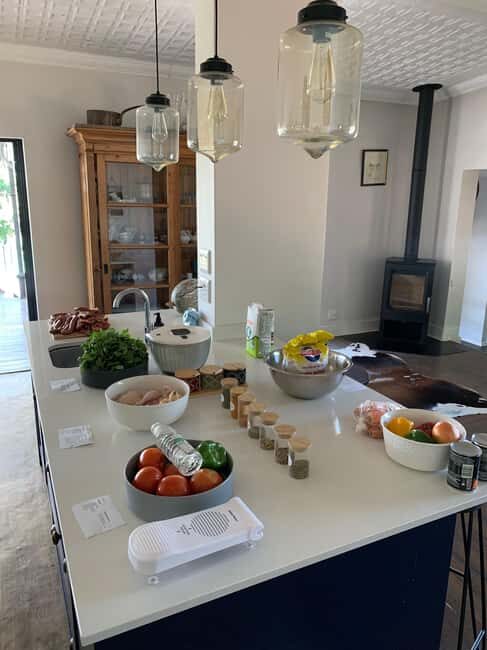
A few details show up repeatedly in the experience vibe. You’re welcomed into a home in Maboneng, and that naturally changes the feel of the day. One guest even mentioned cats and plants in the space—proof that this isn’t staged like a showroom.
Language support is also part of the value. The experience runs in English and Zulu, which can deepen the cultural learning. Even if you don’t speak Zulu, hearing names and pronunciation from the host helps you remember what you’re eating and why it matters.
Finally, recipes being printed (mentioned in a review) is a practical win. You’ll leave with more than memory. You’ll have something to guide your next cooking attempt at home.
Price vs. What You Get: A Quick Reality Check
For $85, you’re getting:
- a guided Maboneng Precinct stroll
- interaction with local food vendors
- ingredients for the cooking session
- a local chef and hands-on instruction
- a Zulu-inspired lunch
- cultural stories from the host
- kitchen facilities and a welcome drink
- no alcohol included
If you compare that to a typical city walking food tour plus a separate cooking class, this format compresses a lot into one afternoon. The value is strongest when you treat it as a full experience: walk, cook, eat, chat.
The main trade-off is that a home setup isn’t always as controlled as a commercial kitchen. That’s not a deal-breaker, but it is the one thing worth factoring into your expectations.
Should You Book This Zulu Cooking Experience?
Yes—if you want a day in Johannesburg that mixes food skills with real neighborhood life. The best reason to book is the hands-on cooking time plus the way the walk and vendor interactions give you context. You’ll leave with a meal you helped make, plus practical knowledge you can try again at home.
I’d only skip it if you strongly prefer polished, clockwork operations, or if you’re sensitive to minor timing issues around serving hot food. For most people, the warmth, the cultural stories, and the hands-on approach make this a standout way to experience Zulu-inspired cooking in Maboneng.
FAQ
Where does the experience start and end?
It starts at the host’s home in the heart of Maboneng, Johannesburg, and it ends back at the same meeting point.
What’s included in the cooking session?
You get ingredients, use of the kitchen facilities, and hands-on cooking instruction from a local chef.
How long is the hands-on cooking?
The hands-on portion runs for over two hours.
Is lunch included?
Yes. A Zulu-inspired lunch is included after the cooking session.
Are alcoholic drinks included?
No. Alcoholic drinks are not included.
What languages are spoken during the experience?
The experience is conducted in English and Zulu.
Can I reserve now and pay later?
Yes. You can reserve your spot and pay nothing today.