REVIEW · JOHANNESBURG
Soweto and Johannesburg & Apartheid Museum
Book on Viator →Operated by Jeff Tours and Transfers - Day Tours · Bookable on Viator
One day in Joburg hits hard. This Soweto and Johannesburg tour strings together apartheid-era landmarks, museum time, and neighborhood driving so you grasp the story without hours of planning.
I love the fact that transport is included. You skip the taxi shuffle and just get in the car and go. I also like that admission is included for the Apartheid Museum and the Hector Pieterson Museum and Memorial.
One possible drawback: it’s a packed day. Some stops are short, so if you like slow museum wandering, you’ll need to be okay with seeing a lot rather than fully zoning out.
In This Review
- Key things I’d watch for
- Why this route works in a single day
- Starting at the Apartheid Museum: where to set your compass
- Soweto by way of Vilakazi Street and the 1976 memory trail
- Mandela House area (Mandela House Museum: extra)
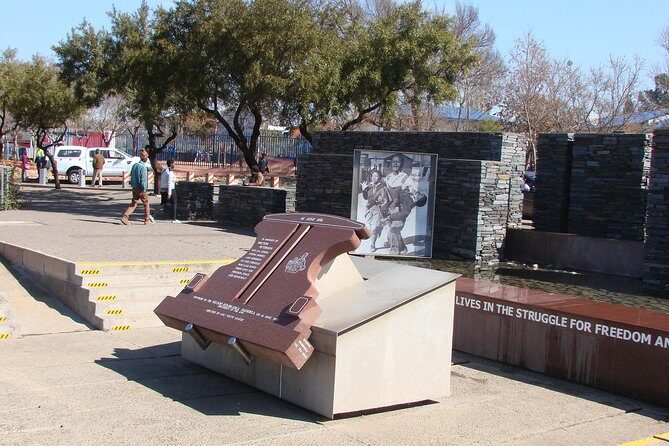
- Hector Pieterson Museum and Memorial (included)
- A quick win: time to look at Soweto through daily life
- City views that explain the present: Hillbrow, Constitution Hill, and the contrast
- The small stops that add texture: medicine shops and local stops
- The guide factor: why the day feels coherent
- Getting your timing right: what the day will feel like
- Value check: is $73.62 a good deal?
- Who should book this Soweto and Johannesburg day
- Should you book it? My straight answer
Key things I’d watch for

- Museum time is built in: Apartheid Museum (about 2 hours) plus Hector Pieterson Memorial (about 30 minutes)
- Transportation is the real value: You cover central Joburg, Hillbrow, Soweto, and the 1976 uprising areas in one go
- Soweto’s key street is the backbone: Vilakazi Street features Mandela and Desmond Tutu connections
- A “life today” lens: You pass places tied to taxi culture, a major hospital area, and different suburb types
- Not every entry fee is included: Mandela House Museum costs extra, while some stops are free or included
Why this route works in a single day
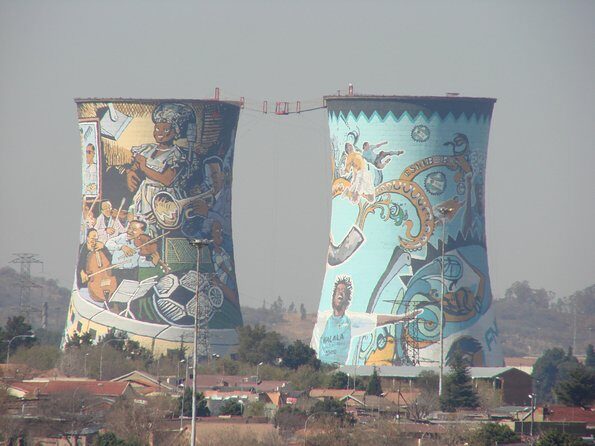
Johannesburg is big. And apartheid history isn’t confined to one neat block you can stroll through like a theme park. This tour helps because it mixes three things you’d otherwise have to stitch together yourself: important museums, real neighborhood context, and driving time that connects the dots.
The structure is simple: you start with the Apartheid Museum, then move into Soweto for Vilakazi Street and the 1976 uprising memorial landscape. Along the way, you’re not just seeing monuments from afar. You also pass through areas tied to daily movement and power—like taxi culture and the contrast between inner-city and outer suburbs.
Price-wise, the math is fair for what you get. At $73.62 per person, you’re paying for a guided day plus included transport, parking fees, and water. Admission is included for two major sites (Apartheid Museum and Hector Pieterson Memorial), while one key museum—Mandela House—lists as not included. So the cost isn’t just “being driven around.” It’s more like: you’re buying a lot of guided, entry-included stops in one compact itinerary.
This tour runs about 6 to 8 hours, with a maximum group size of 15. That matters. A smaller group tends to feel less chaotic, and the guide can keep the pace moving without turning the day into a bus tour shout-fest.
You can also read our reviews of more museum experiences in Johannesburg

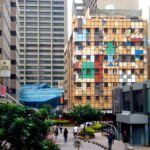
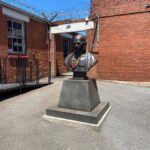
Starting at the Apartheid Museum: where to set your compass
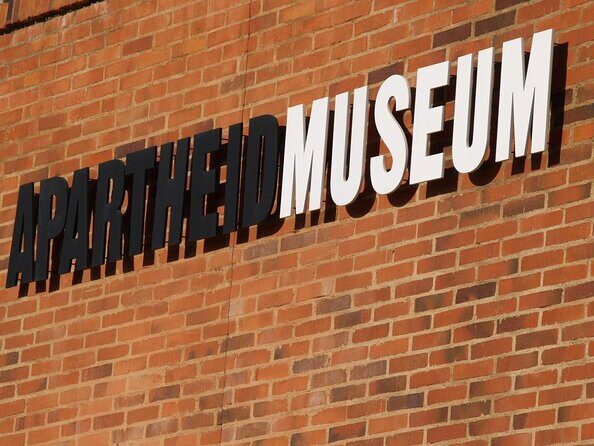
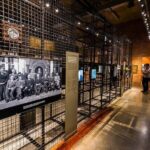
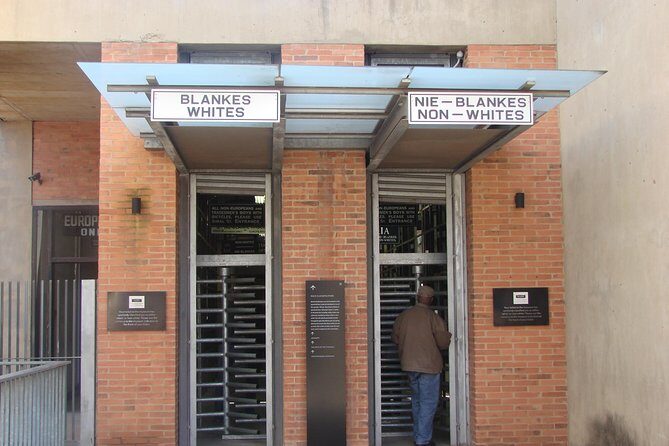
Your first real stop is the Apartheid Museum, with about 2 hours and the admission ticket included. This is the best place to begin because it gives you a framework for everything else you’ll see that day. Without that, you can end up treating historic sites like photo backdrops instead of understanding what happened and why it mattered.
The route before and around the museum is part of the value too. You’ll get a city drive through central areas, with passing views connected to major institutions and the shifting landscape of Johannesburg. The day includes stops and sightlines that help you picture the apartheid era as more than dates and slogans.
One nice detail in the itinerary is that you also get a sense of the geography of control and segregation. You pass by locations tied to the 1976 uprising areas, along with places associated with leaders such as Bishop Desmond Tutu and Winnie Mandela. You’re not just told about people—you’re shown where their lives were rooted in the city and townships.
Practical tip: plan to use the full museum time. Two hours can feel like a lot right before you start, but it goes quickly once you’re reading and connecting themes.
Soweto by way of Vilakazi Street and the 1976 memory trail
After the museum, the day shifts toward Soweto, and that’s where the tour turns very “human-scale.” The key axis is Vilakazi Street, the street known for two Nobel Laureates connected to residents: Nelson Mandela and Archbishop Desmond Tutu. It’s one of those facts that’s easy to skim online, but in person it lands differently because you can see how close these stories sit to ordinary streets.
Mandela House area (Mandela House Museum: extra)
You get time connected to Mandela House on Vilakazi Street, where Nelson Mandela lived from 1946 to 1962. The time allowance is about 30 minutes. Importantly, the Mandela House Museum admission is not included.
This is worth knowing in advance because it changes how you plan your day. If you care deeply about that specific house, budget extra time (and money) so you don’t feel rushed. If you mainly want context and the broader Soweto picture, you can keep this stop lighter and spend more time on the memorial site that’s included.
Hector Pieterson Museum and Memorial (included)
Next is the Hector Pieterson Museum and Memorial, with about 30 minutes and admission included. This is one of the day’s emotional anchors because it commemorates the 1976 Soweto uprisings and the role of students in that struggle.
This stop works particularly well in a driving-tour format. You already spent time setting the story with the Apartheid Museum. Now the day narrows down to a specific moment—student-led protests, the response, and the way the memory is kept.
Practical tip: if you tend to get mentally overloaded in museums, pace yourself. Reading even a portion of what’s on display here can hit hard, and a little breathing room goes a long way.




A quick win: time to look at Soweto through daily life
Between the bigger museum moments, you’ll drive past and experience bits of Soweto’s rhythm: different housing types, local traffic flow, and taxi culture. The itinerary specifically notes passing or seeing areas like Matchbox houses, a look at taxi culture, and a stop connected to Baragwanath hospital and taxi rank.
You should expect this to feel less like a formal lecture and more like a guided walk-through of how places work. That’s valuable because apartheid history is about systems. And systems show up in the everyday: transportation, where people gather, and who controls what.
City views that explain the present: Hillbrow, Constitution Hill, and the contrast
One reason I like this tour is that it doesn’t freeze apartheid in the past. The route includes sightlines that help you see inequality and change in real geography.
You pass through or view Hillbrow, described as an inner-city residential neighborhood known for high population density, unemployment, and poverty. Even just seeing how the area sits within the larger city plan helps you understand why Johannesburg’s social map is so sharply divided.
You also pass Constitution Hill, a former prison complex now home to a museum and the Constitution Court. This is a powerful contrast point: a place built for confinement transformed into a national symbol of constitutional justice. Even without a long stop here, the pass-by works because your brain has the museum context already loaded.
Practical tip: if you’re someone who likes to connect “old” and “new,” pay attention on the drive. A lot of context comes from where a location sits relative to the rest of the city.
The small stops that add texture: medicine shops and local stops
Not every stop on this tour is a museum. You also get a visit to KwaZulu Muti, where you can see African traditional medicine products. The itinerary frames it as a leading store selling Muti: dried herbs and different remedies.
This is a short stop (about 15 minutes) with the admission ticket listed as free. It’s not about turning you into an herbalist. It’s about adding a layer of cultural reality. In South Africa, traditional medicine is part of modern life for many people, not a museum-only concept.
If you’re curious, ask questions. If you’re not, treat it as a quick sensory break and then get back to the main story sites.
The guide factor: why the day feels coherent
A big part of why this experience earns such strong marks is the guide. Names that show up include Joseph, Simba, and Gilroi. Across accounts, the common thread is that the guide manages the day well, explains the city, and keeps the pace from turning stressful.
You’ll notice it in how the tour handles logistics: you’re picked up and dropped off, and the driving time stays part of the explanation rather than dead time. Some guides also include extra context about what you’re seeing beyond the standard “this happened here” framing.
I’d also call out group size. With a maximum of 15, you’re less likely to feel like one of 40 faces a guide has to shepherd through key photos.
Getting your timing right: what the day will feel like
This is a 6 to 8 hour day. You’ll fit in major sites, driving segments, and a couple of shorter stops. The overall feel is “see a lot, learn a lot,” not “spend a leisurely afternoon inside one museum.”
Here’s the practical rhythm based on the planned durations:
- Apartheid Museum: about 2 hours
- Mandela House time: about 30 minutes (with museum entry extra)
- Hector Pieterson Memorial: about 30 minutes (entry included)
- KwaZulu Muti: about 15 minutes (free)
- Extra city and Soweto viewing through several passes and brief stops
Lunch is not included. So you’ll want to plan for that. If you eat light, bring a snack option or be ready to purchase something nearby if your route allows.
On a comfort note: water is included, which helps on a day like this. Still, you’ll be walking and standing some. Wear shoes that won’t make you regret your choices by hour three.
Value check: is $73.62 a good deal?
Let’s break down what you’re paying for in plain terms.
You’re paying for:
- A guided day across Johannesburg and Soweto
- Transportation with pickup offered
- Parking fees and water included
- Admission included for two big ticket items: Apartheid Museum and Hector Pieterson Museum and Memorial
- A short free cultural stop (KwaZulu Muti)
You’re not getting:
- Lunch
- Admission included for Mandela House Museum
For many visitors, the biggest “hidden cost” of independent sightseeing is transport. Johannesburg isn’t small, and taxis add up fast. This tour’s included driving is the difference between spending your limited time coordinating rides and actually seeing the sites.
If you specifically want Apartheid Museum plus Hector Pieterson plus key Soweto connections, this package is a sensible value. If you only care about one or two of these stops, you might find a more targeted option fits better.
Who should book this Soweto and Johannesburg day
This tour is a great fit if you:
- Want a guided path through apartheid-era landmarks without doing a DIY routing puzzle
- Have limited time in Johannesburg and want a “most important sites” day
- Prefer being driven between neighborhoods, especially when the stops are spread out
- Like getting context on the city today, not just distant history
It’s also a good match for first-timers. Reviews and the overall structure point to guides who answer questions and keep the day moving without rushing.
Should you book it? My straight answer
Yes, I think you should book this tour if your goal is to understand apartheid through a real sequence of sites—Apartheid Museum first, then Hector Pieterson Memorial, with Soweto context via Vilakazi Street and related landmarks. The included transport and included museum admissions are the core reasons it works.
Skip it or consider a shorter alternative if you want lots of free time in museums or you hate structured schedules. Also, if Mandela House Museum is a must for you, plan for the extra admission since it’s not included in the package.
If you’re trying to pack Johannesburg and Soweto into one sensible day, this is the kind of itinerary that saves you time and spares you from the planning headaches.