REVIEW · JOHANNESBURG
Soweto Tour; Mandela House; Vilakazi Street; Market Culture
Book on GetYourGuide →Operated by Moratiwa Gorup Pty Ltd · Bookable on GetYourGuide
Soweto teaches fast, and your camera will work overtime. This tour strings together the big emotional anchor points and the day-to-day street life, starting with panoramic views from Soweto Towers and ending with a walk on Vilakazi Street. It’s a tight, guided circuit that helps you connect names, places, and what they meant—without turning the day into a rushed blur.
Two things I especially like are the way the stops mix view + story, and the local-guide feel. You’ll spend real time at landmarks like Freedom Square and the Mandela family house, and your guide can explain what you’re seeing in plain, human terms. It also helps that the group is limited to 7, so you’re not stuck shouting over everyone.
One consideration: this is a 4-hour loop with several outdoor stops. If you don’t wear comfortable shoes (and you skip high heels for sure), you’ll feel it.
In This Review
- Key things you’ll notice on this tour
- The smartest way to spend 4 hours in Soweto
- Soweto Towers: start above street-level
- Kliptown’s Freedom Square: the emotional center
- Regina Mundi Cathedral and the 1976-linked landmarks
- The Mandela House visit: more than a photo stop
- Soccer City, Orlando Towers, and seeing Soweto through time
- Market culture near Bara Hospital and the taxi market
- Vilakazi Street: Mandela, Bishop Tutu, and a walk you can feel
- Food and optional lunch: keep it simple and local
- Price, value, and what you really get for $93
- Who this tour fits best
- Should you book Moratiwa Gorup’s Soweto Tour?
- FAQ
- How long is the Soweto tour?
- What’s included in the price?
- What are the main sights on the tour?
- Is lunch included?
- What language is the guide?
- What should I wear or bring?
- Is there a cancellation option?
Key things you’ll notice on this tour
- Soweto Towers views to get your bearings before the deeper sites
- Freedom Square in Kliptown for the strongest sense of place
- Regina Mundi Cathedral plus 1976-linked landmarks and schools along the route
- Mandela House and the Hector Pietersen Memorial for personal, grounded context
- Vilakazi Street for walking in the footsteps of Mandela and Bishop Tutu
- Taxi and market culture near Bara Hospital for real daily life (not just monuments)
The smartest way to spend 4 hours in Soweto
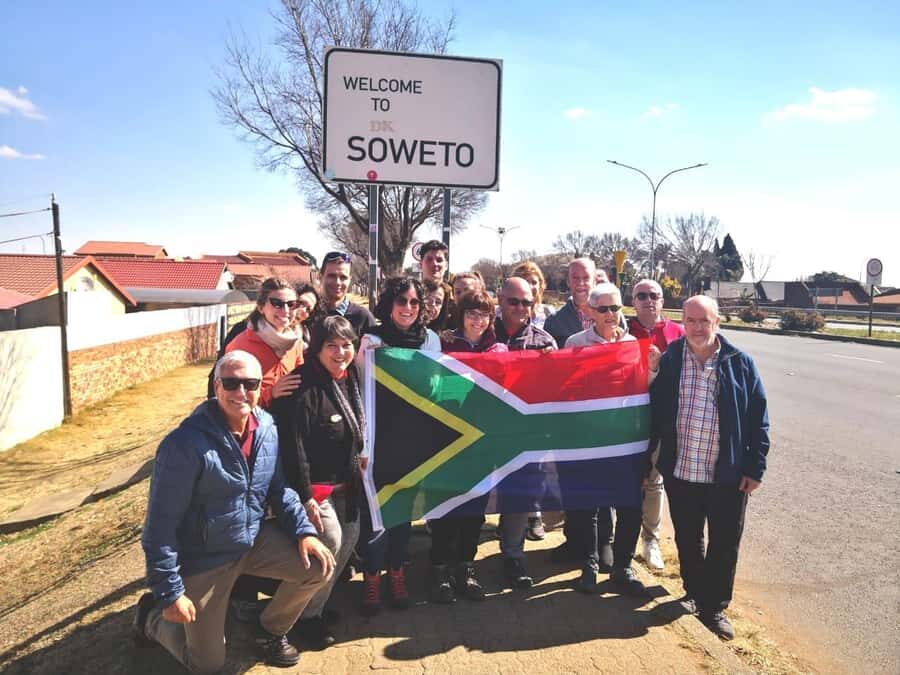
This tour is built like a “see it, understand it, remember it” day. You’re not just checking boxes; you’re moving through Soweto with a guide who can connect what each place represents to the bigger story of apartheid, resistance, and the long road to democracy.
At $93 per person for 4 hours, the value comes from what’s included, not just what you see. You get transportation plus pickup and drop-off, and you also get entry tickets to Mandela House with a guided visit. That combination usually costs extra when you try to DIY in a place where distances add up and time matters.
The small group size (up to 7 people) also changes the experience. You can ask questions without feeling like you’re interrupting, and you’re more likely to get thoughtful answers instead of a generic script.
You can also read our reviews of more tours and experiences in Johannesburg.


Soweto Towers: start above street-level
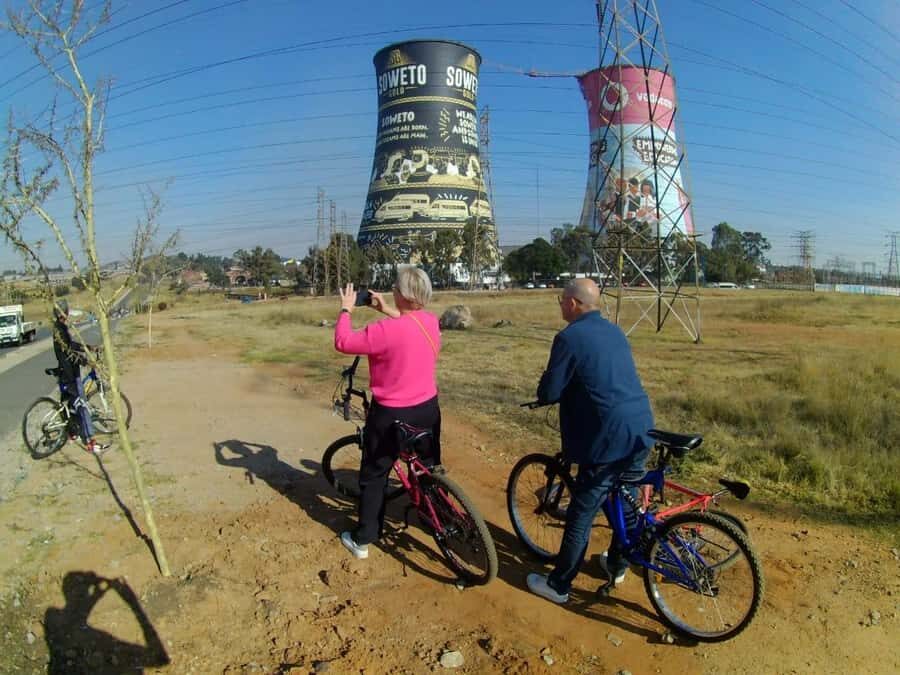
The day begins with a drive up to the Soweto Towers area, where you can take in panoramic views. I like this kind of start because it gives you context right away. From up high, you can spot how the area stretches and understand why neighborhoods feel so connected even when they’re different.
You also get your “photo moment” early, which helps. After you’ve got the big picture in your head, the later stops land harder. It turns the day from a list of stops into a coherent route you can follow in your mind.
Practical note: bring your phone charger mindset and keep an eye on how long you’ll want for photos. If it’s crowded at the viewpoint, the line can eat a few minutes—but getting the right angles is worth it.
Kliptown’s Freedom Square: the emotional center
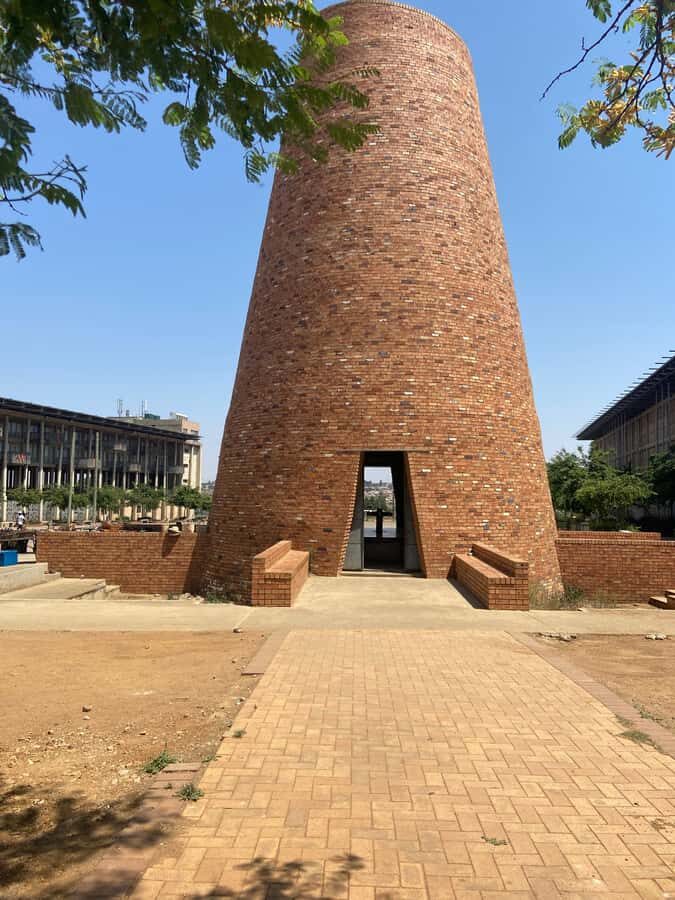
Next comes Freedom Square in Kliptown, one of the places that makes Soweto’s story feel immediate. This is where you don’t just read about political change—you stand in an environment tied to the struggle and the demand for freedom.
I also like that the tour doesn’t isolate you in one museum bubble. You move through surrounding areas by car and keep a steady sense of how everyday life sits next to major historical sites. That contrast is the point, and it’s easier to understand when you’re watching the space with your own eyes.
This stop is also a strong camera stop, but it’s more than scenery. If you’re the type who likes to take a minute and absorb before snapping, plan to do that here.
Regina Mundi Cathedral and the 1976-linked landmarks
One of the tour’s biggest highlights is Regina Mundi Cathedral. The guide-led focus here matters because it’s the kind of place where symbolism and history are tied together. You can admire the architecture, sure, but you’ll also understand why it mattered during the 1976 uprisings and why it’s treated as a key reference point.
From there, the route continues through other landmarks connected with that era, including Morris Isaacson High School, described as one of the power houses behind the uprisings. That wording is the clue: these sites aren’t meant to be “pretty buildings.” They’re tied to real organizing, learning, and collective action.
What makes this section especially valuable is how it links places to people’s choices—how public spaces can become meeting points, and how education and faith communities can carry political weight. Even if you know only the basics, the way the tour connects the dots helps you leave with a clearer timeline.
The Mandela House visit: more than a photo stop
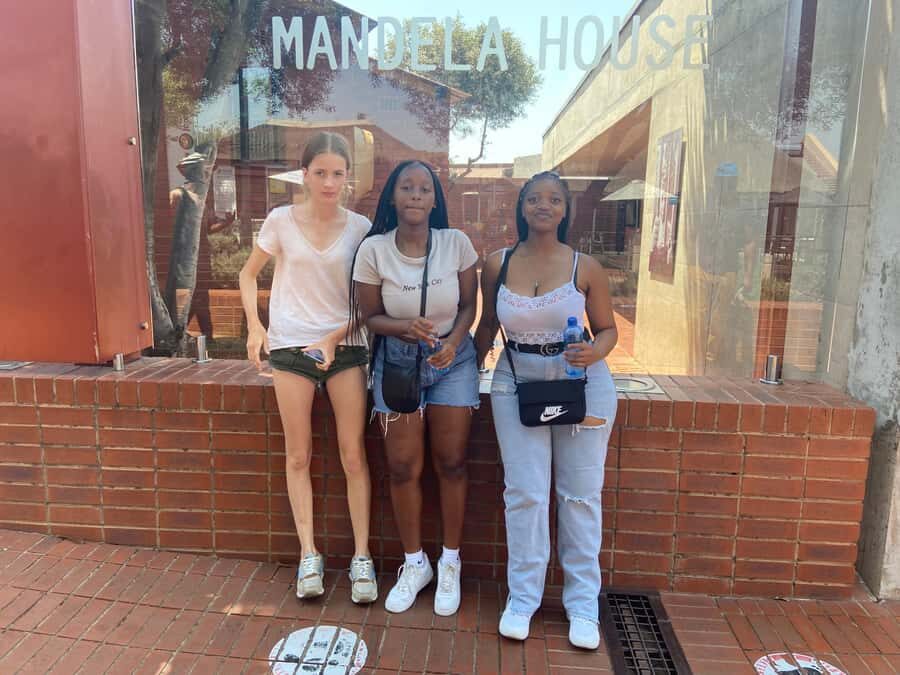
A core inclusion is entry tickets to Mandela House, with a guided tour. This is where the day shifts from broader movements to the personal world behind the name.
I like visits like this because they answer a question you might not even realize you’re asking: Who was this person in daily life? A home visit does that in a way that monuments alone can’t.
You’ll also connect the dots later with the Hector Pietersen Memorial, which gives another layer to the story of youth, protest, and the public shock that helped push events forward. Together, these stops help you understand that history wasn’t only shaped by leaders at the top—it was shaped by people on the ground.
Tip for your photos: spend a bit more time with the memorial area than you think you need. The most meaningful shots usually come after a quiet minute, not while you’re still in hustle mode.


Soccer City, Orlando Towers, and seeing Soweto through time
Soweto is not frozen in one era, and this tour reflects that. You’ll drive via Soccer City to connect the area to the memories of the 2010 World Cup, and then you’ll continue past major viewpoints like the Orlando Towers.
I like this part for a simple reason: it prevents the day from feeling like an only-past story. Even while you’re learning apartheid-era history, you’re also seeing how Soweto continues to evolve and host national moments.
The key is your guide’s framing. You don’t get a history lecture in a vacuum. Instead, you’re watching how landmarks of different eras sit next to each other. It helps you understand that the present is part of the story—not an interruption.
Market culture near Bara Hospital and the taxi market
One of the most human-feeling moments on this route is the stop area near Bara Hospital and the taxi market, reached via the Diepkloof extension. This is where you see what mobility looks like in real life: busy movement, familiar routines, and the practical systems people rely on day after day.
Even if you’re not shopping, this is valuable. Market culture teaches you how communities function outside major tourist sites. And because the tour is only 4 hours, you likely won’t have time to over-plan shopping—but you’ll have enough time to notice, ask your guide what you’re seeing, and grab something small if you want.
If you’re sensitive to crowds, use the first minute to gauge the pace. Markets and taxi areas can feel energetic fast, and you’ll enjoy it more if you don’t rush your own comfort level.
Vilakazi Street: Mandela, Bishop Tutu, and a walk you can feel
The tour then heads to the Vilakazi precinct, including a walk along Vilakazi Street—known for the connection between major figures. You’ll walk in the footsteps of Mandela, and you’ll hear the link that also ties into Bishop Tutu.
This section works best when you treat it like a street walk, not a stop-and-go sightseeing list. Pause when something catches your eye. Look at storefront life, the sidewalk rhythm, and the way the street holds history in everyday scenes.
I also appreciate how the walking time helps people slow down after the heavier memorial moments. It lets your brain shift from absorbing to integrating. By the end, Vilakazi Street feels less like a name and more like a place where legacy lives among daily routines.
Food and optional lunch: keep it simple and local
The tour mentions indulging in local cuisine and includes optional lunch in Soweto (own account). That’s a smart approach. You get the context and the cultural touchpoints, but you’re not forced into one set meal that might not match your tastes.
Here’s what I’d do to make the most of it: plan to carry a little patience. Lunch around markets and township areas can be casual and flexible, and the best choices are often the ones you can see and smell in the moment.
If you want a safe rhythm, eat a lighter lunch before your most emotional stops, or keep it after your memorial visits so you can fully reset.
Price, value, and what you really get for $93
At $93 per person for about 4 hours, this tour stacks its value in the right places: guided history, transportation, and a paid, guided museum/home stop.
What’s included:
- Transport, plus pickup and drop-off
- Entry tickets to Mandela House with a guided tour
- A live English-speaking guide
What’s not included:
- Anything not specifically named
If you’ve ever tried to stitch together Soweto on your own, you know the hidden costs are time and transport friction. This tour handles the route and the key entry. You’re paying for fewer decisions and more story per hour, which is exactly what you want when you only have part of a day.
Quality signals from real experiences also matter here. Guides are praised for making the day feel fun and safe, with enough time to explain details and answer questions. One guide specifically named Ismail was described as tactful, local, and engaging—so if your guide is anything like that, you’ll likely leave with clearer context, not just photos.
Who this tour fits best
This tour suits you if:
- You want an organized, guided way to see Soweto’s biggest emotional and historical anchors in a short time
- You like when your guide explains what you’re looking at, instead of handing you a map and leaving you to guess
- You prefer small groups so questions don’t get swallowed
- You’re comfortable walking around memorials and street areas
It may not be ideal if:
- You want lots of free time to wander independently without guidance
- You’re expecting an all-day slow pace with long breaks (this is a focused 4-hour circuit)
Also, you don’t need to be an expert on South African history. If you start with curiosity, the tour gives you enough structure to make the story click.
Should you book Moratiwa Gorup’s Soweto Tour?
I’d book it if you want a guided, respectful overview that balances landmark stops with real day-to-day township energy. The inclusion of Mandela House tickets + guided access is the kind of detail that saves you time and stress, and the small group size helps the guide actually teach instead of just escort.
Before you go, do two things: wear comfortable shoes, and go in with a mindset of questions. This tour works best when you’re paying attention to what your guide points out—especially around the memorials and the 1976-linked sites.
If you want Soweto in one concentrated shot that still feels human, this is a strong option.
FAQ
How long is the Soweto tour?
The tour runs for 4 hours.
What’s included in the price?
Transportation is included, along with pickup and drop-off, and entry tickets to Mandela House with a guided tour. A live English-speaking guide is also included.
What are the main sights on the tour?
You’ll see Soweto Towers for panoramic views, Freedom Square in Kliptown, Regina Mundi Cathedral, Mandela House, and the Hector Pietersen Memorial. You’ll also walk along Vilakazi Street and visit the Vilakazi precinct.
Is lunch included?
Lunch is optional and is not included in the tour price. You can buy lunch in Soweto on your own.
What language is the guide?
The tour guide provides the tour in English.
What should I wear or bring?
Bring comfortable shoes. High-heeled shoes are not allowed.
Is there a cancellation option?
You can cancel up to 24 hours in advance for a full refund.