REVIEW · JOHANNESBURG
Historical and Cultural Interactive Experience of Soweto
Book on Viator →Operated by Aahaah Shuttle & Tours · Bookable on Viator
Soweto hits you differently when the stories come with people. This historical and cultural tour mixes major landmarks with real-life moments, including a possible tea stop in a local home and time for conversation with the kind of community connections that do not feel staged. I especially like the tight mix of Mandela House and the Hector Pieterson Museum, because you see the past, then you see what it means today. One thing to consider: lunch is not included, and the optional traditional healer visit adds an extra cash cost.
You get a guided plan that still leaves space for human interaction. Stops include the Freedom Charter site at Walter Sisulu Square, the memorial tied to Hector Pieterson’s 1976 story, and the day’s final walk on Vilakazi Street, where Nobel Prize history lives side-by-side with everyday entrepreneurs. I also like that the guide approach is flexible, shaped to your interests and needs, with the one clear goal of having fun while learning. The main drawback is that the most personal parts of the day depend on what your group wants and the flow of the experience.
Practically, it is a private, hotel-pickup style tour in an air-conditioned vehicle, with bottled water and key admissions covered. If you want a fast, check-box style day, this may feel slower and more social than you expect. If you want meaning, context, and people to talk to, you are in the right place.
In This Review
- Key highlights to look for
- Why Soweto still matters on the ground
- FNB Stadium in Nasrec: the Calabash that locals recognize
- Walter Sisulu Square and the Freedom Charter: policy turned into place
- Hector Pieterson Museum and Memorial: when one photograph traveled the world
- Mandela House inside Orlando West: family life alongside political change
- Vilakazi Street: Nobel names, local business, and street energy
- What makes this tour feel interactive (and why that’s good)
- The optional traditional healer visit: add meaning, not just a stop
- Price and value: what $90.81 gets you in real terms
- Logistics that actually matter: timing, group style, and what to pack
- Who should book this Soweto experience
- Should you book Aahaah Shuttle & Tours for Soweto?
- FAQ
- What is the duration of the Historical and Cultural Interactive Experience of Soweto?
- Where does the tour take place?
- Is pickup from my hotel included?
- What ticket types do I receive?
- Which stops are included during the tour?
- Are admission tickets included?
- Is lunch included?
- Is the traditional healer visit included?
- How long in advance should I book?
- What is the cancellation policy?
Key highlights to look for
- FNB Stadium’s Calabash design: an iconic World Cup-era rebuild in the shape of an African pot
- Freedom Charter context at Walter Sisulu Square: the 1955 meeting site and what it changed
- Hector Pieterson Museum + memorial: the 1976 story connected to a famous photo and global outrage
- Inside Mandela House: guided time in Nelson Mandela’s Orlando West home and family life
- Vilakazi Street walk: Nobel residents plus everyday local food, fashion, and performers
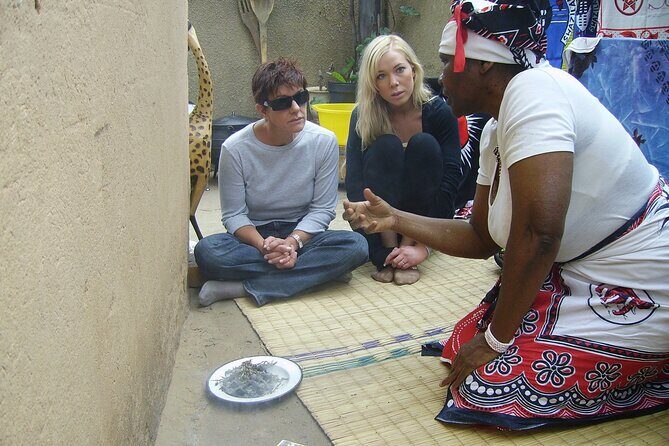
- Optional traditional healer visit: a home-based session that adds a personal, spiritual layer
Why Soweto still matters on the ground
Soweto is not just a set of attractions. It is a place where South Africa’s modern identity was argued for, resisted, and built. On this kind of tour, you do not only look at plaques and photos. You get guided context for why these locations matter, and you get a chance to meet the living culture around them.
That matters because apartheid history is easy to turn into a chapter you read and then forget. A day like this keeps the story attached to people. It also keeps it grounded in everyday detail: the blocks where life continues, the streets where business is happening, and the community spaces where the next generation grows up learning from what came before.
You can also read our reviews of more historical tours in Johannesburg

FNB Stadium in Nasrec: the Calabash that locals recognize

The day starts with a pickup from your hotel around 10:00, then you head to FNB Stadium (formerly known as Soccer City). Expect around 30 minutes here, and you will be looking at more than a football venue.
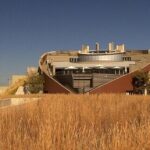
Why this stop works: the stadium’s design concept is called the Calabash, which is an African pot shape. It got a facelift for the 2010 FIFA World Cup, and it is described as the largest stadium venue in South Africa, seating 87,436. That makes it a useful way to start because it gives you a big, modern Johannesburg landmark first—then the tour moves into political and human history.
Practical note: since you are only here about half an hour, focus on the design and the scale. The goal is orientation, not a deep sports architecture lecture.
Walter Sisulu Square and the Freedom Charter: policy turned into place
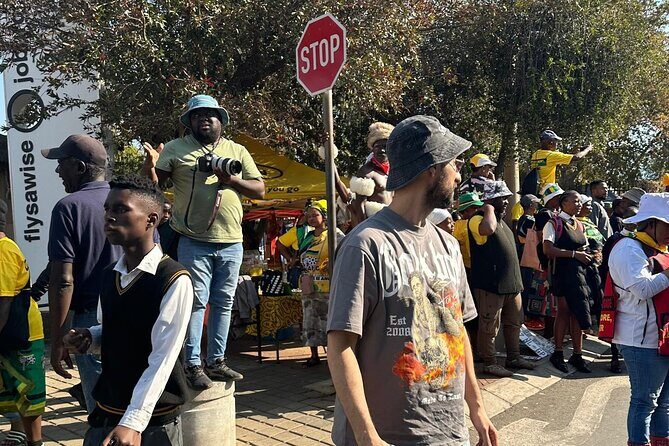
Next comes Walter Sisulu Square, which is free and typically a 45-minute stop. This is one of those locations where the building itself is not the only story. The square sits at the site where, on 26 June 1955, the Congress of the People met to draw up the Freedom Charter.
You will hear how the Charter pushed for a non-racial society, and emphasized liberty and individual rights—an alternative vision to the repressive apartheid state. Even if you have read about the Charter before, seeing it in a real place helps. It turns a political document into something you can point to on a map.
Also worth knowing: the square is described as a short distance from Kliptown, an informal settlement. That proximity adds weight to your understanding of how big ideas collided with daily realities for people on the ground.
Small consideration: the square is outdoors and you will want comfortable walking shoes. If the weather is hot, plan to take your time.
Hector Pieterson Museum and Memorial: when one photograph traveled the world
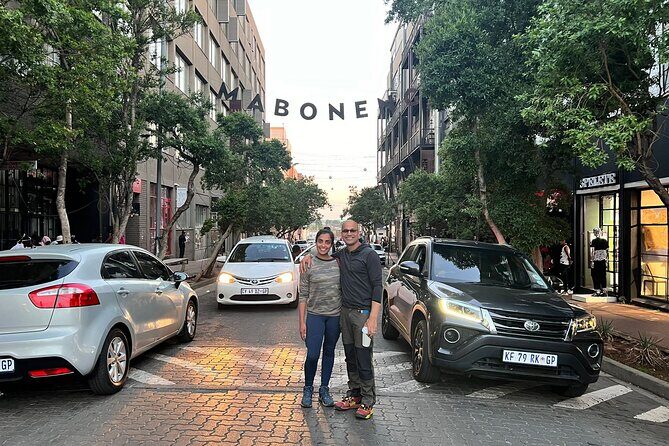
Around midday, you shift to the Hector Pieterson Museum and Memorial, about an hour long, with admission included. This stop is named for Hector Pieterson, a 12-year-old student connected to the Soweto uprising on 16 June 1976. The story you are given centers on how his death became an iconic image of the unrest.
The key detail here is the Sam Nzima newspaper photograph—Hector being carried while Mbuyisa Makhubu rushes for help. That photo helped spark global uproar and, as presented during the visit, helped rouse anti-apartheid sentiments internationally. In other words, this is where the local becomes global.
What I like about this stop for your trip: it gives you a clear narrative thread. Students protest language policy; the situation escalates; and the world sees it through a powerful image. Even if you only remember one thing from Soweto, this is the kind of story that stays.
How to get the most out of the museum time: move at a pace that lets you read and absorb. You are not racing to a finish line; you are building a context that will make the later Mandela House stop hit harder.
Mandela House inside Orlando West: family life alongside political change
After the memorial, you go to Mandela House, where guided access is included. Expect about 45 minutes inside the home where Nelson Mandela lived on and off for more than 14 years—first with his first wife Evelyn Ntoko Mase, then later with Winnie Madikizela-Mandela.
This is not only about dates and arrests. You learn about the bittersweet side of the house: the memory of Winnie left as a parent raising their daughters, Zenani and Zindzi, and how the home carried political weight even while life moved forward.
The guided narrative also includes Mandela’s own words from his autobiography, The Long Walk to Freedom, describing coming back in 1990 after release from 27 years in prison. The mention of No. 8115 in Orlando West as a mental center point is a strong way to understand what freedom meant at a personal level, not just a national one.
Why this stop is valuable: you get the feeling of a real place tied to real routines—then you compare that to the broader political story you just heard at Hector Pieterson. It makes the history feel human rather than abstract.




Vilakazi Street: Nobel names, local business, and street energy
The final stop is Vilakazi Street, typically about an hour, and described as free to explore. This is the street famous for hosting two Nobel Laureates as residents: Nelson Mandela and Archbishop Emeritus Desmond Tutu.
But you are not just walking a memorial corridor. The tour notes focus on the day-to-day feel here: entrepreneurial spirit, shops with accessories and African-inspired fashion and homeware, and performers who sing and dance along the precinct. There are also restaurants where you can find Soweto-style buffet options.
What I like for your timing: this part of the day is a palate cleanser. After heavy history, you get something lighter and more ordinary, which helps the entire experience feel balanced. It is also a great time to buy a small souvenir rather than doing it at the end when everyone is tired.
Practical tip: if you want to eat, plan for it now. Lunch is not included, so you will either grab food here or use it as a springboard to a nearby meal plan.
What makes this tour feel interactive (and why that’s good)
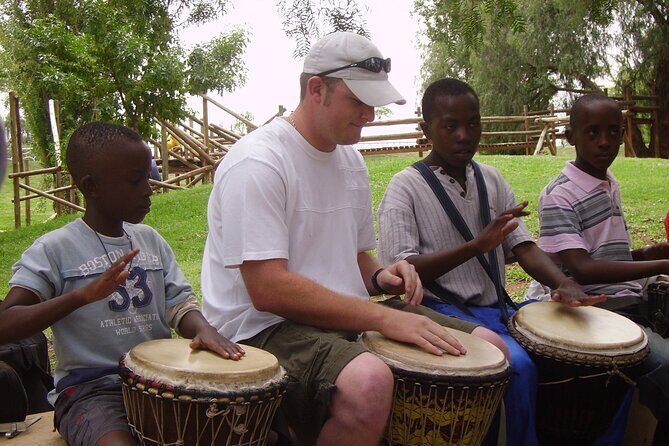
The title says historical and cultural interactive experience, and that is not just marketing. The tour is built around the idea that you might get real connection moments rather than only formal stops.
You can end up with experiences like:
- Sipping tea in a local home
- Meeting people at a local tavern
- Sharing laughter with children from a kindergarten
This is where the guide approach matters. The tour describes guides who do more than list facts. They share heritage and take you to places where you experience culture directly, often through optional add-ons and small community interactions. One practical benefit of this structure: you get to ask questions as they come up, instead of saving them for the end.
Based on guide names from past groups (like Zandile, often called Zandi/Zandy, and Jazz), the pattern is consistent: guides tailor the day to the group’s interests and make room for conversation. That is a big quality marker for this style of tour. If you hate feeling stuck to a rigid script, that flexibility tends to be a win.
One consideration: the most human parts of the day can be less predictable than museum stops. If you prefer strict timelines and zero social interaction, this may not feel as controlled. If you like meeting people and hearing lived context, you will probably love it.
The optional traditional healer visit: add meaning, not just a stop
There is an optional extra you may choose: a traditional healer visit. It is described as a home visit because the healer works from home.
The cost is R300 per person, paid in cash directly to the healer. The experience is framed as a way to connect with ancestors for messages, and because it is optional, you can decide based on your comfort level with spiritual and personal experiences.
How to think about this as a traveler: this is not an educational theater act. It is described as personal and spiritual. If that kind of interaction feels meaningful to you, it can turn the day from history-focused into something more reflective. If you are uncomfortable with it, you can skip it and keep the day centered on the major historical sites.
Price and value: what $90.81 gets you in real terms
The price is $90.81 per person for a 4 to 5 hour experience. The average booking lead time is about 8 days, which suggests it is popular but not last-minute frantic.
Here is what you effectively get for your money:
- Air-conditioned vehicle
- All fees and taxes (for the items included in the tour)
- Bottled water
- Admission covered at key museums/historic sites (Hector Pieterson Museum and Memorial, and Mandela House)
- Pickup offered from your hotel
- Mobile ticket
- A private tour for your group only
Lunch is not included. That matters because a lot of tourists plan to spend the day and forget food. If you do not want to think about it mid-tour, budget either for Vilakazi Street meals or bring a light snack before you start.
Value-wise, the good deal here is not just transport. It is the combination of guided context at multiple major sites plus protected time inside Mandela House. If you are the type who wants more than photos, that guidance time pays off.
Logistics that actually matter: timing, group style, and what to pack
The tour runs daily within set hours: 10:00 AM to 3:00 PM. The schedule you receive may flex around your route, but the listed stops keep you in Soweto during the middle of the day, then finish early afternoon on Vilakazi Street.
Since the experience is about both museums and street-level time, pack for comfort:
- Closed-toe shoes for walking and uneven surfaces
- Sun protection (outdoor portions at FNB Stadium and Walter Sisulu Square)
- Cash if you want the traditional healer option (R300pp)
- A small plan for lunch, because it is not part of the package
Because it is a private tour, your group can move at a pace that fits you. That also means if you want more time asking questions, you can generally do so without juggling other groups.
Who should book this Soweto experience
I think this tour is a great fit if:
- You want Soweto’s key landmarks connected with clear context, not just photo stops
- You like meeting locals and having room for conversation
- You want a balance of heavy history and everyday street life (Mandela House into Vilakazi Street works well)
- Your group can handle a mix of museum time and community interaction
It may be less ideal if you:
- Want only indoor, timed museum visits with minimal social interaction
- Are strict about lunch timing (because lunch is not included)
- Know you do not want any spiritual component (then skip the healer option)
Should you book Aahaah Shuttle & Tours for Soweto?
If you are aiming for a Soweto day that connects political history to real people, this is the kind of tour I would recommend. The strongest reason to book is the pairing: Hector Pieterson Museum + Mandela House gives you depth, and Walter Sisulu Square + Vilakazi Street helps you see the story continuing in public life.
Add the optional healer visit only if it feels respectful and meaningful to you, and plan for lunch on your own. If you do that, you will get a day that feels both guided and personal.
FAQ
What is the duration of the Historical and Cultural Interactive Experience of Soweto?
It runs about 4 to 5 hours.
Where does the tour take place?
The tour is in Johannesburg, South Africa, with key stops across Soweto and the surrounding Johannesburg area.
Is pickup from my hotel included?
Yes. Pickup is offered and you travel in an air-conditioned vehicle.
What ticket types do I receive?
You get a mobile ticket.
Which stops are included during the tour?
The tour includes stops at FNB Stadium, Walter Sisulu Square, Hector Pieterson Museum and Memorial, Mandela House, and Vilakazi Street.
Are admission tickets included?
Some admissions are included. Hector Pieterson Museum and Memorial and Mandela House have admission tickets included. FNB Stadium and Walter Sisulu Square are listed as free, and Vilakazi Street is free to explore.
Is lunch included?
No. Lunch is not included.
Is the traditional healer visit included?
No. The traditional healer visit is an optional extra. It costs R300 per person, paid in cash to the healer.
How long in advance should I book?
On average, this tour is booked about 8 days in advance.
What is the cancellation policy?
You can cancel for a full refund up to 24 hours before the experience’s start time. If you cancel less than 24 hours before, the amount paid is not refunded.