REVIEW · JOHANNESBURG
Historical Soweto & Apartheid Museum Tour
Book on Viator →Operated by Vaya Africa Travels. · Bookable on Viator
Soweto can hit you in the gut fast. This half-day private tour pairs Soweto township stops with the Apartheid Museum, so you get context you can actually use—before and after you see the exhibits. I like that it’s guided by a local who can explain what you’re looking at, not just drive past it. I also like the mix of stops: you see everyday life in the township, then you step into the stories of Mandela and the events of 1976.
One thing to flag: timing and ticket handling can be a little messy. The trip can run late by about 40 minutes, and the Apartheid Museum admission is not included, so you’ll need to budget for that ticket on the day. Also, if local guiding fees come up at sites, double-check what’s covered before you go.
In This Review
- Key points to know before you go
- A 4-hour Soweto and Apartheid Museum plan that doesn’t waste time
- Private pickup and A/C comfort: how the day stays manageable
- Diepkloof Park: seeing the “upper class” view of Soweto
- Kliptown in 45 minutes: corrugated-iron housing and daily reality
- Mandela House: the matchbox-sized home with huge emotional weight
- Hector Pieterson Museum and Memorial: the June 1976 student story
- The Apartheid Museum: a self-guided 2 hours that you control
- Price and value: what $89.44 buys you, and what it doesn’t
- Timing and reliability: plan for a late start, not a perfect schedule
- How the guide’s choices shape your experience
- Who should book this Soweto and Apartheid Museum tour
- Should you book it?
- FAQ
- How long is the tour?
- Where does the tour take place?
- What’s included in the price?
- What isn’t included?
- Is this a private tour?
- Do I get a mobile ticket?
- Is the Apartheid Museum guided?
- Can I get a full refund if plans change?
Key points to know before you go
- Private, A/C transportation with pickup from Johannesburg and Pretoria
- Mandela House and Hector Pieterson Museum tickets included in the price
- Free entry stops at Diepkloof Park and Kliptown (so you can spend your time on the explanations)
- Apartheid Museum is self-guided, with your guide available if you want help inside
- A tight 4-hour flow that’s history-heavy, so come ready for emotional weight
A 4-hour Soweto and Apartheid Museum plan that doesn’t waste time

This is a focused tour. You’re not being asked to survive a full-day sprint through South Africa’s biggest sites—you’re getting a curated run through the places that set the political and human story in motion. The schedule is built to move from community and lived experience into the formal interpretation of apartheid-era history.
If you want a tour that mixes perspective with emotion, you’ll like this format. Soweto isn’t one single “look.” You’ll see parts of it that feel different from each other, and your guide’s job is to connect the dots so the places don’t blur into one long street drive.
You can also read our reviews of more historical tours in Johannesburg


Private pickup and A/C comfort: how the day stays manageable
The trip is private, meaning it’s only your group in the vehicle. That matters in Soweto. You’re able to ask questions without waiting for other people to catch up, and your guide can adjust pacing a bit based on what you’re most interested in.
You also get pickup from Johannesburg and Pretoria, and travel in an air-conditioned vehicle. In Johannesburg weather, that simple comfort piece is real value. Even when your day gets serious, you’re not spending it sweltering in transit.
Diepkloof Park: seeing the “upper class” view of Soweto

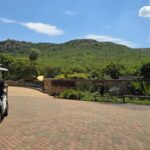
Your first stop is Diepkloof Park. This is described as the upper-class side of Soweto, and that’s a useful way to start. Many visitors arrive with one mental picture of townships. This stop helps correct that shortcut.
In about the time you spend there, expect a shift in what you notice: housing style, street feel, and daily life details can look different even within the same broader area called Soweto. This is also where you get early context that makes later stops click. If your goal is understanding, not just photos, starting here helps.
Admission is free, so there’s no entry fee weighing into the schedule.
Kliptown in 45 minutes: corrugated-iron housing and daily reality
Next up is Kliptown. This stop is specifically about township life and corrugated-iron homes. In 45 minutes, you won’t cover everything about Kliptown, but you can learn what matters most: how people build their lives in tight, practical spaces, and how community identity holds steady even when conditions are hard.
This is the kind of stop where your guide’s explanations shape what you see. Pay attention to small details—how people move through their space, how the community functions, and what the area’s history means for everyday life today.
Admission is free here as well. That means more of your money goes into the guide and the later paid museum time.
Mandela House: the matchbox-sized home with huge emotional weight
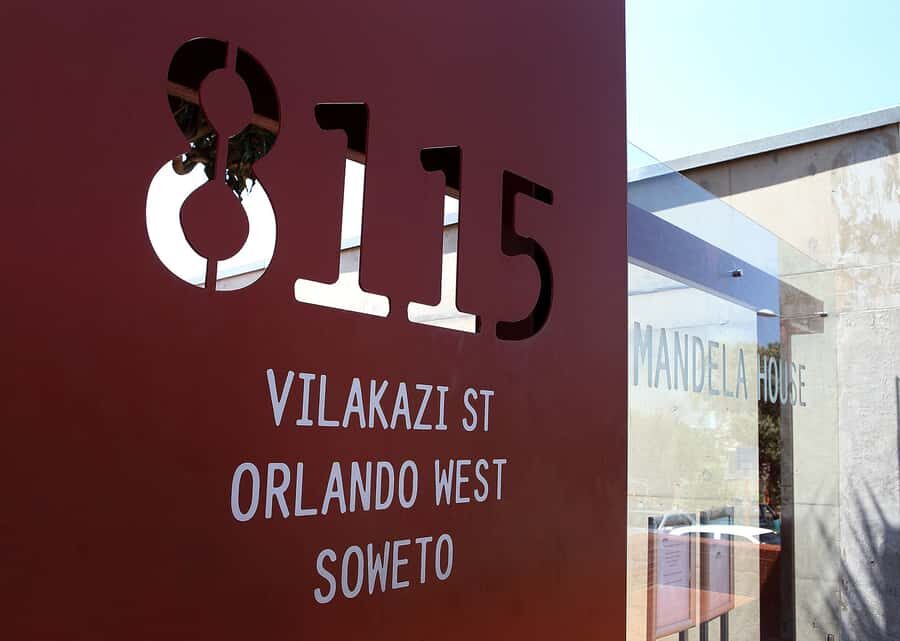
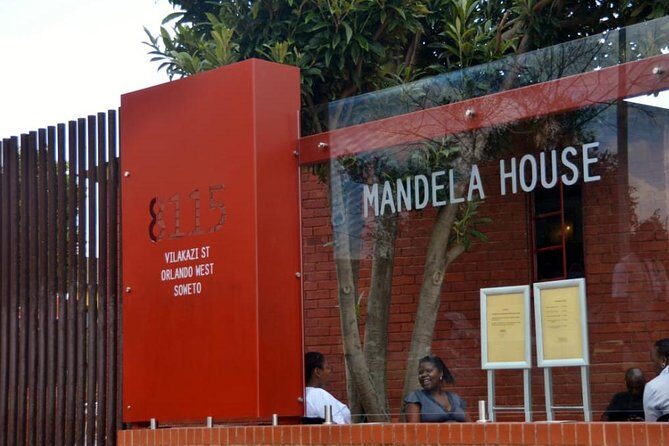
Mandela House is one of the included highlights. You’ll visit the old matchbox-style home of Nelson Mandela—his living space with his wives, plus the letters he wrote while in prison and the memorabilia that was presented to him after 27 years behind bars.
You get about 35 minutes here, which is enough time to slow down and absorb. The power of this site isn’t in size—it’s in scale. When you see the space where life happened, you start understanding why Mandela’s story became so widely relatable. The exhibits focus on how imprisonment didn’t shut down his mind and influence; it shaped what came next.
Tickets for Mandela House are included, which is a genuine value point. It also saves you from having to think about entry paperwork mid-tour.
You can also read our reviews of more museum experiences in Johannesburg


Hector Pieterson Museum and Memorial: the June 1976 student story
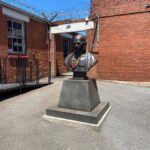
After Mandela House, you go to the Hector Pieterson Museum and Memorial. This is a key stop if you want the turning point story behind the 1976 student uprising.
You’ll see the events from June 1976, when students tried to march against the use of Afrikaans as a medium of instruction in schools. Your guide can help connect the museum details to the larger political picture—why language policy was so loaded, and why students chose protest.
You get about 1 hour here, and tickets are included. If you’re the type who likes to read every label, you may feel the time limit. If you prefer guided interpretation, this timing is good because you can focus on what your guide tells you to look for and why.
The Apartheid Museum: a self-guided 2 hours that you control
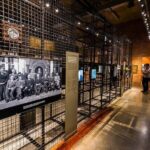
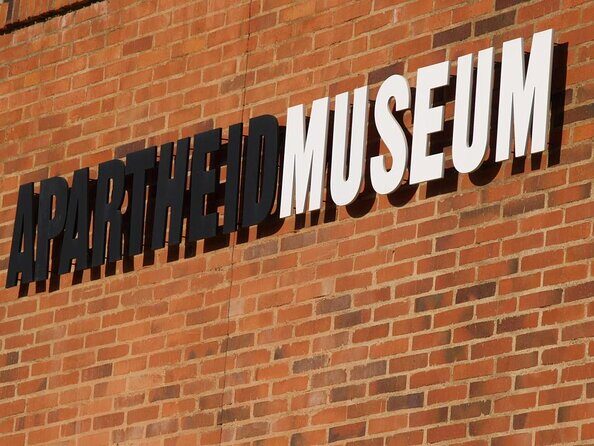
The final stop is the Apartheid Museum, focused on the rise and fall of apartheid. You’ll have about 2 hours inside, but here’s the catch: admission is not included. Your guide can help you at the museum, but the experience is primarily self-guided.
This setup has a big advantage. If you find an exhibit that grabs you, you can linger. If one section feels repetitive, you can move on. You’re driving the pace more than earlier stops.
It also has a downside: if you’re hoping for constant guiding throughout, plan to ask questions up front. I’d also go in ready for emotional material. This isn’t a light add-on; it’s a structured explanation of oppression and resistance.
A practical tip: before you step in, quickly decide what you want to walk away with—how apartheid worked, how people resisted, or how the transition happened. That choice makes the self-guided format feel less like wandering and more like targeted learning.
Price and value: what $89.44 buys you, and what it doesn’t
At $89.44 per person for about 4 hours, the value mostly comes from two places: private transport and included museum access where it matters. You’re not paying separately for Mandela House and Hector Pieterson Museum tickets—they’re built into the price. You also avoid paid entry at Diepkloof Park and Kliptown, since those stops are free.
The budget curve happens at the Apartheid Museum. Its ticket is not included, so you’ll want to account for that extra cost when you plan your total trip spending. If you’re traveling as a family or with friends, that’s the one part that can swing your final per-person price.
There’s also the human value: a local guide can turn stops into understanding instead of just a checklist. That’s usually where the “cheap tour” comparisons fail. A good explanation can save you from misreading what you’re seeing.
Timing and reliability: plan for a late start, not a perfect schedule
Here’s the practical reality: the pickup and start timing can be off. Expect potential lateness—one reported case was about 40 minutes. In Johannesburg, that can matter for your day plan, especially if you’re trying to fit this around another appointment.
To make your day smoother, I recommend building in slack. Don’t schedule something tight right after the tour ends. If you’re also trying to fit a meal, keep it flexible.
Another caution: one report noted having to pay local guides at the sites, even though those costs were expected to be included. That’s not something you can fix on the spot if it happens late in the day. The best move is to confirm coverage before you go—what fees are handled by the tour price versus what you might pay on-site.
How the guide’s choices shape your experience
This type of tour can feel intense because it packs major sites into a short time window. That forces decisions—what gets emphasized, what gets skipped, what’s covered through photos and what’s covered through reading.
In one experience, the guide steered focus so that you got what you needed without seeing every final indoor segment. That can be great if your goal is big-picture meaning. It can feel limiting if you want a room-by-room museum experience with zero guidance boundaries.
So here’s my advice: go in with an open mind, but be clear with your guide about what you want. If your priority is full museum viewing, say it early. If your priority is guided storytelling, ask the guide to point you to the key exhibits.
Who should book this Soweto and Apartheid Museum tour
This tour fits best if you want:
- A private, guided explanation of Soweto and apartheid history in a half day
- Included entry to Mandela House and Hector Pieterson Museum
- Comfort and fewer hassles thanks to pickup and A/C vehicle travel
- A structured route where you’re not guessing what matters
You might choose something else if you:
- Want a fully self-paced museum day with no limits (because the schedule is tight)
- Don’t do well with heavy, emotional history content
- Need strict timing with no chance of delays
Should you book it?
I’d book this if you’re looking for a short, meaningful introduction to Soweto and apartheid-era storytelling, and you value having a local guide to explain what you’re seeing. The included tickets to Mandela House and Hector Pieterson Museum are a strong value point, and the free entry stops help stretch your time toward the best paying sites.
I’d also book it with eyes open. Factor in the chance of a late start, and budget separately for the Apartheid Museum ticket since it’s not included. If you confirm what on-site guiding fees are covered, you’ll reduce the odds of a last-minute surprise.
If you want a half-day that turns sightseeing into understanding, this is a solid way to do it—just don’t treat it like a casual photo walk.
FAQ
How long is the tour?
It lasts about 4 hours.
Where does the tour take place?
It runs in Johannesburg, South Africa, with pickup offered from Johannesburg and Pretoria.
What’s included in the price?
The tour includes an air-conditioned private vehicle and private transportation. Tickets for Mandela House and Hector Pieterson Museum are included, and admission is free for Diepkloof Park and Kliptown.
What isn’t included?
The Apartheid Museum admission ticket is not included. Lunch (or lunch/dinner with a soft drink) can be added for an extra cost.
Is this a private tour?
Yes. It’s private, and only your group participates.
Do I get a mobile ticket?
Yes, the tour uses a mobile ticket.
Is the Apartheid Museum guided?
The Apartheid Museum is self-guided, but your guide will be available if you want help inside.
Can I get a full refund if plans change?
Yes. You can cancel up to 24 hours in advance for a full refund.