REVIEW · JOHANNESBURG
Johannesburg: Pretoria, Apartheid & Soweto Small-Group Tour
Book on GetYourGuide →Operated by Pure diamond tours and safari · Bookable on GetYourGuide
Johannesburg’s past shows up in everyday streets. This 8-hour small-group day blends Pretoria landmarks with a focused look at apartheid’s rise and fall, then moves into Soweto for the places most connected to Nelson Mandela and the anti-apartheid story.
I especially like the way the route pairs big official sites with human-scale stops. You get the Apartheid Museum (included), plus time on Vilakazi Street and around key Soweto memorials, including Hector Pieterson Square.
One thing to consider: the day includes security checks and walking, and it can be affected by scheduling quirks. Also, at least one booking ran into the Apartheid Museum being closed on a Monday, so it’s smart to verify opening hours for your specific date.
In This Review
- Key highlights worth your time
- Pretoria to Soweto in one packed 8-hour day
- A note on your guide (and why it matters)
- Meeting up, security checks, and what to bring
- Early stops in Pretoria: Voortrekkers Monument to Union Buildings
- Why these Pretoria details help in Soweto
- Apartheid Museum: the included reality check around 12:45 pm
- A practical heads-up: possible closure on certain days
- Lunch break reality (food not included)
- Soweto essentials: World Cup Stadium to Soweto Towers
- Vilakazi Street: the human scale of memory
- Mandela’s house and Hector Pieterson Square: why these stops hit
- Optional add-on: a tougher look at daily life
- How the small-group format affects your experience
- Price and value: what $186 covers, and what it doesn’t
- Who should book this tour
- Should you book Johannesburg: Pretoria, Apartheid & Soweto?
- FAQ
- What does the tour include?
- How long is the tour?
- How many people are in the group?
- What languages are offered?
- Is food included?
- Do I need a passport?
- What are the main items that are not allowed?
- What is the cancellation policy?
Key highlights worth your time
- Small group size (up to 9) keeps the pace easier to manage on busy streets
- Apartheid Museum entry included so you can focus on the meaning, not ticket logistics
- Vilakazi Street visit ties Mandela’s story to everyday neighborhood life
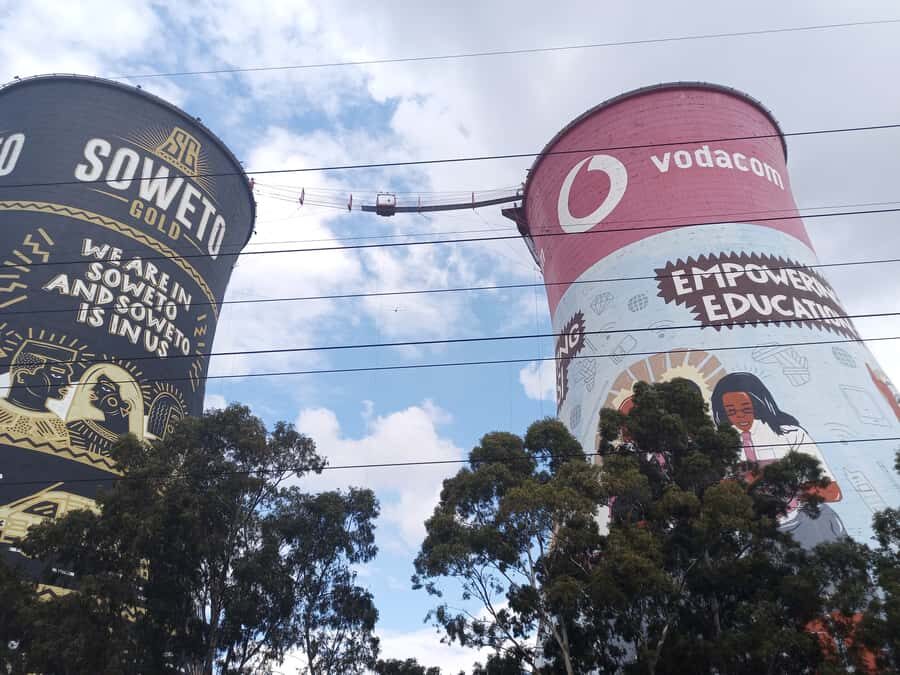
- Soweto landmarks in one sweep including Soweto Towers and Hector Pieterson Square
- Optional add-on in Soweto if you want a tougher, more grounded look at local life
Pretoria to Soweto in one packed 8-hour day
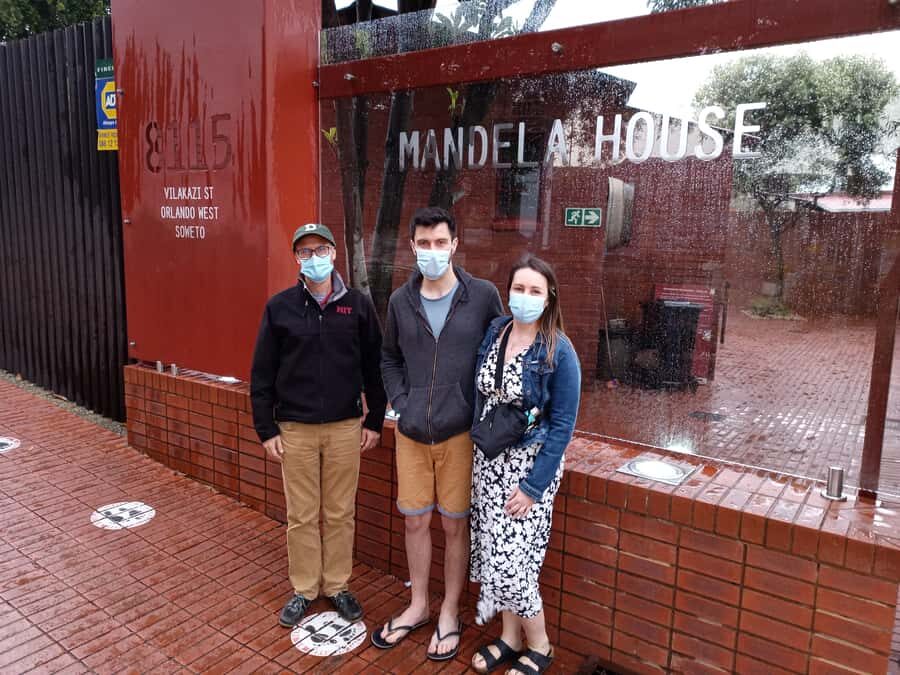
This tour is built for people who want a structured, guide-led overview without feeling like you’re bouncing randomly around Johannesburg. You start in Pretoria, the administrative capital where government buildings and embassies sit in plain view. Then you shift into Soweto, where you’ll see how history, memory, and community identity live side by side.
You should know the tone of the day. It’s educational, but it’s not abstract. The stops are chosen to explain how power worked, who it oppressed, and how people resisted—then you end up in places that still carry those stories.
The schedule is also practical. You’ll do the major Pretoria sights in the late morning, hit the Apartheid Museum around midday, then spend the afternoon in Soweto at a steady pace until the tour wraps up. If you like seeing multiple neighborhoods in a single day while staying oriented with a guide, this is a good fit.
You can also read our reviews of more tours and experiences in Johannesburg.


A note on your guide (and why it matters)
The tour includes a live guide and English and French language support. In recent experiences, guides like Gabin and Richard were singled out for clear explanations and strong control of the day’s flow. That matters here, because the topic is heavy and the details matter. You want someone who can connect the dots without rushing.
Meeting up, security checks, and what to bring
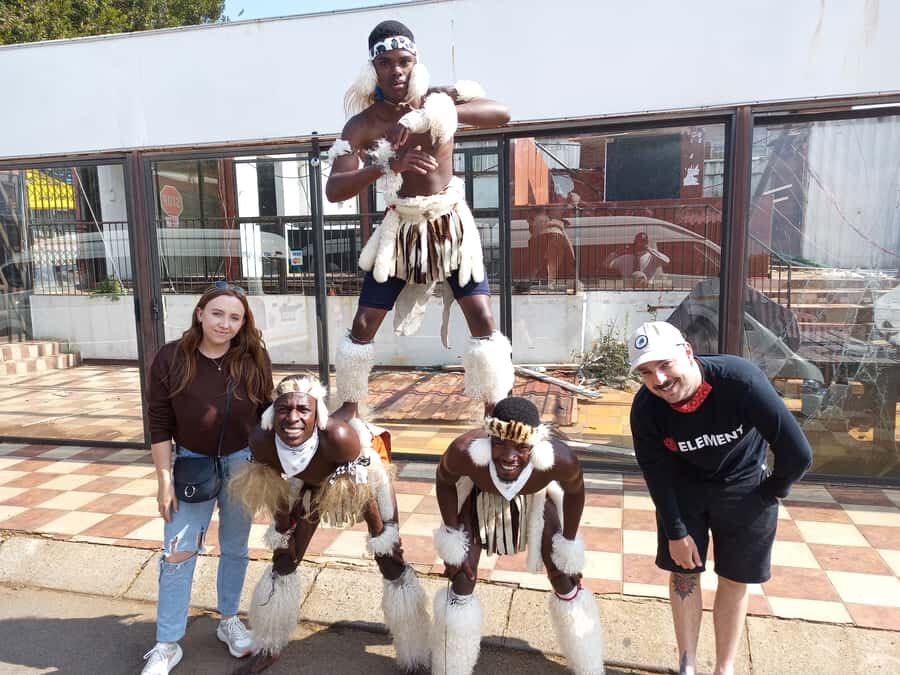
This is a hotel pickup tour. The driver comes to your hotel lobby holding a sign with your last name on it. Pickup is available from multiple areas, including Johannesburg, Rosebank, Sandton, Ekurhuleni, West Rand District Municipality, and Pretoria.
Before you go, plan on airport-style security. That means you should travel light. The tour also runs rain or shine, so bring something that lets you stay comfortable if the weather turns.
Here’s what you’re told to bring and avoid:
Bring
- A passport (a copy is accepted)
Not allowed
- Baby strollers
- Alcohol and drugs
- Glass objects
- Bags
- Electric wheelchairs
- Fireworks
If you’re carrying a camera bag, assume it won’t be allowed as a bag. Pack smart: small essentials in whatever you can carry without breaking the rules.
One more timing reality: because the day starts with security and structured visits, it’s best not to schedule other activities tightly before and after. Treat it like a full-day commitment.
Early stops in Pretoria: Voortrekkers Monument to Union Buildings
Your day begins around 9:00 am with a stop at the Voortrekkers Monument, a major landmark tied to the early settler story in South Africa. The value of starting here is that you get a sense of how national narratives were shaped—what was celebrated, what was left out, and how monumental sites help tell political stories.
From there, the route moves through the center with key passing sights and orientation points:
- Passing Kruger House around 10:00 am
- Church Square around 10:45 am
- Passing through the CBD around 11:00 am
Then you’ll reach the Union Buildings around 11:30 am. Even if you only pass by certain structures, these stops help you understand why Pretoria feels like the seat of power: it’s where official life moves, decisions are made, and the country’s image gets projected.
Why these Pretoria details help in Soweto
Soweto isn’t just about personal stories. It’s also about policy—how laws and planning decisions shaped where people could live, work, and hope. Seeing the official Pretoria settings first gives you a clearer framework for what comes next at the museum and in Soweto.
If you prefer history that connects cities to policies, you’ll appreciate this sequencing.


Apartheid Museum: the included reality check around 12:45 pm
You’ll visit the Apartheid Museum at about 12:45 pm, and the entry fee is included. This is the pivot point of the day. The museum is described as illustrating the rise and fall of apartheid, and that’s exactly what the stop is meant to do: turn the political topic into something you can grasp through exhibits, timelines, and story-driven context.
Because the theme is serious, you’ll likely want to give yourself a bit of patience. Museum time can feel longer than you expect if the information is new. Since you’re on an 8-hour schedule, the guide may keep things moving, but the museum is still where the day’s meaning comes together.
A practical heads-up: possible closure on certain days
One booking flagged that the museum was closed on a Monday and stayed closed until Wednesday that week. I can’t promise that’s always true, but it’s a real risk for specific dates. If your visit falls on a Monday, it’s worth checking the museum’s opening hours before you lock in your day.
Lunch break reality (food not included)
Food and drinks aren’t included. That’s common on tours like this, but it does change how you plan your day. After the museum, you’ll be rolling into Soweto, which can limit your ability to find exactly what you want on the fly.
I recommend bringing a simple plan:
- Eat lightly if you’re comfortable doing so before the museum, or
- Use whatever window the guide gives for a quick meal afterward
You’ll get more from the day if you avoid arriving hungry and then trying to solve lunch under time pressure.
Soweto essentials: World Cup Stadium to Soweto Towers
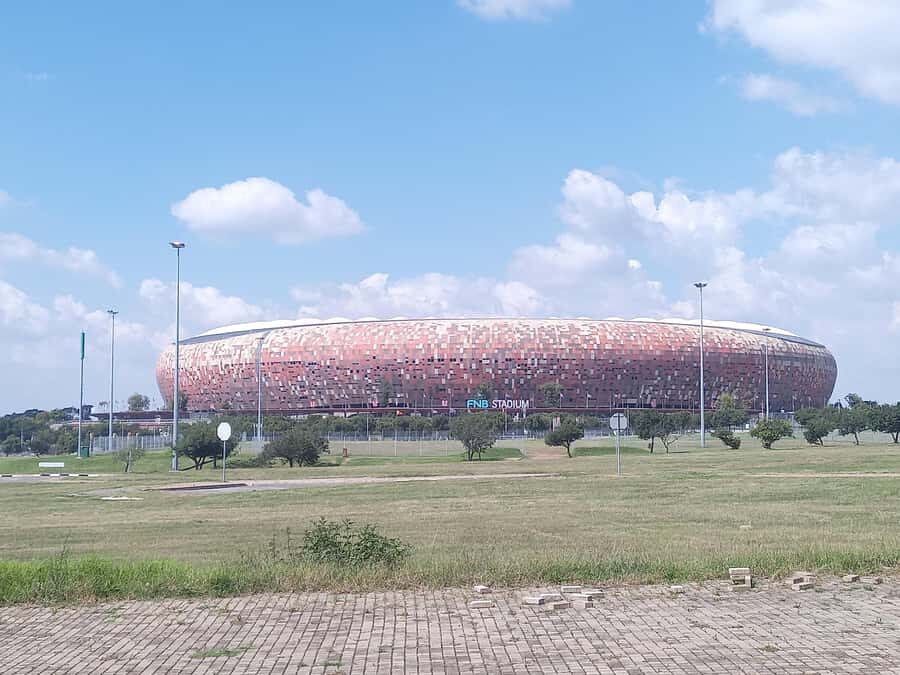
Around 2:00 pm, you head into Soweto. This part of the tour is where the lesson becomes visible in street life, memorials, and community landmarks.
You’ll visit a set of major sites, including:
- The World Cup stadium
- The biggest hospital in Africa
- Soweto Towers
- Vilakazi Street (also associated with Tutu and Mandela’s Street)
- Mandela’s house
- Hector Pieterson Square
Even if you’ve seen pictures of these places, you’ll likely notice how much meaning is packed into the setting—where you stand affects what the story feels like.
Vilakazi Street: the human scale of memory
Vilakazi Street is a highlight because it’s not only about monuments. It’s about a living neighborhood with real people moving through it. Your guided time on Vilakazi Street in Orlando West is listed as a 2-hour guided tour, which signals that the visit isn’t meant to be a quick photo stop.
This is also where your guide’s communication style shows. In strong tours, the guide keeps explaining without turning the day into a lecture. One of the best things about the experiences tied to this route is that you get time to explore on your own, not just stay glued to the group.
Mandela’s house and Hector Pieterson Square: why these stops hit
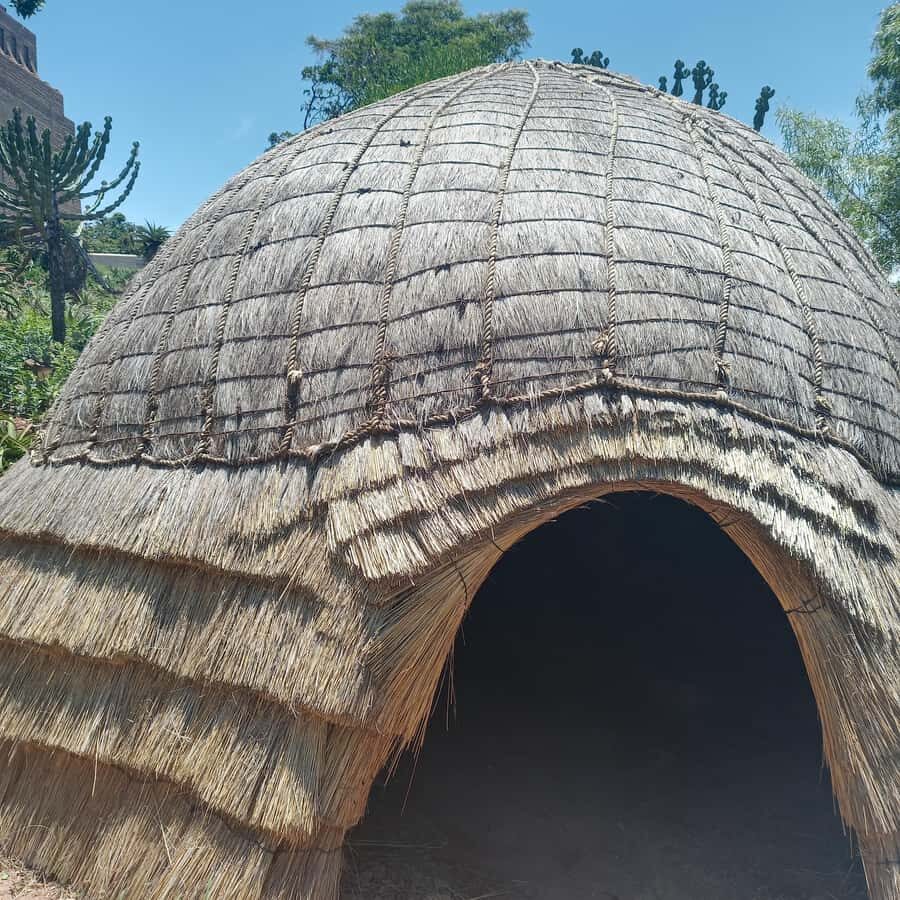
The tour includes Mandela’s house and Hector Pieterson Square. Those two stops carry weight for different reasons.
- Mandela’s house area helps connect the story to a specific person and place, making it easier to understand why people connect so strongly to his legacy.
- Hector Pieterson Square centers the memory of Hector Pieterson, and it’s the kind of stop that makes you pause and look rather than just listen.
If you’re the type who likes to understand what you’re seeing before you move on, bring a calm mindset here. The stories are heavy, and the most meaningful moments often happen when you stop rushing.
Optional add-on: a tougher look at daily life
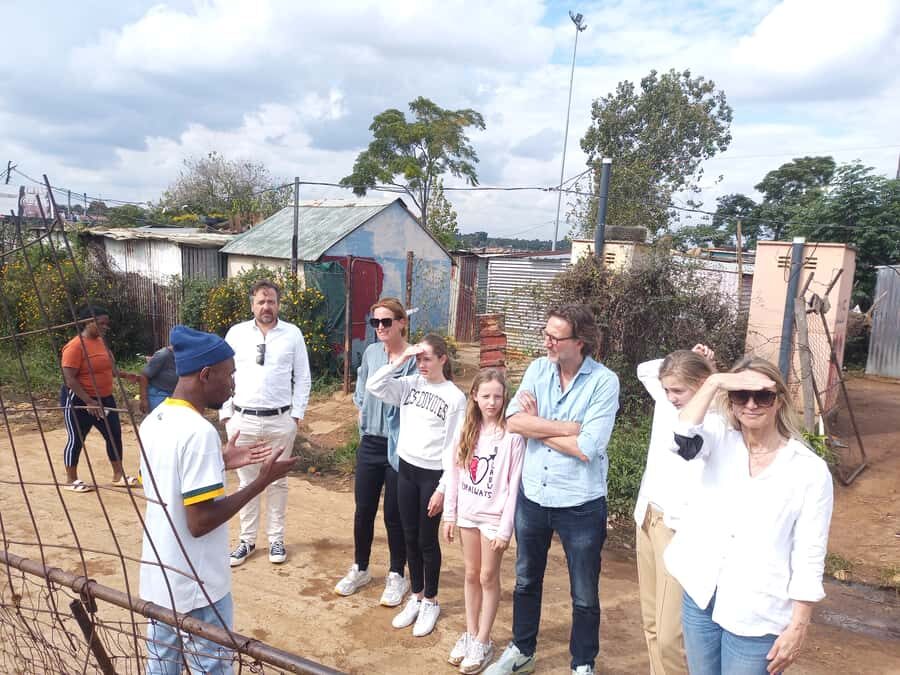
The itinerary also notes an optional visit to the poorest place of Soweto. If you take it, expect a more grounded, more difficult perspective. It’s not included by default in the itinerary timing notes, so ask your guide what’s involved and how the visit will work in practice on your day.
This optional stop is the part of the tour that can feel most real, but also the part that can emotionally weigh the most. Decide based on your own energy level and comfort.
How the small-group format affects your experience
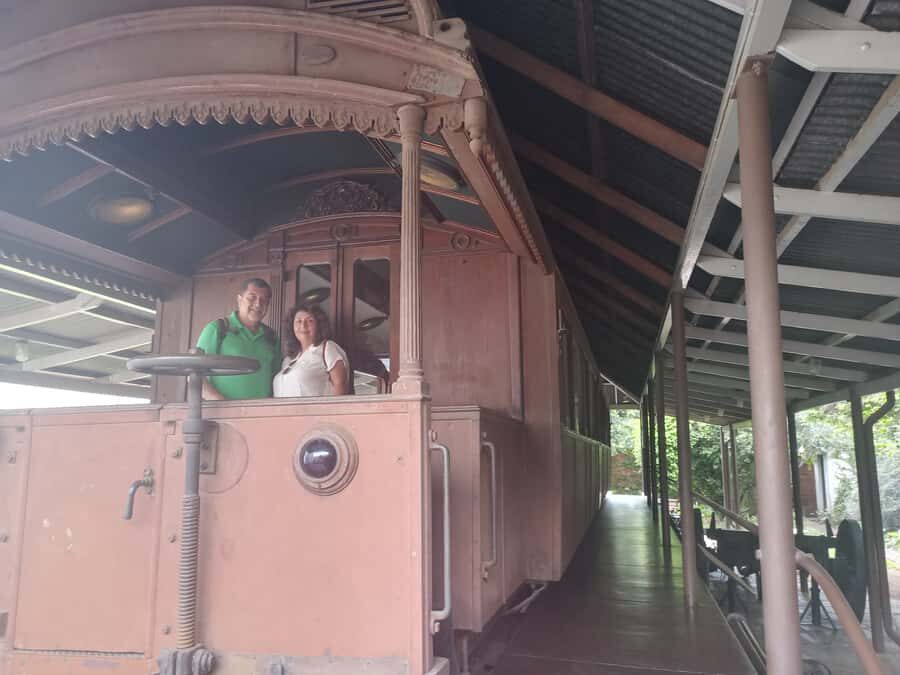
This is a small-group tour limited to 9 participants. That size matters on a day like this. You move faster than in a large bus tour, but you also don’t feel like you’re jostling through crowds.
A few other practical points help you judge whether it fits you:
- The day is listed as 8 hours
- You’ll have hotel pickup and drop-off
- The guide supports English and French
- You’ll pass through security, so you should arrive ready
When the group is small, your guide can also answer more direct questions. In one of the stronger experiences tied to this route, the guide checked understanding and responded to questions instead of sticking rigidly to a script.
Price and value: what $186 covers, and what it doesn’t
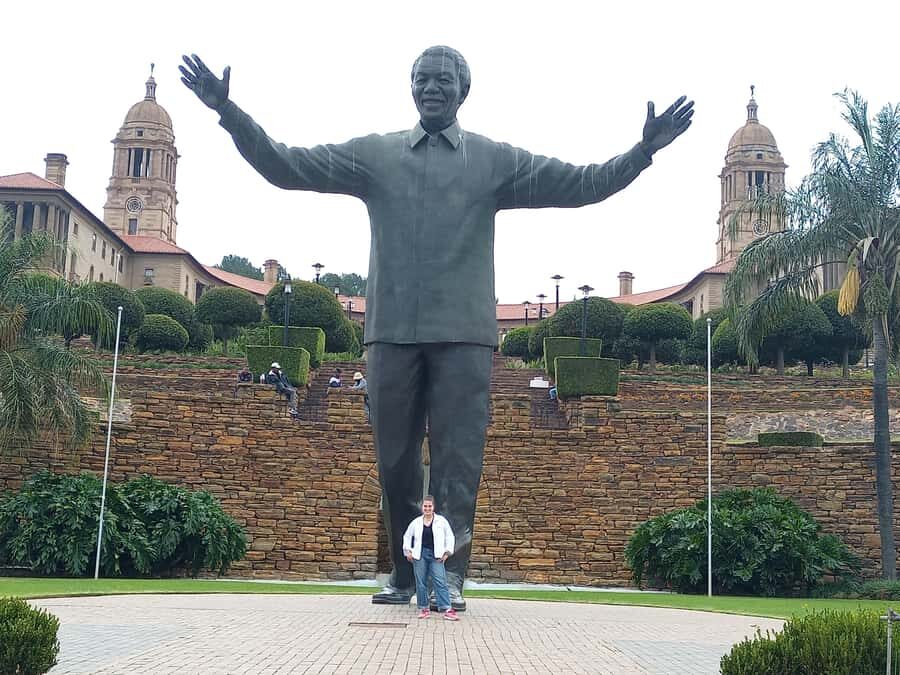
At $186 per person for an 8-hour tour, you’re paying for more than “a drive and a few stops.” You’re paying for:
- Transport that picks up from multiple locations
- A guide with the subject focus
- Apartheid Museum entry, which removes one common cost item
- A structured route that links Pretoria to Soweto
What you’re not paying for is food and drinks. That’s also where value can change depending on how you handle meals. If you plan ahead and pack simple snacks or choose an efficient meal, you’ll keep your total cost under control.
One negative note to keep in mind: one booking complained about an older, less comfortable vehicle with no extra amenities. That doesn’t mean it will happen on your day, but it does suggest the comfort level may vary. If you’re sensitive to bumps and long sitting time, consider bringing something for comfort and keeping expectations realistic.
Who should book this tour
This tour is a strong match if you:
- Want a guided, structured overview of apartheid-era history and its legacy
- Prefer small-group pacing
- Appreciate when a route connects political sites in Pretoria to real community places in Soweto
It’s likely less ideal if you:
- Want a purely leisurely sightseeing day
- Are easily overwhelmed by heavy subject matter without time to process
- Need a fully accessible setup, since electric wheelchairs are not allowed
Should you book Johannesburg: Pretoria, Apartheid & Soweto?
If you want context that makes sense—Pretoria’s power centers, the museum’s explanation, then Soweto’s specific landmarks—this is a solid way to spend your day. The small-group size and included museum entry give it good value for the time.
Before you book, do two quick checks:
- Confirm the Apartheid Museum opening hours for your exact day, especially if you’re going on a Monday.
- Plan to travel light and comply with the security rules so pickup and entry go smoothly.
For the right mindset, this tour does what it promises: it turns big history into specific places you can actually stand in.
FAQ
What does the tour include?
It includes hotel pickup and drop-off, a guide, and entry to the Apartheid Museum.
How long is the tour?
The tour runs for 8 hours.
How many people are in the group?
The tour is a small group limited to up to 9 participants.
What languages are offered?
The live tour guide is available in English and French.
Is food included?
No. Food and drinks are not included.
Do I need a passport?
Yes, you need your passport. A copy is accepted.
What are the main items that are not allowed?
The tour data lists baby strollers, alcohol and drugs, glass objects, bags, electric wheelchairs, and fireworks as not allowed.
What is the cancellation policy?
You can cancel up to 24 hours in advance for a full refund.