REVIEW · JOHANNESBURG
Pretoria city tour
Book on Viator →Operated by Swangs Safaris · Bookable on Viator
Pretoria history fits in one well-paced morning or afternoon. This private guide-led Pretoria city tour stitches together the Voortrekker Monument, Paul Kruger House, Church Square, and the Union Buildings, with hotel pickup and explanations of why South Africa has three capitals. You’re not just seeing stops. You’re getting the story that connects them.
I also like that the tour is built for comfort and momentum—round-trip pickup saves time, and the route is packed into about 5 hours. The one thing to consider is that local logistics can occasionally get messy; in at least one case, a pickup issue tied to an electricity crisis led to a last-minute change or cancellation.
In This Review
- Key highlights worth putting on your shortlist
- Pretoria’s half-day format: why this tour works
- Price and value: what $88.29 buys you
- Picking a private tour: the guide factor that makes or breaks it
- Stop-by-stop: how the Voortrekker Monument sets the tone
- Paul Kruger House: where biography meets the city’s story
- Church Square and Pretoria downtown: history you can feel in the streets
- Melrose House: a smaller stop that can matter
- Union Buildings: finishing with a view of power and administration
- Morning vs afternoon: how to choose your best start time
- Transfers, mobile tickets, and what to have ready
- What to bring for 5 hours of Pretoria walking and viewing
- When this tour is the right fit
- Should you book the Pretoria city tour?
- FAQ
- How long is the Pretoria city tour?
- What does the Pretoria city tour cost?
- Are pickup and round-trip transfers included?
- Is the tour private?
- Which sites are included on the tour route?
- What’s included in the price?
- Is lunch included?
- How does ticketing work?
- What if I need to cancel?
- Can I bring a service animal?
Key highlights worth putting on your shortlist
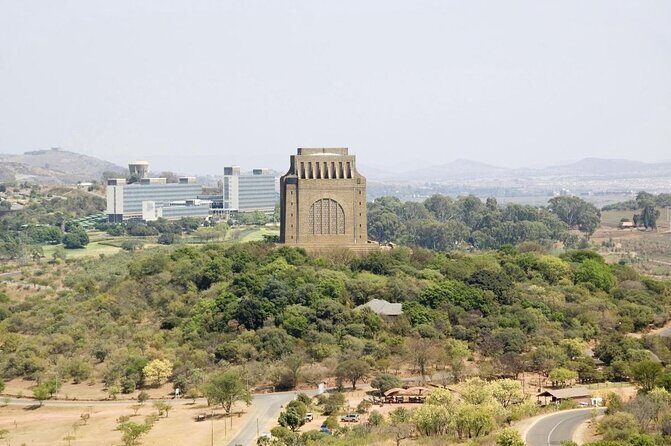
- Voortrekker Monument + Paul Kruger House in one morning/afternoon run, so you get both the symbolism and the person behind it
- Church Square and Pretoria downtown for context beyond monuments—more “city” than “museum”
- Union Buildings to understand how Pretoria functions as an administrative capital
- Private tour, only your group, which usually means better pacing for questions and photo stops
- Admission ticket included, so you’re not hunting for extra costs mid-tour
- Morning or afternoon choice, helpful if you’re balancing Johannesburg-area plans
Pretoria’s half-day format: why this tour works
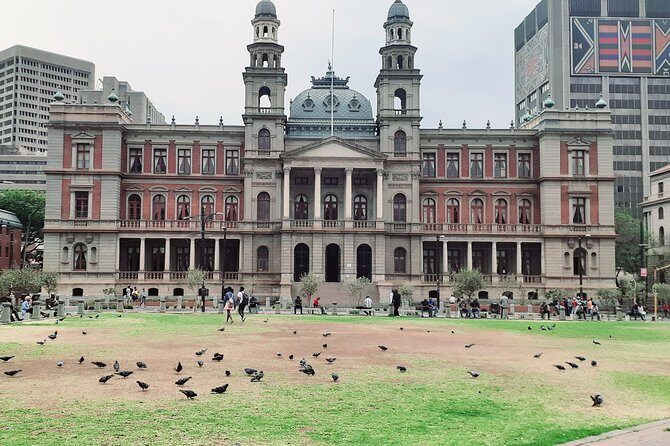
A good Pretoria city tour doesn’t try to do everything. This one stays focused on the core sights that explain Pretoria’s role in South Africa, without turning your day into a marathon. In about 5 hours, you’ll cover the Voortrekker Monument, Paul Kruger House, Church Square, Pretoria downtown, Melrose House, and the Union Buildings—an efficient “greatest hits” route with purpose.
What makes it more than a checklist is the way your guide frames the stops. You’re there to learn about South Africa’s history in a guided, on-the-ground way, and to understand why the country has three capitals rather than just memorizing names. That matters because monuments and government buildings make far more sense when you know what they were built to represent.
Also, since this is a private tour, the pacing is adjustable. If you’re the type who asks why something was designed a certain way, or you want extra time for photos, you’re less likely to feel rushed.
You can also read our reviews of more city tours in Johannesburg


Price and value: what $88.29 buys you

At $88.29 per person, the headline price is straightforward. The better question is what’s included in that number, because value in Pretoria often comes from avoiding “add-on” surprises.
Here’s what you do get that pulls the cost into reasonable territory:
- Round-trip transfers from your Pretoria hotel (so you’re not figuring out transport while you’re sightseeing)
- All fees and taxes
- Admission ticket included for the tour stops covered
- A private guide for the half-day
And what you don’t get:
- Lunch (so you’ll want to plan a meal before or after, or budget for something nearby)
The private format is the other value lever. If you’re traveling as a small group, private guiding can feel like a bargain compared with piecing together separate taxi rides and museum tickets.
One more practical note: the tour is listed with group discounts, which can matter if you’re traveling with friends or family. If you can travel with at least one other person, you may find the price-to-time ratio even more appealing.
Picking a private tour: the guide factor that makes or breaks it
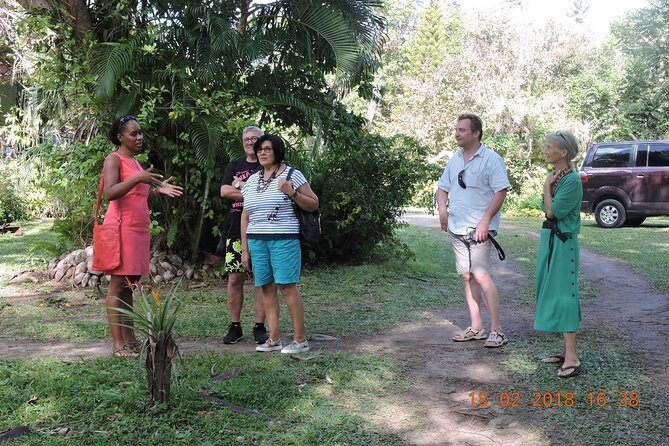
This experience is a private tour/activity, meaning only your group participates. That changes the vibe fast. You’re not waiting for the slowest person in a mixed group, and you can ask questions as you go—especially important on a history-heavy route.
The strongest impression from the available feedback is that the guide tends to be energetic and genuinely interested in teaching. The best part of that, from your perspective, is simple: history stays human. You’re not just hearing a timeline. You’re getting context that helps the sites make sense as you stand in front of them.
Of course, there’s a balance to keep in mind. In one situation, a pickup issue related to an electricity crisis caused the operator to cancel a last-minute booking and refund the guest. That doesn’t mean it will happen to you, but it does point to a common-sense travel habit: keep your phone ready, plan a little flexibility around your start time, and avoid stacking the tour right before an unchangeable commitment.
Stop-by-stop: how the Voortrekker Monument sets the tone
The tour’s route starts at the Voortrekker Monument. Even without extra explanation, this is the kind of place that signals what you’re about to learn: South Africa’s history isn’t abstract here—it’s carved into stone and shaped into a national narrative.
What I like about using this as the first major stop is that it gives you a frame for the rest of the morning or afternoon. When you later move to Paul Kruger House, Church Square, and government buildings, you’re not just moving from landmark to landmark. You’re building a clearer picture of the forces—political, cultural, and social—that influenced the area.
Practical tip: if you’re visiting on a bright day, bring sunglasses and expect a bit of standing time. Monuments can mean open sightlines, and you’ll want comfortable shoes for uneven outdoor ground.
Paul Kruger House: where biography meets the city’s story
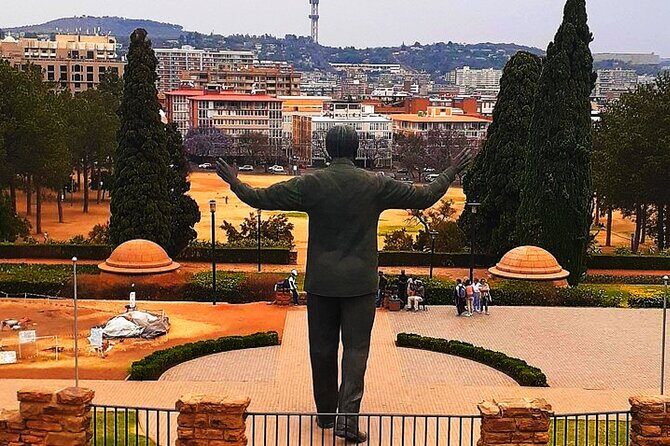
Next up is Paul Kruger House. This stop adds a personal thread to the broader national themes. Instead of staying purely in symbolic history, you get closer to the individual story that shaped the era.
I like how this works on a half-day itinerary. Many city tours overstuff the schedule with too many unrelated stops. Here, this one-two move—Voortrekker Monument, then Paul Kruger House—helps you connect big ideas to real people.
Potential drawback: if you’re not a fan of historical homes or guided interpretation, this part may feel more like education than sightseeing. The trade-off is that you’ll come away with a better understanding of the city, not just photos.




Church Square and Pretoria downtown: history you can feel in the streets
Then you move to Church Square and Pretoria downtown. This is the section of the tour where Pretoria starts to feel like a working city rather than a museum of landmarks.
What you’re gaining here is “context.” Government and memorials are important, but they sit inside a living place. Church Square helps anchor the story in a more everyday setting. And Pretoria downtown rounds it out by showing you how the city reads beyond the big-name buildings.
This stop can be especially satisfying if you like wandering with a purpose. You’ll still be on a planned route, but the vibe is less formal than monument viewing. If you want a few extra photos, this is often the easiest stretch to do it—assuming you keep an eye on timing and your guide’s transitions.
Melrose House: a smaller stop that can matter
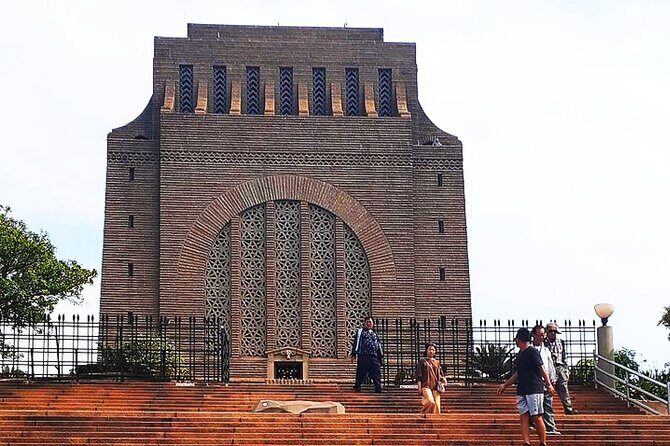
The itinerary includes Melrose House. It may not be as instantly famous as the Union Buildings, but places like this can add texture. They fill the gaps between major political symbols and more recognizable public spaces.
I find these “supporting character” stops helpful because they help the city feel real and layered. You get to see that Pretoria isn’t only about government-branded landmarks. There are other chapters of the city’s development—and your guide’s explanation is what makes it stick.
If you’re short on time, don’t assume a smaller stop is automatically less valuable. When guided well, these are often the moments that make the overall tour feel more balanced.
Union Buildings: finishing with a view of power and administration
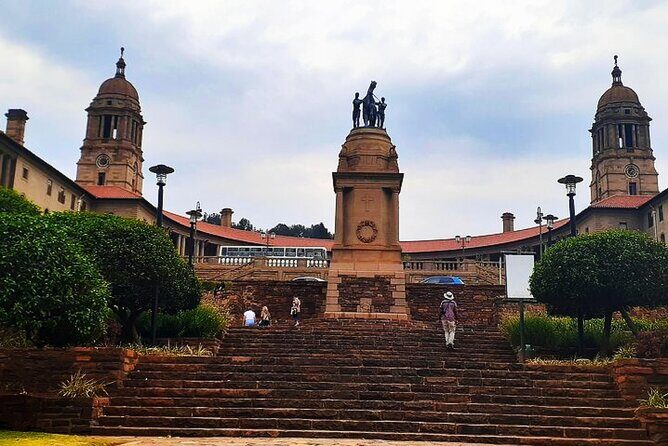
You end at the Union Buildings. This is the moment where Pretoria’s identity comes through most clearly: it’s not just a historic city—it’s an administrative capital with real political significance.
A tour like this works best when the final stop feels like a natural conclusion, and the Union Buildings do exactly that. After learning through earlier sites and street-level context, you’re ready to understand why the country organizes itself across different capitals. The guide’s explanation—about why South Africa has three capitals—ties this area together with what came before.
Practical note: expect more photo opportunities here. If you’re a planner, you might want to arrive with the mindset that this is your “best pictures” portion of the route. Comfortable shoes still matter; government zones can involve walking and stairs depending on the viewing areas available at the time of your visit.
Morning vs afternoon: how to choose your best start time
You can choose from a morning or afternoon tour time. That choice can matter more than you’d think with a history tour, because the lighting and your energy level affect how much you enjoy each stop.
If you’re traveling with limited free time, a morning slot can feel efficient—finish the tour, then eat and continue exploring without losing the whole day. If you prefer a slower start, the afternoon can work nicely, especially if you want to combine it with other Pretoria plans earlier in the day.
Either way, keep one thing in mind: the tour runs around 5 hours, including transfers. Build in a little buffer so you don’t feel rushed between pickup, sightseeing, and the end.
Transfers, mobile tickets, and what to have ready
The experience includes round-trip transfers from your Pretoria hotel, which is a big deal for comfort. In a city like Pretoria, you’ll lose less time dealing with transport and more time where it counts: outside, walking between key landmarks.
You’ll also receive confirmation at the time of booking and get a mobile ticket. That’s handy because you don’t need to print anything. Still, I recommend keeping the ticket accessible offline or on a phone that stays charged—because when the day goes smoothly, it’s great. When it doesn’t, you’ll be glad you’re prepared.
For those who travel with extra needs, service animals are allowed, and the tour notes that most travelers can participate. If you’re sensitive to walking time, keep your personal pace in mind and consider asking your guide about the amount of walking between stops when you meet.
What to bring for 5 hours of Pretoria walking and viewing
Even though it’s only half a day, you’ll move through outdoor spaces and viewpoints. I’d plan like it’s a normal sightseeing day, not a quick photo stop.
Bring:
- Comfortable walking shoes
- Water (and a small snack, since lunch isn’t included)
- Sun protection (hat or sunglasses if it’s bright)
- A phone charged and ready for your mobile ticket
If you’re someone who likes taking notes, this is also a good tour to do it. The best history guides don’t just list facts. They connect them. That makes your notes (even quick ones) useful later when you look at your photos.
When this tour is the right fit
This Pretoria city tour is a good match if you want:
- A focused half-day route that hits major historical and administrative landmarks
- A private guide who can tailor pace around your questions
- Hotel pickup to cut down on logistics stress
- Guided context for South Africa’s history and the idea of three capitals
It may be less ideal if you:
- Hate guided interpretation and prefer self-guided browsing
- Need absolute certainty with tight, non-flexible timing (local disruptions can happen, as shown by one last-minute cancellation case tied to an electricity crisis)
If you’re deciding between doing nothing or doing a guided intro to Pretoria, the tour earns its spot as an efficient way to understand the city quickly.
Should you book the Pretoria city tour?
I’d book it if you want a structured, history-focused half-day that’s not too long and not too complicated. The value is strongest because you get hotel transfers, a private guide, and an admission ticket included route with a sensible 5-hour timeline.
If your plans are rigid, add a little buffer into your day and keep communication ready. Pretoria is a real place with real logistics, and sometimes the day can wobble—especially for last-minute schedules.
Overall: this is a solid choice for an efficient first look at Pretoria, especially if you care about understanding what you’re seeing, not just snapping photos.
FAQ
How long is the Pretoria city tour?
The tour runs for about 5 hours.
What does the Pretoria city tour cost?
The price is $88.29 per person.
Are pickup and round-trip transfers included?
Yes. Pickup is offered, with round-trip transfers from your Pretoria hotel.
Is the tour private?
Yes. This is a private tour/activity, so only your group will participate.
Which sites are included on the tour route?
The tour includes the Voortrekker Monument, Paul Kruger House, Church Square, Pretoria downtown, Melrose House, and the Union Buildings.
What’s included in the price?
The tour includes all fees and taxes, and an admission ticket is included.
Is lunch included?
No. Lunch is not included.
How does ticketing work?
A mobile ticket is provided.
What if I need to cancel?
You can cancel for a full refund if you cancel at least 24 hours before the experience’s start time. The tour also notes there may be a cancellation if a minimum traveler count isn’t met, with an offer of another date/experience or a full refund.
Can I bring a service animal?
Yes. Service animals are allowed.