REVIEW · JOHANNESBURG
Soweto and Apartheid Museum day Tour
Book on GetYourGuide →Operated by Steinbock African Safari pty · Bookable on GetYourGuide
Soweto history, tightly packed and unforgettable. This day tour gives you Mandela Museum context and then builds straight into the Apartheid Museum so you understand what you’re looking at, not just where it is. I also like the way the itinerary mixes time for guided walking with time to slow down on your own.
For me, the biggest win is the practical comfort factor: pickup and drop-off around Johannesburg and Pretoria, plus a professional guide in English or German to keep everything connected. One thing to consider: timing and depth can vary. In one case, a pickup ran about 1.5 hours late and the guide’s coverage was missing key topics like Sharpeville (21 March 1960) and Steve Biko, which cut down what you’d expect to learn.
In This Review
- Key Points Worth Your Time
- A Johannesburg-to-Soweto Day That Gets You Oriented Fast
- Pickup and Timing: Where the Day Can Shine (or Fray)
- Soweto: Guided Walking and Photo Stops That Make Places Make Sense
- Tip for your photos
- Mandela House at Soweto: A Focused 30-Minute Window
- Hector Peterson Memorial and Museum: Understanding 1976 Without Vague Talking Points
- What to watch for in the museum
- The Apartheid Museum: The 1948–1994 System in One Day
- Self-guided time is a feature, not a weakness
- Township Drives and Photo Stops: Orlando Towers to Soccer City
- Price and Value: What $121 Really Means for This Day
- Who This Tour Fits Best (and Who Might Want Another Option)
- What to Bring and How to Prepare for a Respectful Visit
- Should You Book This Soweto and Apartheid Museum Day Tour?
- FAQ
- How long is the Soweto and Apartheid Museum day tour?
- Where do pickups happen?
- Are entrance fees included?
- Is food and drinks included?
- Do I need cash or a card?
- What language is the guide?
- Is long-distance transfer included?
- Is the tour wheelchair accessible?
- What documents do students or pensioners need?
- What’s the cancellation policy?
Key Points Worth Your Time

- A full context arc: Mandela’s home story, the 1976 student uprising memorial, then the Apartheid Museum timeline (1948 to 1994).
- Real township sightseeing with photo stops at Orlando Towers, Chris Hani Baragwanath Hospital, and Soccer City.
- Tuned pacing: about 3 hours in Soweto plus a short, focused Mandela House visit and a 2-hour Apartheid Museum self-guided window.
- Pickup and drop-off included around Johannesburg and Pretoria, with extra transfer charges if you’re farther than 50 km.
- Bring cash and a plan for museum spending, since entrance fees and food aren’t included.
- One-day format means you’ll move, so wear shoes you can walk in and keep your expectations tight.
A Johannesburg-to-Soweto Day That Gets You Oriented Fast

This is the kind of tour that helps you get your bearings fast. You start near the city, then head into Soweto with a guide who’s there to connect names, events, and places into one story you can follow.
You’ll walk, stop for photos, and watch the day change as the schedule moves from personal history to protest and then into the broader system of apartheid. If you’re short on time in Gauteng, this format is efficient without feeling like a drive-by.
You can also read our reviews of more museum experiences in Johannesburg

Pickup and Timing: Where the Day Can Shine (or Fray)
The tour is built around pickup options in Johannesburg or Pretoria, with pickup and drop-off around both areas included at no extra charge. You can meet at your hotel reception, and you can also use WhatsApp to confirm where to meet.
That convenience is a real value, but timing matters. One booking reported a late pickup of about 1.5 hours, and that delay reduced the time available for the tour. If punctual timing is crucial for your schedule, I’d confirm the pickup time the day before and keep a bit of buffer in your plans.
Practical note: the day is designed as one day, so you’re trading flexibility for structure. Plan for a long, active day, not a leisurely wander.
Soweto: Guided Walking and Photo Stops That Make Places Make Sense
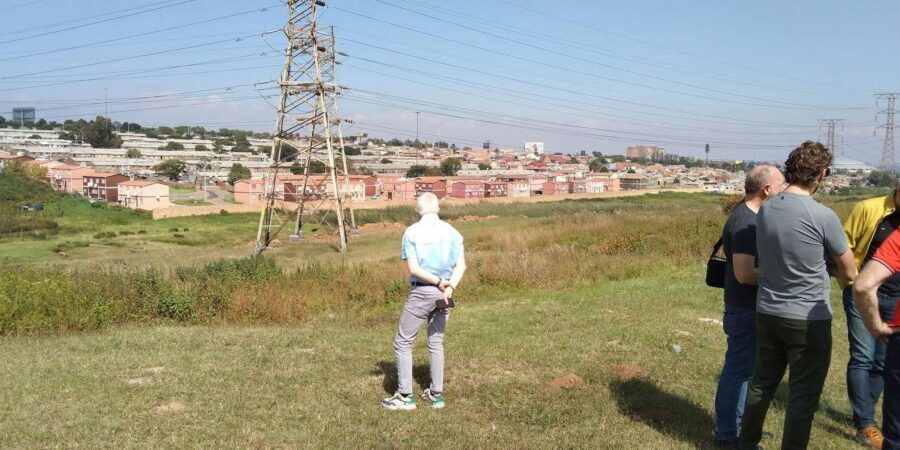
Your first big block is a guided Soweto tour and sightseeing with a walk (about 3 hours). This is where you’ll learn how everyday life and long-term injustice overlapped, and you’ll also get a sense of the area’s layout and landmarks.
It’s not only about standing still at one viewpoint. You’ll drive through key parts of Soweto and stop for photos, which helps you later when you’re trying to picture where people lived, worked, and organized.
Here are the specific sightseeing stops that are part of the drive:
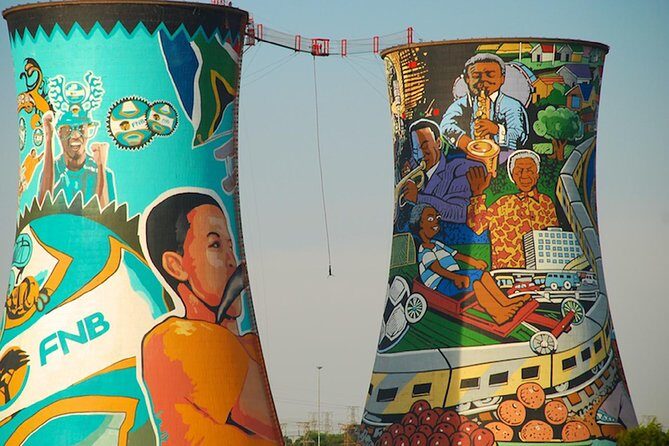
- Orlando Towers: an old coal power station turned landmark.
- Chris Hani Baragwanath Hospital: described as the biggest hospital in South Africa.
- Soccer City stadium: described as the biggest football stadium in South Africa.
- A drive through one of the richer parts of Soweto, so you can see contrasts rather than only one kind of scene.
Those stops matter because they show you Soweto isn’t just one story. You’ll get a more accurate picture when the day includes both infrastructure and daily life markers, not only memorials.
Tip for your photos
Ask your guide what’s worth photographing before you hop out. If you want pictures that actually match the story you’re hearing, it helps to know what details they want you to notice.
Mandela House at Soweto: A Focused 30-Minute Window
After the Soweto block, you head to Mandela’s House for a guided visit and a short sightseeing walk (about 30 minutes). Even in a compressed time slot, this stop tends to land because it’s personal.
You’ll see how Nelson Mandela lived before his arrest and life imprisonment, and you’ll also learn how his family story carried into the period after his release in 1990. The museum also highlights Winnie Mandela’s experience during the apartheid era while Mandela was in prison.
A key reason this part is valuable: it slows the day down just enough to help you understand the human scale behind the political timeline. It’s a break from the broader system story you’ll get next at the museum.
A drawback of short timings is simple: you have less time for questions. If there’s a detail you care about—like a particular family period—come prepared with one or two specific questions for your guide.




Hector Peterson Memorial and Museum: Understanding 1976 Without Vague Talking Points
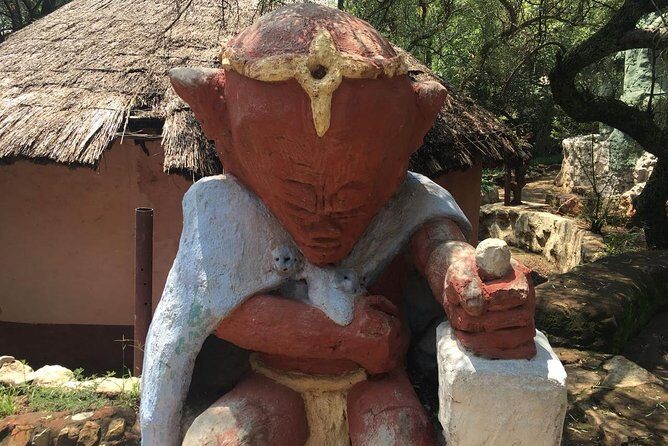
Your itinerary includes the Hector Peterson Museum and Memorial, built to honor pupils killed by apartheid police during the 1976 Soweto uprising. This is one of the most important stops on the day because it anchors the story in a specific moment of resistance.
You’ll learn that the uprising was against the planned use of Afrikaans as the medium of instruction in South African schools. That language detail sounds small until you remember what it means when people are forced to learn under a system that denies them dignity and power.
You’ll also see protest videos and learn about lifestyle conditions in Soweto during the apartheid era. Even if you’re not a museum person, this stop helps you connect history to real consequences.
What to watch for in the museum
If the day feels rushed, focus on the sections that explain:
- what triggered the student uprising,
- how apartheid police responded,
- and how the community lived under those conditions.
That’s the core that makes the next museum visit click.
The Apartheid Museum: The 1948–1994 System in One Day
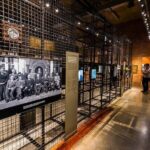
The final major learning stop is the Apartheid Museum. You’ll have time to walk through and explore on your own (about 2 hours), which is a smart choice here. It gives you space to read at your own speed and decide what hits you hardest.
The museum is designed to show apartheid history from 1948 to 1994, and it’s also framed as honoring Nelson Mandela’s efforts toward a non-racial, non-violent society in South Africa.
This stop is where many visitors finally feel the big picture. Before this, you’ve likely experienced the story through homes, memorials, and a few named events. Here, you see the structure of segregation as a system—how it worked, who enforced it, and how daily life was shaped by law and power.
Self-guided time is a feature, not a weakness
Self-guided time works best if you go in with a plan. If you can, pick one or two themes you want to understand, such as education, laws, or forced separation. Then let the exhibits guide you, instead of trying to absorb everything at once.
Township Drives and Photo Stops: Orlando Towers to Soccer City

One of the practical joys of this tour is that it blends museum depth with visible landmarks. The drive-by component can feel superficial on some tours, but in this case the listed stops help you recognize what you’re seeing later in real life.
- Orlando Towers gives you an industrial landmark that tells a story about the built environment.
- Chris Hani Baragwanath Hospital gives scale, especially if you’re used to hospitals being smaller, regional services.
- Soccer City stadium adds a modern cultural reference point, tied to how communities gather and identify.
The inclusion of a drive through a richer part of Soweto also matters. It prevents the day from flattening Soweto into a single stereotype. Instead, you see more of the area’s complexity.
Price and Value: What $121 Really Means for This Day
At about $121 per person, this tour is priced as a structured, guided day that includes transportation plus a professional guide, and pickup/drop-off around Johannesburg and Pretoria.
That can be good value when you compare it to the cost (in time and hassle) of booking a driver, finding parking, and coordinating museum entrances yourself. The guide also matters because the stops are historically heavy. You don’t want to be guessing at what you’re looking at.
But there are two big “watch-outs”:
- Entrance fees are not included.
- Food and drinks are not included.
So your real out-of-pocket cost may be higher once you factor in entry tickets and meals. The tour does ask you to bring a credit card and cash, which suggests you’ll need flexibility on payment.
Also, there’s an extra transfer condition: if your accommodation is farther than 50 km, extra transfer charges apply based on distance. If you’re staying outside central Johannesburg or Pretoria, confirm distance early so you don’t get a surprise on the day.
Who This Tour Fits Best (and Who Might Want Another Option)
This works well if you want:
- a one-day overview that connects Mandela, 1976, and the apartheid system,
- structured museum time that doesn’t eat your whole schedule,
- and reliable transport with pickup included.
It’s especially strong for first-timers who don’t want to piece together logistics. It’s also a solid choice if you’re traveling with limited mobility of your own planning, since wheelchair accessibility is listed.
It might be less ideal if:
- you need maximum time inside museums,
- you’re very sensitive to schedule slip,
- or you want a deep, debate-heavy history lesson with lots of Q&A time.
A balanced caution: one booking experienced delays and thinner historical coverage on topics such as Sharpeville (21 March 1960) and Steve Biko. That doesn’t mean it’s the norm, but it is a useful reminder to ask your guide what events they’ll cover during the day.
What to Bring and How to Prepare for a Respectful Visit
Bring:
- Camera
- Credit card
- Cash
- Student card (if applicable)
If you’re a student, you should bring your student card. If you’re a pensioner, bring your passport. These details matter because the day includes museum visits, and your eligibility may depend on documents.
Also note what’s not allowed: smoking indoors, and alcohol and drugs. If you’re planning food, remember meals aren’t included, so decide ahead whether you’ll buy something near pickup points or bring snacks to manage the day.
Should You Book This Soweto and Apartheid Museum Day Tour?
I’d book it if you want a tight, meaningful day that connects the major landmarks you’ll want to understand in Johannesburg’s orbit. The strongest reasons are the itinerary logic: Mandela’s family story, the 1976 memorial that explains a key trigger, then the Apartheid Museum’s 1948–1994 system view.
I’d be a little more careful if you’re traveling with a strict schedule or you’re expecting a very specific set of historical topics. In that case, confirm your pickup time, and if the guide asks if you have questions, use the moment to request coverage of key names and events you care about.
If you’re flexible, comfortable walking, and ready for a day that’s part sightseeing and part serious learning, this tour is a practical way to get informed without losing your whole day to logistics.
FAQ
How long is the Soweto and Apartheid Museum day tour?
It’s listed as a 1-day experience. You’ll check availability to see starting times.
Where do pickups happen?
Pickup is available around Johannesburg and Pretoria (including airports, hotels, addresses of choice, hotel lobbies, guesthouses, and train stations).
Are entrance fees included?
No. Entrance fees are not included.
Is food and drinks included?
No. Food and drinks are not included.
Do I need cash or a card?
Yes. You’re advised to bring a credit card and cash (along with a camera).
What language is the guide?
The live tour guide is available in English and German.
Is long-distance transfer included?
Pickup/drop-off around Johannesburg and Pretoria is included, but for long-distance transfer above 50 km, extra charges apply depending on the transfer distance.
Is the tour wheelchair accessible?
Yes. Wheelchair accessibility is listed as available.
What documents do students or pensioners need?
Students should bring their student card. Pensioners should bring their passport.
What’s the cancellation policy?
You can cancel up to 24 hours in advance for a full refund.