REVIEW · JOHANNESBURG
Soweto & Johannesburg And Apartheid Museum Private
Book on Viator →Operated by Jeff Tours and Transfers - Day Tours · Bookable on Viator
Soweto teaches more than a textbook can. This private 6 to 7 hour ride mixes street-level sights with major memorial stops, so you can see how apartheid’s system worked and how Soweto helped drive change. You’ll also get a rare mix of scenes, from working-class neighborhoods and taxi culture to upper-class areas of Soweto, which helps you understand the full picture instead of one slice.
I love the private format here: it’s just your group, and you can set your pace instead of being marched on a fixed script. I also like that the day includes real sites with context, including the Hector Pieterson Memorial, the Apartheid Museum, and Mandela’s world in and around Vilakazi Street.
One possible drawback: the topic is heavy, and the stops hit emotional themes fast. If you prefer a lighter overview, or if you want lots of time inside every museum, you may feel a little rushed because the schedule is built around multiple locations in one day.
In This Review
- Key points to know before you go
- How this private Soweto and Johannesburg route feels in real life
- Setting the tone at Hector Pieterson Memorial
- The drive through Soweto’s contrasts: from taxi culture to upmarket streets
- Past Desmond Tutu and into the Mandela story on Vilakazi Street
- Where apartheid gets explained: Apartheid Museum
- Constitution Hill quick hit: former prison complex and major names
- Time management: how the 6 to 7 hour schedule can work for you
- Price and what you’re really paying for
- Practical tips that keep the day smooth
- Who should book this private tour
- Should you book Soweto & Johannesburg And Apartheid Museum Private?
- FAQ
- How long is the private Soweto and Johannesburg tour?
- What time does the tour start?
- Is pickup available?
- Are tickets included?
- Is lunch included?
- Can I cancel for a full refund?
Key points to know before you go

- Private and flexible timing so you can adjust what matters most to you
- Major memorial stops like Hector Pieterson Memorial and the Apartheid Museum
- A street-to-museum route that shows everyday life alongside key political sites
- Mandela area focus with time on Vilakazi Street and Mandela House
- Constitution Hill in the mix with a short stop at the former prison precinct
- Parking included, but some museum admissions aren’t covered
How this private Soweto and Johannesburg route feels in real life
This isn’t a quick photo loop. You’re going to spend your morning and early afternoon moving through Johannesburg and Soweto with an intentional flow: first the sites tied to resistance, then the museum that explains the system, and then the landmarks that connect the story to Mandela and the post-apartheid era.
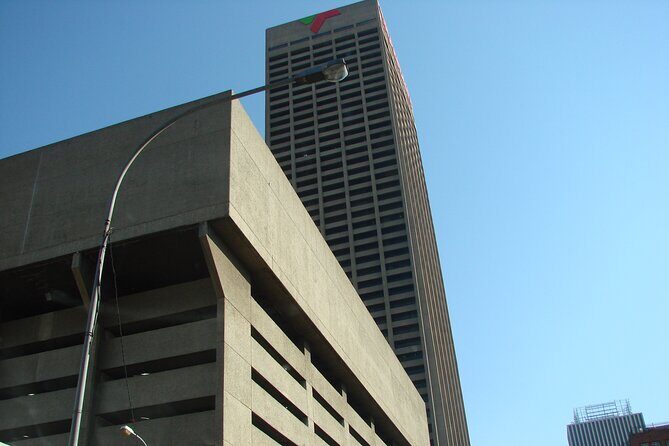
The route matters because the day isn’t only about history you read about. It also shows how neighborhoods look and function—where people gather, how people move, what “ordinary life” looked like under harsh rules, and what changed afterward. Even the driving segments help you map the city in your head, from Hillbrow and downtown Johannesburg to the Soweto neighborhoods you’ll actually see up close.
And since it’s a private tour, you’re not stuck waiting for a large group to catch up. Your guide can also use the passing views to frame the next stop, so the memorials land with more meaning.
You can also read our reviews of more private tours in Johannesburg


Setting the tone at Hector Pieterson Memorial
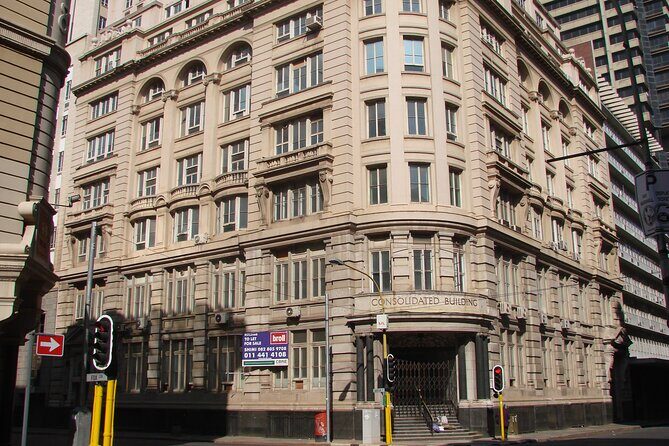
You’ll start at the Hector Pieterson Memorial. The stop is about 30 minutes, and admission is included, so you can spend that time focusing on the message instead of figuring out ticket logistics mid-day.
This is the kind of place where you’ll want a few calm minutes to take it in. The memorial is tied directly to the 1976 uprisings, which are central to how Soweto is remembered in the broader fight against apartheid. You’ll get context while you’re there, not just a name and a date. If you like your history grounded in human stories, this stop sets the emotional and political baseline for everything that follows.
One practical note: because the memorial hits intense themes, it helps to keep your phone use respectful. Put it away and listen for the moments your guide connects to what you’ll see later at the Apartheid Museum.
The drive through Soweto’s contrasts: from taxi culture to upmarket streets
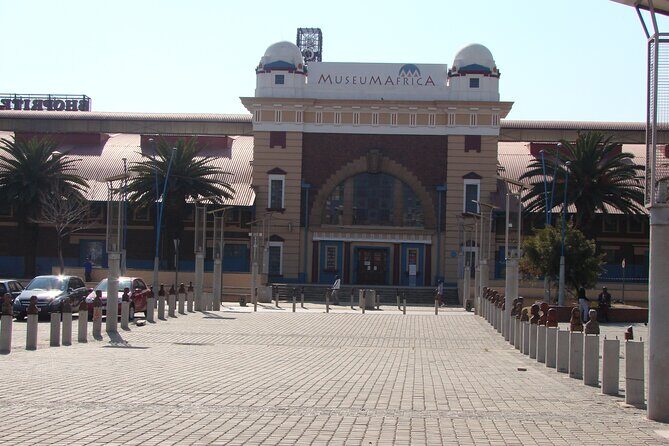
Between major stops, the tour focuses on what you can see from the car—and it’s not random. You’ll pass through areas and scenes that show how different daily realities existed side by side.
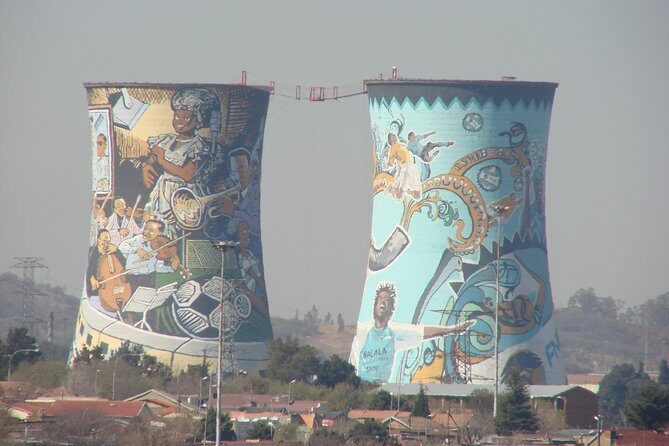
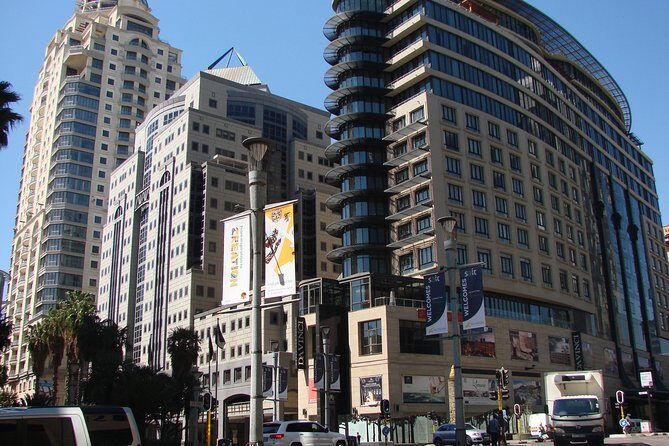
On the route, expect to see things like taxi culture, a Muti Shop, and the Baragwanath taxi rank, plus Hillbrow and downtown Johannesburg as the city backdrop. You’ll also notice neighborhood housing types and street life, including matchbox houses and hostels. Then the route continues toward upmarket suburbs of Soweto, helping you grasp that the apartheid-era geography shaped more than politics. It shaped where people lived, how they worked, and who had access to opportunity.
I like this part because it trains your eye. You start noticing patterns: the infrastructure, the density, the street economy, and the way movement happens around transit hubs. It’s also a good reality check if your only mental image of Soweto is what you’ve seen in a single documentary.
The best way to enjoy this driving portion is to ask your guide for a mental map. For example, you can ask what changed over time in the areas you’re seeing. Your guide can connect what you spot outside the windows to what you’ll learn in the next stop.
Past Desmond Tutu and into the Mandela story on Vilakazi Street
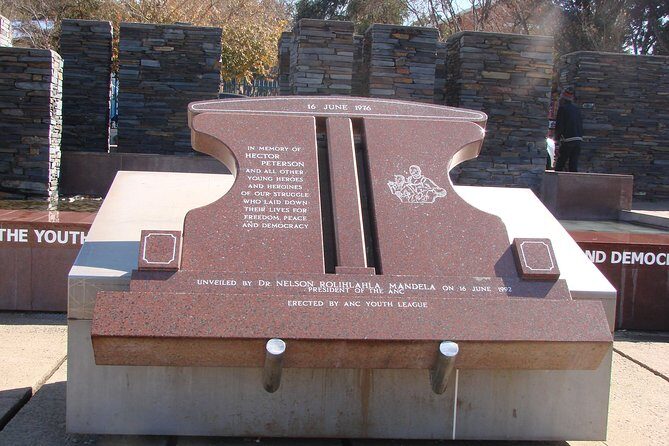
A standout moment is the drive past Bishop Desmond Tutu’s former home. Even if you only know the basics, seeing the place as part of a living city gives you a sense that leaders and activism didn’t happen in a vacuum. They were embedded in real neighborhoods and real streets.
Then you’ll reach the Mandela area on and around Vilakazi Street. The schedule includes a stop at the Mandela House, which is part of the Mandela Museum area on Vilakazi Street. The time here is about 30 minutes, and admission isn’t included, so plan to pay for your entry separately if you want inside access.
I like that this stop is shorter. It keeps the day moving, and it avoids the common problem where you get museum fatigue halfway through. If you want the deeper details of the house and family story, focus on the core rooms and the most meaningful parts rather than trying to read everything.
If you’re a fan of Nelson Mandela’s legacy, this section helps you connect the political history to a specific place and a specific family story. It also gives you a shift in tone after the heavier memorial themes.
Where apartheid gets explained: Apartheid Museum
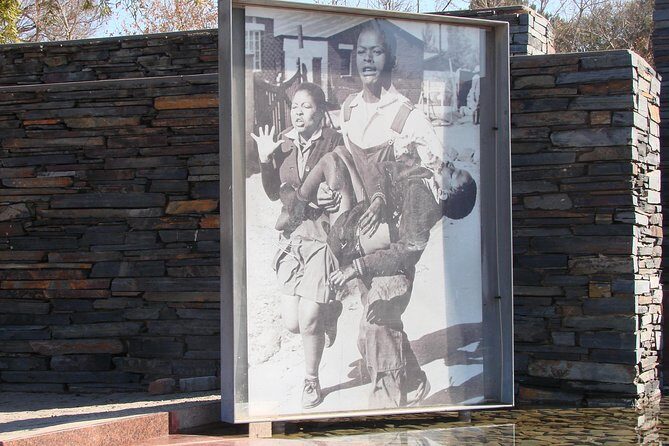
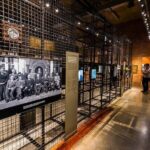
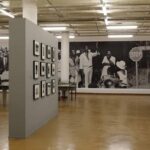
The day’s big museum moment is the Apartheid Museum, with about 2 hours on site and admission included. This is where the tour changes gear from names and locations to the mechanism of power.
The Apartheid Museum is built around the idea that apartheid divided a nation for more than 48 years. That line matters because it sets expectations. You’re not just learning about prejudice as a concept. You’re learning how a political system organized life, restricted movement, and shaped opportunities for decades.
I recommend treating this visit like your “anchor” stop. If you pay attention here, the other sites around it click into place. Hector Pieterson Memorial helps you feel the resistance. Constitution Hill and Mandela landmarks help you see leadership and consequence. The Apartheid Museum gives you the structure that ties it together.
Because you’ll only have about two hours, you’ll want to prioritize the sections your guide points out. If you’re traveling with someone who reads slowly, ask your guide to focus you on the most important galleries first, then you can decide how deep you go.
You can also read our reviews of more museum experiences in Johannesburg


Constitution Hill quick hit: former prison complex and major names
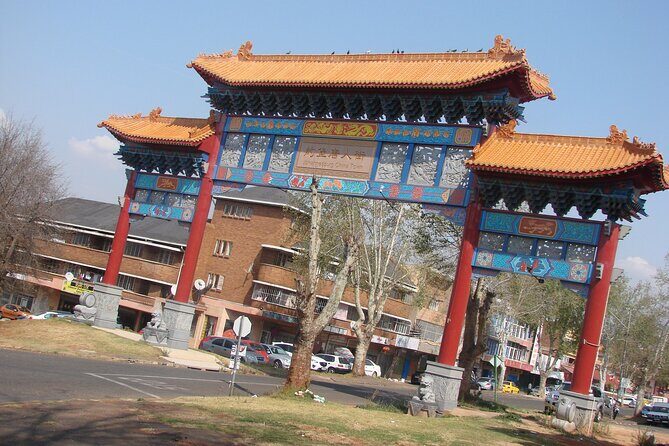
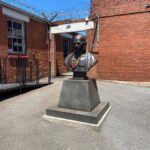
Next comes Constitution Hill Human Rights Precinct, with a short stop of about 20 minutes. Admission isn’t included, so you may want to decide on the spot how much time you want there if your guide offers flexibility.
Even in a short visit, Constitution Hill has power because it was a former prison complex where political leaders were held, including Mahatma Gandhi and Nelson Mandela. That alone gives the place an immediate contrast: the same walls connected to imprisonment and later to a human rights focus.
I’d treat this stop as a pause. You’ve already spent time learning and reflecting; this is the moment to step back and connect the story to what followed after apartheid, including how human rights became central to public life.
The drawback is simple: with only 20 minutes, you won’t see everything. If you’re particularly drawn to Constitution Hill, you might want to plan a separate longer visit another day.
Time management: how the 6 to 7 hour schedule can work for you
The overall tour runs about 6 to 7 hours with a 9:00 am start. That’s enough time to cover major memorial and museum stops without turning it into a full-day marathon that eats the rest of your trip.
Still, it’s not an all-day free roam. You’ll move between locations, and you’ll have set blocks: roughly 30 minutes at Hector Pieterson Memorial, about 2 hours at the Apartheid Museum, around 30 minutes at Mandela House, and about 20 minutes at Constitution Hill. That’s followed by driving time that includes multiple neighborhoods and viewpoints.
What I like is that the tour gives you room to work out your own schedule, at least within the day’s flow. If you’re most interested in the Mandela side, you can focus there. If you want to spend more time absorbing the museum explanations, you can ask for an extra minute here and there—while still keeping the itinerary moving.
Bring a simple strategy: identify what you care about most before you go. Then let your guide help you spend time where it counts.
Price and what you’re really paying for
At $118.52 per person, this tour sits in the “worth it if you want depth” category. Here’s why: you’re paying for a private experience plus included value in key places.
Admission is included for the Hector Pieterson Memorial and the Apartheid Museum, which are the two strongest time investments of the day. Parking fees are included too, so you don’t get hit with extra costs just to move from stop to stop. Pickup is offered, which helps if you’d otherwise lose time figuring out transport.
What’s not included matters. Lunch isn’t included, and admission isn’t included for Mandela House and Constitution Hill. So you should budget for a meal and plan for those entry fees if you want to go inside.
When I think about value, I look at whether the structure helps you learn. This day is set up to explain the apartheid system, then connect it to specific resistance sites and to Mandela’s legacy in Johannesburg. If that’s your goal, the price starts to make sense.
Practical tips that keep the day smooth
Here are the small things that can make or break a tour like this:
- Bring water and a snack plan. Lunch isn’t included, so you’ll want an easy option for energy between stops.
- Expect walking and indoor time. Museums can mean standing and reading more than you think, especially at the Apartheid Museum.
- Keep your camera ready, but don’t turn the day into a photo contest. The memorial stops work best when you pause and listen.
- If you’re sensitive to emotional subjects, let your guide know early. You can still see the sites, but you may prefer shorter moments of reflection instead of long ones.
Who should book this private tour
This tour is a great fit if you want a guided, focused understanding of Soweto and Johannesburg with major sites that connect resistance, apartheid as a system, and Mandela’s legacy.
It’s especially good for:
- Couples or small groups who want privacy and flexibility
- History-minded travelers who like their stories tied to specific locations
- Anyone who wants a balanced route, including both township scenes and upmarket suburbs to show the contrast
It may not be ideal if:
- You want a light day with minimal heavy themes
- You dislike museums and would rather spend more time outdoors
- You want long time inside every site, since the schedule keeps stops short in some places
Should you book Soweto & Johannesburg And Apartheid Museum Private?
Yes, if you’re aiming for one strong guided day that connects Soweto’s role in resistance with the apartheid system and the human rights story afterward. The private format is a real advantage, and the inclusion of admission at the two biggest learning stops helps you get more for your money.
I’d say book it if you’re comfortable with serious topics and you like a guided route that gives you context as you move through the city. If you want a gentler pace, consider adding extra time on another day for Mandela House or Constitution Hill so you can see them at your speed.
FAQ
How long is the private Soweto and Johannesburg tour?
It runs about 6 to 7 hours.
What time does the tour start?
The start time is 9:00 am.
Is pickup available?
Yes, pickup is offered.
Are tickets included?
Admission is included for the Hector Pieterson Memorial and the Apartheid Museum. Admission is not included for Mandela House, and Constitution Hill is also not included.
Is lunch included?
No, lunch isn’t included.
Can I cancel for a full refund?
Yes. You can cancel up to 24 hours in advance for a full refund. If you cancel less than 24 hours before the start time, there’s no refund.